Published: 17 April 2026. The English Chronicle Desk. The English Chronicle Online
President Ferdinand Marcos Jr. has announced the capture of a “primary protagonist” in the multibillion-peso flood-control corruption scandal, signaling a decisive turn in an investigation that has gripped the Philippines for months. Speaking from Malacañang Palace early Friday, the President confirmed that a key suspect—whose identity had been under seal pending a high-stakes manhunt—was apprehended in a coordinated raid in Quezon City. The arrest follows a “firestorm” of public outrage sparked by revelations that up to $2 billion (₱118 billion) in taxpayer funds meant for storm-mitigation projects may have been diverted through a sophisticated network of kickbacks and bogus contracts.

The scandal, which Marcos himself placed at the center of his national agenda last year, has implicated a wide array of political figures, from regional engineers to high-ranking members of the House of Representatives. The President’s announcement today is seen as a fulfillment of his “before Christmas” promise to start jailing the “big fish” responsible for the siphoning of public funds. “The net is closing,” Marcos stated in a televised address. “This arrest proves that no amount of political influence or wealth will serve as a shield against the truth. We will not stop until every centavo is accounted for and every conspirator is behind bars.“
While the Palace has been careful not to name the suspect prematurely to avoid compromising ongoing follow-up operations, interior department sources suggest the individual is a prominent business figure with deep ties to the construction firms that cornered lucrative flood-control contracts in the Oriental Mindoro and Luzon regions. This “key suspect” is allegedly the bridge between the private contractors and the “middlemen” who facilitated payments to government officials. Their capture follows the earlier surrender of seven other suspects in late 2025, several of whom have reportedly begun providing testimony under the government’s witness protection program.
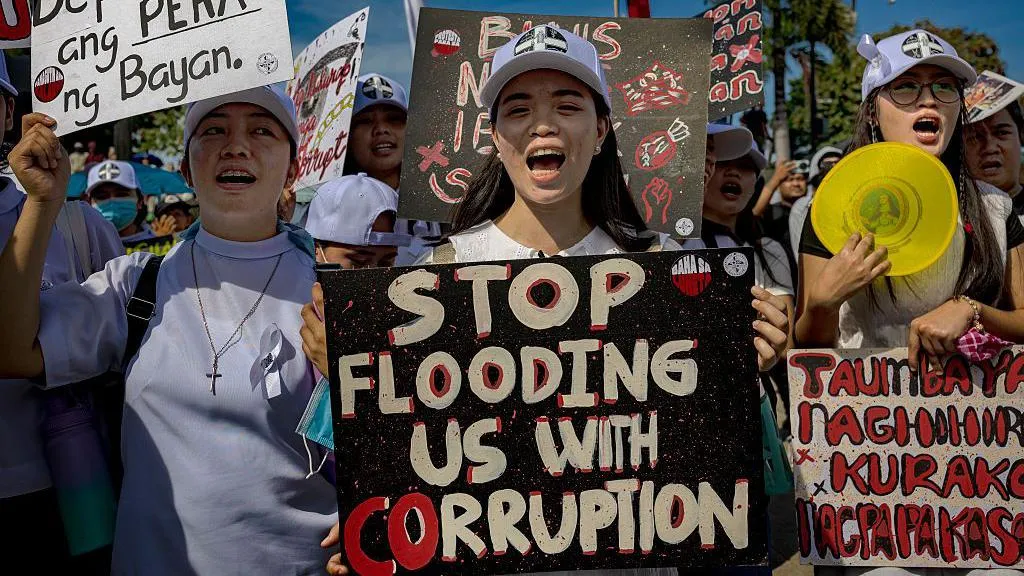
The political fallout of the “flood-control firestorm” has already been historic. The investigation has forced the resignation of several high-profile leaders, including the President’s own cousin, former Speaker Martin Romualdez, who stepped down to clear his name after his office was linked to the irregularities. The scandal has also fueled a massive wave of public protests, most recently during the February 2026 anniversary of the People Power Revolution, where demonstrators demanded that the administration prove its anti-corruption rhetoric with tangible convictions. For many, today’s arrest is the “litmus test” of the administration’s sincerity.

As the suspect is processed at the Philippine National Police headquarters in Camp Crame, legal experts anticipate a lengthy and complex trial in the Sandiganbayan, the nation’s special anti-corruption court. The government has already frozen billions in assets related to the case and is actively seeking the extradition of other suspects believed to be hiding in the United States and New Zealand. For the millions of Filipinos whose homes and livelihoods remain vulnerable to the archipelago’s frequent typhoons, the arrest is more than just a political victory—it is a long-overdue act of justice for the “stolen safety” of the nation’s most vulnerable communities.
Related News:
 UK Home Office to Launch French Beach Signage to Warn Asylum Seekers of Risks
 Father’s Tip Leads to Arrest in Charlie Kirk Murder Case
 Charlie Kirk Killing Used to Mobilise UK’s Largest Far-Right Rally in Decades
 UK and Ireland Set to Unveil New Proposals to Address Northern Ireland’s Troubles Legacy
Channel Crossings Surge: Over 1,000 People Arrive in the UK in Small Boats in a Single Day
UK and Ireland Set to Unveil New Proposals to Address Northern Ireland’s Troubles Legacy
Channel Crossings Surge: Over 1,000 People Arrive in the UK in Small Boats in a Single Day
 UK Recognises State of Palestine in Push to Preserve Hope for Peace
 Jailed Georgian Opposition Leaders Warn UK of Iranian Links to Ruling Party
 China’s Mega Embassy in London Faces Further Delay
 Prince Andrew met alleged Chinese spies during Pitch@Palace China trips
 Kosovo agrees to host Britain’s refused asylum seekers
 UK University Faces Counter-Terror Probe Over China Pressure
 Second world war veterans honoured as King leads Remembrance Sunday
 Ukraine-Russia war latest: Putin’s troops exploit bad weather to force Kyiv withdrawal from multiple towns
 New Epstein Files Spark Political Clash in Washington
 Ukraine Energy Corruption Scandal Hits Zelensky’s Inner Circle
 New review urges UK to repatriate Shamima Begum, others from Syria
 Hasina Rejects Allegations Ahead of Bangladesh Tribunal Verdict
 Indian authorities demolish Kashmir home linked to Red Fort blast
 Greene Pushes Epstein Files Amid Trump Fallout
 UN Security Council Approves Trump’s Gaza Peace Plan
 WhatsApp Messages Expose Nathan Gill’s Bribery
 Venezuela Threatens Nobel Winner Machado with Fugitive Status
 Trump Envoy to Discuss Ukraine Peace at Kremlin
 Video shows Israeli troops kill Palestinians after surrender
 Guinea-Bissau President Flees After Military Coup
 Emails Show Epstein Funded Mandelson’s Husband After Jail
 Saif al-Islam Gaddafi Reportedly Killed in Libya Shooting
 UK Wants Action on Russia After Navalny Frog Poisoning, Cooper Says
 Nine Arrested in France Over Death of Far‑Right Student
 South Korea’s Ex-President Faces Death Penalty in Insurrection Trial
 How Much Could Andrew’s Arrest Hurt the Royal Family?
 New Mexico Reopens Criminal Inquiry into Jeffrey Epstein’s Zorro Ranch
 Mandelson Arrested Amid Political Turmoil as Ukraine Marks Four Years of Conflict
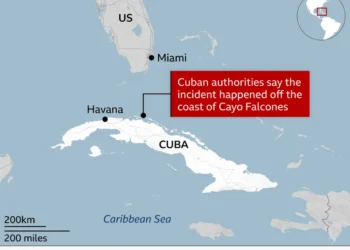 American Citizen Killed in Cuba Boat Shooting, U.S. Officials Say
 Hillary Clinton Tells House Panel She ‘Had No Idea’ of Epstein’s Crimes
 Belgium Narco-State Warning Raises Alarm Over Crime Surge
 Istanbul Mayor Faces Corruption Trial Amid Political Storm
 Point-Blank Gunshot Misses Indian Politician
 Ecuador Deploys 75,000 Forces in Anti-Gang Drive
 Missing Cuba-Bound Aid Ships Spark Urgent Search
 Belarus Leader Gifts Rifle to Kim Jong Un
 Zelensky Visits Saudi Arabia After Offering Drone Expertise
 ‘I Will Not Abandon Him’: Pauline Hanson Stands by Ben Roberts-Smith After War Crime Charges
 Justice in Limbo: Top Australian Soldier to Remain on Remand for War Crimes
 UK Must Act with Courage and Clarity on Israel-Palestine Conflict, Says Foreign Affairs Committee Report
 Radioactive Leak at UK’s Nuclear Warhead Base Sparks Outcry Over Safety and Secrecy
 Hong Kong Summons UK and Australian Envoys Following Asylum Grants to Democracy Activists
 Is the UK Ready to Put Boots on the Ground in Ukraine? Assessing Military Capacity and Challenges
 Urgent Action Needed on Windrush Compensation as Survivors Speak of “Waiting to Die”
 Yvette Cooper Signals Global Momentum Towards Gaza Peace Deal Amid Humanitarian Crisis
 Russia’s Latest Push to Win US Favors Shows Deep Desperation
 BBC to Apologise Over Edited Trump Speech Amid Backlash
 Shadow Fleet at Sea: Europe’s Battle Against Illicit Oil Shipping
 EU Says US Ties Have Suffered ‘Big Blow’ After Greenland Crisis
 Police response times face strict new national limits
 Australian Families Leave Syrian Camp for Home
 Starmer Weighs Fast-Tracking Defence Boost
 Epstein Eyed Record Label Investment to Access Women, Files Suggest
 Australian PM Says Former Prince Andrew Has Suffered ‘Extraordinary Fall’ but That Won’t Prompt Republic Referendum
 Farage Chagos Islands Row Sparks Fury
 Ukraine Negotiator Reveals What It Feels Like Facing Russia
 Iran’s Regime Still Intact — Coming Days Will Test Its Survival
 Finland Plans to Lift Decades‑Old Ban on Hosting Nuclear Weapons
 Trump Pressures Congress Over Save America Act
 Iran War Puts Trump at Political Risk Amid Rising Prices
 After Mugabe: Family Feuds and Legal Battles
 Queensland Protest Laws Spark Free Speech Backlash
 Trump Nato threats expose Iran strategy vacuum
 Trump Facing Backlash from Epstein Survivors Over Files
 UK Forces Ready to Seize Russian Shadow Fleet Vessels
 Trump Considers Military Operation to Seize Iran’s Uranium
 Report Says Pezzullo Acted ‘Recklessly’ in Dealings
 Hungary Claims Plot to Target Gas Pipeline Pre-Vote
 Oil and Diplomacy: Russian Refineries Burn as Zelenskyy Secures Middle East Shield
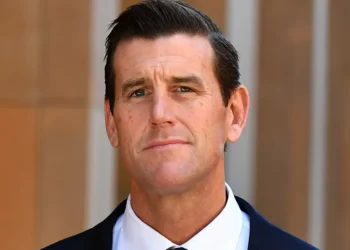 The Fallen Icon: Ben Roberts-Smith Charged with Five War-Crime Murders
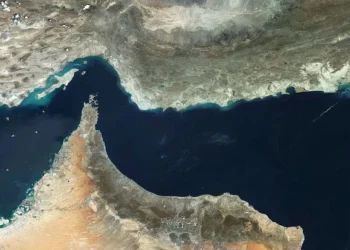 The Great Chokehold: Why the Strait of Hormuz is the Epicenter of the 2026 Crisis
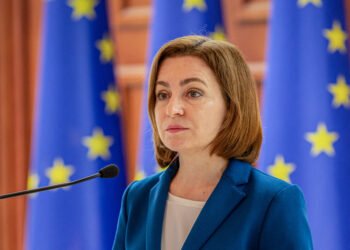 Moldova River Crisis Exposes War’s Hidden Cost
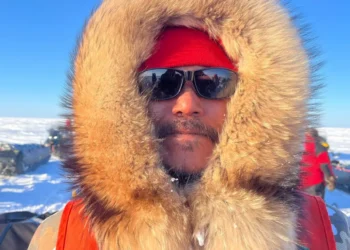 The Frozen Frontier: Why Frostbite is the Least of Concerns for Canada’s Arctic Forces
 Diplomatic Deadlock: Lebanon Enters High-Stakes Border Talks with ‘No Cards to Play’