Published: 22 May 2026. The English Chronicle Desk. The English Chronicle Online.
British high streets experienced a sharp and unexpected contraction as consumer spending pulled back significantly across the nation. Motorists leading this retreat cut their fuel purchases at the fastest pace seen since the pandemic. This dramatic shift in behaviour heavily dragged down the overall economic performance for the month. The latest official data paints a sobering picture of cautious households managing tight budgets. Industry experts are now closely analysing whether this downturn represents a temporary pause or a deeper trend.
The Office for National Statistics revealed that overall retail sales volumes plunged by over one percent. This monthly decline represents the most significant contraction the retail sector has faced since last spring. The final economic figures arrived well below the more optimistic forecasts publicised by city analysts. Such a stark divergence highlights the current volatility defining the modern British consumer marketplace. Financial markets reacted swiftly to the news as economists digested the implications of the drop.
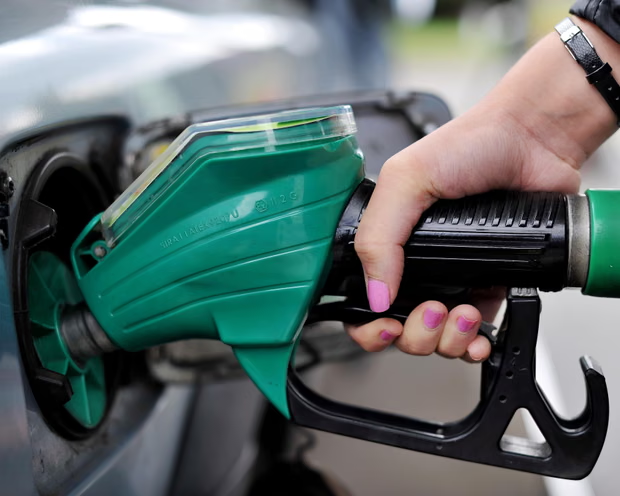
A massive double-digit slide in month-on-month fuel purchases served as the primary driver for this slump. This remarkable reduction in petrol and diesel buying represents the steepest decline in nearly six years. The last time fuel sales fell so dramatically was during the strict winter lockdowns of late twenty-twenty. Back then, government health mandates legally forced millions of households to stay at home for weeks. Today, the dramatic reduction stems from entirely different pressures affecting everyday household decision-making across the country.
Official statisticians noted that drivers actively conserved their fuel supplies throughout the weeks of April. This cautious behaviour followed a massive surge in petrol station visits during the previous month. Many motorists had heavily stocked up on fuel earlier in the spring due to global tensions. Consequently, the subsequent pullback created a stark statistical vacuum that depressed the latest monthly figures. This cyclical pattern underscores how quickly consumer habits shift in response to wider international news.
The government body subsequently revised its initial growth estimates for the previous month slightly downward. That prior growth had been heavily turbocharged by a substantial increase in fuel sales volumes. The total financial value of those March fuel purchases had risen even more impressively. Such intense activity at the pumps reflected widespread anxiety regarding volatile global energy markets. A major conflict in the Middle East had directly triggered panic buying across Great Britain.
This rush to secure petrol occurred alongside the largest fuel price spike in three years. Fearing immediate scarcity and spiralling costs, drivers queued at forecourts to fill their tanks completely. That frantic hoarding artificially inflated the March economic data before triggering the subsequent April crash. Once tanks were full, motorists simply avoided returning to petrol stations for several weeks. This dramatic swing demonstrates the intense sensitivity of British consumers to international geopolitical events.
When the volatile impact of fuel purchases is entirely removed, the core data remains soft. Underlying retail sales still fell by nearly half a percent on a month-on-month basis. This broader decline indicates that the economic malaise extended far beyond just the local petrol stations. High streets and digital marketplaces alike felt the distinct chill of reduced consumer confidence. Shoppers clearly chose to exercise restraint across various traditional spending categories during the month.
Despite the overarching gloom, a few specific retail sectors managed to find bright spots. Outlets specialising in beauty products and cosmetics reported robust and sustained demand from enthusiastic consumers. Similarly, technology shops and computer retailers enjoyed steady trading as shoppers upgraded their personal devices. These specific areas provided a welcome cushion against an otherwise disappointing month for businesses. Such resilience suggests that targeted discretionary spending has not entirely vanished from the high street.
In stark contrast, traditional clothing boutiques and fashion departments bore the brunt of the downturn. Apparel sales dropped to their lowest recorded levels since the middle of last summer. Retail experts blamed highly variable British weather conditions for discouraging interest in new spring collections. Furthermore, persistent anxieties regarding general price inflation forced shoppers to defer non-essential wardrobe updates. Customers increasingly view new clothing as a luxury that can wait for better days.
Leading retail consultants observed that international conflicts are now directly impacting British high street consumers. Public sentiment has recently plummeted at the fastest rate observed in over four years. This psychological shift has now tangibly translated into people buying fewer physical items in stores. The immediate economic ripple effects of global instability are hitting home faster than previously anticipated. Families are actively choosing financial caution as uncertainty clouds the immediate economic horizon.
The big question moving forward is whether this negative momentum will persist into summer. Business leaders hope that warmer seasonal weather will successfully entice shoppers back into city centres. Additionally, a temporary easing of inflation could provide households with much-needed breathing room. The transition from spring to summer traditionally offers a reliable boost to the hospitality sector. Whether this traditional recovery materialises will depend heavily on sustained consumer confidence returning.
Looking at the broader quarterly picture offers a slightly more reassuring and balanced perspective. Total retail sales actually rose modestly when compared to the same period last year. Volume also grew slightly when measured against the final three months of the previous year. This suggests the underlying economic foundation retains some resilience despite recent sharp monthly shocks. The coming months will prove crucial in determining the true trajectory of British retail.
Related News:
 Reeves Faces Setback as Labour May Miss Homes Target
 Virgin Trains Moves Closer to Challenging Eurostar Monopoly
 Trump’s UK Ambassador Urges North Sea Drilling to Strengthen US Ties
 Ryanair Chief UK Economy ‘Doomed’ Under Labour
 M&S Profits More Than Halve After Cyber-Attack
 Earl of Yarmouth Faces £1.3m Legal Bill Over Family Estate
 Millionaires group urge Reeves to introduce wealth tax to ‘lift kids out of poverty’
 From Lego to Pokémon: How Adults Are Driving UK Toy Market Growth
 New laws to bolster UK’s defences against cyber attacks on NHS, transport and energy
 Canada Passes Carney’s First Budget in Tight Parliamentary Vote
 Starmer Says Labour’s Economic Plan Needs Years to Deliver
 Virgin Media Fined £23.8m Over Telecare Safety Failures
 Starmer Faces Parliamentary Battles Over UK-EU ‘Reset’ Plan
 Reeves Pub Business Rates U-Turn Calms Labour Revolt
 ScottishPower Tops List of Worst UK Energy Suppliers
 Markets Slide As Gold Rally Signals Risk From Trump Greenland Tariff Plan
 UK Eyes Global Investment with Visa Fee Refunds
 City & Guilds pay surge sparks backlash amid £22m cuts
 UK Inflation Hits 3.4% in December, Ending Five-Month Decline
 Trump Fed bid heads to Supreme Court
 ‘Black Tax’: Burden, Pride and Survival for African Workers
 AI job losses UK: Britain faces sharper employment shock
 India-EU Free Trade Deal Marks Historic Economic Shift
 Telstra AI jobs cuts as automation drive expands
 BT Names New Openreach Chief Amid Major Fibre Expansion
 UK Banks Plot Payment Backup Amid Trump Fears
 UK Unemployment Rate Climbs to 5.2% Peak
 UK shelves £110m border project amid trade strain
 Rachel Reeves Faces Middle East Conflict Test
 Grocery Inflation Rises Amid War Fears
 BrewDog sold Highland estate for knockdown price after abandoning reforestation plans
 Rising Costs Force Families to Rethink Days Out
 Oil Slides, Stocks Jump on Trump Peace Signals
 UK inflation held at 3% before global energy price hit
 Ticketmaster Fees Rise Despite Recent US Junk Fee Crackdown
 M&S Demands Urgent Action on Rising Violent Retail Crime
 New Era for Sick Pay as Millions Gain Critical Rights
 Oil Prices Surge as Trump Issues New Deadline to Iran
 US and Iran Agree to Two-Week Provisional Ceasefire
 Stefano Gabbana Resigns as Chair of Italian Luxury Giant
 Rolls-Royce SMR Secures £600m Boost for Nuclear Future
 Aegon Sells Historic UK Arm to Standard Life for £2bn
 Central Bank Chiefs Hold Crisis Simulation in Washington
 UK Staycations Rise as Travel Fears Grow
 Former Brexit Chief Calls for Rejoining the EU
 Albanese Rejects Gas Export Tax Push
 Oil Prices Surge Above $120 Amid Iran Blockade Fears
 Silent Tracks: Rail Line Without Passengers
 Trump approval plunges amid Iran war fears
 Tough Fiscal Realities Await Next Scottish Government
 DeepMind Staff Vote to Unionize Over US Military Contract
 Global Conflict Hits Home As Bullock Warns Of Economic Pain
 STV Election Coverage Disrupted Amid Bitter Pay Dispute
 Aramco Surges as East-West Pipeline Counters Gulf Tensions
 High Stakes in Beijing as Trump and Xi Meet Amid Global Turmoil
 Lotus Boss Pledges Future to Norfolk and Seeks State Support
 Trump and Xi Convene in Beijing for Historic High-Stakes Summit
 High Street Crisis: Fears Grow Over Post Office Closures
 UK Firms Freeze Spending as Iran Conflict Bites
 Rubles and Resilience: How Russia-China Border Towns Thrive
 UK Eases Russian Oil Sanctions as Fuel Costs Soar
 Reeves to Fast-Track Clean Energy Amid Iran Crisis
 Oil Markets Face ‘Red Zone’ Threat Amid Iran Crisis
 Belfast Approves Pilot Extension of Sunday Trading Hours
 Albanese Defends Tax Reforms Amid Emotional Speech
 Tube Strike Brings Capital to a Standstill Over Shift Disputes
 BP Stands Firm on Amanda Blanc Amid Boardroom Storm
 UK House Prices Drop For Third Month Due To War Fears
 Top Chefs Back Andy Burnham to Save UK Hospitality Sector
 GSK Secures Landmark $10.6bn Deal for Nuvalent
 UK Economy Suffers a Sharp Downturn as Iran Conflict Bites
 AI Scams Push UK Investment Fraud Past £220m
 Rethinking the Blueprint for Youth Employment in Britain
 Sainsbury’s Boss Optimistic As Grocery Inflation Eases
 UK Households Suffer Squeeze As Disposable Incomes Drop
 Creditors Eye Thames Water Even Under Nationalisation
 Record £28m Fine for Virgin Media Over Cancellation Woes
 Ukraine Creates Long-Range Strike Command
 BBC Faces Real Jeopardy as Licence Fee Income Declines
 Thames Water Future Remains Uncertain Amid Funding Crunch