Published: 21 May 2026. The English Chronicle Desk. The English Chronicle Online.
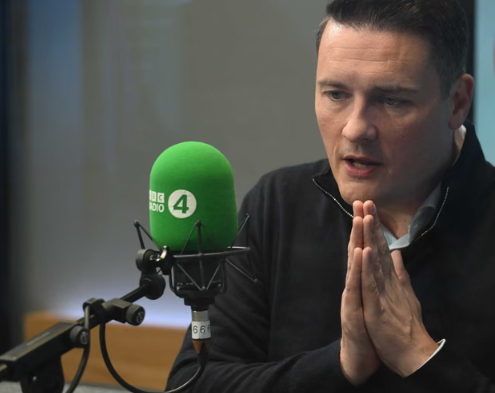
The British political arena often showcases fierce policy debates and sharp rhetorical exchanges between rival parties. However, a recent street encounter involving the Chancellor of the Exchequer has highlighted deeper questions about public decency. Rachel Reeves found herself at the centre of an unexpected confrontation during a live media broadcast. While conducting an interview at a Leeds petrol station, she was targeted by an aggressive passerby. The incident occurred shortly after she announced the government’s decision to scrap a planned fuel duty rise. Instead of focusing on economic policy, the moment quickly shifted toward questions of social etiquette. A man shouting from his vehicle disrupted the event with a series of profanities. His loud outburst aimed directly at the heart of the current Labour administration and its leadership.
The heckler initialled his verbal assault as he walked into the station to pay for fuel. He shouted a string of explicit words demanding that Prime Minister Keir Starmer be removed. The confrontation did not end there, as the individual returned to his parked delivery van. Leaving the premises, he continued to yell loudly at the Chancellor through his open window. He repeatedly demanded that voters get Labour out of office while cheering for Nigel Farage. His vehicle prominently displayed several large St George’s flags as he sped away from the scene. He mockingly questioned whether carrying the national flag would result in his immediate police arrest. He concluded his tirade by claiming the Labour party was completely useless and ruining Britain.
Rather than ignoring the loud disruption, the Chancellor chose to address the driver directly and calmly. She stated firmly that she loved her country and valued its long tradition of good manners. Reeves pointed out to the gathered reporters that such aggressive behaviour was not very British. She then offered a lighthearted joke regarding the motorist’s obvious anger toward her economic policies. The Chancellor suggested the driver had clearly missed her positive announcement about freezing national fuel duty. Her measured response to the foul-mouthed confrontation quickly gained widespread attention across various social media platforms. It also sparked an immediate debate among politicians regarding the acceptable boundaries of modern public discourse.
Supporters from surprising corners of the political spectrum quickly emerged to defend the Chancellor’s public stance. Conservative politicians put aside regular party rivalries to support her message about maintaining everyday politeness. Shadow Chancellor Mel Stride publicly defended her swift comeback during a major television news interview. Speaking to the media, he agreed that good manners remain an essential part of British life. Stride emphasized that political discourse around the nation should always remain civil and polite for everyone. He noted that maintaining high standards of decency is something all politicians should actively fight for. However, he also observed that many citizens feel genuinely disappointed by recent government fiscal decisions.
The prominent Tory peer Daniel Hannan also expressed strong alignment with the Chancellor’s recent public comments. He acknowledged that defending old-fashioned manners might seem somewhat out of temper with modern times. Nevertheless, he stated clearly that he found himself firmly on the side of Rachel Reeves. Hannan argued that basic civility matters immensely in politics to prevent a slide into public chaos. He added that shouting at a woman while driving away was not remotely brave or commendable. This cross-party consensus highlighted a shared concern over the rising tide of aggression against politicians. Many figures feel that allowing such behaviour to pass unchecked damages the foundation of democracy.
In sharp contrast, representatives from Reform UK viewed the entire Leeds petrol station incident quite differently. Party leader Nigel Farage took to social media to express his amusement at the confrontation. He posted a message stating he would like to buy the shouting motorist a pint. Farage actively asked his online followers for help in identifying the driver of the van. The party’s spokesperson for economics, Robert Jenrick, also offered a very supportive view of the driver. He declared online that the shouting man sounded authentically British to him during the exchange. Jenrick claimed this negative public reaction explains why Reeves rarely leaves her secure Westminster bunker.
The political row deepened further when another senior Reform UK figure entered the public debate online. Home affairs spokesperson Zia Yusuf praised the motorist by calling him a truly legendary gentleman. He used his social media platform to ask the unidentified individual to get in touch. Yusuf suggested that a future Reform government would gladly award the driver a lifetime peerage. He described the aggressive shouting match as an outstanding example of important public service to Britain. The spokesperson added that the driver could perform similar actions toward politicians in the Lords. This provocative statement drew immediate criticism from those wishing to lower the temperature of political debate.
The incident reflects a growing tension within British society regarding how citizens express political frustration. Fuel prices and economic strain have undoubtedly left many working people feeling anxious and highly volatile. Public figures are increasingly exposed to direct and unfiltered anger while performing their daily duties. The safety and dignity of politicians during media rounds have become major points of discussion. While some view heckling as a legitimate form of protest, others see it as abuse. The line between passionate political expression and unacceptable harassment remains a subject of intense debate. This Leeds encounter serves as a vivid case study of that ongoing social friction.
The media coverage surrounding the event has amplified the conversation about national identity and values. Both sides of the debate are using the concept of Britishness to justify their positions. For Reeves and her supporters, British identity is rooted in politeness, restraint, and mutual respect. For her detractors, it is defined by blunt honesty, defiance, and robust anti-establishment protest. These conflicting definitions show how deeply divided the country remains over cultural and social norms. The flags displayed on the van further symbolized this tug-of-war over national symbols and meaning. It raises questions about who truly speaks for the ordinary citizens of the United Kingdom.
As the story continues to circulate online, the long-term impact on political campaigning remains unclear. Politicians may become more cautious about engaging with the public outside controlled studio environments. Such a shift could further distance elected officials from the communities they are chosen to represent. Conversely, it could encourage a collective effort to restore boundaries of respect within the public sphere. The coming months will likely see further debates on how to balance free speech with civility. For now, the image of a Chancellor standing her ground against a shouting motorist remains potent. It encapsulates the turbulent and unpredictable nature of contemporary political life in Great Britain today.
Related News:
 Reeves Faces Setback as Labour May Miss Homes Target
 Kate Winslet to Narrate Film Highlighting King’s Environmental Mission
 Trump’s UK Ambassador Urges North Sea Drilling to Strengthen US Ties
 UK Bans Fake Numbers: Scammers Lose Their Trick
 M&S Profits More Than Halve After Cyber-Attack
 Patients to Test Health at Home to Ease NHS Winter Pressure
 Millionaires group urge Reeves to introduce wealth tax to ‘lift kids out of poverty’
 Reeves rejects £1bn plea for NHS redundancy payouts
 Northern Lights may illuminate UK skies this week
 PM Condemns Leaks, Vows Loyalty to Ministers and Stability
 Major Rent Reform Ends No-Fault Evictions in England
 Stroke Patient Mistaken for Drunk, Care Delayed
 Inside the Helpline Protecting Missing Children in the UK
 Boots Showstopper Beauty Bundle Outshines Many Advent Calendars This Holiday Season
 PlayStation PS5 Deals Hit Lowest Prices Ahead of Black Friday
 Five-Year-Old Dies After Rare Tonsil Surgery Complication
 Starmer Says Labour’s Economic Plan Needs Years to Deliver
 UK unemployment rises to four-year high of 5.1% before budget
 Wiltshire Police Use Lasso to Catch Rampaging Village Goat
 Coasting Drinks: The Trend Redefining Alcohol Enjoyment This New Year
 Rising Hate Crimes Threaten Safety on UK Public Transport
 Starmer Faces Parliamentary Battles Over UK-EU ‘Reset’ Plan
 Met Police Vetting Failures Let Serial Rapists Remain
 Google Employee Claims Redundancy After Harassment Report
 Fatal Bolton Taxi Crash Claims Three Teens and Driver
 ScottishPower Tops List of Worst UK Energy Suppliers
 Judi Dench Champions Fight to Save London’s Green Spaces
 Crowborough Camp Welcomes First Asylum Seekers
 BBC Funding Crisis: Tim Davie Warns of Jeopardy Ahead
 Artificial intelligence will cost jobs, admits Liz Kendall
 Older Women Vanish from BBC Screens, Review Confirms Bias
 Streeting moves on doctor pay to end strike dispute
 Send spending gap leaves deprived areas behind
 Hidden Crisis: Domestic Abuse Suicide Toll in UK
 UK Unemployment Rate Climbs to 5.2% Peak
 BBC World Cup Presenting Duties Shared Among Trio
 Wales Approves Assisted Dying Bill Consent
 CPS Updates Guidance on Honour-Based and Dowry Abuse
 Asylum Seekers to Work After Year-Long Wait
 Inquiry into HMRC child benefit errors launched by NAO
 Rising Costs Force Families to Rethink Days Out
 Scott Mills Sacked by BBC Over Personal Conduct Claims
 Palantir Boss Defends NHS Deal Amid Government Break Clause
 Relationship with Trump may be beyond repair, Starmer warned
 UK Government Poised to Revive Stalled Hillsborough Law
 UK Staycations Rise as Travel Fears Grow
 Home Office Faces Legal Risks Over Asylum Hotel Living
 Official Admits Debate Over Mandelson Vetting Records
 Crisis in NHS Surgery Scheduling Hits Patients Hard
 Welsh Labour Faces Potential Historic Election Defeat
 Blue Badge Abuse: The Rising Tide of Public Hostility
 UK Faces Future Where Deaths Outnumber Births Yearly
 Scott Parker Leaves Burnley After Premier League Drop
 Silent Tracks: Rail Line Without Passengers
 RFU Backs Borthwick Despite England’s Poor Six Nations
 Major test for Labour as polls open in Great Britain
 Keir Starmer Struggles to Secure His Grip on Downing Street
 Fear and Betrayal: The Chilling Case of Kouri Richins
 Farage Faces Standards Probe Over Cash Property Purchase
 Closing the Gap: UK Pensions Commission Demands Action
 The Battle for Wembley Sparking Unprecedented Legal Warfare
 Record Spending Highlights Growing Crisis In National Health Service
 Secret Role of UK Security Services in Troubles Amnesty Law
 Tube Strike Brings Capital to a Standstill Over Shift Disputes
 BP Stands Firm on Amanda Blanc Amid Boardroom Storm
 Teaching Machines Right From Wrong in the Digital Age
 UK House Prices Drop For Third Month Due To War Fears
 The Hidden Crisis Eroding Trust in British Communities
 Deepfake Abuse on X Sparks Safety Concerns for Dissidents
 Stolen Mobiles Could Soon Become Useless Bricks
 Clean Air Initiatives Spark Major Fall in London Hospital Admissions
 United Kingdom Politics Worse Now Than Before Brexit, Warns MP
 Russian Tanker Captain Remanded in UK Court After Channel Seizure
 Shocking Zoo Incident Sparks Attempted Murder Probe
 The Hybrid School Revolution Defying the Social Media Ban
 UK Care Crisis: Row Explodes Over New Visa Settlement Rules
 Sainsbury’s Boss Optimistic As Grocery Inflation Eases
 US Airman Avoids British Court in Indecent Exposure Case
 Ann Widdecombe, Formidable Political Figure, Dies at 78
 UK Schools Struggle as Classrooms Top 40C