Published: 8 June 2026
The English Chronicle Desk
The English Chronicle Online
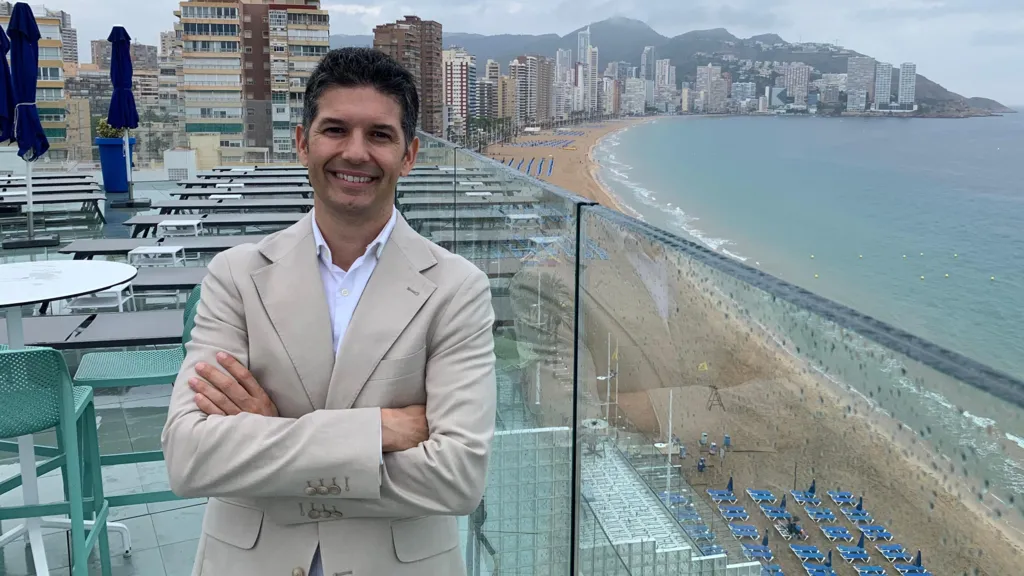
Spain has recorded a sharp rise in visitor numbers as international tourists increasingly avoid parts of the Middle East due to ongoing regional tensions and security concerns.
Tourism officials reported that bookings across major Spanish destinations reached new highs during the early summer season, with coastal resorts, historic cities and island regions experiencing particularly strong demand.

Industry analysts said travellers from Europe, North America and Asia are redirecting holiday plans toward southern European destinations viewed as more stable and accessible amid uncertainty surrounding conflict in the Middle East.
Popular Spanish tourism centres including Barcelona, Madrid, Valencia, Málaga and the Balearic Islands have seen significant increases in hotel occupancy, airline traffic and tourism spending.
Travel companies reported that some tourists who had originally planned trips to Middle Eastern destinations instead selected Spain because of safety concerns linked to regional instability and military escalation.
Economists said the tourism boom is providing a major boost for Spain’s economy, supporting hospitality businesses, restaurants, transport operators and seasonal employment.
Spain remains one of the world’s most visited countries due to its beaches, cultural attractions, nightlife, cuisine and extensive tourism infrastructure.
However, the surge in visitor numbers has also renewed debate over overcrowding, housing pressure and environmental strain in heavily visited regions.
Residents in some Spanish cities have previously protested against overtourism, arguing that rising visitor numbers increase rental costs and place pressure on local services.
Tourism experts warned that rapid growth may create long-term sustainability challenges if infrastructure and housing policies fail to keep pace with demand.
Airlines and hotel groups have expanded services to Spain in response to rising international bookings and shifting travel patterns.
Security analysts noted that geopolitical instability frequently reshapes global tourism flows, with travellers often seeking destinations perceived as safer during periods of international conflict.

Spanish authorities welcomed the economic benefits while emphasising the need for balanced tourism policies protecting both local communities and the environment.
The latest figures confirm Spain’s continued dominance as a leading global tourism destination during a period of uncertainty across parts of the Middle East.
Check Out Our Latest News At>>
Related News:
 The ‘Svuota Londra’ Effect: Why the Super-Rich are Swapping Dubai for Milan
 Cuban Cigar Festival Cancelled Amid US-Linked Energy Crisis
 Five Young People Die in Spain Apartment Block Fire
 The Russian Village That Lost Its Men to War
 Inland Australia Town Turns Streets into a Beach for Volleyball Contest
 Asos Co-Founder Dies After Thailand Balcony Fall
 Gold Fever Hits South Africa After Lucky Find in Cattle Pen
 Flights Cancelled and New Travel Warnings Issued After Iran Strikes
 Limited Flights Leave UAE But Disruption Continues Amid Iran Strikes
 Passengers on Dubai‑Dublin Flight ‘Never So Happy to Be Home’
 Boy, 12, Home After Being Stranded in Middle East
 The Rewilding Cash Grab Driving Farmers Off the Land
 ‘Holiday From Hell’ Leaves UK Couple Stranded in Thailand
 My One-Hour Flight Transfer Left Me Facing 10 Days Stuck in a City Under Attack
 Glasgow Central Set for Full Reopening After Fire
 PM Seeks to Reassure Australians Over Fuel Supply
 I’ve Lived in a French Village for 35 Years. This is Why They are So Special.
 Michel Rolland: The ‘Spielberg of Wine’ Who Directed the Global Palate
 ‘The Great Reset’: Behind the Wheel of Jaguar’s Most Polarizing Move in 80 Years
 Euston’s Easter Silence: Major Rail Shutdown Paralyzes West Coast Main Line
 Silver Linings: Why Global Tourism is Finding “Positives” Amidst Iran War Uncertainty
 ‘The Soul of Spain’: Politicians Clash Over Renewed Push to Move Picasso’s Guernica
 Debt Relief or Drop in the Ocean? UK Caps Student Loan Interest at 6%
 The $100 Billion Peace: Trump’s ‘Grand Bargain’ Ends Iran Conflict at a Staggering Cost
 The ‘Golden Gates’ are Closing: Why Global Travelers are Rethinking the U.S. in 2026
 The ‘Shredder’ Syndrome: Why the 2026 Job Market is Breaking Entry-Level Spirits
 ‘No Gas, No Food’: LPG Shortage Triggers Reverse Migration in Indian Metros
 The Kitchen Table Crisis: How the 2026 Iran War Hits Your Wallet
 Hot in the City: Energy Crisis Tests Singapore’s Air-Con ‘Addiction’
 Relief at the Pump: Irish PM Unveils €505m Package to Stem Fuel Crisis
 The Outback Squeeze: ‘Out of Control’ Diesel Prices Threaten Australia’s Freight Arteries
 ‘How Does One Survive?’: Factory Protests Expose Strain in India’s Industrial System
 The ‘War Tax’: How the Iran Conflict is Siphoning Your Bank Account
 Grounded: Lufthansa Slashes 20,000 Summer Flights as Fuel Crisis Bites
 Stalemate at the Serac: 100-Foot Ice Block Paralyzes Everest Climbing Season
 Athens Mayor Moves to Tackle Overtourism Crisis
 The £36 Billion Reckoning: BHP Faces Quantum Trial After High Court Liability Landmark
 “A Zero-Value Home”: Seven Years of Sinkhole Stagnation Leaves Family Trapped
 Ukraine Urges UK to Seize Russian Oil Tankers
 Two Dead in Adelaide Airport Plane Crash Fire
 The $2.5 Billion “Speed Breaker”: RBI Battles Digital Fraud Surge
 The Glass Ceiling of the Galaxy: Inside the High-Stakes Succession War at Samsung
 The £3,000 License: Learners “Held Hostage” by Cancelled Tests and Shifting Goalposts
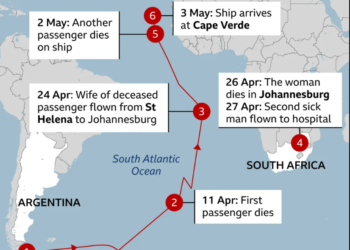 The Quarantine Crossing”: Hantavirus-Hit MV Hondius Bound for Canary Islands After Deadly Outbreak
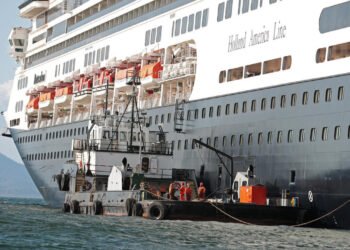 “The Ghost Galleon”: Hantavirus-Hit Cruise Ship Bound for Tenerife After High-Stakes Evacuations
 France Faces Record Presidential Crowded Race Amid Far-Right Surge
 Norway Doubles Down on Oil and Gas for Europe Energy Security
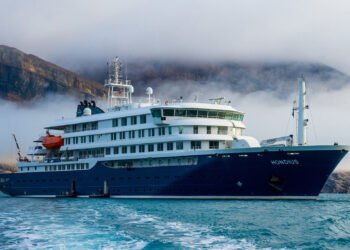 Bad Weather Threatens Hantavirus Cruise Ship Evacuation
 Hybrid village stores fight rural decline
 Pope Meets Families in Italy Toxic Waste Zone
 Everest Climber Recalls Guide’s Six-Day Survival
 Rising World Cup Ticket Prices Spark Concern
 EU Summit to Reaffirm Balkan Membership Goals
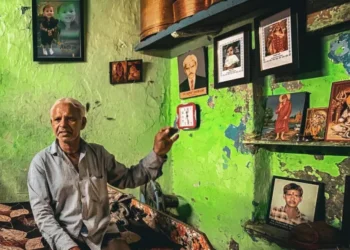 Families Grieve Beyond Air India Crash Victims
 Huge Crowds Gather for Pope’s Open-Air Mass
 South Africa’s Garden Route Gem Faces Looming Water Crisis
 Portugal Election Delivers Socialist Win as Far Right Surges
 Epstein Eyed Record Label Investment to Access Women, Files Suggest
 ‘Every Day Feels Like a Month’: Iranians Describe Life Under ‘Constant’ US‑Israeli Strikes
 Finland Plans to Lift Decades‑Old Ban on Hosting Nuclear Weapons
 ‘Heating Oil Suppliers Are Holding Us to Ransom’ as Prices and Cancellations Surge
 ‘The Cost of Living’: Asia’s Migrant Workers Debate if Gulf Jobs are Worth the Risk of War
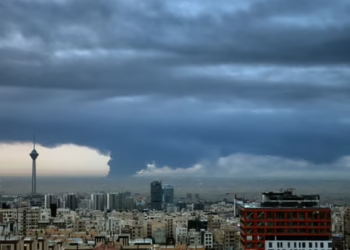 Russia: The Unforeseen Winner of the Iran Conflict
 National Treasure: Raja Ravi Varma Masterpiece Smashes Indian Art Record with $17.9m Sale
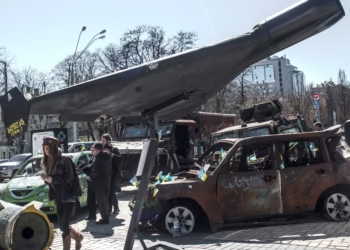 Oil and Diplomacy: Russian Refineries Burn as Zelenskyy Secures Middle East Shield
 Electric Shock: Australians Buy Record Number of New EVs as Fuel Crisis Bites
 The Suffocating Silhouette: Why Metal’s Mask Trend is Turning Deadly
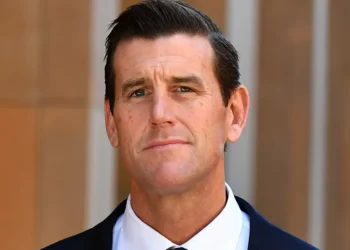 The Fallen Icon: Ben Roberts-Smith Charged with Five War-Crime Murders
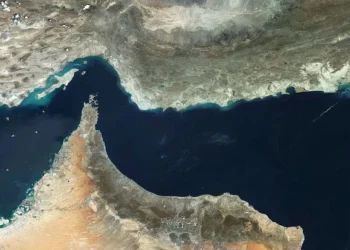 The Great Chokehold: Why the Strait of Hormuz is the Epicenter of the 2026 Crisis
 Moldova River Crisis Exposes War’s Hidden Cost
 The Waiting Ward: ‘Month of Worry’ as Doctor Strikes Trigger Seismic Surgery Delays
 The Fog of War and the Ticker Tape: Suspicious Trades Rile Washington
 ‘A Fragile Calm’: Oil Prices Dip as Trump Extends Iran Ceasefire, But Blockade Holds Firm
 “Three-Wheeled Triumph”: Mayor of Erewash Completes 2,000-Mile European Charity Run
 Tragedy in the Red Centre: Outback Search Ends in Discovery of Missing Girl’s Body
 US to Escort Trapped Ships Through the Strait of Hormuz
 US Awaits Iran Reply on New Ceasefire Proposal
 “The End of the Towel War?”: How Hotels are ‘Clinically’ Stopping the Sunbed Dash
 High Street Crisis: Fears Grow Over Post Office Closures
 Fans Bring Flags and Fire to World Cup Scenes