
Published: 30 April 2026. The English Chronicle Desk. The English Chronicle Online
In the wake of a staggering $2.5 billion (£2 billion) loss to digital fraud in 2025 alone, the Reserve Bank of India (RBI) has launched an aggressive counter-offensive to protect the world’s fastest-growing digital payment ecosystem. Data from the National Cyber Crime Reporting Portal (NCRP) reveals that nearly 2.5 million Indians fell victim to scammers last year—a 4,300% increase since 2021—prompting the central bank to propose radical “friction” measures that could fundamentally alter how 800 million internet users move their money.

From “deepfake” police officers to sophisticated phishing links mimicking speeding fines, the surge in fraud has been driven by a wave of AI-powered “social engineering.” Now, the RBI is considering “speed breakers” for the digital highway, prioritising security over the “instant” nature of modern banking.
The most controversial measure currently under consultation is the introduction of a mandatory delay for certain high-value transfers.
The “Cooling-Off” Period: Transactions above ₹10,000 ($120) could be subject to a one-hour delay before the funds are credited. This is designed to give victims a window to realize they have been scammed and trigger a “kill switch.”
Targeting the Majority: While these transactions represent only a fraction of total volume, they account for roughly 98.5% of the total value lost to fraud.
The “Expressway” Dilemma: Critics, including former RBI Innovation Hub CEO Rajesh Bansal, argue that adding delays is like “building an expressway and adding speed breakers every few kilometres,” potentially stifling the efficiency of the Unified Payments Interface (UPI).
To combat the sophisticated “layering” of stolen funds, the RBI has deployed a new weapon in its digital arsenal: MuleHunter.AI.
Real-Time Detection: This AI-driven solution is currently live across 26 major banks, specifically designed to identify “mule accounts”—legitimate-looking accounts used by criminals to launder fraudulent gains.
Network Analytics: The system uses big data to map out suspicious “webs” of transactions, allowing banks to freeze entire networks of accounts before the money can be withdrawn or moved offshore.
Digital Intelligence: The newly incorporated Indian Digital Payment Intelligence Corporation (IDPIC) will serve as a centralized hub for real-time fraud analysis, leveraging machine learning to stay ahead of evolving scam tactics.
The 2025 data highlighted that senior citizens and first-time digital users are the primary targets for “fear-based” scams.
The “Trusted Person” Protocol: For high-value transactions, the RBI has proposed a secondary authentication step involving a “trusted person” designated by the account holder.
Granular Control: New rules will empower users to “switch off” specific payment channels (like international transfers or contactless payments) via their mobile apps, similar to existing credit card controls.
Compensation Mechanism: A draft amendment issued in March 2026 proposes a faster complaint resolution framework and a dedicated compensation mechanism for small-value fraud victims, reducing the long-standing financial “limbo” faced by those targeted.

As the King concludes his visit to Washington—where cybersecurity is a key pillar of the “special relationship”—Indian authorities are warning that 2026 could see an even sharper rise in Generative AI (GenAI) fraud. Scammers are now using AI to clone voices of family members or manufacture deepfake videos of bank officials to bypass traditional security checks.
The RBI’s “RBI Kehta Hai” (RBI Says) campaign is pivoting to address these high-tech threats, urging citizens to “verify before you clarify.” While the “one-hour lag” remains a point of heated debate among fintech firms, the central bank’s message is clear: in the battle for India’s $2.5 billion, the era of “instant and unverified” is coming to a close.
Related News:
 Hot in the City: Energy Crisis Tests Singapore’s Air-Con ‘Addiction’
 British AI Startup Outshines Human Forecasters in Global Prediction Contest
 UK New Car Discounts Near £6,000 as Prices Are Slashed
 The Chinese AI App Sending Hollywood Into a Panic
 Etsy Sells Second‑Hand Fashion App Depop to eBay for $1.2bn
 Asos Co-Founder Dies After Thailand Balcony Fall
 Gold Fever Hits South Africa After Lucky Find in Cattle Pen
 The Rewilding Cash Grab Driving Farmers Off the Land
 Baba Vanga’s Chilling World War 3 Prediction and Russia’s New Leader
 ABC Staff Strike Over Pay and AI Concerns
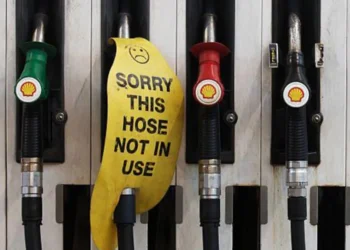 PM Seeks to Reassure Australians Over Fuel Supply
 How and When to See April’s Full Pink Moon
 Jim Ratcliffe’s £3.5bn Chemical Plant Delayed with Parts Stranded in the Gulf
 Michel Rolland: The ‘Spielberg of Wine’ Who Directed the Global Palate
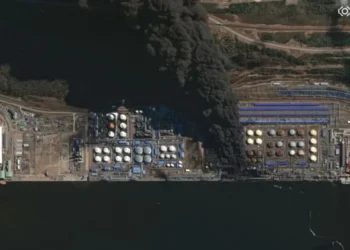 Baltic Blackout: Satellite Images Reveal Scorched Russian Oil Hubs After Ukraine Strikes
 ‘The Great Reset’: Behind the Wheel of Jaguar’s Most Polarizing Move in 80 Years
 “Homo Sapiens are All of Us”: Artemis II Crew Sends Emotional Message of Unity from Deep Space
 Apple at 50: Three Products That Changed How We Live
 Silver Linings: Why Global Tourism is Finding “Positives” Amidst Iran War Uncertainty
 Electric Shock: Australians Buy Record Number of New EVs as Fuel Crisis Bites
 War, Windfalls, and the Carbon Trap: The Iran Conflict’s Brutal Energy Math
 The ‘Svuota Londra’ Effect: Why the Super-Rich are Swapping Dubai for Milan
 Debt Relief or Drop in the Ocean? UK Caps Student Loan Interest at 6%
 The $100 Billion Peace: Trump’s ‘Grand Bargain’ Ends Iran Conflict at a Staggering Cost
 The ‘Golden Gates’ are Closing: Why Global Travelers are Rethinking the U.S. in 2026
 The ‘Shredder’ Syndrome: Why the 2026 Job Market is Breaking Entry-Level Spirits
 The ‘Heavy’ Shift: Gulf Coast Refineries Ramp Up Venezuelan Crude Intake
 ‘No Gas, No Food’: LPG Shortage Triggers Reverse Migration in Indian Metros
 The Great Chokehold: Why the Strait of Hormuz is the Epicenter of the 2026 Crisis
 The Kitchen Table Crisis: How the 2026 Iran War Hits Your Wallet
 The Silent Lifeline: Why the 2026 Digital Switchover has Millions Saying, ‘I Didn’t Realise How Much I Needed My Landline’
 Space Odyssey ‘Bum Note’: UK Band Linked to Artemis II’s ‘Toilet Trouble’
 Moldova River Crisis Exposes War’s Hidden Cost
 Market Shock: Oil Surges Past $100 as US Initiates Naval Blockade
 Relief at the Pump: Irish PM Unveils €505m Package to Stem Fuel Crisis
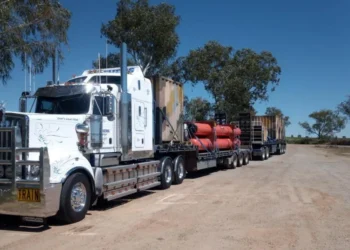 The Outback Squeeze: ‘Out of Control’ Diesel Prices Threaten Australia’s Freight Arteries
 The Sinking Heritage: The Dutch Village at Risk of Being Demolished
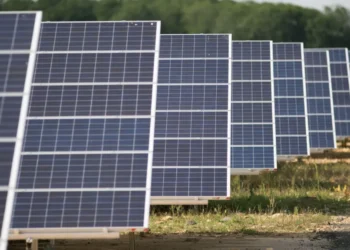 The Green Mile: Country Lane Solar Farm Set to Power 13,000 Homes
 The Sustainable Departure: Crematorium Completes £5m ‘Green’ Transformation
 The Pouch Peril: Dental Experts Probe the ‘Seismic’ Impact of Nicotine Pouches on Oral Health
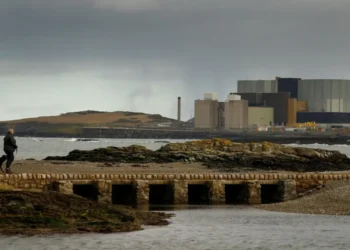 Powering the Future: Green Light for ‘Seismic’ Nuclear Project Promising 8,000 Jobs
 The Mythos Crisis: Global Finance Chiefs Sound Alarm Over ‘Predatory’ AI
 ‘How Does One Survive?’: Factory Protests Expose Strain in India’s Industrial System
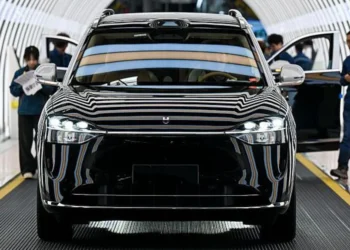 Nature Calls (Virtually): Seres Patents Voice-Activated In-Car Toilet
 Canadian astronaut French words ease language row
 The ‘War Tax’: How the Iran Conflict is Siphoning Your Bank Account
 ‘The End of the Quiet Era’: Japan Relaxes Arms Export Rules in Historic Pivot From Pacifism
 Rations and Rides: Global Responses to the 2026 Fuel Crisis
 Stalemate at the Serac: 100-Foot Ice Block Paralyzes Everest Climbing Season
 Human Capital for AI Infrastructure: Meta Cuts 8,000 Staff to Fuel $135bn Bet
 Chornobyl Still at Risk 40 Years After Disaster
 Athens Mayor Moves to Tackle Overtourism Crisis
 Reform UK funding: mystery billionaire revealed
 RAF Typhoons scrambled amid Russian drone threat near Nato
 The “King of Drones”: Ukraine’s Unmanned Commander Targets the Arteries of the Russian War Machine
 Beyond the Swoosh: Anta Sports Overtakes Rivals to Become Global Top Three
 The £36 Billion Reckoning: BHP Faces Quantum Trial After High Court Liability Landmark
 Market Deadlock: Oil Prices Surge as US-Iran Peace Talks Unravel in Pakistan
 “A Zero-Value Home”: Seven Years of Sinkhole Stagnation Leaves Family Trapped
 Ukraine Urges UK to Seize Russian Oil Tankers
 US Clears Nvidia AI Chip Sales to China in Policy Shift
 BT Names New Openreach Chief Amid Major Fibre Expansion
 Epstein Eyed Record Label Investment to Access Women, Files Suggest
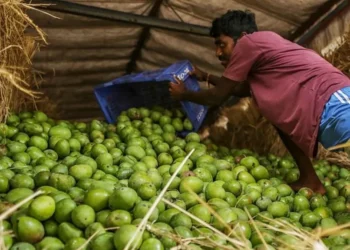 How Do You Modernise Mango Farming? India’s Growers Urged to Innovate as Climate Change Hits
 AI Coding Firm’s ‘Pride’ at Business Award Win
 ‘Every Day Feels Like a Month’: Iranians Describe Life Under ‘Constant’ US‑Israeli Strikes
 Trump Considers Military Operation to Seize Iran’s Uranium
 ‘The Cost of Living’: Asia’s Migrant Workers Debate if Gulf Jobs are Worth the Risk of War
 Russia: The Unforeseen Winner of the Iran Conflict
 National Treasure: Raja Ravi Varma Masterpiece Smashes Indian Art Record with $17.9m Sale
 Oil and Diplomacy: Russian Refineries Burn as Zelenskyy Secures Middle East Shield
 The Suffocating Silhouette: Why Metal’s Mask Trend is Turning Deadly
 The Fallen Icon: Ben Roberts-Smith Charged with Five War-Crime Murders
 The Frozen Frontier: Why Frostbite is the Least of Concerns for Canada’s Arctic Forces
 The Waiting Ward: ‘Month of Worry’ as Doctor Strikes Trigger Seismic Surgery Delays
 Diplomatic Deadlock: Lebanon Enters High-Stakes Border Talks with ‘No Cards to Play’
 The Fog of War and the Ticker Tape: Suspicious Trades Rile Washington
 ‘A Fragile Calm’: Oil Prices Dip as Trump Extends Iran Ceasefire, But Blockade Holds Firm
 “Industrial-Scale Extraction”: White House Memo Accuses China of Mass AI Theft
 “Three-Wheeled Triumph”: Mayor of Erewash Completes 2,000-Mile European Charity Run