
Published: 20 May 2026. The English Chronicle Desk. The English Chronicle Online
In the complex theatre of British monetary policy, the Bank of England currently finds itself performing a delicate and increasingly precarious balancing act. The headline interest rate, or Bank Rate, sits at 3.75%, a level it has maintained through several recent sessions of the Monetary Policy Committee (MPC). For millions of households and businesses, this stability offers a momentary reprieve from the rapid, “asymmetric” rate hikes of previous years. Yet, the question of whether rates will move higher—or eventually resume a downward trend—remains the subject of intense, “clinical” debate across the City of London and beyond. As we navigate the midpoint of 2026, the prospect of future rate movements is no longer viewed through the lens of optimistic “gentle easing,” but rather as a volatile, data-dependent gamble against a backdrop of renewed global instability.

The primary “bottleneck” complicating the outlook is the ongoing conflict in the Middle East, which has exerted significant, “asymmetric” upward pressure on global energy and commodity prices. This external shock has effectively “ripped up” earlier forecasts that projected a steady decline in inflation throughout 2026. Because higher fuel and supply costs are inherently inflationary, the Bank of England has signaled that the path to its 2% inflation target is now far steeper than previously anticipated. The MPC’s recent rhetoric has been notably guarded; while they remain committed to their mandate, they have pointed to the distinct possibility of “forceful” rises in interest rates if inflation expectations become unanchored. This is a profound shift from the atmosphere of late 2025, where the conversation was firmly focused on how quickly the Bank could return rates to a more “neutral” territory.
This creates a palpable “resilience deficit” for borrowers and lenders alike. Prospective homebuyers and those facing the renewal of fixed-rate mortgage deals are now staring into a cloud of uncertainty. The market, once certain that rate cuts were just over the horizon, is now split. Some analysts, taking a more hawkish view, suggest that the Bank may be forced to increase the base rate one or more times this year to temper renewed price growth. Others maintain a more cautious optimism, betting that the underlying fragility of the UK economy—marked by signs of weakening consumer demand and reduced business investment—will prevent the Bank from tightening policy further. This split in expert opinion mirrors the “asymmetric” anxiety felt across the country, where 23% of the public expect rates to rise, while a similar portion anticipates a fall, leaving a significant, “nasty” margin of uncertainty.
The “accountability rot” of the current economic environment is that the central bank’s decision-making is now entirely “meeting-by-meeting.” This lack of a clear, long-term trajectory makes it exceptionally difficult for individuals to plan their financial future. The Bank’s governor, Andrew Bailey, has explicitly warned that “higher inflation is unavoidable” due to energy disruptions, putting the onus on the MPC to act with “speechless determination” to prevent a secondary, long-term inflationary cycle. Whether this necessitates an increase to the base rate to 5% or beyond, as some extreme market scenarios suggest, or whether the Bank manages to “hold the line” at 3.75% while the economy cools, is the central question of the year. For the average citizen, this means that even if inflation eventually softens, the era of “cheap money” remains a distant memory, replaced by a “clinical” reality where borrowing costs are likely to remain elevated for the foreseeable future.

As we look toward the upcoming MPC meetings, the focus will be laser-targeted on incoming data regarding wage growth, labor market tightness, and retail spending. These indicators serve as the “clinical” thermometer for the economy, determining whether the Bank of England feels compelled to tighten the screws further or whether it can afford to be patient. For those currently debating whether to lock in a mortgage rate or wait for a potential downturn, the advice from experts is increasingly conservative: the risks are high, and pinning financial stability on hopes of immediate rate cuts is a strategy fraught with peril. We are operating in a climate where “stable” is a relative term, and the only certainty in the UK interest rate outlook is the persistence of change. Whether rates rise further depends entirely on how effectively the UK can insulate itself from global shocks while maintaining a delicate, “asymmetric” balance between taming inflation and avoiding a deeper economic recession.
Related News:
 UK Wage Growth Slows as Jobs Market Holds Firm
 “The Iron Chancellor of the North”: Andy Burnham’s High-Stakes U-Turn to Prevent a Truss-Style Gilt Market Meltdown
 “A Fragile Lull”: UK Inflation Dips to 2.8% Amid Warnings of a Renewed Climb
 Wealthy Britons Flee Gulf War but Avoid UK Taxes
 UK Forces Ready to Seize Russian Shadow Fleet Vessels
 The “Taiwan Exception”: China Unveils Historic Zero-Tariff Access for 53 African Nations
 BBC News Faces Deep Cuts in 2,000 Job Plan
 New UK advice scheme to boost savings and investing
 “A Summer of Consolidation”: Government Triggers Emergency Flight Rules as Jet Fuel Crisis Looms
 “The Power Paradox”: Can Scotland’s Politicians Truly Bypass the ‘Hormuz’ of Energy Pricing?
 “The Price of Life”: Air Ambulances in the South Face ‘Resilience Deficit’ Amid Fuel Surge
 “The Energy Levy”: Understanding the ‘Milestone’ Windfall Tax on Oil and Gas Giants
 UK Must Act with Courage and Clarity on Israel-Palestine Conflict, Says Foreign Affairs Committee Report
 Radioactive Leak at UK’s Nuclear Warhead Base Sparks Outcry Over Safety and Secrecy
 Mutual Inconvenience: Why Alaska Was Chosen for the Trump-Putin Summit on Ukraine
 Terence Stamp, ’60s British Film Legend and Star of Superman, Dies at 87
 Where Is Prince William and Kate Middleton’s New House? Inside the Historic Lodge Set to Become Their ‘Forever Home’
 Is the UK Ready to Put Boots on the Ground in Ukraine? Assessing Military Capacity and Challenges
 Shein UK Faces Allegations of Shifting Majority of Profits to Singapore to Reduce UK Tax
 Thousands Gather in London to Protest Donald Trump’s Second UK State Visit
 A Third of EU Citizens in UK Report Discrimination by Public Bodies Post-Brexit
 Public Trust in SNP Hits Historic Low Amid NHS Concerns
 Johnson Suggests Mandelson Linked to China Spy Controversy
 Rachel Reeves signals welfare reform ahead of key budget
 Just Stop Oil Protesters Convicted Amid Climate Defence Row
 I’m a Celebrity 2025 line-up revealed: Osbourne joins
 Palace May Restore Hyphen to Andrew Mountbatten-Windsor’s Name
 Royal Navy Shadows Russian Warships Entering the Channel
 UK New Car Discounts Near £6,000 as Prices Are Slashed
 Starmer Weighs Fast-Tracking Defence Boost
 Snow and Rain Warnings as Cold Snap Continues in the UK
 Dual Nationals Face Scramble for UK Passports as New Rules Come Into Force
 Trump and Chagos Deal Rift Over Iran Strikes
 Australian PM Says Former Prince Andrew Has Suffered ‘Extraordinary Fall’ but That Won’t Prompt Republic Referendum
 Farage Chagos Islands Row Sparks Fury
 Storm Hernando: Edinburgh Airport Flights Cancelled in US Travel Chaos
 ‘We’ve been paying for happy endings for Andrew for years’: inside the royal disgrace, biographer says
 Islanders Advised on Travel to Middle East Amid Escalation
 Brit ‘in Good Spirits’ Amid Dubai Missile Attacks, Stranded but Safe
 Trump rebukes Starmer over Iran strikes
 Petrol Prices Soar as Retailers Accused of Gouging Amid Global Tension
 Minister Meets Crews Who Will ‘Take Out’ Iranian Drones
 ‘We Must Finish This’: Israelis Rally Behind War Effort as Iran Strikes Tel Aviv
 UK–US Tensions Ease as Starmer and Trump Hold First Call Since Iran Row
 Iran War Puts Trump at Political Risk Amid Rising Prices
 Yvette Cooper: UK Must Follow Principles, Not US Pressure
 UniCredit’s Bold Move to Reshape European Banking
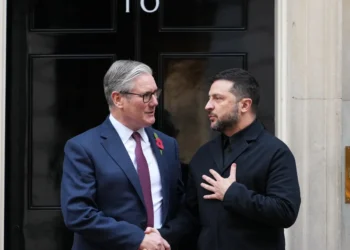 Iran War Warning: Starmer Backs Ukraine Visit
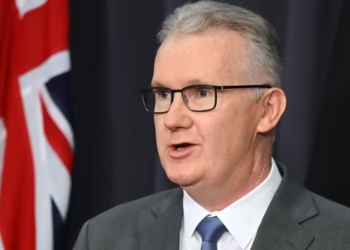 Australia Imposes Sudden Travel Ban on Iranian Visitors
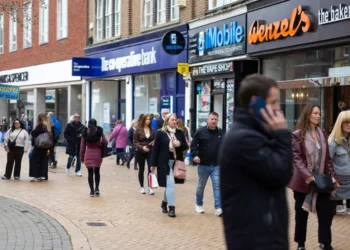 UK Forecast to See Biggest Growth Hit from Iran War
 The High Cost of Survival: How the 2026 Fiscal Outlook is Redefining British Life
Fuel Famine: How African Nations are Rationing Power and ‘Diluting’ Petrol to Survive
The High Cost of Survival: How the 2026 Fiscal Outlook is Redefining British Life
Fuel Famine: How African Nations are Rationing Power and ‘Diluting’ Petrol to Survive
 ‘Eye in the Sky’ Blinded: Photos Reveal Destroyed US Radar Jet at Saudi Base
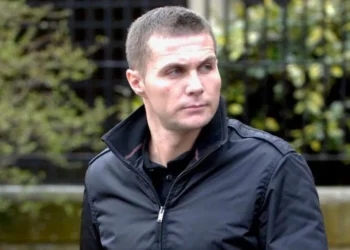 Net Closes on Lyons Clan: Partner Arrested in Dubai as Crime Boss Snared in Bali
 ‘Better Off Not Planting’: UK Farmers Face 36% Fertiliser Spike as Gulf Crisis Bites
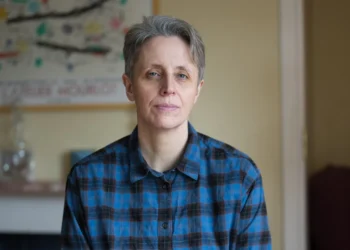 ‘The Final Word’: Kathleen Stock’s Polemic Against Assisted Dying Reshapes the UK Debate
 Trump Signals US Exit From Iran as Tehran Eyes Peace
 Open Justice Prevails as Court Rejects Bondi Gunman’s Family Anonymity Bid
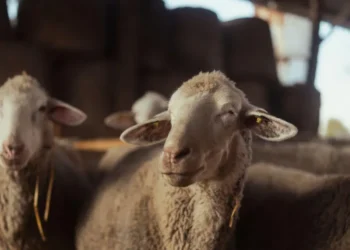 The Banbridge Rescue: 300 Sheep Saved from Massive Hay Shed Inferno
 Benefits and Pensions Rise as Two-Child Cap Ends
 Carmakers Face £3bn Gap in UK Loan Payout Scandal
 ‘The £100,000 Hammer’: War in Iran Forces UK Businesses to Absorb Historic Fuel Hikes
 “Three-Wheeled Triumph”: Mayor of Erewash Completes 2,000-Mile European Charity Run
 The “Charles Charm” Offensive: Did the Royals Find Their Mojo in D.C.?
 “An Endurance Test for the Mind”: British Couple Sentenced to 10 Years in Tehran
 “A Medicine Desert”: Why the Battle for Basic Prescriptions is About to Intensify
 Premier League drama defines crucial weekend
 “Lotus Blooms in the East”: BJP Scripts History with Landslide Victory in West Bengal
 “The Pivot to Pakistan”: Trump Pauses ‘Project Freedom’ in Hormuz Amid Iran Deal Hopes
 “The Strait Scramble”: Inside Trump’s ‘Project Freedom’ and the Hormuz Naval Escort
 “The Cost of Conviction”: Palestine Action Activists Found Guilty Over ‘Clinical’ Factory Damage
 “The Digital Frontier”: Scotland’s Papers Grapple with AI Harassment and ‘Mortgage Bottlenecks’
 “The Local Gavel”: Polls Open Across Hampshire and Isle of Wight in Delayed ‘Milestone’ Vote
 “The Blue Light Intersection”: Seventeen-Year-Old Critically Injured in ‘Nasty’ Police Pursuit Crash
 “The Peace Dividend”: Oil Prices Plunge and Global Stocks Surge on Reports of Iran Ceasefire Deal
 “The Fractured Frontier”: Sir John Curtice Declares the ‘Sacred’ Two-Party Era Over After ‘Milestone’ Results
 The Pathogen Protocol”: Third British National Monitored for ‘Nasty’ Suspected Hantavirus
 “The Reality Reckoning”: Government Demands Accountability as Channel 4 Pulls Married at First Sight UK Over Grave Sexual Assault Allegations
 “A Thorn in the Side”: Farage Faced with Fresh Financial Scrutiny as Corporate Accounts Challenge Reality TV Defense
 “A Historic Tumble”: Lost 1930s Film Reel Reveals the Untamed Origins of Gloucestershire’s Legendary Cheese-Rolling