Published: 19 April 2026.The English Chronicle Desk.The English Chronicle Online
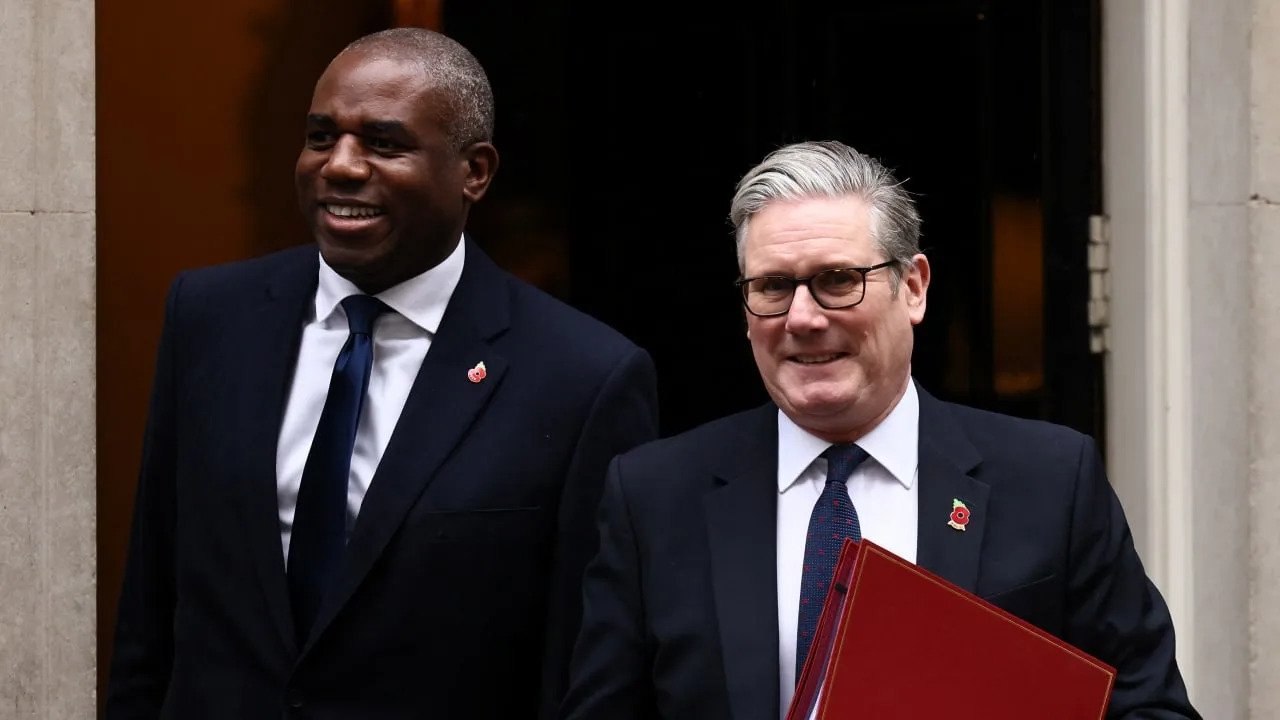
A major political row has intensified in Westminster after Deputy Prime Minister David Lammy said that Prime Minister Keir Starmer would have blocked the appointment of Peter Mandelson as UK ambassador to Washington had he known about a failure in security vetting.
Lammy’s intervention comes as the government faces mounting pressure over what critics describe as a serious breakdown in appointment oversight and communication between senior civil servants and ministers. The controversy has already triggered internal reviews, political accusations of concealment, and renewed scrutiny of the role of the Foreign Office in high-level diplomatic postings.
Speaking publicly for the first time on the issue, Lammy said it was “inexplicable” that senior officials had not informed Downing Street of the outcome of Mandelson’s vetting process. He argued that, given Starmer’s position and judgement, the appointment would never have proceeded had the full information been properly shared.

The Deputy Prime Minister said he was “shocked and surprised” when he first learned of the situation, stressing that neither he nor his advisers were aware of the details of the security clearance process at the time decisions were being made.
He also suggested that time pressures linked to international developments, including the return of Donald Trump to the White House, may have influenced the urgency of the appointment process. According to Lammy, there was a strong desire within government circles to ensure that a UK ambassador was in place in Washington as quickly as possible during a period of geopolitical transition.
However, he insisted that urgency could not justify procedural failures or lack of transparency. The central issue, he argued, was not speed but communication between the civil service and ministers.
At the centre of the controversy is former senior civil servant Oliver Robbins, who reportedly left Downing Street and the Foreign Office amid growing questions about his handling of the vetting outcome. Lammy described Robbins as an “outstanding” official but said the decision to keep ministers uninformed about critical security assessments was deeply concerning and “surprising”.
According to accounts emerging from Whitehall, the vetting decision concerning Mandelson was completed after the appointment had already been publicly announced. Despite this, concerns were reportedly raised internally about reputational risks linked to the Washington posting. Officials also conducted a separate due diligence process, which flagged potential issues, but it remains unclear how those warnings were ultimately weighed against political considerations.
Lammy rejected suggestions that ministers had deliberately ignored vetting procedures, insisting instead that no formal communication had ever reached him or his office regarding the detailed findings. He said that across his time in government, he had never been briefed on vetting decisions in such contexts, adding that he would have remembered any such disclosure.
The Foreign, Commonwealth and Development Office (FCDO) has now launched a formal review into how information regarding Mandelson’s appointment was handled and whether appropriate procedures were followed. Foreign Secretary Yvette Cooper has confirmed that she has ordered a full internal examination of the vetting process and has written to parliamentary oversight bodies to ensure transparency.
The political fallout has placed the government under significant pressure, with opposition parties demanding full disclosure of all documents related to the appointment. Liberal Democrat leader Ed Davey called for the publication of the initial due diligence report, arguing that public trust depends on transparency rather than procedural deflection.
Davey said ministers could not continue to “hide behind process” while refusing to release key documents that would clarify what was known and when. His comments reflect growing cross-party concern that essential safeguards in senior diplomatic appointments may not have been properly followed.
The controversy is particularly sensitive given the importance of the UK ambassadorial post in Washington, a role central to managing the so-called “special relationship” with the United States. Diplomatic observers have noted that any perception of instability or mismanagement in such appointments risks undermining confidence in the UK’s international standing at a critical geopolitical moment.
Within government, officials have defended the broader appointment system, insisting that vetting procedures remain robust and that this case represents a breakdown in communication rather than systemic failure. However, critics argue that even isolated failures at such a senior level raise serious questions about oversight mechanisms and accountability.
Lammy acknowledged that political timing had added pressure to the situation, particularly with global uncertainty and shifting international alliances. However, he maintained that such pressures should never override essential security checks.
He also warned that the political consequences of the controversy could extend beyond Westminster, with local elections expected to serve as a broader referendum on government performance. He suggested that the issue had added to existing voter concerns over the cost of living, public services, and international instability.
The Deputy Prime Minister said that while the Mandelson affair had become a focal point of media attention, many voters were more concerned with economic pressures, energy costs, and global conflicts affecting supply chains and prices.

Despite this, analysts believe the issue could become a defining political challenge for Starmer’s leadership in the short term, particularly if further details emerge from the ongoing review.
As the government prepares for parliamentary scrutiny, attention is now focused on what Downing Street knew, when it knew it, and why critical information did not reach the Prime Minister before a major diplomatic appointment was finalised.
For now, the controversy continues to widen, raising fundamental questions about the relationship between political leadership and the civil service, and whether established safeguards are sufficient to prevent similar failures in the future.
Related News:
 Richard Tice Faces £100k Tax Controversy
 Murder Probe Continues After Arrest Release
 Green Party Surges Past Labour in Latest UK Poll
 Trump’s UK Ambassador Urges North Sea Drilling to Strengthen US Ties
 French Taxi Driver Cleared in David Lammy Theft Case After Fare Dispute
 Millionaires group urge Reeves to introduce wealth tax to ‘lift kids out of poverty’
 Starmer Faces Growing Dissent as Labour MPs Weigh Leadership Challenge
 Reeves rejects £1bn plea for NHS redundancy payouts
 PM Condemns Leaks, Vows Loyalty to Ministers and Stability
 Major Rent Reform Ends No-Fault Evictions in England
 Peers Flood Assisted Dying Bill with 942 Amendments
 Most Tories Expect to Support a Farage-Led Government
 Starmer Says Labour’s Economic Plan Needs Years to Deliver
 Culture secretary to review Telegraph takeover by Daily Mail owner
 UK Government Borrowing Drops to £11.6bn in December
 Labour Blocks Burnham as Party Rift Deepens Ahead of Polls
 Andy Burnham and the Labour Rift Over Power and Leadership
 Huge mistake: Labour blocks Burnham from byelection bid
 Artificial intelligence will cost jobs, admits Liz Kendall
 Labour targets Greens on drugs in Gorton Denton byelection
 Greens nominate Hannah Spencer for Gorton and Denton byelection
 Mandelson Faces Police Inquiry Over Epstein Leak
 Starmer Condemns ‘Depraved’ Russian Strikes on Ukraine
 Labour Thinktank Row Deepens Over Journalist Probe Claims
 Morgan McSweeney downfall shocks Labour leadership
 Labour Lord Doyle Apologises Over Paedophile Ties in Political Storm
 Cabinet Secretary Shake-Up Triggers Due Diligence Warning
 Starmer Faces Inquiry Calls Over Thinktank Probe
 Royal Mail Delivery Crisis Deepens Amid Weather Chaos
 UK shelves £110m border project amid trade strain
 Farage Unveils Reform UK Frontbench Team
 California Democrats Vow Trump Reckoning
 Trump Tariffs Threat Spark UK and EU Alarm
 Wales Approves Assisted Dying Bill Consent
 UK EU Trade Reset Gains Public Backing
 Green Party Stuns Labour in Gorton and Denton Byelection
 Corbyn Leads Your Party in Coordinated Left-Flank Strategy
 Labour Together scandal sparks clean break vow
 Asylum Seekers to Work After Year-Long Wait
 Starmer Row as Greens Demand Apology
 Proposed Law Leaves Gap for Children of Convicted Paedophiles
 Gordon Brown urges court for crimes against children
 Starmer Praised for Stance on Trump and Iran Conflict
 Inquiry into HMRC child benefit errors launched by NAO
 NHS Plans to Cut Overseas Workers Labeled Overambitious
 Farage Faces Backlash Over Crypto Cameo Endorsements
 Army Probes Apache Flyover at Kid Rock’s Nashville Estate
 Relationship with Trump may be beyond repair, Starmer warned
 Unions Raise Concerns Over Doctors’ Pay Dispute
 UK Government Poised to Revive Stalled Hillsborough Law
 Kezia Dugdale Warns of Possible Reversal of Equal Rights Gains
 Starmer Faces Commons Test Over Mandelson Scandal
 Crackdown Backfires on UK Climate Protesters
 Starmer Survives Mandelson Rebellion
 US ‘Narco Boat’ Strikes Draw Global Outcry
 Labour Members Doubt Starmer Future as Burnham Leads Poll
 Reform UK Faces Crisis as Newly Elected Councillors Resign
 Farage Faces New Questions Over Private Helicopter Use
 NHS Drug Deal Faces Legal Threat Over US Trade Agreement
 Green Party Makerfield Candidate Resigns Over Posts
 UK Welfare: Focus on Jobs Over Benefit Cuts, Says JRF
 Secret Role of UK Security Services in Troubles Amnesty Law
 Starmer Leadership Under Pressure After Setbacks
 The Hidden Crisis Eroding Trust in British Communities
 Deepfake Abuse on X Sparks Safety Concerns for Dissidents
 Modernising the Military: Carns Demands Urgent Procurement Reform
 UK Ministers Lobby Trump Over Under-16s Social Media Ban
 Starmer Resolves to Fight Burnham in Leadership Battle
 Starmer Resigns as Prime Minister Amid Internal Pressure
 MP Warning: Northern Rail Risks Repeating HS2 Failures
 Hollie Ridley to Step Down as Labour General Secretary
 New South Wales Premier Chris Minns Signals Tough Road Ahead for Labor
 Jarvis Urges Burnham to Secure 3.5% Defence Spending
 Farage Warns Sky News Following Financial Inquiry
 Reform UK Finances Face Deep NCA Probe
 Ann Widdecombe, Formidable Political Figure, Dies at 78
 Treasury Reform Urged After Tragic Loss
 Sadiq Khan Backs Call for Maximum UK Work Heat Limit
 Westminster Council Threatens Charing Cross Soup Kitchen
 BBC Warned About Missing Clothes of Murder Victim