Published: 05 December 2025
The English Chronicle Desk
The English Chronicle Online
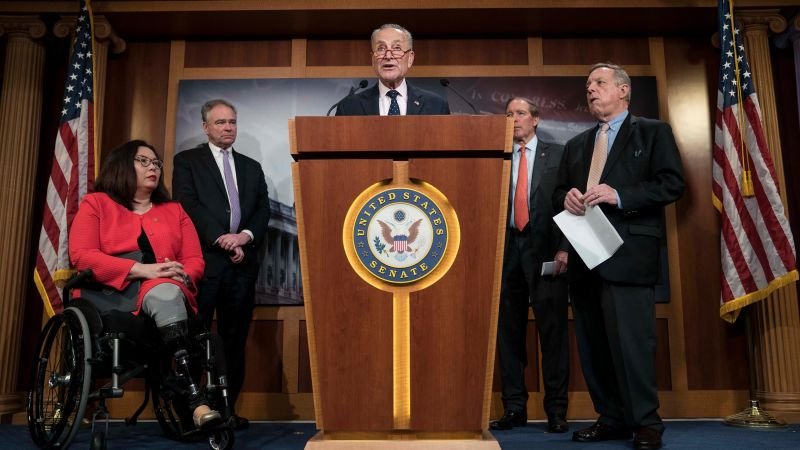
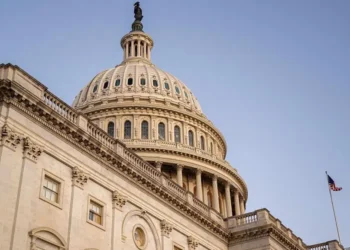
The US House of Representatives has passed a measure aimed at limiting President Donald Trump’s ability to continue military operations against Iran without congressional approval, marking a significant bipartisan challenge to the White House’s handling of the conflict.
The resolution passed by a narrow 215-208 vote, with four Republican lawmakers joining Democrats in support. The measure seeks to require President Trump to withdraw US forces from the conflict or obtain formal authorization from Congress to continue military action.
Although largely symbolic and facing uncertain legal standing, the vote represents growing political pressure on the administration as fuel prices continue to rise and public opposition to the war intensifies.
The House vote marks the fourth attempt by lawmakers to rein in Trump’s war powers. A similar resolution advanced through the Senate in May but has yet to receive a full floor vote.
As a concurrent resolution, the measure would not require presidential approval if passed by the Senate. However, legal challenges could arise regarding its constitutional authority. The White House has already dismissed the effort, arguing that it infringes upon presidential powers as commander-in-chief.
The vote also highlights increasing divisions within the Republican Party. The development comes shortly after conservative lawmakers forced the administration to abandon plans for a proposed $1.8 billion “anti-weaponization” fund intended to support political allies.
Republican Representatives Thomas Massie, Brian Fitzpatrick, Tom Barrett, and Warren Davidson joined Democrats in backing the resolution. Democratic Representative Jared Golden of Maine, who had opposed previous efforts, also voted in favor this time.
“Congress alone declares war, that’s something certainly we need to be protective of,” Barrett said following the vote. When asked whether he feared retaliation from Trump, he responded that he was prepared to stand by his decision and vote according to his conscience.
Representative Gregory Meeks, the leading Democrat on the House Foreign Affairs Committee and a co-sponsor of the measure, described the outcome as a significant bipartisan rejection of what he called an “illegal and costly war.”
Meeks argued that the conflict had failed to achieve its objectives while contributing to higher energy prices and making diplomatic efforts regarding Iran’s nuclear programme more difficult.
“The passage of this measure today signals a significant turning point,” Meeks said. “More and more Republicans are listening to their constituents who do not want another open-ended war in the Middle East.”
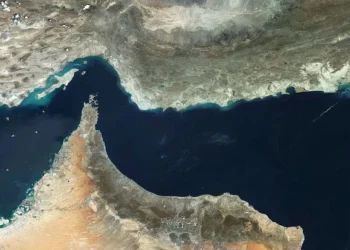
The conflict began on 28 February when the United States and Israel launched coordinated strikes against Iran. Tehran responded with attacks on Israel and US-aligned Gulf states and effectively closed the Strait of Hormuz, one of the world’s most important shipping routes.
In April, Washington announced a blockade on vessels travelling to and from Iran’s coastline. While the US and Iran reached an initial ceasefire agreement on 8 April, hostilities have continued intermittently.
Recent US strikes inside Iran prompted retaliatory attacks by Tehran against Kuwait, a key American ally in the Gulf region. Despite ongoing military exchanges, President Trump said negotiations were progressing positively and suggested a final agreement could be reached soon.
“We hit them pretty hard the night before, and actually last night,” Trump told reporters at the White House, referring to recent strikes. He added that both sides appeared close to reaching an agreement that could bring the conflict to an end.
According to the president, members of his administration remain hopeful that diplomacy can prevail and that a deal can be secured “without killing everybody.”
The House vote is likely to intensify debate in Washington over the balance of war powers between Congress and the presidency while increasing pressure on the administration to pursue a diplomatic resolution to the conflict.
Check Out Our Latest News At
Related News:
 The $100 Billion Peace: Trump’s ‘Grand Bargain’ Ends Iran Conflict at a Staggering Cost
 ‘A Double-Sided Ceasefire’: Inside the 14-Day Truce Between the US and Iran
 The Prediction Prohibition: White House Staff Barred from Betting on Political Markets
 The Vance Verdict: How the Vice President Navigated the Islamabad “Pressure Cooker”
 The Blockade Gambit: Trump’s High-Stakes Threat Leaves Middle East Predicaments Unchanged
 The Liberal Gamble: Carney’s Majority Quest Hits the ‘Poilievre Wall’
 The Atlantic Rift: Starmer Pledges UK Neutrality in Iran Port Blockade
 ‘I Get it in Writing’: Trump Extends Iran Ceasefire Amid Frantic Islamabad Push
 Return of the “Skiffs”: Threat Level Raised as Somali Pirates Seize Second Vessel in a Week
 Trump Administration Dismisses 17 Immigration Judges, Sparking Debate Over Judicial Independence
 Modi’s London Visit Seals Historic UK-India Trade Pact Amid Global Tensions
 Jailed Georgian Opposition Leaders Warn UK of Iranian Links to Ruling Party
 Lucy Powell urged ministers to reconsider costly legal case for Labour donor’s firm
 Johnson Approved China’s London ‘Super-Embassy’ in 2018
 Trump Urges Herzog to Grant Netanyahu Full Pardon
 US Justice Department Files Lawsuit Against California Over Partisan Voting Maps
 Trump Deploys DHS to Charlotte in Major Arrest Operation
 Canada Passes Carney’s First Budget in Tight Parliamentary Vote
 India’s Labour Law Overhaul Sparks Fierce Debate
 Chinese & Japanese Boats Clash Near Disputed Islands
 Nine Arrested in France Over Death of Far‑Right Student
 How Much Could Andrew’s Arrest Hurt the Royal Family?
 Live Nation Sees Strong Ticket Sales as Monopoly Lawsuit Looms
 ‘We’re Still on Edge’: Toy Firms Look to US Supreme Court as Tariffs Hit Profits
 US Senate Vote Fails to Rein in Trump War Powers on Iran
 Gulf Oil Shock Sends Global Economic Ripples
 Iran Rejects Ceasefire, Warns Trump With Chilling Message
 US Says 16 Iranian Mine Ships Destroyed in Hormuz
 Queensland Protest Laws Spark Free Speech Backlash
 China Approves ‘Ethnic Unity’ Law Requiring Minorities to Learn Mandarin
 Belarus Leader Gifts Rifle to Kim Jong Un
 Zelensky Looks to Gulf to Protect Him from Putin
 Israel Enacts Death Penalty Law for Palestinians Following 12-Hour Debate
 Report Says Pezzullo Acted ‘Recklessly’ in Dealings
 Oil and Diplomacy: Russian Refineries Burn as Zelenskyy Secures Middle East Shield
 “A Perfect Storm”: UK Small Businesses Face Doubling Energy Bills as Iran War Rattles Markets
 National Icon in Custody: Ben Roberts-Smith Arrested Over Alleged War Crimes in Afghanistan
 The Great Chokehold: Why the Strait of Hormuz is the Epicenter of the 2026 Crisis
 Global Commerce Crisis: Cooper Demands Immediate, Toll-Free Access to Hormuz
 California fireworks blast: murder charges filed in case
 Relief at the Pump: Irish PM Unveils €505m Package to Stem Fuel Crisis
 The Frozen Frontier: Why Frostbite is the Least of Concerns for Canada’s Arctic Forces
 Diplomatic Deadlock: Lebanon Enters High-Stakes Border Talks with ‘No Cards to Play’
 The Masked Frontier: Allegations of Greek Police Using Proxies for ‘Seismic’ Border Pushbacks
 Trump Slams UK Ties and Threatens To Rewrite Trade Deal
 The Fog of War and the Ticker Tape: Suspicious Trades Rile Washington
 High-Seas Seizure: US Navy Intercepts Iranian Cargo Ship in Gulf of Oman
 ‘Table of Surrender’: Tehran Vows ‘New Cards’ as Islamabad Peace Talks Teeter on Brink
 Brinkmanship in Islamabad: Tehran Vows ‘New Battlefield Cards’ as Ceasefire Wanes
 ‘The End of the Quiet Era’: Japan Relaxes Arms Export Rules in Historic Pivot From Pacifism
 ‘Diplomatic Turbulence’: Taiwan President Cancels Landmark Africa Tour Amid Airspace Lockout
 Resilience and Rupture: Why the Middle East Crisis is Succeeding Where Trade Wars Failed
 “War Crime”: Lebanon Condemns Death of Journalist in Targeted Strike
 Judicial Whiplash: Virginia Court Pauses Redistricting 24 Hours After Public Vote
 Red Lines in Ottawa: PM Carney Insists US “Won’t Dictate Terms” of Trade Review
 Border Breakthrough: UK and France Finalize New £662m Small Boats Deal
 “Industrial-Scale Extraction”: White House Memo Accuses China of Mass AI Theft
 “I Speak for the UK”: Trump Bristles at Prince Harry’s Ukraine Plea
 The £36 Billion Reckoning: BHP Faces Quantum Trial After High Court Liability Landmark
 Southeast Asia Turns to Russia Amid Energy Crisis
 Ukraine Urges UK to Seize Russian Oil Tankers
 US Calls Australia Media Law “Foreign Extortion”
 Capitalism ‘Suicidal’, Warns Petro at Climate Summit
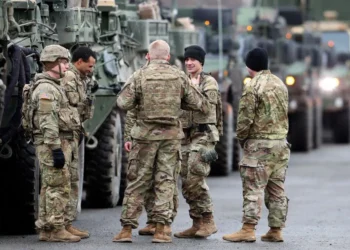 “The Art of the Withdrawal”: Trump Targets Germany Troops as Iran Row Boils Over
 “Grounded”: Beijing Implements Total Ban on Drone Sales Citing Capital Security
 US Court Ruling Reshapes Voting Rights Landscape
 Cartel crackdown raises fears of fresh violence
 US states redraw maps after voting rights ruling
 The $126 Spike: Oil Hits Four-Year High as Trump Weighs “Powerful” New Iran Strikes
 Trump Threatens UN Budget Cuts as US Pushes ‘Trade Over Aid’ Agenda
 Trump warns Iran as Middle East tensions surge again
 US Court Restores Abortion Pill Access Temporarily
 “The Cost of Conviction”: Palestine Action Activists Found Guilty Over ‘Clinical’ Factory Damage
 Norway Doubles Down on Oil and Gas for Europe Energy Security
 US Awaits Iran Reply on New Ceasefire Proposal
 “The Eagle’s Catch”: Fugitive Former Power Minister Saleh Mamman Apprehended in Pre-Dawn Raid
 Hormuz Talks Near Critical Stage
 UK Pushes for New EU Goods Trade Deal
 Former ICC prosecutor condemns US sanctions
 Gunman Killed After White House Security Shootout