Published: 06 May 2026. The English Chronicle Desk. The English Chronicle Online.
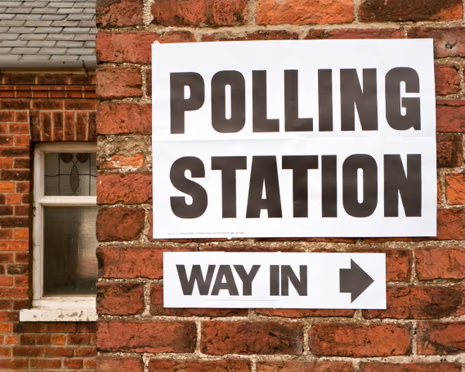
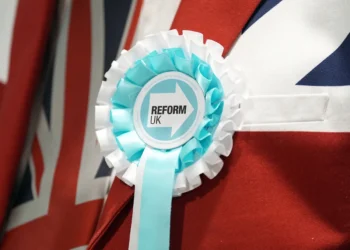
The upcoming elections scheduled for Thursday represent a monumental moment for Britain. Over thirty million citizens across England, Scotland, and Wales will cast ballots. These contests arrive exactly two years into the current Labour administration’s term. Prime Minister Keir Starmer faces what many experts call an existential leadership crisis. The sheer scale of the voting process covers several distinct government layers. Voters will decide on devolved administrations and six major mayoral positions today. More than four thousand five hundred local council seats are also contested. Recent polling data suggests a very difficult evening ahead for the government. Labour currently defends the majority of the councils up for election now. Analysts predict the party could lose over one thousand eight hundred seats. Such a result would represent three-quarters of their currently held positions. The Conservative Party also braces for significant losses across its traditional heartlands. Meanwhile, smaller parties sense a rare opportunity to seize meaningful local power. Nigel Farage and Zack Polanski hope to convert popularity into electoral gains. Reform UK and the Greens aim to disrupt the traditional two-party system.
Scotland presents a complex political landscape for all the competing parties involved. The Scottish National Party appears set for a fifth term in government. However, the internal makeup of the Holyrood chamber remains very hard to predict. Reform UK has gained massive momentum across Scotland over the last year. They are currently battling Scottish Labour for the second-place spot in polls. Public dissatisfaction with the UK central government has hurt Anas Sarwar’s ratings. Sarwar recently took the bold step of asking Starmer to resign. Many constituency seats remain in the balance due to high undecided numbers. Turnout is expected to be low, which adds more local unpredictability. The SNP is not guaranteed an outright majority in the final count. They may need support from the Scottish Greens to form a government. John Swinney has pledged to seek powers for a new independence referendum. This promise comes despite the UK government repeatedly refusing such requests before. The constitutional debate continues to dominate the political conversation north of the border.
Wales is undergoing a historic shift in its own legislative election process. The Senedd will expand from sixty members to ninety-six this week. A new proportional voting system will be used for the first time. Labour is expected to lose control for the first time since 1999. Plaid Cymru leader Rhun ap Iorwerth is the favorite for First Minister. This shift would place Welsh independence at the very top of agendas. Reform UK is unlikely to form a government due to coalition math. Plaid Cymru prefers a minority government over a formal Labour coalition deal. Some polls shockingly place Labour in fourth place behind the Green Party. Current First Minister Eluned Morgan might even lose her own regional seat. The new list system features incredibly slim margins for the final seats. Pollsters suggest a tiny fraction of votes could decide the last winners. This level of mathematical uncertainty has left all major candidates feeling nervous. Wales could see its most radical political realignment in over twenty years.

The North-east of England serves as a primary battleground for Reform UK. Sunderland is the most symbolic target for Nigel Farage’s insurgent political party. Labour has controlled Sunderland continuously since the council was formed in 1974. Reform believes they can win here after taking Durham last year. Challenges are also expected in South Tyneside and the Gateshead council area. Hartlepool is another key council where Labour might lose its thin majority. There is even a small chance Reform could take Newcastle City Council. In Yorkshire, the party is targeting long-held Labour strongholds like Barnsley. Wakefield is another area where the political mood has shifted significantly lately. The Green Party is also making deep inroads into major northern cities. Leeds city council may see its Labour vote split several different ways. Diverse areas like Harehills are seeing a surge in local Green support. Affluent progressive voters in Roundhay are also moving toward the Green platform. Reform is simultaneously gaining ground in the eastern parts of the city.
In North-west England, Manchester remains a relatively safe haven for the Labour Party. However, even here the Greens are mounting a very serious local challenge. Mayor Andy Burnham might use any vote drop to criticize Starmer’s leadership. Labour prepares for a very difficult night across the wider region tonight. Reform UK hopes to capture Tameside council in the Greater Manchester area. Even in loyal Merseyside, Reform is targeting seats in Sefton and Helens. Independent candidates are also posing a major threat in areas like Blackburn. Many Muslim communities feel disillusioned with recent Labour Party policy decisions lately. This shift toward independents could strip Labour of several safe council seats. The traditional red wall continues to show signs of deep political fragmentation. Voters seem to be looking for alternatives to the two main parties. This trend makes the final seat count in the North-west unpredictable.
The East of England looks set to be a disaster for Conservatives. Many county councils are expected to flip away from the Tory party. These areas last saw Conservative gains during the 2021 vaccine rollout period. Reform UK expects to make significant gains across Essex and Suffolk. They are also targeting Norfolk, which has been Tory since its inception. Losing Essex would be a personal blow for leader Kemi Badenoch. Her own constituency of Saffron Walden is located within that county’s borders. Meanwhile, Rupert Lowe’s Restore UK party is competing in nine Norfolk seats. His presence might split the right-wing vote and hurt Reform’s overall chances. In the south-east, Hastings is a city to watch very closely tonight. It could become the only council outside London under Green Party control. The Liberal Democrats are also hoping for a resurgence in the south. They are focusing on taking the new unitary councils in Surrey. Success there would signal a revival of the famous yellow wall.
The Midlands features a high-stakes battle for control of Birmingham City Council. A long-running dispute over waste collection has severely damaged Labour’s local standing. The council is likely to fall into a state of no control. This would mean no single party holds a majority of the seats. Labour is losing ground to independents, Reform, and the Green Party here. The most likely outcome is a messy coalition between several different groups. Reform UK currently holds double-digit leads in several West Midlands council polls. They are targeting Cannock Chase, Dudley, and the town of Walsall specifically. Other targets include Newcastle-under-Lyme, Nuneaton, Redditch, and the Tamworth council area. These areas were once the heart of the industrial English working class. The swing toward Reform suggests a major change in voter identity there. Conservative candidates are also fighting to keep their remaining seats in Birmingham.
London has traditionally been a stronghold where Labour dominates every single election. However, the Green Party is now mounting a serious challenge in Hackney. They are even expected to take the Hackney mayoralty in this cycle. Other gains are possible for the Greens in Lambeth and Lewisham. Waltham Forest is also seeing a rise in support for environmental candidates. Independent candidates have built a significant presence in Newham and Redbridge recently. Labour hopes to retain councils like Westminster, Barnet, and Wandsworth tonight. These were former Tory strongholds that flipped to Labour in previous years. The Conservatives are campaigning hard to win those specific flagship councils back. Nigel Farage is targeting six different councils in the London outskirts too. Havering and Barking are primary targets for the Reform UK campaign team. One bright spot for Labour might be the mayoralty in Croydon. Party officials hope this will be one of their few gains.
Southern England will reveal the true strength of the Liberal Democrat party. They are focusing on dominating the affluent home counties surrounding London today. Their biggest goal is taking control of East and West Surrey. These new unitary authorities represent a major test of their local infrastructure. The party expects to hold off Conservative challenges in Cheltenham and Eastleigh. Winchester is another key area where the Liberal Democrats remain very strong. Any Tory revival in these areas would be a surprise for many. Kemi Badenoch needs a strong showing here to secure her party leadership. The results will dictate the national narrative for the next two years. Voters are clearly expressing a desire for change across the entire country. Every party has everything to play for in this historic election week. The final results will shape the future of the United Kingdom.
Related News:
 Scottish Government Mandates Single-Sex Toilets and Changing Facilities in Schools
 Reeves Faces Setback as Labour May Miss Homes Target
 Kate Winslet to Narrate Film Highlighting King’s Environmental Mission
 Trump’s UK Ambassador Urges North Sea Drilling to Strengthen US Ties
 UK Bans Fake Numbers: Scammers Lose Their Trick
 Vibe coding’ named Collins dictionary’s word of the year
BBC to Apologise Over Edited Trump Speech Amid Backlash
Vibe coding’ named Collins dictionary’s word of the year
BBC to Apologise Over Edited Trump Speech Amid Backlash
 Millionaires group urge Reeves to introduce wealth tax to ‘lift kids out of poverty’
 Reeves rejects £1bn plea for NHS redundancy payouts
 PM Condemns Leaks, Vows Loyalty to Ministers and Stability
 Phillipson Accused of Appeasing Unions by Diluting EBacc
 Saka Solidifies Role as Tuchel’s Key England Lieutenant
 Greene Pushes Epstein Files Amid Trump Fallout
 Zelenskyy Signs Fighter Jet Deal Amid Russian Drone Attacks
 Sundar Pichai Cautions on AI Hype and Market Risks
 Shadow Fleet at Sea: Europe’s Battle Against Illicit Oil Shipping
 Snow and Ice Cause Travel Chaos in North Yorkshire
 Director Michael Caton-Jones Reflects on Career and Beginnings
 Inside the Helpline Protecting Missing Children in the UK
 PlayStation PS5 Deals Hit Lowest Prices Ahead of Black Friday
 US Suspends Afghan Immigration After White House Shooting
 Five-Year-Old Dies After Rare Tonsil Surgery Complication
 Starmer Says Labour’s Economic Plan Needs Years to Deliver
 ‘Extinct’ Antelope Returns to Sahara, Bringing Hope
 IndiGo Cancels Hundreds of Flights Amid Pilot Shortages
 Young Britons Face Heaviest Burden from Ageing Population, Lords Warn
 U‑Turn on Farmers’ Inheritance Tax Sparks Political Firestorm
 Aston Villa Remain Arsenal’s Key Obstacle in Title Pursuit
 Irish Beach Tragedy: Irish Drown at Whitehaven Beach in Australia
 The Kill Line: A Shifting Vision of the American Dream
 Inquiry into HMRC child benefit errors launched by NAO
 Family of Alleged Bondi Gunman Seeks Name Suppression
 Rising Costs Force Families to Rethink Days Out
 Air Canada CEO Faces Outcry Over Recent Language Misstep
 Extreme Weather: Europe Shivers as Cyclone Narelle Hits
 Scott Mills Sacked by BBC Over Personal Conduct Claims
 Palantir Boss Defends NHS Deal Amid Government Break Clause
 Asia Turns Back to Coal Amid Middle East Energy Crisis
 Relationship with Trump may be beyond repair, Starmer warned
 Trump’s Six-Week Iranian War: The High Cost of Ignorance
 US and Iran Agree to Two-Week Provisional Ceasefire
 Battle of Britain Tower to House Tourists and Bats
 The Challenger: Will Péter Magyar End the Orbán Era?
 UK Government Poised to Revive Stalled Hillsborough Law
 Democrats Move to Impeach Defense Secretary Pete Hegseth
 Security Alert Near Israeli Embassy as Police Investigate
 Ben Roberts-Smith Denies War Crime Allegations in First Statement
 Home Office Faces Legal Risks Over Asylum Hotel Living
 US-Iran Standoff: Will Trump Deploy Ground Troops?
 Crisis in NHS Surgery Scheduling Hits Patients Hard
 Investigation Into Anti-Trump Motives After Gala Shooting
 Dubai Assets Linked to Sudan’s RSF Militia Exposed
 Blue Badge Abuse: The Rising Tide of Public Hostility
 Tragedy Strikes at Parafield Airport
 Scott Parker Leaves Burnley After Premier League Drop
 Silent Tracks: Rail Line Without Passengers
 Arteta urges Arsenal to step up in Atlético semi-final
 RFU Backs Borthwick Despite England’s Poor Six Nations
 Met Officers Probed Over Al Fayed Abuse Allegations
 One Nation Candidate’s Surprising Ties to Independents
 Aramco Surges as East-West Pipeline Counters Gulf Tensions
 Reform UK Faces Crisis as Newly Elected Councillors Resign
 Starmer Strikes Back as 100 MPs Sign Support Pledge
 Scepticism and tight security as Beijing braces for Trump
 Tensions Flare as Israeli Nationalists March in Jerusalem
 UK Firms Freeze Spending as Iran Conflict Bites
 UK Job Market Squeezed as Iran War Drives Jobless Rate to 5%
 Reeves to Fast-Track Clean Energy Amid Iran Crisis
 The Battle for Wembley Sparking Unprecedented Legal Warfare
 Tony Abbott Returns as New Liberal Party President
 Pope Meets Families in Italy Toxic Waste Zone
 Royal Ascot Allegation Sparks Wider Police Inquiry
 Secret Role of UK Security Services in Troubles Amnesty Law
 Tube Strike Brings Capital to a Standstill Over Shift Disputes
 Teaching Machines Right From Wrong in the Digital Age
 Is Ollie Robinson the Chaos English Cricket Needs Today?
 The Hidden Crisis Eroding Trust in British Communities
 Saving the Scalloped Hammerhead: The Pacific Battle
 Stolen Mobiles Could Soon Become Useless Bricks
 Clean Air Initiatives Spark Major Fall in London Hospital Admissions