Published: 6 May 2026. The English Chronicle Desk. The English Chronicle Online
In a “divergent” and moving shift for school outreach, several Premier League stars have traded the “160 MPH clip” of the pitch for the “sacred” quiet of the classroom. The initiative, part of the “Poetry for the Pitch” project, sees professional footballers using spoken word and creative writing to help students open up about their mental health and bypass the “resilience deficit” often found in traditional counseling.

The project has been hailed as a “milestone” in student engagement, specifically targeting young men who may feel a “bottleneck” of emotion and struggle to articulate their feelings without the “human-machine coordination” of sport as a metaphor.
The core of the workshops involves footballers sharing their own “asymmetric” struggles with injury, rejection, and the “national security emergency” of high-stakes performance.
The “Slide-Tackle” Poem: Players like Luton Town’s designated ambassadors have helped students write about when their “pride is slide-tackled” or their “dreams are red-carded.”
Bypassing the “Stigma”: By seeing their idols break the “clinical silence” of the dressing room, students are finding a “golden tone” of confidence to discuss their own anxieties.
The “Hormuz” of the Mind: “Grief and pressure are like a bottleneck in the mind,” one player noted. “Poetry is the release valve that lets the pressure out before it causes an ‘accountability rot’ in your life.”
The initiative, supported by the National Literacy Trust, is not just about mental health but about tackling the “resilience deficit” in reading and writing among young athletes.
The “Club Author” Days: Following the “milestone” success of Fulham FC’s youth-led poetry projects, more clubs are adopting “poets-in-residence” to facilitate these “clinical” but heart-centered sessions.
The “160 MPH” Engagement: Teachers have reported that students who previously showed “speechless determination” in avoiding English lessons are now engaging at a “160 MPH clip” when the subject matter is the “Beautiful Game.”
The “Postcode Lottery” of Hope: The project specifically targets schools in areas facing a “medication desert” of mental health resources, providing a “divergent” path for students to find their voice.
One of the most popular tools in the workshops is the poem “Substitute Me,” which explores the feelings of “failure” and “resilience” when being benched.
The “Accountability” Lesson: Students are encouraged to write about their “substitute self”—the person waiting on the sidelines of their life to help them “bounce back” after a “nasty and mischievous” setback.
The “Sacred” Safe Space: The classroom is “recalibrated” into a space where “justice has no expiry date” and every student’s story is a “golden tone” worth hearing.

As the RHS Wisley wisteria reaches its peak and the Southbank Centre celebrates 75 years of progress, the sight of a professional athlete reading a sonnet in a school hall represents a “clinical” win for empathy.
“We thought we were teaching them to write; they ended up teaching us how to feel,” one club ambassador concluded. With the King’s Speech on May 13 expected to reference “Innovative Approaches to Youth Wellbeing,” the “Footballer-Poet” model is the “milestone” that proves the “beautiful game” is most beautiful when it breaks the “clinical silence” of a struggling child.
Related News:
 England’s Euro Odyssey: A Tale of Grit, Glory and the Lionesses’ Miraculous March to the Final
 Raducanu’s Resurgence and Venus’s Record-Breaking Feat Highlight Washington Showdowns
 Tottenham Takes On Newcastle
 Manchester City Announce Their Return in Style with Haaland Double and Debut Goals at Wolves
 FIFA Eyes Biennial Club World Cup from 2029, Plans Possible Expansion
 Brazil Dominate Chile 3-0 to Secure Second Place in World Cup Qualifiers
 Serbia Humiliated 0-5 by England in World Cup Qualifier
 Haaland Hits Five as Norway Crush Moldova 11-1 in World Cup Qualifier
 Gabriel Martinelli’s Spark Ignites Arsenal’s Champions League Campaign with Victory at Athletic Bilbao
 Dembélé and Bonmatí Shine as Ballon d’Or Winners in Glittering Paris Ceremony
 Hannah Hampton Makes History as First Winner of Women’s Yashin Trophy at Ballon d’Or Awards
 Liverpool Vs outhampton Set for Carabao Cup Clash at Anfield
 Dramatic Derby: Sorloth Strikes as Atletico and Real Madrid Share the Spoils
 ICC Women’s World Cup 2025: India to Host as Pakistan Fixtures Moved to Neutral Venues
 Bournemouth Stun Fulham with Dramatic Comeback in Premier League Thriller
 Chaos at Ibrox as Martin’s Rangers Era Comes to an End
 Arsenal Showcase Depth and Flexibility as Arteta Eyes Title Challenge
 UK Universities Warn Students Ahead of 7 October Pro-Palestine Protests
 Ferguson Fires Scotland to Dramatic Comeback Win Over Greece
 Ruben Neves Strikes Late as Portugal Beat Ireland
 Tuchel Criticises ‘Silent Wembley’ After England Win
 Kane’s Double Seals England’s World Cup Qualification
 Barnes Inspires Newcastle to Champions League Triumph Over Benfica
City shine with PlayStation-style football to overwhelm Villarreal
Barnes Inspires Newcastle to Champions League Triumph Over Benfica
City shine with PlayStation-style football to overwhelm Villarreal
 Fabio Wardley stuns Joseph Parker to earn Usyk title shot
 Posthumous books are messy and fraught – but Virginia Giuffre’s gives her a voice
 UK University Suspends Human Rights Research Following Pressure from China
 UK University Faces Counter-Terror Probe Over China Pressure
 Top Christmas Books Reads: Classics to Cozy Romcoms
China-critical UK academics face ‘extremely heavy’ pressure from Beijing
Top Christmas Books Reads: Classics to Cozy Romcoms
China-critical UK academics face ‘extremely heavy’ pressure from Beijing
 Tension and Turmoil at Aston Villa v Maccabi Match
 Lando Norris Dominates Brazil GP to Strengthen F1 Title Bid
 Ronaldo Confirms Final World Cup and Plans Retirement
 Algeria Pardons French-Algerian Novelist Sansal After Year in Jail
 England Maintain Perfect World Cup Qualifying Record with Win Over Serbia
 Nigerian Education Reversal: Mother-Tongue Teaching Scrapped
 Irish Hero Parrott Says Goal Brought First Tears in Years
 Scotland Fans Reflect on France ’98 as World Cup Looms
 Nigeria Misses World Cup Again After Play-Off Loss
 Tiny Curacao Makes History as Smallest Nation to Reach World Cup
 Haiti Qualifies for World Cup Despite Coach Never Visiting Country
 Scotland Fans Celebrate Historic World Cup Qualification
 Barcelona Returns to Camp Nou vs Athletic Bilbao
 Mbappe Scores 4 as Real Madrid Edge Olympiakos
 Man City Lose, Champions League Risk
 Trump to attend 2026 FIFA World Cup draw in Washington
 Egypt and Iran urge Fifa to block Pride event at 2026 World Cup
 Austrian Climber Found Guilty After Girlfriend Froze to Death on Mountain
 Larry Summers Resigns From Harvard Amid Epstein Files
 Hilary Knight speaks out on Trump’s recent hockey remarks
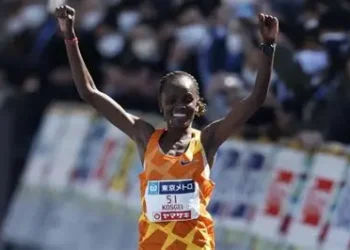 Kosgei Wins Tokyo Marathon in Record Time
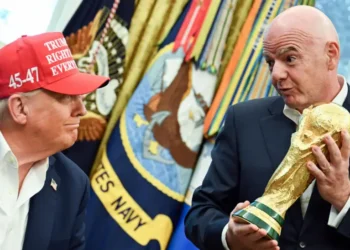 Iran, the US, and a World Cup That Starts in Three Months
 Australian GP Confident Amid Travel Disruption
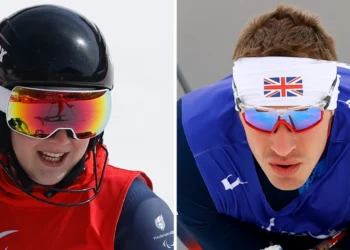 Ski Duo Named GB’s Winter Paralympics Flagbearers
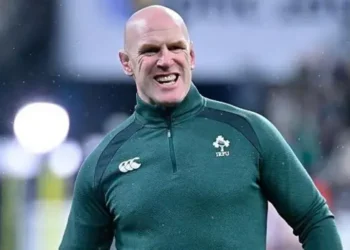 Ireland Wary but Focused Before Wales Challenge
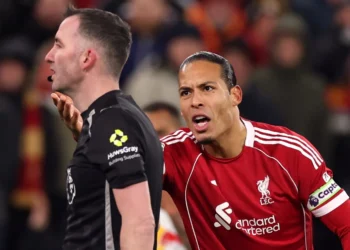 The Beautiful Game Is Broken. This Is Our Plan to Fix It
 Watershed Moment as Russia’s Sporting Exile Ends
 Alonso Fears ‘Permanent Nerve Damage’ From Aston Martin’s Disastrous Car
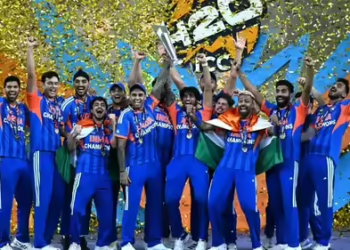 India T20 World Cup Triumph Seals Historic Title Defence
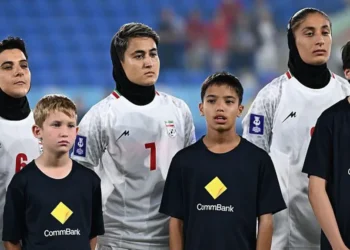 Australia Urged to Shield Iranian Team After Anthem Protest
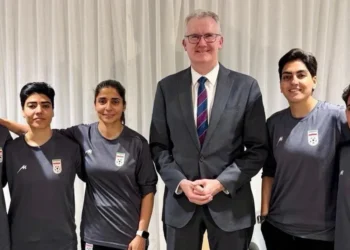 Iranian Players Get Australian Visas After Anthem Protest
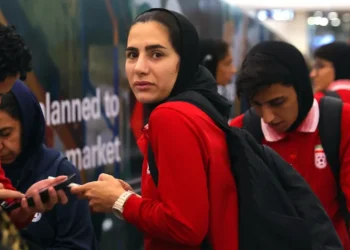 Iranian Footballers Escape Team Hotel to Seek Asylum
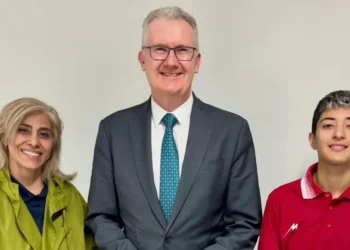 Iran Women Footballers Seek Asylum After Anthem Protest
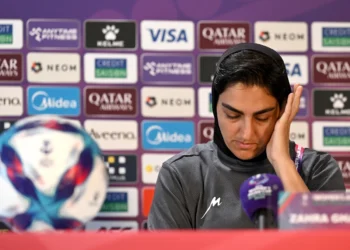 Iranian Captain Departs Australia Amid Asylum Tension
 Iran World Cup Move Talks Raise Global Concerns
 Peretz Targets FA Cup Upset Amid War Concerns
 Bangladesh Launches Emergency Vaccine Drive After 100 Child Deaths
 ‘Safe Haven’: Iranian Footballers Rebuild Lives in Australia Following Asylum Bid
 Canadian astronaut French words ease language row
 ‘Words Are Not Enough’: Quinton Byfield Urges Concrete Action as Hockey Faces New Racism Row
 Black Forest Tragedy Remembered 90 Years On
 Beyond the Swoosh: Anta Sports Overtakes Rivals to Become Global Top Three
 “Three-Wheeled Triumph”: Mayor of Erewash Completes 2,000-Mile European Charity Run
 Irvine Slams Trump Fifa Peace Prize
 “The Human Limit Shattered”: Sabastian Sawe Returns to Hero’s Welcome After Historic Sub-Two-Hour Marathon
 $13bn World Cup Set to Break All Revenue Records
 Premier League drama defines crucial weekend
 Infantino’s Grip Tightens as FIFA Eyes a $14bn Future in Vancouver
 RFU Backs Borthwick Despite England’s Poor Six Nations
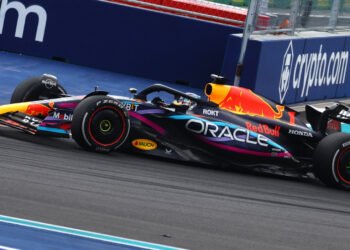 Miami Upgrades Shake Up F1 Title Fight