Published: 27 January 2026. The English Chronicle Desk. The English Chronicle Online.
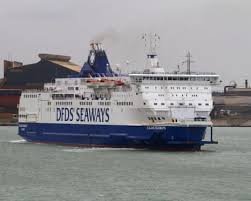
A long-discussed Scotland France ferry link may soon return, reconnecting Scotland directly with mainland Europe after years of absence. The proposal has gathered momentum as Dunkirk, the historic French port city, advances an ambitious regeneration programme valued at around £35 billion. Industry leaders believe the transformation could support new maritime routes while reshaping regional trade and travel patterns across the North Sea and Channel corridors.
Within the first months of 2026, officials on both sides of the Channel have renewed talks about restarting a direct sailing between Rosyth in Fife and Dunkirk. Supporters argue that the Scotland France ferry would address post-Brexit logistics challenges while offering passengers an alternative to long road journeys south. The route would also symbolise a wider industrial revival centred on sustainability and modern manufacturing.
Dunkirk’s redevelopment plan has been carefully presented as a response to decades of industrial decline. Once dominated by coal, steel, and heavy refining, the port area lost thousands of jobs by the late twentieth century. Local leaders now see decarbonisation as both an economic necessity and an opportunity to attract international partners. The scale of investment has drawn attention from policymakers across Europe.

Patrice Vergriete, Dunkirk’s mayor and former French transport minister, has described the project as a collective bet on ecological transition. Speaking at recent briefings, he emphasised that alignment between government, industry, and local communities has been crucial. Observers note that such cooperation is rare in regions previously marked by industrial contraction.
The port’s history adds symbolic weight to the plan. Dunkirk remains synonymous with resilience after the Second World War evacuation, an event deeply embedded in European memory. Officials frequently reference that legacy when explaining their determination to reinvent the city for a new industrial era. They argue that transformation, rather than nostalgia, best honours the past.
At the heart of the regeneration lies a vast redevelopment zone on land once occupied by a wartime-damaged refinery. After years of contamination, the site underwent an extensive clean-up programme lasting five years. It is now being prepared for advanced facilities including battery production and sustainable aviation fuel plants, aimed at serving emerging green markets.
One flagship project is the Verkor battery factory, which opened recently and has already begun supplying components for electric vehicles. The company’s partnership with Renault’s Alpine brand underscores Dunkirk’s ambition to move beyond traditional heavy industry. Local officials believe such ventures could anchor long-term employment while reducing carbon intensity.
Steel remains part of the picture, albeit in a cleaner form. ArcelorMittal is converting blast furnace operations to electric arc furnaces, supported by substantial French government subsidies. Analysts view the shift as a test case for how legacy industries can survive under stricter climate policies. Success here could influence similar transitions elsewhere in Europe.
Logistics infrastructure is also expanding. Dunkirk port authorities are investing in rail terminals designed to shift freight from road to rail. The aim is to cut emissions while improving efficiency for importers and exporters. This modernised network would be essential for sustaining additional ferry connections, including the proposed Scottish service.
Against this backdrop, the potential return of the Scotland France ferry has taken on broader significance. For Scotland, the route would restore a direct maritime gateway to continental Europe lost over the past decade. Freight operators, exporters, and tourism groups have all expressed cautious optimism about renewed access.
The service under discussion would likely involve a single vessel operating several times each week. Early estimates suggest a sailing time of around twenty hours between Rosyth and Dunkirk. While longer than crossings from southern England, supporters argue that the route offers strategic advantages for northern businesses and travellers.
Passenger services between Scotland and mainland Europe ceased in 2010, with freight links ending in 2018. Since then, Scottish travellers have relied on ports in northern England for direct ferry access. The proposed Scotland France ferry would therefore mark a significant shift in travel options, particularly for those wishing to avoid long drives.
Interest has also come from sporting communities. Dunkirk officials have suggested that rugby supporters could benefit from direct sailings during major tournaments. Such cultural connections, while secondary to freight considerations, may help sustain passenger demand during peak periods.
However, challenges remain. Post-Brexit border requirements mean new veterinary and customs facilities must be constructed at Rosyth. UK authorities have already launched consultations on how checks would be managed, including proposals to conduct inspections inland. These logistical details will be decisive in determining the route’s viability.
Industry analysts caution that timing is critical. Rising fuel costs, competition from established routes, and regulatory uncertainty could all affect commercial decisions. Nevertheless, the scale of Dunkirk’s investment provides confidence that supporting infrastructure will be in place.

From a European perspective, the revival of the Scotland France ferry aligns with broader goals of reindustrialisation and connectivity. Thinktanks have described Dunkirk as a testing ground for industrial renewal, blending decarbonisation with economic growth. Success here could encourage similar initiatives in other port regions.
Environmental considerations are central to the narrative. Dunkirk is developing facilities to capture and liquefy industrial carbon emissions for storage or export. Some proposals even involve cooperation with Scottish sites, highlighting how maritime links could support shared climate objectives.
For Scotland, the route offers both symbolic and practical benefits. Direct access to France would strengthen trade resilience at a time of shifting global supply chains. It would also reaffirm Scotland’s role within European networks, despite the UK’s changed relationship with the EU.
As discussions continue, expectations remain measured. No final launch date has been confirmed, and commercial operators are still assessing demand. Yet the convergence of Dunkirk’s transformation and renewed Scottish interest has created a sense of momentum not seen in years.
If realised, the Scotland France ferry would be more than a transport link. It would represent a reconnection shaped by sustainability, industrial innovation, and historical continuity. Whether it succeeds will depend on cooperation across borders, industries, and governments, echoing the very principles Dunkirk now champions.
Related News:
 Peterborough Mosques Tighten Security After Attack
 Reeves Faces Setback as Labour May Miss Homes Target
 Hospice Cuts Raise Alarm Across England Amid Funding Crisis
 UK Woman Loses Child Benefit After Booking Flight She Never Took
 Kate Winslet to Narrate Film Highlighting King’s Environmental Mission
 Green Party Surges Past Labour in Latest UK Poll
 Trump’s UK Ambassador Urges North Sea Drilling to Strengthen US Ties
 Children to Learn Local History in Major Curriculum Overhaul
 Granit Xhaka Rescue Earns Everton Draw at Sunderland
 French Taxi Driver Cleared in David Lammy Theft Case After Fare Dispute
 The Lowry Hotel: Manchester’s Iconic Five-Star Retreat
 UK Bans Fake Numbers: Scammers Lose Their Trick
 Prince William Plants Trees with Brazil’s Nature Heroes
 M&S Profits More Than Halve After Cyber-Attack
 Just Stop Oil Protesters Convicted Amid Climate Defence Row
 Kent village told to remove flags before Christmas lights go up
 Tony Blair think tank warns Rachel Reeves must cut taxes if manifesto broken
 Patients to Test Health at Home to Ease NHS Winter Pressure
 Bellingham has ‘the edge’ among England No 10s
 King Charles to Lead Nation in Remembrance Sunday Service
 How to get help when a child goes missing – call 999 urgently
 Palace May Restore Hyphen to Andrew Mountbatten-Windsor’s Name
 Millionaires group urge Reeves to introduce wealth tax to ‘lift kids out of poverty’
 Starmer Faces Growing Dissent as Labour MPs Weigh Leadership Challenge
 Shouting Works Best to Deter Gulls, UK Study Finds
 Mary Earps’s Manchester United Return Faces Mixed Reception
 Reeves rejects £1bn plea for NHS redundancy payouts
 Northern Lights may illuminate UK skies this week
 PM Condemns Leaks, Vows Loyalty to Ministers and Stability
 Son Reveals UK Couple in Iran Resort to Hunger Strike for Help
 Major Rent Reform Ends No-Fault Evictions in England
 Peers Flood Assisted Dying Bill with 942 Amendments
 Former Lion Heskey Warns of Shortage of England Strikers
 Global markets drop amid tech sell-off and China slowdown
 Criminal Gangs Pose as Truckers to Hijack UK Supply Chains
 Mum Calls for New Licence Rules After Teen Road Death
 Stroke Patient Mistaken for Drunk, Care Delayed
 Mother Watches in Horror as Teen Daughter Dies on Tracks
 Van Dwellers Face Eviction After Park Misuse Sparks Outcry
 ‘Traumatic Wait’: Northern Ireland Women Face Breast Cancer Delays
 Serial Rapist and Former Cop Found Guilty Again
 Royal Navy Shadows Russian Warships Entering the Channel
 Coffins Now Too Large to Cremate Amid Rising Obesity Crisis
 Inside the Helpline Protecting Missing Children in the UK
 Most Tories Expect to Support a Farage-Led Government
 Boots Showstopper Beauty Bundle Outshines Many Advent Calendars This Holiday Season
 Bill Murray Terrified Wes Anderson but Became His Closest Collaborator
 Labour’s ‘blinkered’ drive to build risks pushing wildlife to point of no return, nature experts warn
 Labour MP claims devolution bill is ‘blatant discrimination’ against Cornwall
 PlayStation PS5 Deals Hit Lowest Prices Ahead of Black Friday
 Karen Carney Stuns on Blackpool Week, Deserves Strictly Final
 Millions Face Higher Taxes Under Reeves New Budget
 Five-Year-Old Dies After Rare Tonsil Surgery Complication
 Fibromyalgia Patients Struggle as NHS Fails to Provide Care
 Starmer Says Labour’s Economic Plan Needs Years to Deliver
 Virgin Media Fined £23.8m Over Telecare Safety Failures
 More Patients Now Contacting GPs Online, Data Shows
 UK unemployment rises to four-year high of 5.1% before budget
 Culture secretary to review Telegraph takeover by Daily Mail owner
 Wiltshire Police Use Lasso to Catch Rampaging Village Goat
 Prince George Helps Father at London Homelessness Charity
 Children to Receive Home Vaccines as England Acts
 Cambridge College Faces Backlash Over Private School Recruitment
 NHS Violence Crisis: Staff Face Daily Assaults
 Celebrity Campaign Highlights SMA Screening Failures
 Bereaved Fathers Gain New Paternity Leave Rights in UK
 Storm Goretti leaves Cornwall homes without power
 New Documentary Examines Teen’s Zombie Knife Murder
 Woman Jailed for Life After Killing E-Bike Rider in Tragic Mistaken Identity Case
 Right Must Unite After Jenrick Defection, Urges Rees-Mogg
 EU weighs response amid Greenland tariff crisis with Trump
 UK Ministers Drop Foreign Student Targets for Global Education Push
MPs warn AI financial risks threaten UK stability
UK Ministers Drop Foreign Student Targets for Global Education Push
MPs warn AI financial risks threaten UK stability
 No Gas Boiler Ban as UK Warm Homes Plan Backs Heat Pumps
 UK Glaucoma Rise Signals Looming Eye Health Crisis by 2060
 Shinzo Abe’s killer receives life sentence in Japan
 EU Says US Ties Have Suffered ‘Big Blow’ After Greenland Crisis
 Police response times face strict new national limits
 Edinburgh, Glasgow Lead UK Nightlife Hotspots, Uber Data
 Labour policing overhaul sparks fears over growing central control