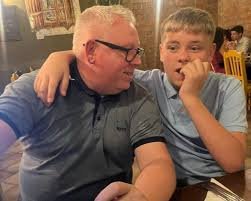
Published: 03 February 2026. The English Chronicle Desk. The English Chronicle Online.
The Harvey Willgoose school stabbing case has returned to public attention one year after the tragic killing shocked Sheffield and the wider country. Fresh scrutiny has emerged after an independent review found that multiple warning signs were not properly acted upon before the fatal incident. The findings have intensified calls for stronger safeguarding systems, better record sharing, and earlier intervention in schools across the UK. Harvey Willgoose school stabbing discussions are now shaping national debate on student safety and institutional responsibility. His family says the tragedy was preventable with correct procedures and timely responses.
Harvey Willgoose, aged fifteen, was fatally stabbed by a fellow pupil during a school lunch break. The attack happened in front of other students who ran in fear and panic. Some children hid in a storage cupboard and barricaded themselves until help arrived. The incident left deep trauma within the school community and prompted immediate police and safeguarding investigations. The convicted attacker, Mohammed Umar Khan, is now serving a minimum detention term of sixteen years following court sentencing.

An independent safeguarding and governance review was later commissioned by the academy trust that runs All Saints Catholic High School in Sheffield. The trust asked an experienced former headteacher and school inspector from Learn Sheffield to conduct the investigation. The resulting report highlighted serious weaknesses in leadership processes, communication systems, and behaviour record handling before the killing. According to the review, several intervention opportunities were missed in the period leading up to the deadly attack.
Harvey’s mother, Caroline Willgoose, has spoken openly about her grief, anger, and determination to push for reform. She described her son’s death as senseless and avoidable, saying clear warning signs were present but not addressed. She believes stronger record keeping and national training standards could prevent another Harvey Willgoose school stabbing tragedy. Her campaign now focuses on practical safety measures and mandatory procedural changes in every British school. She says no family should learn, after a child’s death, that prevention chances were overlooked.
Legal representatives for the Willgoose family say the review paints a deeply troubling picture of safeguarding failures. Yogi Amin, head of public law and human rights at Irwin Mitchell, represents the family. He said the report identifies leadership weaknesses and failures to follow national safeguarding policy guidance. He also pointed to serious shortcomings in record keeping related to behaviour and weapons concerns. According to him, these gaps meant escalating risks were not addressed with sufficient urgency or coordination.
One key finding involved the transfer process when the attacker moved schools before the fatal incident. Safeguarding and behaviour records from the previous school were not properly requested or reviewed. When documents were eventually received, responsibility for reading and acting on them was unclear. The review states that this confusion allowed high risk indicators to go effectively unnoticed. That failure now stands at the centre of the Harvey Willgoose school stabbing accountability debate.
Family members say the missed indicators were neither minor nor isolated in nature. Harvey’s grandmother, Maria Turner, said records reportedly listed more than one hundred concerning incidents. These included references to violence, weapons, gang links, and serious anger issues over time. She says such a pattern should have triggered immediate safeguarding escalation and structured monitoring inside the school. Instead, she believes the information did not lead to proportionate protective action.
Harvey’s uncle, Simon Turner, described the review recommendations as basic safeguarding practice rather than advanced reform. He expressed disbelief that such core procedures were not already operating effectively within the system. The report contains ten formal recommendations covering leadership clarity, record sharing, accountability, and safeguarding structure. Lawyers for the family want the full report released publicly so other schools can learn directly. The academy trust has so far declined full publication, citing privacy and sensitive personal information concerns.
The trust has, however, published the recommendations and acknowledged areas that require improvement across its processes. Chief executive Steve Davies said the findings highlight needed changes in information sharing and staff training. He also noted that the issues raised are not unique to one school alone. According to him, many schools nationally face evolving safeguarding challenges and need clearer operational frameworks. Sector wide discussion, he said, should follow from the lessons identified in this case.
The Willgoose family is also campaigning for visible security measures to reduce weapon access in schools. One proposal calls for knife detection arches to be installed at school entrances nationwide. Supporters say such systems act as both deterrent and detection tools during daily entry periods. Critics argue that schools should not feel like security checkpoints and favour earlier behavioural intervention instead. The Harvey Willgoose school stabbing debate has therefore widened into a broader policy conversation.

Education safeguarding specialists say effective prevention depends on layered protection, not a single solution alone. Strong data sharing, early behavioural assessment, trained staff response, and family engagement all play roles. When any one layer fails, overall risk increases significantly for vulnerable students and staff members. Reviews like this are meant to close those gaps before another fatal event occurs. That principle now sits at the heart of reform demands following this tragedy.
Caroline Willgoose continues to describe her son as loving, sociable, and full of energy every day. She says he brought people together and filled rooms with laughter and warmth. The loss has left what she calls a permanent and unfillable space inside the family. She recalls hearing him say he loved her before leaving for school that morning. Those final words now drive her determination to seek change through public advocacy and policy pressure.
She argues that no parent should outlive a child because of a preventable weapon incident at school. Reading the review findings, she says, made the pain even sharper and more complex. Seeing missed chances documented in black and white has been devastating for the entire family. Yet she insists that speaking out is necessary to honour Harvey’s memory and protect others. The Harvey Willgoose school stabbing case now stands as a warning and a call to act.
Related News:
 Six-Figure Tutors Teach Toddlers to ‘Be British’
 How Bringing Forests Into Preschools Boosts Children’s Health
 Is a two-week half-term a good deal? Some parents in England aren’t so sure
 Bridget Phillipson Vows to Confront Unions Over Reading Tests
 Children to Learn Local History in Major Curriculum Overhaul
 Top Christmas Books Reads: Classics to Cozy Romcoms
 England Curriculum Review Recommends Major Changes
 Mortgages and AI Set to Feature in English Schools
 Greta Thunberg Backs Student Facing UK Visa Revocation
 Audio Books deals and promo codes to explore in November 2025
 London’s Childlessness Crisis: Schools Closing as Families Shrink
 No link found between paracetamol in pregnancy and autism
 Government urges schools to ban phones to curb classroom disruption
 Stephen Fry backs SafeCall to protect missing children
 England’s Special Needs Support Faces Breaking Point
 Higgs Donates Nobel Medal to His Beloved University
 UK Schools Face Staff Exodus Amid Wellbeing Crash
 Schools urged to trial four-day week to ease pressure on teachers in England and Wales
 Oxford Names ‘Rage Bait’ Word of the Year
 Cambridge College Faces Backlash Over Private School Recruitment
 Glasgow rector cleared by watchdog in antisemitism case
 UK Launches First Town of Culture Competition
 UK Ministers Drop Foreign Student Targets for Global Education Push
 City & Guilds pay surge sparks backlash amid £22m cuts
 School Suspensions Now Reserved for Only Severe Misbehaviour
 Princess of Wales Launches Animated Video Series to Support Early Childhood Development
Education Leaders Call for End to Compulsory GCSE Resits in English and Maths
Princess of Wales Launches Animated Video Series to Support Early Childhood Development
Education Leaders Call for End to Compulsory GCSE Resits in English and Maths
 Thousands of New School Nursery Places to Be Rolled Out Across England
 White Low-Income Pupils in England Show Lowest Levels of School Engagement, Study Finds
 New V-Level qualification to transform post-16 education
 Peterborough Mosques Tighten Security After Attack
 Reeves Faces Setback as Labour May Miss Homes Target
 Kate Winslet to Narrate Film Highlighting King’s Environmental Mission
 Trump’s UK Ambassador Urges North Sea Drilling to Strengthen US Ties
 French Taxi Driver Cleared in David Lammy Theft Case After Fare Dispute
 UK Bans Fake Numbers: Scammers Lose Their Trick
 M&S Profits More Than Halve After Cyber-Attack
 Kent village told to remove flags before Christmas lights go up
 Patients to Test Health at Home to Ease NHS Winter Pressure
 Palace May Restore Hyphen to Andrew Mountbatten-Windsor’s Name
 Millionaires group urge Reeves to introduce wealth tax to ‘lift kids out of poverty’
 Shouting Works Best to Deter Gulls, UK Study Finds
 Reeves rejects £1bn plea for NHS redundancy payouts
 Northern Lights may illuminate UK skies this week
 PM Condemns Leaks, Vows Loyalty to Ministers and Stability
 Phillipson Accused of Appeasing Unions by Diluting EBacc
 Major Rent Reform Ends No-Fault Evictions in England
 Criminal Gangs Pose as Truckers to Hijack UK Supply Chains
 Stroke Patient Mistaken for Drunk, Care Delayed
 Van Dwellers Face Eviction After Park Misuse Sparks Outcry
 ‘Traumatic Wait’: Northern Ireland Women Face Breast Cancer Delays
 Serial Rapist and Former Cop Found Guilty Again
 Scottish Families Take Legal Action Over School CO Leak
 Royal Navy Shadows Russian Warships Entering the Channel
 Inside the Helpline Protecting Missing Children in the UK
 Most Tories Expect to Support a Farage-Led Government
 Boots Showstopper Beauty Bundle Outshines Many Advent Calendars This Holiday Season
 Labour’s ‘blinkered’ drive to build risks pushing wildlife to point of no return, nature experts warn
 PlayStation PS5 Deals Hit Lowest Prices Ahead of Black Friday
 Five-Year-Old Dies After Rare Tonsil Surgery Complication
 Starmer Says Labour’s Economic Plan Needs Years to Deliver
 More Patients Now Contacting GPs Online, Data Shows
 UK unemployment rises to four-year high of 5.1% before budget
 Wiltshire Police Use Lasso to Catch Rampaging Village Goat
 Children to Receive Home Vaccines as England Acts
 NHS Violence Crisis: Staff Face Daily Assaults
 Celebrity Campaign Highlights SMA Screening Failures
 Bereaved Fathers Gain New Paternity Leave Rights in UK
 Storm Goretti leaves Cornwall homes without power
 New Documentary Examines Teen’s Zombie Knife Murder
 Woman Jailed for Life After Killing E-Bike Rider in Tragic Mistaken Identity Case
 No Gas Boiler Ban as UK Warm Homes Plan Backs Heat Pumps
 Shinzo Abe’s killer receives life sentence in Japan
 Police response times face strict new national limits
 Labour policing overhaul sparks fears over growing central control
 Devon hosts first high-density hydro power system
 Pornhub blocks new UK users over age checks dispute
 Starmer warns of toxic division politics in Reform challenge
 UK New Car Discounts Near £6,000 as Prices Are Slashed
 Pneumonia Surge Pushes England Emergency Cases Higher