Published: 10 February 2026. The English Chronicle Desk. The English Chronicle Online
A new cultural feature explores how Nordic residential design has shaped modern architecture and global interior trends. Highlighting eight iconic homes from across the Nordic region, the story reflects a design philosophy rooted in simplicity, harmony and connection with nature — a style that has influenced how people live, work and enjoy domestic spaces around the world.
The homes featured span more than a century and reflect what architects and design experts describe as “soft modernism” — an approach that balances minimalism with warmth and tactility. Rather than stark functionalism, this Nordic aesthetic embraces natural materials, abundant light and spaces that feel both purposeful and welcoming.

One early example comes from Sweden: Carl Larsson-gården, the beloved home of artists Carl and Karin Larsson in Sundborn. Originally a simple cottage, it became a celebrated symbol of Swedish domestic life and artistic expression, with its light-filled rooms and hand-crafted details.
Elsewhere, Villa Stenersen in Oslo stands as a landmark of Norwegian modernism. Designed by architect Arne Korsmo in the late 1930s, it blends residential function with art gallery-like spaces, embodying a refined, uncluttered aesthetic that still resonates today.
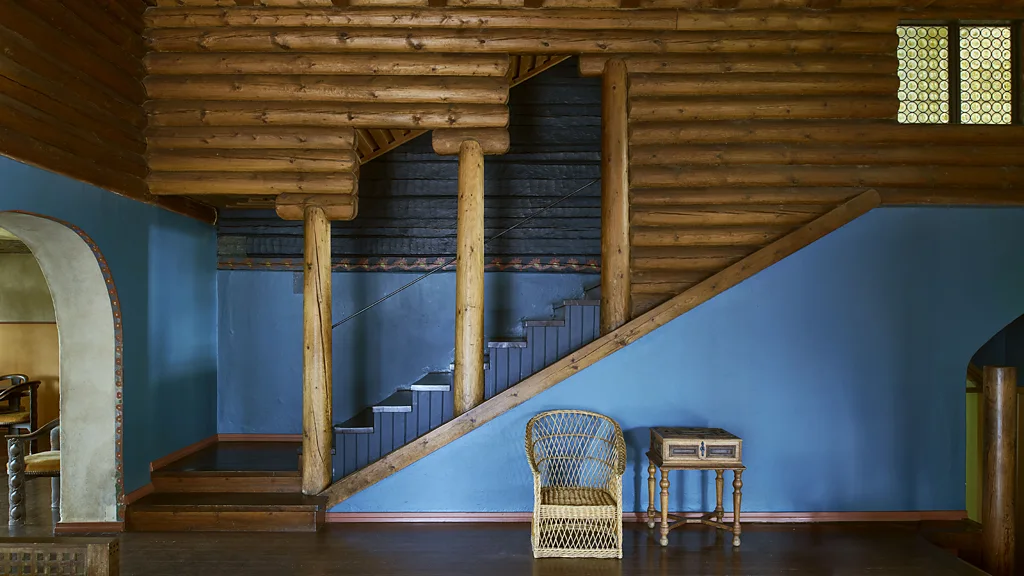
Other standout homes from the Nordic canon include Villa Tammekann — a 1932 Finnish-designed residence by Alvar Aalto that showcases early modernist principles, and historic wooden houses like Denmark’s Det Norske Hus, celebrated for their craft and relationship with landscape.
These residences, along with the other homes included in the feature, demonstrate how Nordic designers have consistently sought harmony between human needs and the natural world. Emphasis on local materials, thoughtful use of daylight and interiors that blur boundaries with the outdoors help create spaces that feel both serene and purposeful.
Experts say the influence of Nordic homes extends far beyond Scandinavia. Elements such as open, adaptable layouts and a restrained palette of materials and colours have informed global trends in sustainable architecture and modern living. The legacy of these iconic homes — from early pioneers to contemporary interpretations — shows a continuing commitment to design that feels simple but harmonious.
Related News:
 ‘Fabled Knights of Old’: The True Story of Japan’s Mysterious Samurai
 A Very Chinese Time? Soft Power on the Rise
 Battle to Save the Crumbling Palace of General Gordon’s Last Stand
 Year of the Fire Horse Welcomed by Millions from Beijing to Bangkok
 Lunar New Year 2026: Celebrations Around the World
 ‘There Is a Feeling of the Greatest Outrage’: The Mystery of Stolen Champion Racehorse Shergar