Published: 11 January 2026. The English Chronicle Desk. The English Chronicle Online.
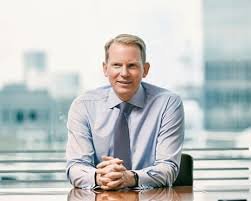
Lloyds CEO Charlie Nunn is now at the centre of attention as the UK’s banking sector considers a controversial move that could dramatically boost executive pay. Following the government’s repeal of the banker bonus cap, Nunn could receive a maximum pay package exceeding £13 million, putting him on par with rivals at HSBC, Barclays, and NatWest. Analysts suggest this surge in pay reflects the broader impact of lifted restrictions on performance-related bonuses, which had previously been tightly capped to prevent risky financial behaviour. Lloyds’ upcoming shareholder vote will determine if Nunn’s potential pay increase is approved.
The bank’s remuneration committee has already begun drafting a new three-year executive pay framework. For the first time, Lloyds may fully exploit the post-cap regulatory environment, mirroring other major UK lenders where payouts for top executives have soared. Barclays CEO CS Venkatakrishnan, for example, secured a 45% increase in potential maximum pay last year, allowing him to earn up to £14.3 million if performance targets are met. HSBC also raised CEO Georges Elhedery’s maximum compensation by 43%, potentially taking his package to around £15 million. Meanwhile, NatWest chief Paul Thwaite can now receive £7.7 million for a single year’s work after a similar 43% increase.

If Lloyds mirrors these figures, Charlie Nunn’s maximum package could jump from £9.1 million to £13.2 million. The proposed pay rise will be presented for approval at Lloyds’ annual general meeting this spring. While the potential banker bonus increase is substantial, Lloyds has indicated that Nunn’s fixed salary may be “significantly reduced” to reflect a higher variable reward structure. The aim, the bank says, is to align performance incentives with shareholder interests while remaining compliant with regulatory changes.
The original cap, introduced in 2014, had limited banker bonus to twice a banker’s salary. This measure was intended to curb risky behaviour that contributed to the 2008 financial crisis and to prevent destabilising practices within the financial system. Critics argued, however, that banks circumvented the cap by inflating base salaries, leaving executives still highly incentivised while reducing flexibility in adjusting pay based on annual performance.
Post-Brexit policy shifts played a key role in repealing the cap. Former Chancellor Kwasi Kwarteng advocated for removing the restrictions in 2022, arguing that the UK needed to remain competitive in global financial markets. The regulatory changes, enacted the following year, were aimed at attracting top international talent and encouraging US financial firms to maintain operations in Britain. Lobby groups, including the UK capital markets industry taskforce, supported the move, highlighting that American executives routinely earn far more, with JP Morgan’s Jamie Dimon receiving $39 million last year.
Shareholders have largely welcomed the changes, approving record-breaking pay rises for executives that would have been contentious in the 2010s. While previously, shareholder revolts over excessive pay were common, the post-cap environment now permits significantly higher banker bonuses for senior executives, reflecting global market realities and competitive pressures. Nevertheless, some major UK asset managers have cautioned banks against simply matching competitors’ pay hikes, warning that unchecked increases could raise governance concerns.
Lloyds has stressed that its new pay proposals will be “aligned with market developments and regulatory requirements,” maintaining a balance between performance and reward. A spokesperson emphasised that the forthcoming policy will “appropriately reward delivery of long-term value for customers and shareholders,” signalling a commitment to linking executive compensation, including banker bonuses, with measurable results. Analysts and investors alike will watch closely as the annual reports of NatWest, HSBC, and Barclays are released later this month, which will reveal how the lifted bonus cap has impacted their top executives’ earnings.

The benefits of the removed bonus cap are already evident further down the ranks. At Barclays and HSBC, payouts for top performers, including generous banker bonuses, increased by over 50% in 2024, reaching nearly €20 million for select individuals. One HSBC banker reportedly received between €19 million and €20 million last year, far exceeding the chief executive’s £5.4 million, while Barclays’ top earner earned €17 million–€18 million, surpassing CEO CS Venkatakrishnan’s £10.5 million. These figures underline how the regulatory shift is reshaping compensation dynamics and banker bonus structures across major UK banks.
Critics remain wary that such large pay rises could trigger public backlash, especially in a climate where the cost of living continues to be a pressing concern. Nevertheless, financial analysts argue that competitive remuneration, including attractive banker bonuses, is essential for retaining top talent and ensuring the UK banking sector remains globally attractive. The coming months will reveal whether Lloyds follows its peers in awarding Nunn the record-breaking compensation, potentially setting a new benchmark for executive pay in Britain.
The debate over banker bonuses continues to evoke strong reactions, balancing the need for competitive global pay against public scrutiny and historical caution. As Lloyds finalises its proposals and other banks report results, the broader implications for the UK banking industry, shareholders, and public perception will become increasingly clear, making 2026 a pivotal year for executive compensation in London.
Related News:
 UK Small Business Owner to Challenge L’Oréal in Tribunal
 Court Hears Challenge Over Water Bills Funding Sewage Fixes
 Millions of Brits Adjust Lifestyle to Afford Essentials
 Thinktanks Urge Rachel Reeves to Reform UK Tax System
 Gopichand Hinduja, UK’s Wealthiest Business Leader, Dies
 M&S Profits More Than Halve After Cyber-Attack
 Tony Blair think tank warns Rachel Reeves must cut taxes if manifesto broken
MPs Press Rachel Reeves to Hike Gambling Taxes
Tony Blair think tank warns Rachel Reeves must cut taxes if manifesto broken
MPs Press Rachel Reeves to Hike Gambling Taxes
 Labour Urged to Honour Tax Pledges Ahead of Budget
 Warning as Britons prepare to spend £4 billion this Black Friday
 Troubled drinks giant Diageo names former Tesco boss to lead turnaround push
 Millionaires group urge Reeves to introduce wealth tax to ‘lift kids out of poverty’
 Taylor Wimpey Sales Drop Amid Budget Uncertainty
 Global markets drop amid tech sell-off and China slowdown
 Eurotunnel Investment Halted as UK Rates Soar
 UK Energy Bills to Rise Slightly in January
 UK Government Borrowing Higher Than Expected
 Steel billionaire Lakshmi Mittal reportedly leaves UK
 Minister Denies Budget Leaks Have Harmed UK Economy
 Budget 2025: Reeves Drops Economic Growth Reference
 Expanded Version – Black Friday Shoppers Warned Over ‘Dud Deals’
 Government righting decades-old injustice for miners
 Black Friday Footfall Falls as UK Shoppers Hold Back Amid Economic Concerns
 Rising Water Bills Lift Troubled Thames Back to Profit
 UK unemployment rises to four-year high of 5.1% before budget
 Bet365 Boss Nets £280m Despite Profit Drop
 Phoenixism Costs UK Taxpayers Millions in Recruitment Sector
 Shadow Banking Risks Raise Alarm Over UK Financial Stability
 Inflation Latest: Cost of Living Expected to Rise Again in Key Figures Released Today
 Retail Sales See Uptick Amid Errors and Delays as ONS Faces Scrutiny
Shein UK Faces Allegations of Shifting Majority of Profits to Singapore to Reduce UK Tax
Retail Sales See Uptick Amid Errors and Delays as ONS Faces Scrutiny
Shein UK Faces Allegations of Shifting Majority of Profits to Singapore to Reduce UK Tax
 Kemi Badenoch Unveils ‘Golden Rule’ to Halve Spending Cuts for Deficit Reduction at Tory Conference
 Ministry of Justice fails to file £11bn in spending receipts
 Real living wage set to rise nearly 7% for UK workers in 2026
 Peterborough Mosques Tighten Security After Attack
 Reeves Faces Setback as Labour May Miss Homes Target
 Hospice Cuts Raise Alarm Across England Amid Funding Crisis
 Kate Winslet to Narrate Film Highlighting King’s Environmental Mission
 Green Party Surges Past Labour in Latest UK Poll
 Trump’s UK Ambassador Urges North Sea Drilling to Strengthen US Ties
 Children to Learn Local History in Major Curriculum Overhaul
 Granit Xhaka Rescue Earns Everton Draw at Sunderland
 French Taxi Driver Cleared in David Lammy Theft Case After Fare Dispute
 UK Bans Fake Numbers: Scammers Lose Their Trick
 Prince William Plants Trees with Brazil’s Nature Heroes
 Just Stop Oil Protesters Convicted Amid Climate Defence Row
 Kent village told to remove flags before Christmas lights go up
 Patients to Test Health at Home to Ease NHS Winter Pressure
 King Charles to Lead Nation in Remembrance Sunday Service
 Palace May Restore Hyphen to Andrew Mountbatten-Windsor’s Name
 Starmer Faces Growing Dissent as Labour MPs Weigh Leadership Challenge
 Shouting Works Best to Deter Gulls, UK Study Finds
 Reeves rejects £1bn plea for NHS redundancy payouts
 Northern Lights may illuminate UK skies this week
 PM Condemns Leaks, Vows Loyalty to Ministers and Stability
 Son Reveals UK Couple in Iran Resort to Hunger Strike for Help
 Major Rent Reform Ends No-Fault Evictions in England
 Former Lion Heskey Warns of Shortage of England Strikers
 Criminal Gangs Pose as Truckers to Hijack UK Supply Chains
 Stroke Patient Mistaken for Drunk, Care Delayed
 Van Dwellers Face Eviction After Park Misuse Sparks Outcry
 ‘Traumatic Wait’: Northern Ireland Women Face Breast Cancer Delays
 Serial Rapist and Former Cop Found Guilty Again
 Royal Navy Shadows Russian Warships Entering the Channel
 Inside the Helpline Protecting Missing Children in the UK
 Most Tories Expect to Support a Farage-Led Government
 Boots Showstopper Beauty Bundle Outshines Many Advent Calendars This Holiday Season
 Labour’s ‘blinkered’ drive to build risks pushing wildlife to point of no return, nature experts warn
 PlayStation PS5 Deals Hit Lowest Prices Ahead of Black Friday
 Karen Carney Stuns on Blackpool Week, Deserves Strictly Final
 Five-Year-Old Dies After Rare Tonsil Surgery Complication
 Fibromyalgia Patients Struggle as NHS Fails to Provide Care
 Starmer Says Labour’s Economic Plan Needs Years to Deliver
 Virgin Media Fined £23.8m Over Telecare Safety Failures
 More Patients Now Contacting GPs Online, Data Shows
 Wiltshire Police Use Lasso to Catch Rampaging Village Goat
 Children to Receive Home Vaccines as England Acts
 FTSE 100 Hits 10,000: UK Market Celebrates Record Year
 Cambridge College Faces Backlash Over Private School Recruitment
 NHS Violence Crisis: Staff Face Daily Assaults