Published: 17 January 2026. The English Chronicle Desk. The English Chronicle Online
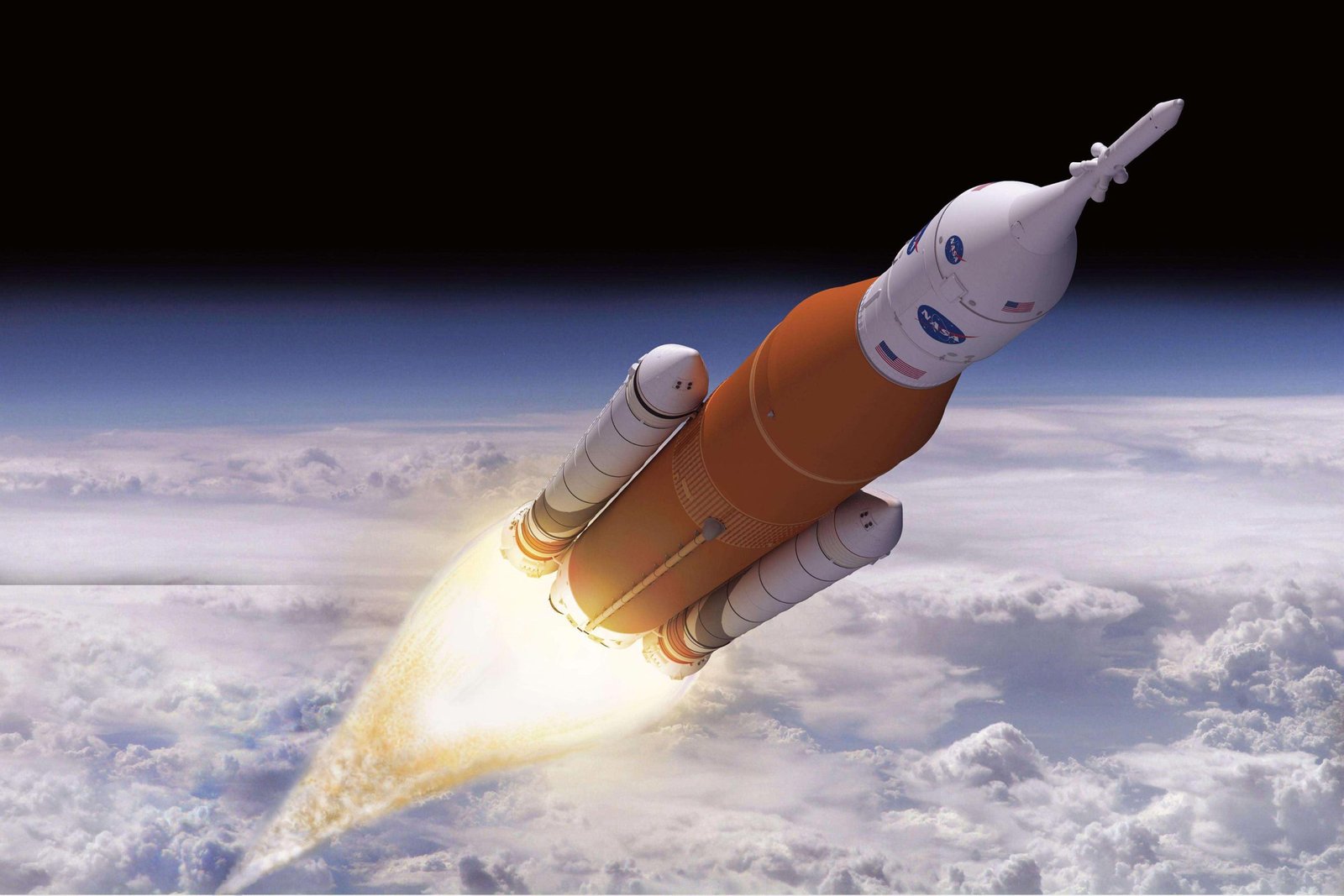
Nasa is preparing to roll out its most powerful rocket ever built ahead of a landmark human spaceflight that will carry astronauts around the moon for the first time in more than half a century. The Artemis II mission, scheduled to launch as early as 6 February from Kennedy Space Center in Florida, represents a crucial step in the United States’ return to deep-space human exploration.
If launched on schedule, the mission will send four astronauts on a 685,000-mile journey that will last about 10 days, ending with a splashdown in the Pacific Ocean. It will be only the second flight of Nasa’s Space Launch System, or SLS, rocket and the first time the giant vehicle flies with a crew onboard. The astronauts will travel inside the Orion spacecraft, which has been designed to sustain human life far beyond low Earth orbit.

The crew includes three Nasa astronauts – Reid Wiseman, Victor Glover and Christina Koch – alongside Jeremy Hansen of the Canadian Space Agency. For Koch, the mission will mark a historic milestone as she becomes the first woman to travel beyond low Earth orbit. Glover will also make history as the first person of colour to venture so far into space. Hansen will be the first Canadian to take part in a lunar mission.
Although Artemis II will not land on the moon or enter lunar orbit, it will be the first human journey around the moon since Apollo 17 in 1972. The flight follows a successful uncrewed Artemis I test mission in 2022 and is designed to pave the way for Artemis III, which aims to land astronauts near the moon’s south pole as early as next year.
Jared Isaacman, the billionaire private astronaut who was sworn in as Nasa administrator in December, described Artemis II as “probably one of the most important human spaceflight missions in the last half-century”. He said the mission would validate critical systems and procedures needed to ensure humans can safely travel deeper into space.
Standing nearly 100 metres tall, the SLS rocket and Orion spacecraft form one of the most complex machines ever assembled. The rocket carries more than 700,000 gallons of liquid propellant, enough to fill an Olympic-sized swimming pool. When its engines ignite, SLS will generate sufficient thrust to propel the crew towards the moon at speeds approaching 24,500 miles per hour.
Before that dramatic moment, Nasa must complete a carefully choreographed rollout and testing sequence. As early as Saturday, the agency’s massive crawler-transporter will begin moving the 5,000-tonne rocket from the Vehicle Assembly Building to the launchpad, a journey of four miles that can take up to 12 hours. Once on the pad, engineers will work through a detailed preflight checklist before conducting a wet dress rehearsal, during which the rocket will be fully fuelled and a mock countdown performed.
Any significant technical issues during these tests could force Nasa to roll the rocket back for repairs, potentially delaying the launch. In recent days, technicians have addressed issues including a bent cable in the flight termination system, a faulty valve in Orion’s pressurisation system and leaks in oxygen supply equipment. Officials stress that the mission will only proceed if all safety criteria are met.
“We’re going to fly when we are ready,” said John Honeycutt, chair of the Artemis II mission management team. “From launch through the mission days to follow, the crew’s safety is going to be our number one priority.”
Once launched, the astronauts will orbit Earth twice before Orion separates from the rocket’s upper stage. The crew will then manually fly the spacecraft to approach and retreat from the jettisoned stage, a critical test of Orion’s handling and navigation systems. This exercise will prepare Nasa for future missions that involve docking operations in lunar orbit.
A final push from Orion’s European-built service module will then send the crew on a trajectory around the far side of the moon and back to Earth in a giant figure-of-eight path. During the voyage, the astronauts will test life-support systems, practise emergency procedures and evaluate Orion’s radiation shelter, which is designed to protect them from solar flares.

For space experts, Artemis II is both a technical milestone and a symbolic one. David Parker, former head of the UK Space Agency, described it as a step towards the long-held vision of sustained human and robotic exploration of the moon, with Mars as a longer-term goal. Yet he also acknowledged the risks. “Every rocket launch is a nail-biter,” he said, noting that SLS has flown only once before.
The mission also unfolds against the backdrop of renewed global competition in space. China has made no secret of its ambition to land its own astronauts on the moon by 2030, prompting some in the US to frame Artemis as part of a new space race. Nasa officials, however, emphasise that Artemis is ultimately about exploration, science and international cooperation.
More than 50 years after humans last walked on the lunar surface, Artemis II marks a moment of renewed excitement – and nervous anticipation. As Jeff Radigan, the mission’s lead flight director, put it, “This is a test flight, and there are things that are going to be unexpected.” For Nasa and the world watching, it is a bold step back into deep space.
Related News:
 US Clears Nvidia AI Chip Sales to China in Policy Shift
 China Halts Nvidia H200 Chips Despite US Export Approval
 How to Exit Your Broadband Contract Without Paying Exit Fees
 Unseen Killers of the Deep Inside the UK Lab Uncovering the Silent Deaths of Sea Creatures
 AI Tools Used by English Councils Found to Downplay Women’s Health Issues, Raising Concerns Over Gender Bias in Care
 Shocking Rise in Children’s Exposure to Violent Online Pornography Raises Alarm
 Ed Davey Urges Government to Block Elon Musk’s Tesla from Supplying UK Home Energy
 Spectacular ‘Blood Moon’ Illuminates Skies Across the Globe
 Weatherwatch: From Astrology to Modern Meteorology
 British Pilot Joins Crew Training for Year-Long Mars Simulation Mission
 UK and US Forge Landmark Deals to Build Modular Nuclear Reactors Across Britain
 Big Pharma Investment Freeze Puts UK Life Sciences Sector Under Strain
 Jaguar Land Rover Extends Production Halt Following Cyber-Attack
 Persistent Offenders Owe Over £700m in Ulez Fines as TfL Cracks Down on Evasion
 British AI Startup Outshines Human Forecasters in Global Prediction Contest
 UK Fighter Jet Purchase Could Breach Nuclear Treaty, Warns CND
 Google at 27: The Untold Story of Ruth Kedar, the Woman Behind the Iconic Logo
 Biomethane Found Unfit for Large-Scale UK Home Heating as Study Highlights Limitations
 Royal Mail Owner Acquires Stake in Collect+ and Launches High Street Rebrand
 Eligibility Confusion Over COVID Vaccination Leaves Pharmacies Struggling Across the UK
 Millions in the UK at Risk of Cyber-Attacks as Microsoft Ends Windows 10 Updates, Warns Which?
 Majority of UK Men Would Opt for Prostate Cancer Screening, Survey Finds
 Cooper Unveils £4m Cyber Plan Against Russian Hackers
 Yvette Cooper Backs Digital ID Plan for UK Teens
 Genetic Tests May Predict Return of Blood Cancer
 UK Woman Becomes Longest Survivor of Heart-Lung Transplant
 Labour MPs Warn Digital ID Scheme Risks Cost and Support
 ‘Game-Changing’ HIV Prevention Jab Set for NHS Approval
 Reform UK candidate fined £19,000 after using AI-generated cases to challenge election
 Harry and Meghan join global AI leaders urging superintelligence ban
 UK Campaigners Launch Bill to Grant Legal Rights to Nature
 Met Launches Drones to Respond Rapidly to 999 Calls
 Experts Warn Russia’s Burevestnik Missile Could Destabilise Arms Control
 Virgin Trains Moves Closer to Challenging Eurostar Monopoly
 UK Bans Fake Numbers: Scammers Lose Their Trick
 Vibe coding’ named Collins dictionary’s word of the year
 Patients to Test Health at Home to Ease NHS Winter Pressure
 Britain deploys RAF specialists to assist Belgium with drone threats
 Government urges schools to ban phones to curb classroom disruption
 Stop using ChatGPT to write speeches, AI minister tells MPs
 Northern Lights may illuminate UK skies this week
 New laws to bolster UK’s defences against cyber attacks on NHS, transport and energy
 Valve Opens the Door for Android Games on Steam
 Hitler’s DNA Confirms He Truly Had Only One Testicle
 Working-Class Men with Prostate Cancer Left Behind by NHS
 Pokémon to open world’s first theme park in Japan next year
 New AI tool could cut wasted efforts in organ transplants
 How Cultures Interpreted the Aurora Through History
 From Baby Teeth to Bioengineering: The Future of Self-Healing Teeth
 Sundar Pichai Cautions on AI Hype and Market Risks
 Google Chief Urges Caution: Don’t Trust AI Blindly
 UK launches major AI drive to fight deadly superbugs
 US Judge Says Meta Did Not Hold Illegal Social Media Monopoly
 Healthy Habits in Your 30s That Boost Life in Your 70s
 Coffins Now Too Large to Cremate Amid Rising Obesity Crisis
 Two National Guard Soldiers Critically Injured Near White House
 US National Guard Member Killed in DC Shooting
 AI Actress Creator Says Tilly Norwood Won’t Replace Actors
 Starmer’s communications chief to outline media strategy overhaul
 Beachy Head Woman Identified as Local Eastbourne Resident
 American Mother Extradited From UK to U.S. on Murder Charges
 Russia losses Ukraine war peace talks intensify amid rising deaths
 Trump Taiwan China drills: US President Downplays Tensions
 US Cities Erupt in Protests Against Trump’s Venezuela Military Action
 Trump Escalates Minnesota Immigration Surge Amid Rising Tensions
 Capitol Attack Anniversary Sparks Deep Political Divide
 AI Grok Sparks Child Safety Alarm in the UK
 Google Removes Some AI Health Summaries Over Safety Concerns
 Nasa ISS Medical Evacuation: Crew-11 To Return Early
 Homeland security agents deployed amid Minneapolis protests
 Minneapolis mayor demands state access to Renee Good probe
 Trump Weighs Response to Iran Crackdown as Tehran Says Communication Open With US
 Uber Faces Sexual Assault Trial in Arizona, Safety Record Scrutinised
 German Supermarket Aldi to Open 180 US Stores This Year
 Minnesota Sues Trump Administration Over ICE Surge
 Trump targets Iran trade with 25% tariff warning
 Trump Threatens Strong Action If Iran Executes Protesters
 Amazon Milton Keynes closure sparks concern for UK warehouse workforce
 Portland man pleads not guilty after Border Patrol shooting
 Trump Receives Machado’s Nobel Medal in White House Meeting