Published: January 13, 2026
The English Chronicle Desk
The English Chronicle Online
Phoenix, Arizona
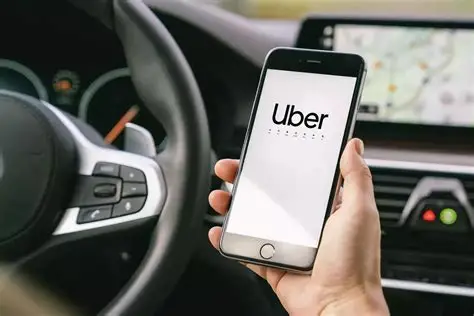
Uber faces sexual assault trial in Arizona that puts its safety record under scrutiny, as a high-profile court case against the ride-hailing giant begins this week, reigniting global debate over passenger safety, corporate accountability and the responsibilities of digital platform companies. The trial, which centres on allegations brought by multiple plaintiffs, is being closely watched by regulators, investors and advocacy groups amid renewed questions about whether Uber has done enough to protect users on its platform.
The Arizona case involves claims that Uber failed to implement adequate safeguards to prevent sexual assaults by drivers, despite being aware of previous incidents. Plaintiffs argue that systemic weaknesses in the company’s background checks, monitoring systems and response procedures created conditions in which serious harm could occur. Uber has denied wrongdoing, stating that it has invested heavily in safety measures and that incidents of sexual assault remain statistically rare compared with the volume of rides completed globally.

A Trial With Far-Reaching Implications
Legal experts say the case could have consequences far beyond Arizona. If the court finds that Uber bears responsibility for the actions of drivers classified as independent contractors, it could reshape how liability is assigned across the gig economy. It is being argued by the plaintiffs that Uber exercises significant control over drivers through its algorithms, pricing structures and deactivation policies, undermining its long-standing claim that it merely operates as a technology platform.
Uber has consistently maintained that it is not a transportation provider in the traditional sense and that drivers operate independently. However, that distinction is being challenged once again in court, where internal documents, safety reports and prior settlement data are expected to be examined in detail.
Safety Record Under the Microscope
Uber publishes a biennial US Safety Report, which acknowledges thousands of sexual assault allegations nationwide over recent years, including reports of rape and attempted rape. While the company emphasises that such incidents account for a tiny fraction of total trips, critics argue that even a single case represents a profound failure.
During the Arizona trial, jurors are expected to hear testimony from survivors, former Uber employees and safety specialists. Evidence will reportedly include records showing how complaints were handled and whether warning signs about repeat offenders were missed. It is expected that Uber’s internal escalation processes will be scrutinised, with attention paid to how quickly drivers were suspended or removed following allegations.
Some evidence is likely to be presented in passive voice during proceedings, as responsibility was allegedly shifted between departments, and decisions were said to have been delayed or deprioritised.
Uber’s Defence Strategy
Uber’s legal team has said the company has implemented industry-leading safety tools, including in-app emergency assistance, GPS trip tracking, driver identity verification and the ability for riders to share trip details in real time. The firm argues that many of these features did not exist elsewhere in the transport sector when Uber was founded.
The company has also stated that background checks are conducted in accordance with state laws and that drivers accused of serious misconduct are permanently banned from the platform. Uber has expressed sympathy for victims while insisting that it cannot be held liable for criminal acts committed by third parties.
In a statement, Uber said it would “vigorously defend” itself in court and reiterated its commitment to rider safety.
Impact on Uber’s Global Reputation
The Arizona case comes at a sensitive time for Uber, which has spent years attempting to rehabilitate its image following earlier scandals involving workplace culture, data breaches and regulatory clashes. Investors are wary that renewed attention on safety failures could damage the brand and invite tougher oversight in key markets, including the UK and Europe.
Advocacy groups have argued that Uber’s growth-first strategy prioritised market expansion over safety investment in its early years. While reforms have since been introduced, campaigners say accountability has lagged behind technological innovation.
The outcome of the trial may influence how lawmakers approach ride-hailing regulation, particularly around mandatory safety standards and data transparency.
Wider Implications for the Gig Economy
Beyond Uber, the trial is being seen as a test case for the gig economy as a whole. Similar platforms operating in food delivery, home services and logistics could face increased legal exposure if courts determine that companies must take greater responsibility for user safety.
Labour rights organisations have said the case highlights structural issues inherent in platform-based work models, where oversight is often automated and human intervention limited. It has been argued that safeguards were insufficiently enforced because responsibility was fragmented across algorithms rather than individuals.
UK Perspective and Regulatory Interest
Although the case is unfolding in the United States, UK regulators and consumer groups are paying close attention. Uber operates extensively across Britain and has previously faced legal challenges over driver rights and licensing conditions.
Transport authorities in London and other major cities have introduced stricter requirements in recent years, citing safety and transparency concerns. A ruling against Uber in Arizona could add pressure for further reforms and stricter compliance standards in the UK market.

What Comes Next
The trial is expected to last several weeks, with closing arguments likely to focus on whether Uber’s duty of care extends beyond providing a digital marketplace. A verdict against the company could lead to substantial damages and open the door to similar lawsuits elsewhere.
Regardless of the outcome, analysts believe the case will intensify scrutiny of how technology companies balance innovation with responsibility. For Uber, the trial represents not only a legal challenge but a reputational reckoning that could shape its future trajectory.
Related News:
 Grocery Inflation Surges to 18-Month High in UK, Intensifying Pressure on Households
 Gusto Faces Collapse as UK Dining Sector Crisis Deepens
 UK Jobs Market Faces Strain as Employers Cut Bonuses and Hiring Amid Economic Slowdown
 Shein UK Faces Allegations of Shifting Majority of Profits to Singapore to Reduce UK Tax
 Londoners Buying Lowest Share of Property Outside Capital Since 2013
 Merck Abandons £1bn London Research Hub and Cuts 125 Jobs in Blow to UK Life Sciences
 Rachel Reeves Hosts Top UK and US Financial Executives as Trump’s State Visit Begins
 UK Inflation Holds Steady at 3.8% as Rising Fuel Costs Offset Falling Air Fares
 UK Borrowing Surges to £18bn in August, Exceeding Forecasts
 Vodafone Franchisees Sound Alarm: Mental Health Toll of Commission Cuts Revealed Years Before £120m Court Battle
Resolution Foundation Urges Reeves to Rebalance Tax System with 2p NI Switch in Autumn Budget
Vodafone Franchisees Sound Alarm: Mental Health Toll of Commission Cuts Revealed Years Before £120m Court Battle
Resolution Foundation Urges Reeves to Rebalance Tax System with 2p NI Switch in Autumn Budget
 GSK Chief Executive Emma Walmsley to Step Down After Eight Years at the Helm
 AstraZeneca to List on New York Stock Exchange While Retaining London Ties
 Richard Desmond Begins High Court Battle Over National Lottery Licence
 B&M Finance Chief Steps Down Amid £7m Accounting Error
 Pizza Hut to shut 68 sites after collapsing into administration
 UK inflation update: New rate expected as Budget approaches
 Co-op Urged Staff to Promote Vapes After Cyber-Attack Hit Sales
 Rachel Reeves to lead UK trade push in Saudi Arabia amid rights debate
 Aston Martin cuts £300m investment as Trump tariffs and weak China demand hit profits.
 UK Small Business Owner to Challenge L’Oréal in Tribunal
 Ryanair Chief UK Economy ‘Doomed’ Under Labour
 UPS Cargo Plane Crash in Kentucky Kills Seven
 Gopichand Hinduja, UK’s Wealthiest Business Leader, Dies
 US private equity set to acquire UK online retailer Very Group
 Troubled drinks giant Diageo names former Tesco boss to lead turnaround push
 Taylor Wimpey Sales Drop Amid Budget Uncertainty
 Nvidia Soars as Blockbuster Earnings Silence AI Bubble Fears
 Eurotunnel Investment Halted as UK Rates Soar
 Mossmorran Plant Closure Hits Cowdenbeath Hard
 UK Energy Bills to Rise Slightly in January
 Netherlands Suspends Nexperia Takeover Amid China Talks
 EU reviews Apple Ads and Maps under strict digital rules
 Huawei, ZTE secure 5G deals in Vietnam amid US tensions
 Rising Water Bills Lift Troubled Thames Back to Profit
 Tesla Warns UK That Weak EV Rules Could Threaten Sales
 Prada buys Versace for $1.38bn, expanding luxury fashion empire
 Properties Being Flipped Fall to Lowest Level Since 2013 as Stamp Duty Bites
 Metals and Mining Stocks Lift FTSE 100 to Record Close
 Post Office Scandal Compensation Tops £1 Billion as Victims Finally See Justice
 Tensions Unfold in Market Harborough as Asylum Seeker Hotel Sparks Divisive Protests
 How to Exit Your Broadband Contract Without Paying Exit Fees
 Diageo Faces Profit Slump and Tariff Blow Amid Leadership Crisis
 China’s crackdown on civil servant perks sparks economic concerns
 Chancellor Rachel Reeves Pushes for Sweeping Changes to Environmental Protections to Accelerate Development
Inflation Latest: Cost of Living Expected to Rise Again in Key Figures Released Today
Retail Sales See Uptick Amid Errors and Delays as ONS Faces Scrutiny
Chancellor Rachel Reeves Pushes for Sweeping Changes to Environmental Protections to Accelerate Development
Inflation Latest: Cost of Living Expected to Rise Again in Key Figures Released Today
Retail Sales See Uptick Amid Errors and Delays as ONS Faces Scrutiny
 UK Retail Sales Rise in August, but Tax Concerns Loom Over Festive Period
 Big Pharma Investment Freeze Puts UK Life Sciences Sector Under Strain
 Jaguar Land Rover Extends Production Halt Following Cyber-Attack
 Great Britain’s Energy Operator Commits to Strengthening Grid to Prevent Blackouts
 UK Government Backs Return of International Rail Travel to Kent Stations
 Wetherspoon vows to keep prices low amid soaring energy and tax costs
UK House Price Growth Slows as Buyers Exercise Caution Ahead of Autumn Budget
Wetherspoon vows to keep prices low amid soaring energy and tax costs
UK House Price Growth Slows as Buyers Exercise Caution Ahead of Autumn Budget
 Kemi Badenoch Unveils ‘Golden Rule’ to Halve Spending Cuts for Deficit Reduction at Tory Conference
 New V-Level qualification to transform post-16 education
 Real living wage set to rise nearly 7% for UK workers in 2026
 Reeves Faces Setback as Labour May Miss Homes Target
 Virgin Trains Moves Closer to Challenging Eurostar Monopoly
 Trump’s UK Ambassador Urges North Sea Drilling to Strengthen US Ties
 M&S Profits More Than Halve After Cyber-Attack
 Earl of Yarmouth Faces £1.3m Legal Bill Over Family Estate
 Millionaires group urge Reeves to introduce wealth tax to ‘lift kids out of poverty’
 From Lego to Pokémon: How Adults Are Driving UK Toy Market Growth
 New laws to bolster UK’s defences against cyber attacks on NHS, transport and energy
 Canada Passes Carney’s First Budget in Tight Parliamentary Vote
 Two National Guard Soldiers Critically Injured Near White House
 US National Guard Member Killed in DC Shooting
 Starmer Says Labour’s Economic Plan Needs Years to Deliver
 Virgin Media Fined £23.8m Over Telecare Safety Failures
 Anglo American Scraps Bosses’ £8.5m Bonus Plan After Investor Fury
 Historic £100-Weekly Pension Boost Brings Relief for UK Mineworkers
 American Mother Extradited From UK to U.S. on Murder Charges
 Russia losses Ukraine war peace talks intensify amid rising deaths
 FTSE 100 Hits 10,000: UK Market Celebrates Record Year
 US Cities Erupt in Protests Against Trump’s Venezuela Military Action
 Trump Escalates Minnesota Immigration Surge Amid Rising Tensions
 Wessex Water chiefs receive £50,000 extra despite government bonus ban
 Homeland security agents deployed amid Minneapolis protests
 Trump Weighs Response to Iran Crackdown as Tehran Says Communication Open With US