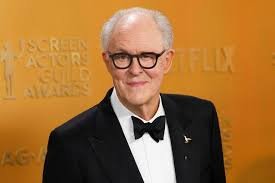
Published: 02 February 2026. The English Chronicle Desk. The English Chronicle Online.
John Lithgow has openly criticised JK Rowling’s stance on transgender rights, calling her position ironic and difficult to explain. The Lithgow Rowling controversy has intensified after the veteran actor addressed the issue during a public appearance. His remarks came while discussing his upcoming role as Albus Dumbledore in a major television adaptation. The project has already attracted global attention and strong reactions across social platforms and media outlets worldwide.
The comments were delivered during an on-stage discussion at the Rotterdam Film Festival following a screening of his latest film. Audience members asked Lithgow about public criticism connected to Rowling and the new Harry Potter television series. Rowling is attached to the production as an executive producer, though not involved in daily creative work. The show is being developed by HBO and is expected to be among television’s largest productions ever.
Lithgow said he considers the subject serious and emotionally complex, especially given the cultural reach of the Harry Potter stories. He praised the books for their themes of moral courage, empathy, and the struggle between kindness and cruelty. He described the fictional universe as one built around acceptance and ethical growth across generations of readers. Within that context, he said the Lithgow Rowling disagreement feels personally and artistically uncomfortable for him.

He explained that he has never met Rowling and does not work directly with her on production decisions. According to his remarks, the creative team adapting the books for television operates independently and collaboratively. He described them as thoughtful professionals committed to respectful storytelling and inclusive working environments across the long project timeline. That separation, he suggested, influenced his decision to accept the role despite heated debate surrounding Rowling’s public views.
The Lithgow Rowling discussion has grown since his casting as Dumbledore was first officially announced by the studio. After the casting news broke, Lithgow revealed that a friend with a transgender child contacted him privately. The message included a published open letter urging him to reject the role in protest. He said reading it made him pause and reflect carefully before confirming his participation in the series.
He admitted that the decision was emotionally difficult and weighed on him for some time afterward. Still, he concluded that stepping away would not resolve the wider social conflict surrounding Rowling’s statements and beliefs. He chose instead to proceed, while acknowledging the pain and frustration expressed by many critics and advocacy voices. The Lithgow Rowling tension, he said, represents a broader cultural collision rather than a simple professional disagreement.
During the festival event, at least one attendee publicly expressed disappointment with Lithgow’s choice to stay in the project. Reports indicate that the individual voiced concern directly before leaving the venue in visible protest. Lithgow responded calmly, saying disagreement is part of open cultural dialogue and should be expected in democratic artistic spaces. He added that strong reactions, while upsetting, are not surprising given the emotional stakes surrounding transgender rights debates.
Rowling’s views on gender identity have been widely discussed since her detailed public statement published several years ago. In that long essay, she raised concerns about proposed gender recognition reforms and shared personal experiences of abuse. She argued that legal and social changes could affect protections for women’s single-sex spaces and services. Supporters say she defends sex-based rights, while critics argue her framing harms transgender communities and fuels exclusion.
She has also provided financial backing to organisations involved in legal and political advocacy around sex-based definitions in law. Public records and group statements confirm donations and the creation of a support fund focused on women’s rights cases. These actions have further amplified debate and sharpened reactions from both supporters and opponents across several countries. The Lithgow Rowling dispute sits inside this larger, ongoing international argument over law, language, and lived identity.
Several other actors connected to the new television adaptation have addressed the controversy in different measured ways. Some performers have publicly distanced themselves from Rowling’s personal positions while remaining committed to their creative roles. Others have emphasised that large productions involve hundreds of contributors with diverse and sometimes conflicting personal beliefs. Industry observers note that such tensions are increasingly common in globally visible franchise projects today.
Rowling has previously stated that she would not remove actors from projects based on disagreement with her views. In past social posts, she wrote that differing legally protected beliefs should not threaten employment or creative opportunity. She stressed that she does not support taking away livelihoods over ideological differences expressed respectfully and lawfully. That stance has been cited by both defenders and critics in ongoing commentary about fairness and accountability.
The original Harry Potter film actors have also spoken publicly, often expressing support for transgender people and inclusion. Statements from several lead performers emphasised solidarity with trans communities and rejected interpretations they consider exclusionary or harmful. Those messages circulated widely and contributed to a visible split between creator commentary and cast member positions. The Lithgow Rowling situation echoes that earlier divide between authorship, adaptation, and performer responsibility.
The upcoming television series is planned as a long-form retelling of the seven original books across many seasons. Network executives have described it as a faithful adaptation designed to explore more detail than the films allowed. Production leaders suggest the timeline could extend close to a decade if audience response remains strong and consistent. Lithgow joked that the contract length effectively challenges him to stay healthy and working into his late eighties.

He told the Rotterdam audience that signing such a long agreement felt both daunting and strangely motivating at his age. Turning eighty recently, he said the commitment gave him a humorous but powerful personal goal for longevity. He described Dumbledore as a deeply humane character whose moral centre aligns with compassion and intellectual curiosity. That alignment, he suggested, makes the role worth navigating the surrounding controversy and criticism.
Cultural analysts note that franchise productions now operate inside constant public scrutiny shaped by social media reaction cycles. Casting decisions, creator opinions, and historical statements can rapidly become global discussion topics within hours of announcement. This environment increases pressure on performers, producers, and writers to clarify positions beyond their artistic contributions alone. The Lithgow Rowling episode demonstrates how quickly creative work becomes entangled with wider political and social debates.
Despite the backlash, production planning continues, with studios signalling confidence in the project’s long-term audience appeal worldwide. Advance interest remains high, driven by the enduring popularity of the original books and previous screen adaptations. Whether controversy will affect viewing figures remains uncertain and will likely depend on future public messaging and casting reception. For now, Lithgow maintains that thoughtful disagreement is preferable to silence in moments of cultural friction.
Related News:
 Prunella Scales: From Fawlty Towers Icon to Beloved Canal Explorer
 Charlie Kaufman: They told me Being John Malkovich would never get made
 The Line of Beauty, Almeida review: A wild, witty ride through Thatcher-era high society
 Kate Winslet to Narrate Film Highlighting King’s Environmental Mission
 Hollywood Is an Industry of Looney Tunes Pretending to Be Normal
 Prince of Wales showcases volleyball skills on Brazil visit
 Top Christmas Books Reads: Classics to Cozy Romcoms
 Meghan ‘to return to acting’ after eight-year hiatus
 Oprah enjoys Meghan’s jam on English muffins
 Pauline Collins, Beloved ‘Shirley Valentine’ Star, Dies at 85
 Lola Petticrew: ‘Calling it the Troubles minimises what it really was’
 Amber Davies Shines on Strictly – Time to Drop the West End Debate
 VAR Must Rein Its Neck In to Save Football’s Spirit
 David Szalay’s ‘Flesh’ Wins 2025 Booker Prize
 Pop Stars Call on UK Government to Cap Resale Prices for Fans
 Princess of Wales Hosts Festive Christmas Service at Abbey
 Anthony Joshua Faces Backlash Over Proposed Jake Paul Fight
 EastEnders icon Pat Butcher returns to Walford this Christmas
 UK Government to Ban Reselling Tickets Above Face Value
 TikTok Star Jessie Yendle Mocked by KFC
 Chef Skye Gyngell, Slow Food Pioneer, Dies Aged 62
 11 Best Supermarket Wines Chosen by Experts and Sommeliers
 Reggae Legend Jimmy Cliff Dies at 81
 Terence Stamp, ’60s British Film Legend and Star of Superman, Dies at 87
 Paedophile Singer Ian Watkins Dies After Prison Attack
 Strictly Celebs Starstruck as Cynthia Erivo Shines
 Peterborough Mosques Tighten Security After Attack
 Reeves Faces Setback as Labour May Miss Homes Target
 Hospice Cuts Raise Alarm Across England Amid Funding Crisis
 Green Party Surges Past Labour in Latest UK Poll
 Trump’s UK Ambassador Urges North Sea Drilling to Strengthen US Ties
 Children to Learn Local History in Major Curriculum Overhaul
 French Taxi Driver Cleared in David Lammy Theft Case After Fare Dispute
 UK Bans Fake Numbers: Scammers Lose Their Trick
 Prince William Plants Trees with Brazil’s Nature Heroes
 M&S Profits More Than Halve After Cyber-Attack
 Kent village told to remove flags before Christmas lights go up
 Patients to Test Health at Home to Ease NHS Winter Pressure
 I’m a Celebrity 2025 line-up revealed: Osbourne joins
 King Charles to Lead Nation in Remembrance Sunday Service
 Palace May Restore Hyphen to Andrew Mountbatten-Windsor’s Name
 Millionaires group urge Reeves to introduce wealth tax to ‘lift kids out of poverty’
 From Lego to Pokémon: How Adults Are Driving UK Toy Market Growth
 Shouting Works Best to Deter Gulls, UK Study Finds
 Reeves rejects £1bn plea for NHS redundancy payouts
 Northern Lights may illuminate UK skies this week
 PM Condemns Leaks, Vows Loyalty to Ministers and Stability
 Major Rent Reform Ends No-Fault Evictions in England
 Criminal Gangs Pose as Truckers to Hijack UK Supply Chains
 Stroke Patient Mistaken for Drunk, Care Delayed
 Van Dwellers Face Eviction After Park Misuse Sparks Outcry
 Director Michael Caton-Jones Reflects on Career and Beginnings
 Royal Navy Shadows Russian Warships Entering the Channel
 Inside the Helpline Protecting Missing Children in the UK
 Boots Showstopper Beauty Bundle Outshines Many Advent Calendars This Holiday Season
 Labour’s ‘blinkered’ drive to build risks pushing wildlife to point of no return, nature experts warn
 PlayStation PS5 Deals Hit Lowest Prices Ahead of Black Friday
 Five-Year-Old Dies After Rare Tonsil Surgery Complication
 Starmer Says Labour’s Economic Plan Needs Years to Deliver
 Rusty Bond-Era Aston Martin Restored to £1m Glory
 More Patients Now Contacting GPs Online, Data Shows
 UK unemployment rises to four-year high of 5.1% before budget
 Wiltshire Police Use Lasso to Catch Rampaging Village Goat
 Children to Receive Home Vaccines as England Acts
 Cambridge College Faces Backlash Over Private School Recruitment
 NHS Violence Crisis: Staff Face Daily Assaults
 Celebrity Campaign Highlights SMA Screening Failures
 Bereaved Fathers Gain New Paternity Leave Rights in UK
 Storm Goretti leaves Cornwall homes without power
 New Documentary Examines Teen’s Zombie Knife Murder
 Woman Jailed for Life After Killing E-Bike Rider in Tragic Mistaken Identity Case
 UK Ministers Drop Foreign Student Targets for Global Education Push
 No Gas Boiler Ban as UK Warm Homes Plan Backs Heat Pumps
 Shinzo Abe’s killer receives life sentence in Japan
 Police response times face strict new national limits
 Labour policing overhaul sparks fears over growing central control
 Devon hosts first high-density hydro power system
 Pornhub blocks new UK users over age checks dispute
 Starmer warns of toxic division politics in Reform challenge
 UK New Car Discounts Near £6,000 as Prices Are Slashed