Published: 02 February 2026. The English Chronicle Desk. The English Chronicle Online.
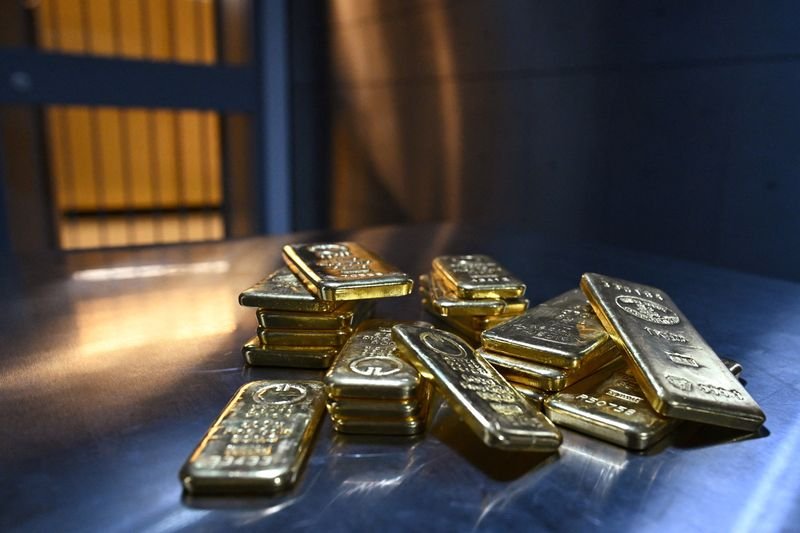
A sudden gold price crash has sent shockwaves through financial markets, unsettling investors and triggering sharp reactions across global exchanges. The gold price crash came alongside a steep fall in silver, deepening anxiety about market positioning and safe-haven strategies worldwide. Traders who had crowded into metals for protection rapidly shifted direction as sentiment changed within hours. The gold price crash quickly became the central theme across trading floors, research desks, and investor briefings from London to New York and across Asian markets during volatile sessions.
Gold fell sharply at the start of the trading week, dropping around eight percent to near $4,465 per ounce. This marked a dramatic reversal after a powerful rally that had pushed prices close to $5,600 only days earlier. The speed of the decline surprised many seasoned participants who expected a slower correction after months of steady gains. Instead, the sell-off accelerated as leveraged positions unwound and stop-loss orders were triggered across multiple exchanges simultaneously.
Silver followed with equally severe pressure, extending losses after an earlier collapse at the end of last week. Prices slid another seven percent after already recording a near thirty percent drop in the previous session. The combined fall across both metals erased a large share of recent gains and forced funds to rebalance portfolios quickly. Market depth thinned during peak selling hours, which amplified price swings and widened spreads across major trading platforms globally.

The catalyst for the metals reversal came from political and monetary policy developments in the United States. Former President Donald Trump announced his intention to nominate Kevin Warsh, a former Federal Reserve governor, as the next central bank chair. Warsh is widely viewed as experienced and institutionally grounded, which reassured investors concerned about future policy direction. That announcement shifted expectations around interest rate independence and reduced fears of aggressive political influence over monetary decisions.
Investors had previously rushed into precious metals as a shield against uncertainty tied to central bank credibility. When those fears began to ease, defensive positions lost momentum and rapidly reversed across futures and exchange traded products. Analysts described the gold price crash as a classic positioning unwind after a heavily crowded safe-haven trade. When too many participants hold the same directional bet, even modest news can trigger disproportionate price adjustments across markets.
Market strategists noted that expectations matter as much as actual policy when pricing safe-haven assets like gold. If traders believe institutional stability is strengthening, demand for defensive stores of value can weaken quickly. That shift appeared clearly as metals dropped while certain risk assets attempted to stabilize after recent volatility. The reaction showed how closely precious metals remain tied to macroeconomic confidence and central bank leadership signals.
The metals slump did not happen in isolation and quickly spread pressure into equity markets worldwide. Futures linked to major American indices pointed to early declines, with technology shares facing notable selling interest. London’s FTSE 100 index opened lower, weighed down by mining companies with heavy exposure to precious metals revenues. Several large miners recorded early losses exceeding five percent as investors reassessed earnings outlooks under lower commodity price assumptions.
Across continental Europe, broader indices also slipped as resource stocks and materials producers moved into negative territory. The coordinated movement highlighted how commodity price shocks can ripple through equity sectors within very short timeframes. Portfolio managers adjusted sector weightings as correlations between metals and mining shares strengthened during the downturn. Volatility measures also ticked higher, reflecting demand for downside protection through options and structured hedging instruments.
Industrial metals joined the downward move, even though their demand drivers differ from precious metals fundamentals. Platinum prices fell around ten percent while copper declined close to nine percent during the same trading window. Traders suggested that momentum and algorithmic strategies contributed to synchronized selling across the broader metals complex. When systematic funds detect trend breaks, they often reduce exposure across related assets rather than single commodities alone.
Cryptocurrency markets also felt pressure during the same period, extending an already fragile correction phase. Bitcoin dropped roughly nine percent over the weekend and slipped below the $76,000 level during active trading. That move placed it far below prior record highs reached during last year’s speculative surge. Some analysts believe overlapping investor bases between crypto and metals amplified cross-market liquidation during the risk adjustment phase.
Energy markets moved differently, with oil prices declining on easing geopolitical tension signals involving the United States and Iran. Brent crude traded near $64.80 per barrel after losing about five percent from recent highs above $71. Lower oil prices reduced inflation pressure expectations slightly, which also influenced interest rate outlook debates. Currency markets reflected these shifts, with the US dollar edging modestly higher against a basket of major rivals.
Despite the violent correction, several major banks maintain constructive longer-term forecasts for gold prices this year. Some research teams still project potential moves toward the $6,000 level if macroeconomic risks return strongly. They argue that structural demand from central banks and long-term reserve diversification remains supportive beneath short-term volatility. However, they also warn that positioning extremes make sharp pullbacks more likely during sentiment transitions.

Trading desks described the recent fall as a cleansing move that removed weaker speculative positions from the market. Positioning indicators that previously showed extreme bullish concentration have now moderated toward more neutral territory. That adjustment may reduce the probability of another immediate gold price crash of similar magnitude. Still, volatility is expected to remain elevated as markets digest new policy expectations and global risk signals.
Longer horizon investors are now reassessing entry strategies rather than abandoning metals exposure altogether after the correction. Many continue to view gold and silver as portfolio diversifiers over full economic cycles, not short-term trades. The recent gold price crash serves as a reminder that even defensive assets can experience rapid drawdowns. Risk management discipline and position sizing remain central themes in institutional responses to the latest market shock.
What happens next will depend on confirmation of leadership changes and forward guidance from central bank officials. Interest rate expectations, inflation data, and geopolitical developments will shape the next directional move across metals markets. Investors are watching closely for signs of stabilization in trading volumes and volatility measures across futures exchanges. Until then, caution is likely to dominate sentiment as participants rebuild conviction after the sudden gold price crash episode.
Related News:
 Reeves Faces Setback as Labour May Miss Homes Target
 Virgin Trains Moves Closer to Challenging Eurostar Monopoly
 UK Small Business Owner to Challenge L’Oréal in Tribunal
 Trump’s UK Ambassador Urges North Sea Drilling to Strengthen US Ties
 150-Year-Old Arctic Beer to Be Reborn in Scotland
 Ryanair Chief UK Economy ‘Doomed’ Under Labour
 Court Hears Challenge Over Water Bills Funding Sewage Fixes
 ABF May Split Primark from Food Division Amid Tough Market
 Rachel Reeves Set to Break Labour Pledge and Raise Income Tax
 UPS Cargo Plane Crash in Kentucky Kills Seven
 M&S Profits More Than Halve After Cyber-Attack
 Tony Blair think tank warns Rachel Reeves must cut taxes if manifesto broken
 Oprah enjoys Meghan’s jam on English muffins
 MPs Press Rachel Reeves to Hike Gambling Taxes
 Earl of Yarmouth Faces £1.3m Legal Bill Over Family Estate
 North Sea oil workers must lose weight or face job loss
 Cuts to home insulation funding threaten UK climate goals
 Warning as Britons prepare to spend £4 billion this Black Friday
 Millionaires group urge Reeves to introduce wealth tax to ‘lift kids out of poverty’
 From Lego to Pokémon: How Adults Are Driving UK Toy Market Growth
 Borough Market Clash Sparks Influencer Backlash
 UK toy market enjoys bumper year as ‘kidults’ fuel demand
 New laws to bolster UK’s defences against cyber attacks on NHS, transport and energy
 Skims Eyes Global Expansion After Reaching $5 Billion Value
 US Strikes Last Penny After 230 Years of Production
 Trump Moves to Cut Coffee and Banana Tariffs in Latin America Deals
 Reeves’s Tax U-Turn Triggers Fresh Jitters in UK Markets
 Global markets drop amid tech sell-off and China slowdown
 Canada Passes Carney’s First Budget in Tight Parliamentary Vote
 UK Rejects Funding to Save Mossmorran Plant
 Nvidia Soars as Blockbuster Earnings Silence AI Bubble Fears
 PM Highlights UK Business at G20 in South Africa
 Mossmorran Plant Closure Hits Cowdenbeath Hard
 UK Taskforce Unveils Plan to Streamline Nuclear Reactor Rules
 Steel billionaire Lakshmi Mittal reportedly leaves UK
 English Mayors Set to Introduce Tourist Taxes
 India’s Labour Law Overhaul Sparks Fierce Debate
 Carney’s Alberta Pipeline Deal Sparks Immediate Pushback
 EU reviews Apple Ads and Maps under strict digital rules
 Starmer Says Labour’s Economic Plan Needs Years to Deliver
 Virgin Media Fined £23.8m Over Telecare Safety Failures
 Rising Water Bills Lift Troubled Thames Back to Profit
 Tesla Warns UK That Weak EV Rules Could Threaten Sales
 Prada buys Versace for $1.38bn, expanding luxury fashion empire
 BP agrees £7.4bn Castrol sale to US investment firm
 Sainsbury’s CEO leads business honours in New Year list
 FTSE 100 Hits 10,000: UK Market Celebrates Record Year
 UK House Prices Fall Sharply at Year-End, Nationwide Reports
 UK Car Sales Pass 2 Million as Chinese Brands Surge
 Starmer Faces Parliamentary Battles Over UK-EU ‘Reset’ Plan
 Wessex Water chiefs receive £50,000 extra despite government bonus ban
 Austrian Airlines Halts Tehran Flights Amid Political Unrest
 3,000 Jobs at Risk Without UK Helicopter Order
 German Supermarket Aldi to Open 180 US Stores This Year
 Starmer links foreign trips to tackling cost of living crisis
 China Dependence Threatens UK Energy Supply Chains and Jobs
 Canada-China trade gains momentum in new strategic partnership
 ScottishPower Tops List of Worst UK Energy Suppliers
 Markets Slide As Gold Rally Signals Risk From Trump Greenland Tariff Plan
MPs warn AI financial risks threaten UK stability
Markets Slide As Gold Rally Signals Risk From Trump Greenland Tariff Plan
MPs warn AI financial risks threaten UK stability
 MPs warn AI financial risks threaten UK stability
 UK Eyes Global Investment with Visa Fee Refunds
 City & Guilds pay surge sparks backlash amid £22m cuts
 UK Inflation Hits 3.4% in December, Ending Five-Month Decline
 Trump Fed bid heads to Supreme Court
 UK Government Borrowing Drops to £11.6bn in December
 B&M and The Works Struggle During Christmas Trading
 ‘Black Tax’: Burden, Pride and Survival for African Workers
 UK Disposable Income Growth Transforms Eleven Towns and Cities
 AI job losses UK: Britain faces sharper employment shock
 India-EU Free Trade Deal Marks Historic Economic Shift
 US Dollar Hits Four-Year Low Amid Market Turmoil
 Amazon mistakenly signals new global layoffs to employees
 Labour Must Revive High Streets to Avoid Election Collapse
 Households in England Face Rising Water Bills in April
 UK needs new factory to reach 1.3m car target, says industry chief
 UK food industry urges transition if post-Brexit rules reset
 AstraZeneca China Investment Signals Strategic Shift Abroad
 UK New Car Discounts Near £6,000 as Prices Are Slashed
 Study Finds One in Seven England Takeaways Are Dark Kitchens