Published: 03 February 2026. The English Chronicle Desk. The English Chronicle Online.
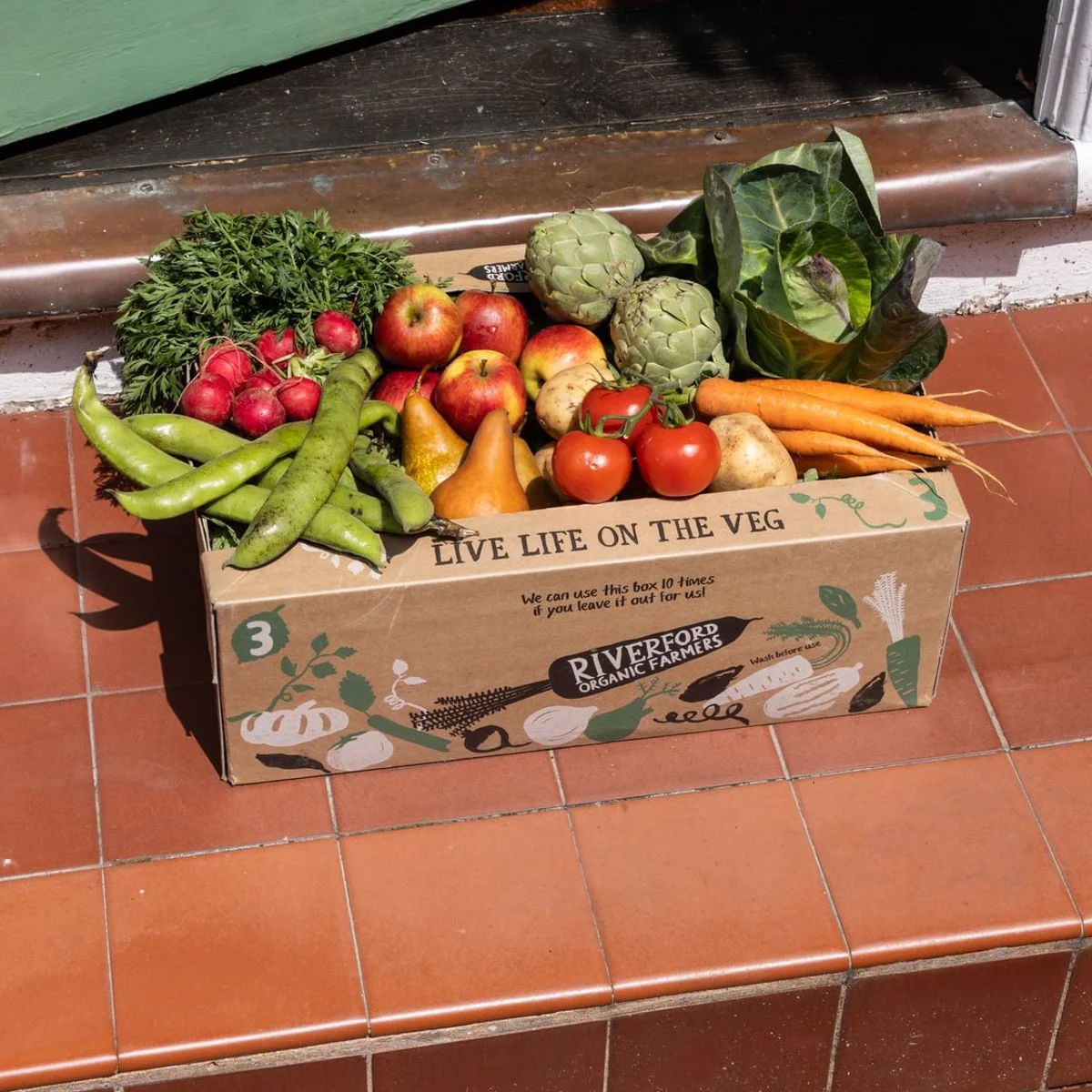
The latest Riverford sales figures show strong growth as the UK organic food sector records its biggest expansion in twenty years. Riverford sales increased by six percent over the past financial year, reflecting changing consumer habits and rising trust in organic suppliers. The employee-owned delivery company reported higher customer demand, larger basket sizes, and steady repeat orders across the country. This growth comes as shoppers place greater value on food quality, sourcing transparency, and sustainable farming practices.
Riverford, based in Devon, reported annual revenue reaching £117 million for the year ending May 2025. The business delivers around seventy thousand food boxes each week to households across the UK. Its range includes vegetables, meat, dairy products, recipe kits, and cookbooks alongside core organic produce. Executives say customer loyalty has strengthened while new subscriptions have also increased steadily throughout the period. The performance closely tracks wider industry data showing a sharp rise in organic spending nationwide.
Independent market figures indicate the UK organic food and drink market expanded by nearly nine percent during the same period. Analysts describe this as the strongest rate of growth seen in two decades. Sector observers link the rise to health awareness, environmental concerns, and demand for verified supply chains. Many households now prefer buying from specialist producers instead of relying only on mainstream supermarket ranges. That shift has created favourable conditions for established organic delivery businesses with trusted reputations.

Company leadership says both new and existing customers supported the stronger Riverford sales performance across the latest year. Returning buyers increased their average order values while subscription retention stayed stable in most regions. Executives observed a rapid rise in demand for ethical meat and higher welfare animal products. Organic meat now represents about one tenth of total turnover, making it one of the fastest growing categories. Customer feedback highlights clear interest in traceability, sourcing clarity, and verified farming standards.
Despite higher Riverford sales, operating profit declined compared with the previous reporting period due to sustained cost pressure. Earnings dropped to £3.4 million from £4.7 million as logistics and supply expenses increased. Leadership confirmed that part of these rising costs were absorbed internally instead of fully passed to buyers. This strategy aimed to protect affordability and maintain loyalty during a difficult economic cycle. Input expenses remained unstable across fuel, packaging, labour, and imported goods throughout the year.
Average prices across the full product range increased by around three percent during the reporting window. Management linked the adjustment to wage growth, elevated energy bills, and additional cross-border paperwork requirements. Goods sourced from partner farms in France and Spain faced extra administrative steps under post-Brexit trade rules. These processes added time and operational cost to inbound supply flows. Even with adjustments, Riverford sales momentum held steady as customer demand remained resilient.
Weather conditions also shaped short term performance after the financial year ended. Extended summer heat reduced order volumes as household buying habits shifted temporarily. Demand then strengthened over the Christmas period and carried forward into the new year. Executives describe seasonal swings as a normal feature of subscription food delivery models. They expect the long term demand trend to continue rising gradually.
Industry comparisons show that organic food still represents only about two percent of total UK grocery sales. That figure remains well below levels seen in several European markets, including Denmark and Germany. Market specialists believe this gap leaves meaningful room for continued expansion over the coming years. If awareness and distribution improve, the share could climb steadily from its current base. Businesses positioned early in the organic supply chain may benefit most from that structural shift.
Riverford’s ownership structure continues to shape its financial decisions and workforce policies. The company is majority owned by its employees after a staged transfer of shares from its founder. Staff members receive equal profit shares each year and are paid at least the independently verified living wage. Following the latest results, workers received a combined bonus payout of £1.1 million. The previous year delivered a slightly larger distribution, reflecting stronger profit margins at that time.
Founder Guy Singh-Watson began the enterprise in the 1980s by growing vegetables for supermarket supply contracts. He later started delivering produce directly to a small group of local customers. That modest delivery network eventually developed into a nationwide subscription model serving tens of thousands of households. The founder completed the sale of his remaining ownership stake in 2024 for £8.5 million. Control now rests fully with employees through the established ownership trust structure.
Environmental investment remains central to the company’s long term strategy and brand identity. Management reports that about seventy percent of its delivery vans are now electric vehicles. The fleet also includes two heavy goods vehicles powered by electric systems rather than diesel engines. These changes aim to reduce transport emissions across last-mile and regional distribution routes. Infrastructure upgrades continue at depots to support charging capacity and route planning efficiency improvements.
Beyond transport, the business supports nature recovery and land restoration projects on partner farms. Tree planting programmes and woodland pasture initiatives are underway at its Wash Farm site and neighbouring suppliers. These projects combine livestock grazing with expanded tree cover to improve biodiversity outcomes. Soil health and carbon retention form key performance measures within these schemes. Executives say customers increasingly value measurable environmental commitments from food producers.

Looking ahead, leadership expects steady progress but warns that uncertainty still affects the farming community. Inflation continues to influence supplier costs across fuel, labour, and raw materials. The relaunch of the government’s sustainable farming incentive programme has been welcomed by many producers. However, earlier policy pauses created hesitation around organic conversion and farm expansion decisions. Some growers delayed investment while waiting for clearer long term support frameworks.
Company executives caution that supply gaps could appear if farm transitions do not keep pace with rising demand. Organic farming requires planning, certification, and multi-year soil preparation before full output begins. Without predictable policy backing, fewer farms may commit to that pathway. That imbalance could eventually tighten availability and raise wholesale prices. Stable policy signals are therefore seen as critical for sustaining the current market momentum.
Market analysts say the latest Riverford sales performance reflects broader behavioural change among UK consumers. Shoppers increasingly connect diet, sustainability, and supply chain ethics when making purchasing decisions. Subscription delivery models benefit from that mindset because they emphasise provenance and producer relationships. If economic pressures ease, discretionary spending on premium food categories could strengthen further. That scenario would likely support continued organic sector expansion over the medium term.
Related News:
 Tories Push to Dilute Labour’s Workers’ Rights Bill
 CMA Flags Concerns Over Greencore-Bakkavor Merger
 Derby Bounce Centre to Close Amid Car Park Dispute
 P.Louise Christmas Event Cancelled in Manchester
 Reeves Faces Setback as Labour May Miss Homes Target
 UK Small Business Owner to Challenge L’Oréal in Tribunal
 Trump’s UK Ambassador Urges North Sea Drilling to Strengthen US Ties
 150-Year-Old Arctic Beer to Be Reborn in Scotland
 Court Hears Challenge Over Water Bills Funding Sewage Fixes
 London bagel shop tops Deliveroo’s global orders list
 ABF May Split Primark from Food Division Amid Tough Market
 Rachel Reeves Set to Break Labour Pledge and Raise Income Tax
 UPS Cargo Plane Crash in Kentucky Kills Seven
 Thinktanks Urge Rachel Reeves to Reform UK Tax System
 Gopichand Hinduja, UK’s Wealthiest Business Leader, Dies
 M&S Profits More Than Halve After Cyber-Attack
 Company linked to Michelle Mone owes £39m in tax
 Tony Blair think tank warns Rachel Reeves must cut taxes if manifesto broken
 Oprah enjoys Meghan’s jam on English muffins
MPs Press Rachel Reeves to Hike Gambling Taxes
Oprah enjoys Meghan’s jam on English muffins
MPs Press Rachel Reeves to Hike Gambling Taxes
 NHS Takes Over Nuffield Hospital in ‘Windfall’ for London Care
 North Sea oil workers must lose weight or face job loss
 Cuts to home insulation funding threaten UK climate goals
 Warning as Britons prepare to spend £4 billion this Black Friday
 Troubled drinks giant Diageo names former Tesco boss to lead turnaround push
 Millionaires group urge Reeves to introduce wealth tax to ‘lift kids out of poverty’
 Taylor Wimpey Sales Drop Amid Budget Uncertainty
 Borough Market Clash Sparks Influencer Backlash
 UK toy market enjoys bumper year as ‘kidults’ fuel demand
 Reeves’s Tax U-Turn Triggers Fresh Jitters in UK Markets
 Global markets drop amid tech sell-off and China slowdown
 PM Highlights UK Business at G20 in South Africa
 Eurotunnel Investment Halted as UK Rates Soar
 Mossmorran Plant Closure Hits Cowdenbeath Hard
 UK Energy Bills to Rise Slightly in January
 UK Government Borrowing Higher Than Expected
 UK Taskforce Unveils Plan to Streamline Nuclear Reactor Rules
 Steel billionaire Lakshmi Mittal reportedly leaves UK
 Minister Denies Budget Leaks Have Harmed UK Economy
Budget 2025: Reeves Drops Economic Growth Reference
Minister Denies Budget Leaks Have Harmed UK Economy
Budget 2025: Reeves Drops Economic Growth Reference
 Expanded Version – Black Friday Shoppers Warned Over ‘Dud Deals’
 English Mayors Set to Introduce Tourist Taxes
 Black Friday Footfall Falls as UK Shoppers Hold Back Amid Economic Concerns
 Starmer Says Labour’s Economic Plan Needs Years to Deliver
 Virgin Media Fined £23.8m Over Telecare Safety Failures
 Rising Water Bills Lift Troubled Thames Back to Profit
BBC bosses ‘right to stick by their guns’ against Trump, says minister
Rising Water Bills Lift Troubled Thames Back to Profit
BBC bosses ‘right to stick by their guns’ against Trump, says minister
 Bet365 Boss Nets £280m Despite Profit Drop
 Sainsbury’s CEO leads business honours in New Year list
 UK Car Sales Pass 2 Million as Chinese Brands Surge
 Starmer Faces Parliamentary Battles Over UK-EU ‘Reset’ Plan
 Phoenixism Costs UK Taxpayers Millions in Recruitment Sector
 3,000 Jobs at Risk Without UK Helicopter Order
 China Dependence Threatens UK Energy Supply Chains and Jobs
 South East Water chief faces £400,000 bonus amid outages
 ScottishPower Tops List of Worst UK Energy Suppliers
MPs warn AI financial risks threaten UK stability
ScottishPower Tops List of Worst UK Energy Suppliers
MPs warn AI financial risks threaten UK stability
 MPs warn AI financial risks threaten UK stability
 City & Guilds pay surge sparks backlash amid £22m cuts
 UK Government Borrowing Drops to £11.6bn in December
 UK Disposable Income Growth Transforms Eleven Towns and Cities
 AI job losses UK: Britain faces sharper employment shock
 Most young adults in UK fear uncertain jobs and economic future
 Royal Mail delivery delays affect 16 million during Christmas
 Labour Must Revive High Streets to Avoid Election Collapse
 Households in England Face Rising Water Bills in April
 UK New Car Discounts Near £6,000 as Prices Are Slashed
 Study Finds One in Seven England Takeaways Are Dark Kitchens
 Inside the Helpline Protecting Missing Children in the UK
 PlayStation PS5 Deals Hit Lowest Prices Ahead of Black Friday
 Five-Year-Old Dies After Rare Tonsil Surgery Complication
 Historic £100-Weekly Pension Boost Brings Relief for UK Mineworkers
 Children to Receive Home Vaccines as England Acts
 Cambridge College Faces Backlash Over Private School Recruitment
 Bereaved Fathers Gain New Paternity Leave Rights in UK
 Woman Jailed for Life After Killing E-Bike Rider in Tragic Mistaken Identity Case
 No Gas Boiler Ban as UK Warm Homes Plan Backs Heat Pumps
 Police response times face strict new national limits
 Devon hosts first high-density hydro power system
 US Dollar Hits Four-Year Low Amid Market Turmoil