Published: 03 February 2026. The English Chronicle Desk. The English Chronicle Online.
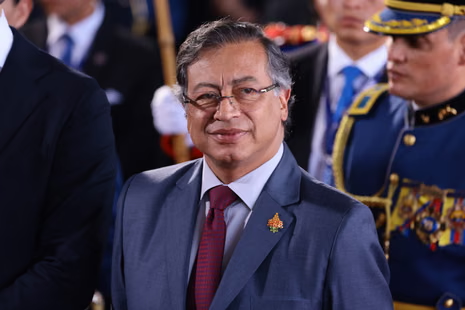
The focus on Trump-Petro meeting has dominated diplomatic discussions across Washington and Bogotá, capturing global attention. This high-stakes encounter between Donald Trump and Colombia’s President Gustavo Petro marks a rare opportunity for dialogue after months of intense verbal sparring and accusations surrounding regional security, drug trafficking, and geopolitical influence. Analysts warn that the outcome of this Trump-Petro meeting could redefine bilateral relations, particularly in areas where collaboration might reduce violence and improve economic stability.
One month prior, tensions seemed insurmountable. The United States conducted a high-profile raid in Caracas to capture Venezuelan leader Nicolás Maduro, prompting Trump to publicly warn Petro that he might be “next,” and accusing him of involvement in narcotics operations. Petro, a former guerrilla leader who demobilised in the 1990s, responded forcefully, insisting that while he had renounced arms, defending his homeland remained non-negotiable. The rhetoric escalated until a last-minute, high-pressure phone call on 7 January initiated by diplomats from both nations laid the groundwork for a face-to-face discussion.

Experts suggest outcomes of the Trump-Petro meeting remain unpredictable. Michael Shifter, a professor of Latin American geopolitics at Georgetown University, explained that both presidents possess “erratic, temperamental” styles, meaning that discussions could swing from confrontation to cooperation rapidly. Victor Mijares, a political scientist at Bogotá’s Universidad de los Andes, emphasized that Petro’s agenda is dual: national interests versus personal vindication. “He has national priorities like trade, migration, and security, yet he also wants to reassure Trump about allegations of drug trafficking,” Mijares noted.
The historical backdrop complicates the discussion. In October, the United States sanctioned Petro, his wife, and Interior Minister Armando Benedetti for alleged involvement in illicit drug operations, and revoked Petro’s visa after his appearance at a pro-Palestine rally in New York. While these claims remain controversial, the presence of US lawyer Dan Kovalik in Bogotá’s preparatory meetings indicates Petro’s personal concerns remain high on his negotiation list.
Petro has not shied away from publicly asserting his position. In recent speeches, he reiterated criticism of the US intervention in Venezuela, arguing that Maduro should face trial in his own country for federal charges, including facilitating drug trafficking. Yet, despite past tensions, Colombia has signaled willingness to cooperate with the United States in key areas. Plans to restart aerial spraying of coca crops using glyphosate have been announced, reviving aspects of the Plan Colombia strategy suspended in 2015 due to health concerns. Meanwhile, deportation flights for migrants have resumed, removing one of the earlier flashpoints that triggered Petro-Trump tensions.
Security and guerrilla conflict remain central issues likely to shape the Trump-Petro meeting outcomes. Analysts note the potential for joint action against the National Liberation Army (ELN), Colombia’s largest guerrilla faction along the Venezuela border, could stabilize the region. Benjamin Gedan, director of the Stimson Center Latin America program, stressed Colombia’s strategic role: “A stable Colombia can positively influence Venezuela and benefit from a more prosperous neighbor.” Yet, he cautioned that Trump may underestimate these complex regional dynamics, focusing primarily on high-profile headlines rather than nuanced policy.
The political ramifications of the encounter extend beyond immediate diplomacy. Petro, whose term ends in August and is barred from re-election, is using the meeting to solidify his legacy and influence upcoming elections in May. The optics alone could aid leftist allies like Iván Cepeda, providing momentum for campaigns that seek continuity of Petro’s initiatives. Shifter observed that a successful meeting could disorient Colombia’s right-wing opposition, while Mijares added that Petro’s alignment with personal and national interests may determine the meeting’s ultimate impact.
Economic collaboration could also emerge as a major talking point. Both leaders may explore trade incentives and investment opportunities that strengthen bilateral commerce while addressing regional development gaps. Petro has signaled openness to engage with US initiatives targeting sustainable development and counter-narcotics strategies, yet implementation details remain vague. Analysts stress that success hinges on genuine commitment rather than mere diplomatic photo opportunities.

In cultural and diplomatic symbolism, the meeting represents a rare moment of rapprochement in a historically tense US-Colombia relationship. Decades of shifting alliances, drug war legacies, and ideological divides have complicated cooperation, but the current political landscape creates an incentive for pragmatic engagement. Observers emphasize that while personal dynamics between Trump and Petro are unpredictable, structured negotiations backed by legal, political, and security frameworks could yield substantive agreements.
Ultimately, the Trump-Petro meeting will be judged not by rhetoric, but by measurable outcomes affecting trade, security, and regional stability. Experts warn that a superficial or symbolic resolution may only delay deeper conflicts, whereas a clear roadmap for joint initiatives could mark a turning point in hemispheric relations. For Petro, balancing national priorities against personal vindication remains a delicate task, while Trump faces the challenge of asserting influence without alienating allies or oversimplifying complex regional issues.
As international media and diplomats watch closely, the encounter may serve as a case study in modern presidential diplomacy, where individual personalities intersect with structural realities. Whether the meeting results in detente or discord, its significance will be felt across Bogotá, Washington, and beyond, shaping narratives around leadership, negotiation, and the pursuit of stability in a volatile geopolitical environment.
Related News:
 Shock US Raid: Maduro Pleads Not Guilty in Manhattan Court
 Trump Plans Venezuela Meeting, Warns of Cartel Land Strikes
 Mandelson apologises over Epstein ties after public scrutiny
 Rudd successor: Defence chief and former ministers considered
 US Senate rejects resolution limiting Trump military powers
 Trump Calls Greenland Critical for US Security After Denmark Talks
 Trump: Iran Killing Has Stopped, Strike Threats Pulled Back
 Machado Trump medal gesture reshapes Venezuela power struggle
 Trump Receives Machado’s Nobel Medal in White House Meeting
 Iran unrest slows under brutal crackdown and global tensions
 Trump Allies Pursue $200m European Gas Pipeline Deal
 US Considers Asylum for British Jews Amid Rising Antisemitism
 Starmer Challenges US Over Controversial Greenland Deal
 Spoof “Make America Go Away” Caps Rally Denmark Over Greenland
 Trump slams UK ‘stupidity’ over Chagos Islands, eyes Greenland takeover
 UK Presses On With Chagos Handover Despite Trump Criticism
 Kim Jong-un Fires Vice-Premier Over Factory Failures
 Shinzo Abe’s killer receives life sentence in Japan
 Starmer Resists Matching Trump Amid Greenland Tensions
 Netanyahu Accepts Trump’s ‘Board of Peace’ Invitation
 South Korean Ex-PM Jailed 23 Years Over Martial Law Role
 Russia Strikes Kyiv and Kharkiv as Peace Talks Enter Day Two
 Canada Rules Out Free Trade Deal With China Amid US Tensions
 Turnbull urges Albanese to confront Trump’s global ‘bully’ politics
 Snow Threatens Japan Election Turnout Amid Extreme Cold
 Keir Starmer meets Xi to strengthen UK-China economic relations
 Crisis Looms as Liberals Debate Sussan Ley Future
 Cambridge Faces Scrutiny Over Arms Investment Transparency
 Files Link Andrew to Epstein Dinner After Prison Release
 Thousands Protest ICE Operations in Nationwide US Day of Action
 Epstein Files Reveal Trump Officials’ Emails with Financier
 Thousands Protest ICE in New York Against Trump Deportation Campaign
 Green Party Surges Past Labour in Latest UK Poll
 Army Officers Orders to Cut Ties with Men-Only Clubs
 Trump’s UK Ambassador Urges North Sea Drilling to Strengthen US Ties
 French Taxi Driver Cleared in David Lammy Theft Case After Fare Dispute
 Labour immigration crackdown could cost UK £4.4bn
BBC to Apologise Over Edited Trump Speech Amid Backlash
Labour immigration crackdown could cost UK £4.4bn
BBC to Apologise Over Edited Trump Speech Amid Backlash
 Britain deploys RAF specialists to assist Belgium with drone threats
 Millionaires group urge Reeves to introduce wealth tax to ‘lift kids out of poverty’
 Starmer Faces Growing Dissent as Labour MPs Weigh Leadership Challenge
 Reeves rejects £1bn plea for NHS redundancy payouts
 PM Condemns Leaks, Vows Loyalty to Ministers and Stability
 Major Rent Reform Ends No-Fault Evictions in England
 Senator John Fetterman Hospitalized After Fall from Heart Flare-Up, Keeps Sense of Humor
 Greene Pushes Epstein Files Amid Trump Fallout
 Trump Deploys DHS to Charlotte in Major Arrest Operation
 December Run-Off in Chile as Election Produces No Winner
 Canada Passes Carney’s First Budget in Tight Parliamentary Vote
 Shadow Fleet at Sea: Europe’s Battle Against Illicit Oil Shipping
 Most Tories Expect to Support a Farage-Led Government
 Georgians Defy Government Crackdown After Year of Protests
 US National Guard Member Killed in DC Shooting
 ICC to Rule on Duterte’s Provisional Release
 Starmer Says Labour’s Economic Plan Needs Years to Deliver
 Khaleda Zia Death in Bangladesh: First Female PM Dies at 80
 Russia losses Ukraine war peace talks intensify amid rising deaths
 Albanese Opens Door to Bondi Royal Commission Amid Rising Pressure
 Trump Escalates Minnesota Immigration Surge Amid Rising Tensions
 Saudi Officials Report Zubaidi Flee Before Yemen Peace Talks
 UK Targets in New York Bomb Threat Hoax: Man Jailed
 Iran Protesters Defy Crackdown as Violent Clashes Intensify
 Homeland security agents deployed amid Minneapolis protests
 Trump targets Iran trade with 25% tariff warning
 Gulf states warn Trump Iran strikes risk wider Middle East war
 Geopolitical football: Iran, Trump and the World Cup clash
 Right Must Unite After Jenrick Defection, Urges Rees-Mogg
 EU weighs response amid Greenland tariff crisis with Trump
 UK Ministers Drop Foreign Student Targets for Global Education Push
 No Gas Boiler Ban as UK Warm Homes Plan Backs Heat Pumps
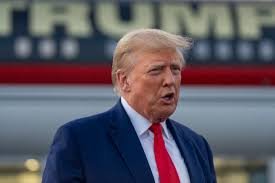 American democracy faces crisis after Trump’s return
 Sussan Ley leadership milestone shakes Liberal future
 EU Says US Ties Have Suffered ‘Big Blow’ After Greenland Crisis
 Satire Can Skewer Trump, But It Won’t Save Democracy
 Police response times face strict new national limits
 China General Under Investigation Amid Leadership Purge
 Labour policing overhaul sparks fears over growing central control
 Starmer warns of toxic division politics in Reform challenge
 Keir Starmer Signals UK China Reset With Xi Visit Possibility
 Israel Moves to Bar MSF From Gaza Operations