Published: 03 February 2026. The English Chronicle Desk. The English Chronicle Online.
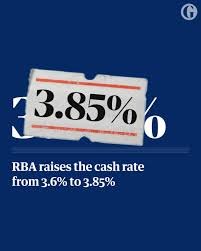
The Reserve Bank’s cash rate decision has sent mortgage holders across Australia into immediate concern, as borrowing costs are set to rise sharply. The RBA increased the cash rate to 3.85%, up from 3.6%, marking the first rate hike in more than two years and signalling potential further increases if inflation remains elevated. This rate adjustment reflects the central bank’s efforts to manage persistently high consumer prices, with the focus keyword “cash rate” emerging as a key element in discussions of economic stability.
RBA governor Michele Bullock described the rate change as necessary to protect long-term economic health. She acknowledged the impact on households, noting that while Australians with mortgages would feel the burden, the decision was crucial to prevent inflation from spiralling further. Bullock highlighted that the board now expects inflation to remain above target for longer than anticipated, making immediate action unavoidable.

The decision concluded a brief period of rate cuts last year, which saw three reductions in February, May, and August. Analysts warn that the current increase will raise monthly repayments on a $600,000 mortgage by approximately $90, taking them to nearly $3,782. Major lenders, including the Commonwealth Bank, responded swiftly by raising variable mortgage rates by 25 basis points, effective from 13 February. The “cash rate” has therefore become the centre of national attention as Australians adjust to the new financial reality.
Economic experts had previously cautioned that a hike could stall recovery, given that inflation spikes were partially driven by temporary factors. Despite this, the RBA emphasised that consumer prices have risen steadily, with annual inflation now at 3.8%, clearly exceeding the target range of 2% to 3%. Forecasts indicate inflation could peak at 4.2% mid-year, potentially extending the cost-of-living pressures Australians already face.
Homeowners and builders alike are feeling the squeeze, as construction costs climb in response to strong demand, and durable goods, such as furniture and appliances, are also experiencing fast price growth. The treasurer, Jim Chalmers, faced criticism in parliament, where he acknowledged the hike was expected but nevertheless difficult for mortgage holders. The move also challenges government claims of maintaining economic stability following last year’s federal election.
The RBA’s statement made it clear that future rate decisions will remain data-driven. While no formal guidance was given, Bullock left open the possibility of additional hikes if inflation does not moderate. Economists at the National Australia Bank predict a follow-up 25 basis point increase in May, though uncertainties remain due to potential global shocks or further domestic price pressures.
International factors have influenced the central bank’s outlook, including ongoing trade tensions and global economic performance. However, despite such pressures, the Australian economy has shown resilience, particularly in employment, supporting the board’s view that controlled rate hikes are manageable. The unanimous vote by the RBA board underscores a shared commitment to curbing inflation and stabilising household finances over the medium term.

Financial analysts, including Russel Chesler of VanEck, stressed that the increase in the cash rate was unavoidable. Chesler argued that while the rise was widely anticipated, it represents a decisive step in confronting inflationary risks that could otherwise undermine broader economic confidence. The RBA’s projections suggest that a return to the target inflation band may not occur until mid-2027, with at least one more rate adjustment likely required.
For ordinary Australians, the impact of the cash rate hike will be tangible in monthly household budgets, affecting both mortgage holders and those seeking to enter the housing market. Economists caution that while interest rate management is a crucial tool, households must plan carefully as further increases could follow. The RBA’s commitment to monitoring financial conditions closely ensures that any future decisions will remain responsive to evolving domestic and global economic pressures.
This latest rate move marks a turning point in Australia’s monetary policy, reflecting the delicate balance between sustaining growth and curbing inflation. With consumer prices rising faster than anticipated, the RBA has signalled that its fight against inflation remains a top priority, making “cash rate” a central concern for policymakers, lenders, and households alike. The coming months will reveal whether this tightening cycle is sufficient or if additional measures will be necessary to protect economic stability.
Related News:
 Reeves Faces Setback as Labour May Miss Homes Target
 Virgin Trains Moves Closer to Challenging Eurostar Monopoly
 UK Small Business Owner to Challenge L’Oréal in Tribunal
 Trump’s UK Ambassador Urges North Sea Drilling to Strengthen US Ties
 150-Year-Old Arctic Beer to Be Reborn in Scotland
 Ryanair Chief UK Economy ‘Doomed’ Under Labour
 Court Hears Challenge Over Water Bills Funding Sewage Fixes
 ABF May Split Primark from Food Division Amid Tough Market
 Rachel Reeves Set to Break Labour Pledge and Raise Income Tax
 UPS Cargo Plane Crash in Kentucky Kills Seven
 M&S Profits More Than Halve After Cyber-Attack
 Tony Blair think tank warns Rachel Reeves must cut taxes if manifesto broken
 Oprah enjoys Meghan’s jam on English muffins
 MPs Press Rachel Reeves to Hike Gambling Taxes
 Earl of Yarmouth Faces £1.3m Legal Bill Over Family Estate
 North Sea oil workers must lose weight or face job loss
 Cuts to home insulation funding threaten UK climate goals
 Warning as Britons prepare to spend £4 billion this Black Friday
 Millionaires group urge Reeves to introduce wealth tax to ‘lift kids out of poverty’
 From Lego to Pokémon: How Adults Are Driving UK Toy Market Growth
 Borough Market Clash Sparks Influencer Backlash
 UK toy market enjoys bumper year as ‘kidults’ fuel demand
 New laws to bolster UK’s defences against cyber attacks on NHS, transport and energy
 Skims Eyes Global Expansion After Reaching $5 Billion Value
 Trump Moves to Cut Coffee and Banana Tariffs in Latin America Deals
 Reeves’s Tax U-Turn Triggers Fresh Jitters in UK Markets
 Global markets drop amid tech sell-off and China slowdown
 Canada Passes Carney’s First Budget in Tight Parliamentary Vote
 UK Rejects Funding to Save Mossmorran Plant
 Nvidia Soars as Blockbuster Earnings Silence AI Bubble Fears
 PM Highlights UK Business at G20 in South Africa
 Mossmorran Plant Closure Hits Cowdenbeath Hard
 UK Taskforce Unveils Plan to Streamline Nuclear Reactor Rules
 Steel billionaire Lakshmi Mittal reportedly leaves UK
 English Mayors Set to Introduce Tourist Taxes
 India’s Labour Law Overhaul Sparks Fierce Debate
 Carney’s Alberta Pipeline Deal Sparks Immediate Pushback
 EU reviews Apple Ads and Maps under strict digital rules
 Starmer Says Labour’s Economic Plan Needs Years to Deliver
 Virgin Media Fined £23.8m Over Telecare Safety Failures
 Rising Water Bills Lift Troubled Thames Back to Profit
 Tesla Warns UK That Weak EV Rules Could Threaten Sales
 Prada buys Versace for $1.38bn, expanding luxury fashion empire
 BP agrees £7.4bn Castrol sale to US investment firm
 Sainsbury’s CEO leads business honours in New Year list
 FTSE 100 Hits 10,000: UK Market Celebrates Record Year
 UK House Prices Fall Sharply at Year-End, Nationwide Reports
 UK Car Sales Pass 2 Million as Chinese Brands Surge
 Starmer Faces Parliamentary Battles Over UK-EU ‘Reset’ Plan
 Wessex Water chiefs receive £50,000 extra despite government bonus ban
 Austrian Airlines Halts Tehran Flights Amid Political Unrest
 3,000 Jobs at Risk Without UK Helicopter Order
 German Supermarket Aldi to Open 180 US Stores This Year
 Starmer links foreign trips to tackling cost of living crisis
 China Dependence Threatens UK Energy Supply Chains and Jobs
 Canada-China trade gains momentum in new strategic partnership
 ScottishPower Tops List of Worst UK Energy Suppliers
 Markets Slide As Gold Rally Signals Risk From Trump Greenland Tariff Plan
MPs warn AI financial risks threaten UK stability
Markets Slide As Gold Rally Signals Risk From Trump Greenland Tariff Plan
MPs warn AI financial risks threaten UK stability
 MPs warn AI financial risks threaten UK stability
 UK Eyes Global Investment with Visa Fee Refunds
 City & Guilds pay surge sparks backlash amid £22m cuts
 UK Inflation Hits 3.4% in December, Ending Five-Month Decline
 Trump Fed bid heads to Supreme Court
 UK Government Borrowing Drops to £11.6bn in December
 B&M and The Works Struggle During Christmas Trading
 ‘Black Tax’: Burden, Pride and Survival for African Workers
 UK Disposable Income Growth Transforms Eleven Towns and Cities
 AI job losses UK: Britain faces sharper employment shock
 India-EU Free Trade Deal Marks Historic Economic Shift
 US Dollar Hits Four-Year Low Amid Market Turmoil
 Amazon mistakenly signals new global layoffs to employees
 Labour Must Revive High Streets to Avoid Election Collapse
 Households in England Face Rising Water Bills in April
 UK needs new factory to reach 1.3m car target, says industry chief
 UK food industry urges transition if post-Brexit rules reset
 AstraZeneca China Investment Signals Strategic Shift Abroad
 UK New Car Discounts Near £6,000 as Prices Are Slashed
 Study Finds One in Seven England Takeaways Are Dark Kitchens
 Riverford sales surge as UK organic market booms