Published: 05 February 2026. The English Chronicle Desk. The English Chronicle Online.
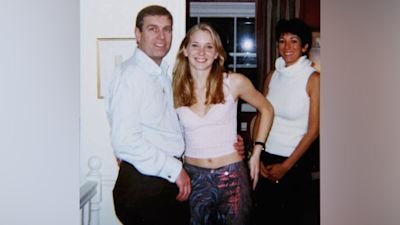
The recently released Maxwell email confirmation appears in the first 100 words and is now reverberating across global media as fresh evidence emerges from the latest release of the Jeffrey Epstein files. In a development that has reignited international headlines, a previously unseen email believed to have been written by Ghislaine Maxwell suggests a long‑disputed photograph showing former Prince Andrew Mountbatten‑Windsor alongside Virginia Giuffre is authentic and not fabricated. The email, uncovered within the US Department of Justice’s extensive tranche of documents, was sent in 2015 as a “draft statement” from “G Maxwell” to Jeffrey Epstein, and her account directly contradicts years of denials by the ex‑royal over the origin and authenticity of the image.
The Maxwell email confirmation describes an occasion in 2001 where she wrote that the redacted woman, widely understood to be Giuffre, met “a number of friends of mine including Prince Andrew,” and that “a photograph was taken as I imagine she wanted to show it to friends and family.” Within this phrasing, Maxwell appears to admit the encounter and the photograph’s legitimacy, a moment that could undermine the former Duke of York’s repeated public claims that he did not recall Giuffre or that the image may have been doctored.

Virginia Giuffre, who tragically died by suicide in April 2025 at the age of 41, had long maintained that she was trafficked by Epstein and his associates and coerced into sexual encounters with powerful men, including Andrew, when she was a teenager. Giuffre’s version of events, dismissed and challenged by royal aides and legal representatives over the years, has now been buoyed by her family’s response to the Maxwell email confirmation. Her brother described the documentation in stark terms, saying it vindicated her claims and proved her testimony about those years of exploitation was true.
The controversies surrounding Prince Andrew date back over a decade, intertwining with public debate over his connections to Epstein and Maxwell, and intense scrutiny of royal accountability. In 2019, he sparked global headlines when he appeared in a widely criticised BBC interview to defend himself against accusations involving Giuffre, denying ever meeting her and suggesting he could not prove the authenticity of the photograph. At that time he also offered an alibi that he was dining elsewhere when the image was captured, remarks that drew significant public and media criticism for a perceived lack of empathy and clarity.
Despite his forceful denials, the Maxwell email confirmation now places the authenticity of the image at the center of renewed scrutiny. The details in the 2015 correspondence stand in marked contrast to Andrew’s own narrative and raise questions about the accuracy of past statements made on his behalf. As the document was disclosed by the US Justice Department, legal analysts have underscored that it was part of a “draft statement” Maxwell prepared, suggesting she may have had a different version of events privately than what was later publicly presented.
The news has sent ripples through media and legal circles in both the UK and internationally, especially given that in 2022 Andrew reached a civil settlement with Giuffre over claims of sexual assault. That settlement involved a multi‑million pound payout but included no admission of liability. The absence of a legal admission at that point had left many observers frustrated, but the emergence of the Maxwell email confirmation could reignite questions about accountability and transparency.
Beyond the legal implications, the human toll remains at the forefront of reporting. Giuffre’s death in 2025, coming amid years of public dispute over her allegations and mental anguish, has added an emotional dimension to the Maxwell email confirmation headlines. Her family’s declaration of vindication reflects a profound shift in the narrative that has surrounded these issues for more than a decade. Many advocates for survivors of abuse have reacted to the development with calls for renewed focus on systemic failures that allowed Epstein’s network to operate for years with limited consequences.

Across the UK, public opinion has been sharply divided over Prince Andrew’s role in the Epstein scandal, with opinion pieces, parliamentary commentary, and social media discussion all grappling with what the Maxwell email confirmation represents for the monarchy and public trust. Some commentators feel that the new evidence deepens the unresolved legal and moral questions that have surrounded the case, while others warn against drawing definitive conclusions before all documents and context are fully examined.
The Metropolitan Police in the UK previously reviewed allegations related to Andrew and Giuffre’s time in London in 2001 but chose not to pursue a formal criminal investigation in December. The Maxwell email confirmation could renew pressure on law enforcement and judicial bodies to reassess what evidence is available, even years after the initial settlement and public dispute. For many observers, the interplay between this new document and legal standards highlights ongoing tensions in how powerful figures are held to account in cases involving sexual abuse allegations.
As the media landscape continues to cover the implications of the Maxwell email confirmation, it remains clear that the conversation is far from over. With families of victims seeking closure, institutions calling for transparency, and historians noting the lasting impact of the Epstein scandal on public life, this development represents a pivotal moment in a story that has spanned continents and years of reporting. How it affects future inquiries, public perception of the monarchy, and legal precedents around historical abuse cases may unfold in the months ahead.
Related News:
 Peterborough Mosques Tighten Security After Attack
 Reeves Faces Setback as Labour May Miss Homes Target
 Hospice Cuts Raise Alarm Across England Amid Funding Crisis
 UK Woman Loses Child Benefit After Booking Flight She Never Took
 Kate Winslet to Narrate Film Highlighting King’s Environmental Mission
 Green Party Surges Past Labour in Latest UK Poll
 Trump’s UK Ambassador Urges North Sea Drilling to Strengthen US Ties
 Children to Learn Local History in Major Curriculum Overhaul
 Granit Xhaka Rescue Earns Everton Draw at Sunderland
 French Taxi Driver Cleared in David Lammy Theft Case After Fare Dispute
 The Lowry Hotel: Manchester’s Iconic Five-Star Retreat
 UK Bans Fake Numbers: Scammers Lose Their Trick
 Prince William Plants Trees with Brazil’s Nature Heroes
 M&S Profits More Than Halve After Cyber-Attack
 Just Stop Oil Protesters Convicted Amid Climate Defence Row
 Kent village told to remove flags before Christmas lights go up
 Tony Blair think tank warns Rachel Reeves must cut taxes if manifesto broken
 Patients to Test Health at Home to Ease NHS Winter Pressure
 King Charles to Lead Nation in Remembrance Sunday Service
 How to get help when a child goes missing – call 999 urgently
 Palace May Restore Hyphen to Andrew Mountbatten-Windsor’s Name
 Millionaires group urge Reeves to introduce wealth tax to ‘lift kids out of poverty’
 Starmer Faces Growing Dissent as Labour MPs Weigh Leadership Challenge
 Shouting Works Best to Deter Gulls, UK Study Finds
 Reeves rejects £1bn plea for NHS redundancy payouts
 Northern Lights may illuminate UK skies this week
 PM Condemns Leaks, Vows Loyalty to Ministers and Stability
 Son Reveals UK Couple in Iran Resort to Hunger Strike for Help
 Major Rent Reform Ends No-Fault Evictions in England
 Peers Flood Assisted Dying Bill with 942 Amendments
 Former Lion Heskey Warns of Shortage of England Strikers
 Criminal Gangs Pose as Truckers to Hijack UK Supply Chains
 Stroke Patient Mistaken for Drunk, Care Delayed
 Mother Watches in Horror as Teen Daughter Dies on Tracks
 Van Dwellers Face Eviction After Park Misuse Sparks Outcry
 ‘Traumatic Wait’: Northern Ireland Women Face Breast Cancer Delays
 Serial Rapist and Former Cop Found Guilty Again
 Royal Navy Shadows Russian Warships Entering the Channel
 Inside the Helpline Protecting Missing Children in the UK
 Most Tories Expect to Support a Farage-Led Government
 Boots Showstopper Beauty Bundle Outshines Many Advent Calendars This Holiday Season
 Bill Murray Terrified Wes Anderson but Became His Closest Collaborator
 Labour’s ‘blinkered’ drive to build risks pushing wildlife to point of no return, nature experts warn
 PlayStation PS5 Deals Hit Lowest Prices Ahead of Black Friday
 Karen Carney Stuns on Blackpool Week, Deserves Strictly Final
 Five-Year-Old Dies After Rare Tonsil Surgery Complication
 Fibromyalgia Patients Struggle as NHS Fails to Provide Care
 Starmer Says Labour’s Economic Plan Needs Years to Deliver
 Virgin Media Fined £23.8m Over Telecare Safety Failures
 More Patients Now Contacting GPs Online, Data Shows
 UK unemployment rises to four-year high of 5.1% before budget
 Culture secretary to review Telegraph takeover by Daily Mail owner
 Wiltshire Police Use Lasso to Catch Rampaging Village Goat
 Prince George Helps Father at London Homelessness Charity
 Children to Receive Home Vaccines as England Acts
 Cambridge College Faces Backlash Over Private School Recruitment
 NHS Violence Crisis: Staff Face Daily Assaults
 Celebrity Campaign Highlights SMA Screening Failures
 Bereaved Fathers Gain New Paternity Leave Rights in UK
 Storm Goretti leaves Cornwall homes without power
 New Documentary Examines Teen’s Zombie Knife Murder
 Woman Jailed for Life After Killing E-Bike Rider in Tragic Mistaken Identity Case
 Right Must Unite After Jenrick Defection, Urges Rees-Mogg
 UK Ministers Drop Foreign Student Targets for Global Education Push
MPs warn AI financial risks threaten UK stability
UK Ministers Drop Foreign Student Targets for Global Education Push
MPs warn AI financial risks threaten UK stability
 No Gas Boiler Ban as UK Warm Homes Plan Backs Heat Pumps
 UK Glaucoma Rise Signals Looming Eye Health Crisis by 2060
 Shinzo Abe’s killer receives life sentence in Japan
 Police response times face strict new national limits
 Edinburgh, Glasgow Lead UK Nightlife Hotspots, Uber Data
 Labour policing overhaul sparks fears over growing central control
 Devon hosts first high-density hydro power system
 Pornhub blocks new UK users over age checks dispute
 Reform candidate sparks British identity row in byelection
 Starmer warns of toxic division politics in Reform challenge
 Starmer China visit raises human rights pressure on Beijing
 Households in England Face Rising Water Bills in April
 UK New Car Discounts Near £6,000 as Prices Are Slashed
 Pneumonia Surge Pushes England Emergency Cases Higher
 Harvey Willgoose School Stabbing Red Flags Missed