Published: 05 February 2026. The English Chronicle Desk. The English Chronicle Online.
Work on a historic Bristol church has reopened debate around a possible Colston exhumation after years of public controversy. The unused All Saints church in the city centre is widely believed to hold the remains of Edward Colston. Church authorities have confirmed that urgent roof repairs will begin soon for safety and preservation reasons. Once repairs are complete, the building could be deconsecrated and repurposed for community use in the future. That change may legally allow the removal of burial remains, placing Colston exhumation back into public discussion again.
The church has been closed to visitors since 1984, though its historical links never fully faded from attention. Edward Colston remains one of Bristol’s most disputed historical figures because of his role in the slave trade. His legacy has divided opinion across communities, heritage groups, and religious institutions throughout the city for decades. The renewed focus on Colston exhumation follows broader reassessment of memorials and buildings linked to slavery history. Public reaction remains strong, measured, and deeply emotional on all sides of the ongoing debate.

The Diocese of Bristol confirmed that the roof restoration is a legal obligation tied to safety requirements. Officials explained that structural risks leave them no option but to carry out the repairs immediately. The projected cost stands near half a million pounds, drawing criticism from some active parish communities nearby. Several worshippers argue that open churches serving local residents need repair funding more urgently at present. Despite criticism, the diocese maintains that unused status does not remove its legal duty of care.
Church leaders also confirmed that a structured consultation process about the building’s future has already completed its first stage. That phase included engagement with African-Caribbean heritage representatives and other historically informed community stakeholders. Organisers gathered views through interviews, creative responses, guided visits, and moderated group discussions across several months. Survey feedback and recorded testimony are now being reviewed before the second consultation phase begins later this year. The future use of the church will depend heavily on these consultation outcomes and legal planning frameworks.
The acting Bishop connected to the diocese described the consultation as a necessary listening and learning exercise. He said the process aims to find a path that respects history while serving present community needs. According to church statements, the building could become a shared civic and educational resource after redevelopment. In that scenario, Colston exhumation becomes legally possible if religious status of the ground is formally removed. Any such decision would require additional permissions and further consultation before physical action could take place.
Demolition was studied in earlier years but was rejected because of structural links to neighbouring properties. The church shares walls with surrounding businesses and residential buildings, making demolition financially and technically complex. Previous attempts to sell the site also failed due to high refurbishment costs and heritage preservation restrictions. Informal talks once explored converting the church into a museum space, though that plan did not proceed. City authorities reportedly declined involvement because of long-term operating and restoration expense concerns at the time.
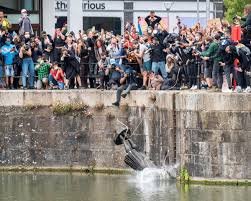
Debate over Colston-linked sites intensified worldwide after the statue incident during protests in Bristol in 2020. Demonstrators removed the Colston statue and threw it into the harbour during a racial justice protest march. Images of that moment travelled globally and forced renewed examination of local historical commemorations and naming practices. Since then, institutions across Bristol have reviewed buildings, memorial windows, and plaques linked to his legacy. These reviews aimed to balance historical record with modern ethical standards and inclusive civic values.
Two churches removed stained glass windows that previously honoured Colston following internal and public pressure campaigns. The city’s major concert venue also changed its long-standing name to remove the Colston association entirely. The statue itself is now displayed in a museum context, positioned away from celebratory presentation or central prominence. Museum curators chose to frame it as an educational object rather than a tribute monument going forward. That curatorial approach reflects a broader shift in how contested historical figures are publicly presented.
Not everyone agrees with current spending priorities surrounding the closed All Saints building and its repair budget. One Bristol vicar publicly expressed disappointment that large funds support a closed church without an active congregation. She noted that her own parish church serves a historically Black community and urgently needs structural repair funding. According to her statement, tower stonework and window structures there are deteriorating and require immediate intervention. Fundraising targets remain high, and progress has been slower than hoped despite strong local community commitment.
She explained that perception matters alongside legality when funding decisions affect trust between church leadership and communities. Members of her congregation feel overlooked while resources flow toward a building tied to a painful legacy. She emphasised that her parish church has served generations, including families connected to the Windrush era. Continued neglect could threaten its long-term safety and service capacity within the neighbourhood it supports daily. These concerns add social weight to financial and heritage arguments already surrounding the Colston exhumation question.
Diocese representatives responded by stressing that restricted funds and legal categories shape how repair money is allocated. Some heritage and structural funds cannot be redirected freely toward unrelated church buildings or separate projects. Officials say they are continuing parallel efforts to support active parishes seeking grants and fundraising partnerships. They also state that transparency will remain central as consultation moves into its next and more detailed phase. Further updates are expected once future-use proposals become more concrete and publicly reviewable.

For many residents, the deeper issue extends beyond one building and one burial site in the city. The discussion touches on memory, accountability, reconciliation, and how cities handle difficult historical inheritance responsibly. Colston exhumation, if it happens, would carry symbolic significance well beyond the church walls themselves. Supporters see it as part of restorative acknowledgement, while critics warn against erasing complex historical records entirely. Church authorities insist that education and context, not silence, must guide every eventual decision taken.
As repairs begin in the coming weeks, physical work will move faster than final moral consensus. Construction crews will stabilise the roof while consultations continue shaping the building’s long-term civic role. Whether Colston exhumation proceeds will depend on legal rulings, consultation outcomes, and community acceptance levels. What remains clear is that Bristol continues to confront its past through structured, public, and highly scrutinised processes. The All Saints project now stands at the centre of that continuing and closely watched journey.
Related News:
 Peterborough Mosques Tighten Security After Attack
 Reeves Faces Setback as Labour May Miss Homes Target
 Hospice Cuts Raise Alarm Across England Amid Funding Crisis
 Kate Winslet to Narrate Film Highlighting King’s Environmental Mission
 Green Party Surges Past Labour in Latest UK Poll
 Trump’s UK Ambassador Urges North Sea Drilling to Strengthen US Ties
 Children to Learn Local History in Major Curriculum Overhaul
 Granit Xhaka Rescue Earns Everton Draw at Sunderland
 French Taxi Driver Cleared in David Lammy Theft Case After Fare Dispute
 UK Bans Fake Numbers: Scammers Lose Their Trick
 Prince William Plants Trees with Brazil’s Nature Heroes
 M&S Profits More Than Halve After Cyber-Attack
 Just Stop Oil Protesters Convicted Amid Climate Defence Row
 Kent village told to remove flags before Christmas lights go up
 Patients to Test Health at Home to Ease NHS Winter Pressure
 King Charles to Lead Nation in Remembrance Sunday Service
 How to get help when a child goes missing – call 999 urgently
 Palace May Restore Hyphen to Andrew Mountbatten-Windsor’s Name
 Millionaires group urge Reeves to introduce wealth tax to ‘lift kids out of poverty’
 Starmer Faces Growing Dissent as Labour MPs Weigh Leadership Challenge
 Shouting Works Best to Deter Gulls, UK Study Finds
 Reeves rejects £1bn plea for NHS redundancy payouts
 Northern Lights may illuminate UK skies this week
 PM Condemns Leaks, Vows Loyalty to Ministers and Stability
 Son Reveals UK Couple in Iran Resort to Hunger Strike for Help
 Major Rent Reform Ends No-Fault Evictions in England
 Peers Flood Assisted Dying Bill with 942 Amendments
 Former Lion Heskey Warns of Shortage of England Strikers
 Criminal Gangs Pose as Truckers to Hijack UK Supply Chains
 Stroke Patient Mistaken for Drunk, Care Delayed
 Mother Watches in Horror as Teen Daughter Dies on Tracks
 Van Dwellers Face Eviction After Park Misuse Sparks Outcry
 ‘Traumatic Wait’: Northern Ireland Women Face Breast Cancer Delays
 Serial Rapist and Former Cop Found Guilty Again
 Royal Navy Shadows Russian Warships Entering the Channel
 Inside the Helpline Protecting Missing Children in the UK
 Most Tories Expect to Support a Farage-Led Government
 Boots Showstopper Beauty Bundle Outshines Many Advent Calendars This Holiday Season
 Bill Murray Terrified Wes Anderson but Became His Closest Collaborator
 Labour’s ‘blinkered’ drive to build risks pushing wildlife to point of no return, nature experts warn
 PlayStation PS5 Deals Hit Lowest Prices Ahead of Black Friday
 Karen Carney Stuns on Blackpool Week, Deserves Strictly Final
 Five-Year-Old Dies After Rare Tonsil Surgery Complication
 Fibromyalgia Patients Struggle as NHS Fails to Provide Care
 Starmer Says Labour’s Economic Plan Needs Years to Deliver
 Virgin Media Fined £23.8m Over Telecare Safety Failures
 More Patients Now Contacting GPs Online, Data Shows
 UK unemployment rises to four-year high of 5.1% before budget
 Culture secretary to review Telegraph takeover by Daily Mail owner
 Wiltshire Police Use Lasso to Catch Rampaging Village Goat
 Prince George Helps Father at London Homelessness Charity
 Children to Receive Home Vaccines as England Acts
 Protest Rights Under Threat Across England and Wales
 Cambridge College Faces Backlash Over Private School Recruitment
 NHS Violence Crisis: Staff Face Daily Assaults
 Celebrity Campaign Highlights SMA Screening Failures
 Bereaved Fathers Gain New Paternity Leave Rights in UK
 Storm Goretti leaves Cornwall homes without power
 Plans to Limit Jury Trials Face Retreat After Mounting Opposition
 New Documentary Examines Teen’s Zombie Knife Murder
 Woman Jailed for Life After Killing E-Bike Rider in Tragic Mistaken Identity Case
 Right Must Unite After Jenrick Defection, Urges Rees-Mogg
 UK Ministers Drop Foreign Student Targets for Global Education Push
MPs warn AI financial risks threaten UK stability
UK Ministers Drop Foreign Student Targets for Global Education Push
MPs warn AI financial risks threaten UK stability
 No Gas Boiler Ban as UK Warm Homes Plan Backs Heat Pumps
 UK Glaucoma Rise Signals Looming Eye Health Crisis by 2060
 Shinzo Abe’s killer receives life sentence in Japan
 Police response times face strict new national limits
 Edinburgh, Glasgow Lead UK Nightlife Hotspots, Uber Data
 Labour policing overhaul sparks fears over growing central control
 Devon hosts first high-density hydro power system
 Pornhub blocks new UK users over age checks dispute
 Reform candidate sparks British identity row in byelection
 Starmer warns of toxic division politics in Reform challenge
 Households in England Face Rising Water Bills in April
 UK New Car Discounts Near £6,000 as Prices Are Slashed
 Pneumonia Surge Pushes England Emergency Cases Higher
 Harvey Willgoose School Stabbing Red Flags Missed
 Email Appears to Confirm Photo of Andrew With Virginia Giuffre Is Real
 Wigan Dump Crisis Sparks Health and Safety Alarm