Published: 09 February 2026. The English Chronicle Desk. The English Chronicle Online.
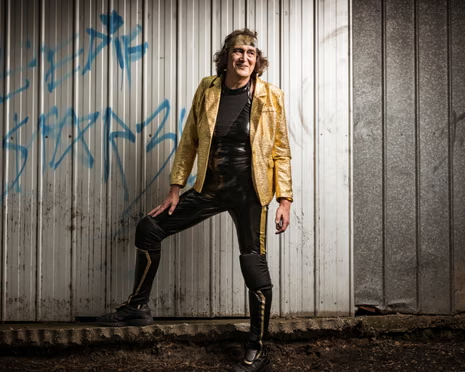
A wrestler at 60 is not a common sight, but Sally Goldner changed that reality spectacularly. On her 60th birthday night, she climbed the top rope and launched a perfect missile dropkick. The crowd erupted as she flew through the air and struck her opponents cleanly. That single moment confirmed her unlikely transformation into a wrestler at 60 after decades of admiration for the sport. What began as childhood fascination finally became lived experience inside a professional wrestling ring. Her journey reflects persistence, identity, and creative renewal later in life.
The birthday match took place during a multi-competitor battle royal event in Melbourne. Goldner entered the ring against several male competitors and embraced the theatrical intensity. As she was eventually thrown out, fellow wrestlers smiled and wished her happy birthday. The gesture captured the supportive atmosphere behind the performance spectacle. She later described the leap from the ropes as pure exhilaration and personal triumph. Nothing else, she said, could have matched that feeling on such a milestone birthday.

Goldner’s connection with wrestling began when she was a young child watching televised matches. She also attended live shows at Melbourne’s Festival Hall with lasting excitement and wonder. She remembers specific bouts and seating positions from events held nearly five decades ago. Back at home, she recreated matches by moving furniture and improvising imaginary ring corners. Sofas became turnbuckles, and the living room became her private wrestling arena. The sport’s drama and athletic storytelling captured her imagination very early in life.
Yet something always felt distant and uncomfortable about wrestling’s traditional image and storylines. The sport often highlighted hyper-masculine characters and narratives that excluded diverse identities and experiences. Goldner, who later understood herself as transgender, felt unseen within that representation landscape. During her school years, she attended an all-boys environment where sport brought anxiety and bullying. She disliked physical competition there and struggled emotionally and academically during those difficult periods. Creative passions, including music performance, were also interrupted despite deep personal attachment and talent.
Following family guidance, she entered accountancy and built a stable but unfulfilling professional path. The work paid reliably but offered little sense of creative or emotional purpose. A careers adviser once remarked that her potential remained largely unused in that environment. That observation stayed with her and slowly pushed her toward self-exploration and change. Around the same period, influential music and cultural voices helped her question long-held assumptions. She began examining identity, expression, and the direction of her future more seriously.
At 29, with professional guidance, she first encountered language that explained her gender identity clearly. Learning the term transgender helped organise feelings she had experienced since early childhood. She chose to move forward by aligning her life with her authentic internal understanding. Over time, she became deeply involved in advocacy and community organisation work in Australia. She later founded a major transgender support organisation focused on social and health outcomes. That work proved meaningful but emotionally demanding across many intense years of leadership.
After stepping back from organisational leadership, she again searched for a creative performance outlet. She experimented with stage performance, comedy, and drag-based character work across different formats. Each path offered expression but never fully satisfied her performance instincts and storytelling voice. Wrestling commentary then emerged as a new interest that combined theatre, sport, and live reaction. She practised spontaneous ringside commentary and discovered that audiences responded with genuine enthusiasm. That encouragement reopened the door to her childhood wrestling dream from a new direction.
At age 57, she made the bold decision to begin formal wrestling training in Melbourne. She enrolled in a professional wrestling school and started with basic movement and ring safety. Early sessions focused on entering and exiting the ring smoothly and performing controlled rolls. She described the training as the best physical awareness she had ever experienced personally. Becoming a wrestler at 60 started with these humble drills and repeated foundational exercises. Progress required patience, conditioning, and willingness to look inexperienced while learning publicly.
Internal doubt appeared quickly and spoke with familiar, discouraging language about age and strength. She remembers that voice saying she was too old and not physically capable enough. Another inner voice answered more quietly but more persistently with simple determination and desire. That steady motivation carried her through soreness, technical mistakes, and demanding practice routines. Medical assessments later added further clarity when she received ADHD and autism diagnoses. Understanding those traits helped her interpret lifelong patterns and stabilise her self-perception significantly.
She adopted the ring name Zali Gold when she eventually made her in-ring debut. The name was chosen partly because three syllables create better crowd chants. She now performs both as a commentator and as an active ring competitor regularly. Many Australian promotions host mixed matches featuring wrestlers of different genders competing together. These matches rely on pre-agreed storytelling structure while still demanding athletic timing and precision. Safety coordination and trust between performers remain essential to every successful wrestling performance.

Her top-rope missile dropkick quickly became a signature highlight remembered by local wrestling audiences. She continues building her move set and aims to appear in singles and tag matches. Each performance blends character work, humour, resilience, and visible joy inside the ropes. The wrestler at 60 identity is not presented as novelty but as earned participation. She trains alongside younger athletes and accepts the same performance standards and expectations. Respect inside the locker room grows from preparation, reliability, and collaborative ring awareness.
Audience response has been strongly positive, often mixing surprise with admiration and emotional connection. Many spectators say her presence expands their idea of who belongs in wrestling spaces. Representation now appears not only in identity terms but also in age and life stage. She treats every match as both entertainment and a small cultural statement about possibility. Reinvention, she often suggests, does not expire at any fixed birthday threshold. Physical storytelling can begin whenever commitment and training meet genuine personal passion.
Her story continues developing as bookings, appearances, and training sessions steadily increase across the circuit. She balances performance with advocacy, media work, and community education efforts beyond wrestling events. The wrestler at 60 journey stands as proof that delayed dreams can still reach reality. It also shows that performance sport contains room for unexpected entrants and narratives. For many watching, her leap from the top rope symbolises courage more than spectacle. It represents permission to start again when the moment finally feels right.
Related News:
 Tottenham shine at Everton but Frank wary of title push
 Sarr Double Sinks Young Liverpool in Carabao Cup
 Nwaneri and Saka Secure Arsenal Win Over Brighton
 Woltemade Hot Streak Fires Newcastle Past Spurs
 Salah & Gravenberch Lead Liverpool to Win Against Villa
 Dyche Criticises Corner Decision as Forest Draw with United
 Caicedo Shines as Chelsea Edge Spurs in Chaotic Derby
 Granit Xhaka Rescue Earns Everton Draw at Sunderland
 Burn and Joelinton Head Newcastle to Victory Over Bilbao
 Foden shines as Man City dismantle Dortmund in dominant display
 Garnacho Spares Chelsea From Shock Champions League Loss in Baku
 Tension and Turmoil at Aston Villa v Maccabi Match
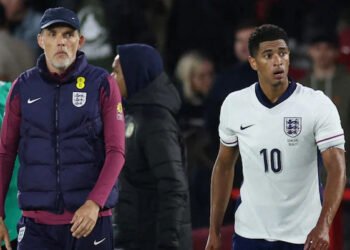 Bellingham has ‘the edge’ among England No 10s
 Man City Masterclass on Guardiola’s Milestone Day Exposes Liverpool Woes
 Lando Norris Dominates Brazil GP to Strengthen F1 Title Bid
 England cannot afford to be in awe of the All Blacks, warns Jamie George
 VAR Must Rein Its Neck In to Save Football’s Spirit
 Trescothick Hints Pope Will Keep Number Three Spot
 Ronaldo Confirms Final World Cup and Plans Retirement
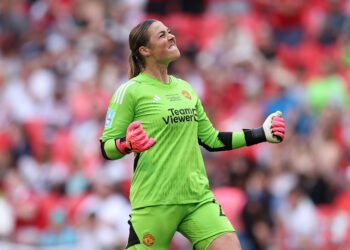 Mary Earps’s Manchester United Return Faces Mixed Reception
 Sam Kerr Stars in Chelsea Return with Champions League Double
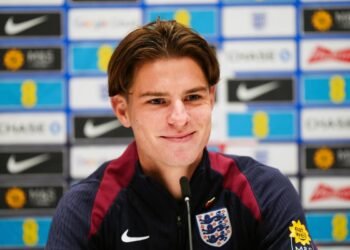 This kid is something else: Alex Scott’s rise to England call-up
 UK and Ireland Announce Venues for Euro 2028 Tournament
 England Maintain Perfect World Cup Qualifying Record with Win Over Serbia
 Saka Solidifies Role as Tuchel’s Key England Lieutenant
 Former Lion Heskey Warns of Shortage of England Strikers
 Australia Mourns Paralympic Champion Paige Greco
 Irish Hero Parrott Says Goal Brought First Tears in Years
 Nigeria Misses World Cup Again After Play-Off Loss
 From heartbreak to glory: Scotland’s dramatic return to the World Cup
 Tiny Curacao Makes History as Smallest Nation to Reach World Cup
 Haiti Qualifies for World Cup Despite Coach Never Visiting Country
 Major League Baseball Scores New Broadcast Deals Through 2028
 Barcelona Returns to Camp Nou vs Athletic Bilbao
 Moyes Defends Gueye After Dramatic Everton Bust-Up
 Kids Football Coach Removed Over Suspected ‘Drugs Menu’
 Mbappe Scores 4 as Real Madrid Edge Olympiakos
 Man City Lose, Champions League Risk
 Jac Morgan to Miss Six Nations Start After Surgery
 Alexander Isak ends drought as Liverpool stop rot with win at West Ham
 Mbappe rescues Real Madrid with a penalty at Girona
 Barcelona, Atletico set for decisive La Liga showdown
 Maxwell withdraws from IPL 2026 after 13 seasons
 Mbappe stars as Real Madrid thrash Athletic, close on Barca
 Trump to attend 2026 FIFA World Cup draw in Washington
 Australia Face Big Changes as Cummins and Lyon Ruled Out of Ashes
 Van de Ven Tackle Leaves Isak with Fractured Leg
 City Set to Land Semenyo After Chelsea Exit from Transfer Race
 Arrizabalaga Sends Arsenal Through in Dramatic Shootout
 Ashes Shock: Boland Admits Struggle Bowling With Keeper Up
 ECB powerless to halt England’s recurring Ashes failures
 Stokes urges empathy for England players amid Ashes struggles
 Damien Martyn in Induced Coma After Meningitis Diagnosis
 Spin Bowling Struggles as Pace Dominates 2025 Ashes Series
 Anthony Joshua Released After Nigeria Car Crash
 Chelsea Sack Looms: Enzo Maresca Relationship Collapses
 Africa’s Superpowers Shine in Cup of Nations Quarter-Finals
 Amorim’s United Future Uncertain Amid Wilcox Tension
 Raducanu Battles Injury as Britain Exit United Cup
 Australia Dominates England: Smith, Head Crush Bowlers in Sydney
 Australian Open Prize Money Hits Record $111.5m
 Nick Kyrgios Faces Singles Struggles at Brisbane Tennis Return
 Nottingham Forest Deny West Ham in Dramatic Late Win
 Manchester United Fan Group Targets Jim Ratcliffe Over Club Chaos
 Morocco sail into Afcon semis after Díaz inspires win
 Wrexham stun Nottingham Forest with Okonkwo FA Cup heroics
 Salah Shines as Egypt Knock Out Ivory Coast at Afcon
 Israeli fans ban questioned after Dutch police dispute evidence
 Semenyo Shines for City – Winners and Losers of Transfer
 Geopolitical football: Iran, Trump and the World Cup clash
 Regragui condemns Afcon final chaos after dramatic defeat
 Brahim Díaz’s Panenka Fail Highlights Penalty Risks
 Madison Keys’ Australian Open defence tested as Ukrainian debutant dazzles
 ‘A long time coming’: US table tennis finds its moment
 Mbappé’s Late Penalty Lifts Real Past Nine-Man Rayo
 Women’s FA Cup Could Introduce Seeded Teams from Last 32
 Yamal and Rashford Shine as Barcelona Reach Copa Semis
 Newcastle fans face bleak reality under Saudi ambitions
 ‘Scrutiny and Pressure on Irish Has Reached New Level’ — Rugby Faces Brutal Spotlight After France Defeat
 Hugo Ekitike Becomes Liverpool’s New Cult Hero