Publishing Date: 10 February 2026
Desk: World News / Defence & Security
Russia has escalated its war rhetoric dramatically, with senior figures and state-aligned commentators warning that “now is the time to strike,” openly threatening the United Kingdom with nuclear annihilation in language widely condemned by Western leaders. The remarks, aired across Russian state media platforms, have reignited fears of a wider global conflict and intensified concerns about World War Three rhetoric spiralling out of control.
The statements come amid heightened tensions between Moscow and NATO allies, with the UK playing a prominent role in military support for Ukraine and reinforcing NATO’s eastern flank.

Russian commentators and hardline officials claimed that Britain had crossed “red lines” through continued arms deliveries, intelligence cooperation, and diplomatic pressure. Some broadcasts explicitly referenced nuclear capabilities, framing the threat as a necessary “defensive response” to what Moscow described as Western aggression.
Security analysts stress that while such statements are alarming, they often form part of psychological warfare rather than immediate military planning.
“This is classic nuclear sabre-rattling,” said defence analyst Professor Mark Ellison. “It is designed to intimidate, divide allies, and shift political debate in Western capitals.”
Downing Street responded by reaffirming the UK’s commitment to collective defence while urging restraint. Government sources emphasised that Britain’s military posture remains defensive and in line with international law.
A spokesperson said the UK would not be “deterred by threats” and remains fully aligned with NATO partners to ensure regional and global stability.
“Threats of nuclear annihilation are reckless and irresponsible,” a senior UK official said. “They serve no purpose other than escalating fear.”
NATO officials described the rhetoric as “dangerous and destabilising,” warning that nuclear threats undermine decades of arms control efforts. Allies stressed that any attack on a NATO member would trigger a collective response under Article 5, a principle repeatedly reiterated to deter escalation.
Meanwhile, diplomatic sources confirmed behind-the-scenes efforts to prevent miscalculation, including military-to-military communication channels designed to reduce the risk of accidental conflict.
Despite the dramatic language, most experts believe the risk of immediate nuclear conflict remains low. Russia has repeatedly used extreme rhetoric during periods of strategic pressure, particularly when facing battlefield setbacks or economic strain.
“The louder the threats, the weaker the strategic position often is,” said international relations expert Dr. Sofia Reinhardt. “This does not mean the risk is zero, but it does mean we should analyse actions, not just words.”
However, analysts warn that constant escalation in language increases the risk of misinterpretation, especially in an already volatile global environment.
Britain’s firm stance on Ukraine, its role in supplying advanced weaponry, and its vocal diplomatic leadership have made it a frequent target of Russian rhetoric. Moscow has repeatedly singled out London as one of the most “hostile” Western capitals.
Experts note that targeting the UK also serves a symbolic purpose — attempting to fracture Western unity by focusing pressure on individual nations.
The renewed nuclear threats have sparked public anxiety, with social media flooded by fears of WW3 and calls for de-escalation. Opposition figures urged the government to keep Parliament informed, while defence officials stressed that no change had been made to the UK’s nuclear readiness posture.
Polling experts suggest that repeated nuclear warnings can erode public confidence if not addressed with transparency and reassurance.

Russia’s declaration that “now is the time to strike” represents a dangerous escalation in rhetoric, threatening the UK with nuclear annihilation and reviving fears of World War Three. While experts largely view the statements as intimidation rather than imminent intent, the language underscores the fragile state of global security.
As tensions continue to simmer, Western leaders face the delicate task of deterring aggression without fuelling the very conflict they seek to avoid.
Related News:
 UK and France Agree Troop Deployment Plan for Ukraine
 Emails Show Epstein Funded Mandelson’s Husband After Jail
 Sydney Protest Pepper Spray Clash During Herzog Visit
 UK Must Act with Courage and Clarity on Israel-Palestine Conflict, Says Foreign Affairs Committee Report
 MPs Call on UK Government to Delay Biometric Visa Checks for Gaza Students Amid Humanitarian Crisis
 Trump Pushes for Peace: Plans Surprise Meeting with Putin and Zelensky to End Ukraine War
 Radioactive Leak at UK’s Nuclear Warhead Base Sparks Outcry Over Safety and Secrecy
 Mutual Inconvenience: Why Alaska Was Chosen for the Trump-Putin Summit on Ukraine
 Manchester City Announce Their Return in Style with Haaland Double and Debut Goals at Wolves
 Terence Stamp, ’60s British Film Legend and Star of Superman, Dies at 87
 Where Is Prince William and Kate Middleton’s New House? Inside the Historic Lodge Set to Become Their ‘Forever Home’
 FIFA Eyes Biennial Club World Cup from 2029, Plans Possible Expansion
 EuroMillions Record-Breaking £210m Jackpot Won by Lucky Lottery Ticket Holder
 Is the UK Ready to Put Boots on the Ground in Ukraine? Assessing Military Capacity and Challenges
 Shein UK Faces Allegations of Shifting Majority of Profits to Singapore to Reduce UK Tax
 British Couple Among 16 Killed in Lisbon Funicular Tragedy
 Protests Expected as Israeli Arms Firms Join Global Defence Trade Fair in London
 Madeleine McCann Case: German Woman at Centre of Hit-and-Run Theory Speaks Out
 Serbia Humiliated 0-5 by England in World Cup Qualifier
 Thousands Gather in London to Protest Donald Trump’s Second UK State Visit
 Trump Urges UK to “Call Out the Military” to Secure Borders Amid State Visit
 British AI Startup Outshines Human Forecasters in Global Prediction Contest
 Liverpool Vs outhampton Set for Carabao Cup Clash at Anfield
Trump’s UN Speech Criticises London and UK Policies, Draws Far-Right Attention
Liverpool Vs outhampton Set for Carabao Cup Clash at Anfield
Trump’s UN Speech Criticises London and UK Policies, Draws Far-Right Attention
 UK Fighter Jet Purchase Could Breach Nuclear Treaty, Warns CND
 A Third of EU Citizens in UK Report Discrimination by Public Bodies Post-Brexit
 Jailed Georgian Opposition Leaders Warn UK of Iranian Links to Ruling Party
 Russia repeatedly targets UK military satellites, warns Space Command chief
 Pro-Palestine March to Proceed in London Despite Calls to Cancel After Manchester Attack
 UK Universities Warn Students Ahead of 7 October Pro-Palestine Protests
 Public Trust in SNP Hits Historic Low Amid NHS Concerns
 Cooper Unveils £4m Cyber Plan Against Russian Hackers
 Tuchel Criticises ‘Silent Wembley’ After England Win
 Johnson Suggests Mandelson Linked to China Spy Controversy
 Kane’s Double Seals England’s World Cup Qualification
 Witness statements reveal the CPS China spy row collapse in the UK
 Nigel Farage Calls Vladimir Putin ‘A Very Bad Dude’
 China warns UK over delayed London mega embassy decision
 Rachel Reeves signals welfare reform ahead of key budget
 Barnes Inspires Newcastle to Champions League Triumph Over Benfica
 Kosovo agrees to host Britain’s refused asylum seekers
 Fabio Wardley stuns Joseph Parker to earn Usyk title shot
 Rachel Reeves to lead UK trade push in Saudi Arabia amid rights debate
 British Woman in Iran ‘Losing Hope’ Amid Ongoing Detention
 Johnson Approved China’s London ‘Super-Embassy’ in 2018
 BBC Journalist Held and Interrogated in Vietnam
 Top Christmas Books Reads: Classics to Cozy Romcoms
 UPS Cargo Plane Crash in Kentucky Kills Seven
 Just Stop Oil Protesters Convicted Amid Climate Defence Row
 Tension and Turmoil at Aston Villa v Maccabi Match
 I’m a Celebrity 2025 line-up revealed: Osbourne joins
 Lando Norris Dominates Brazil GP to Strengthen F1 Title Bid
 Palace May Restore Hyphen to Andrew Mountbatten-Windsor’s Name
 Ronaldo Confirms Final World Cup and Plans Retirement
 New review urges UK to repatriate Shamima Begum, others from Syria
 Rama Rebukes Mahmood for Targeting Albanian Families
 Russian Vessel Used Lasers on RAF Pilots, UK Claims
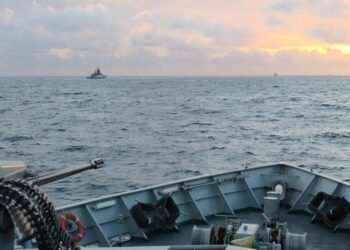 Royal Navy Shadows Russian Warships Entering the Channel
 Trump Taiwan China drills: US President Downplays Tensions
 Britain Demands Israel Reverse Ban on Aid Groups
 EU Weakens as Trump Targets Venezuela and Greenland
 US Citizens Warned to Venezuela Flee Amid Paramilitary Threats
 Gulf states warn Trump Iran strikes risk wider Middle East war
 Machado Trump medal gesture reshapes Venezuela power struggle
 Greenland defence seen as shared Nato duty amid troop arrivals
 Trump Receives Machado’s Nobel Medal in White House Meeting
 Syria President Declares Victory as Ceasefire Reached with SDF
 US Considers Asylum for British Jews Amid Rising Antisemitism
 Starmer tariffs stance rejects US trade retaliation
 Shinzo Abe’s killer receives life sentence in Japan
 US Africa aid remarks spark anger after leaked State email
 Russia Strikes Kyiv and Kharkiv as Peace Talks Enter Day Two
 Starmer China visit raises human rights pressure on Beijing
 UK New Car Discounts Near £6,000 as Prices Are Slashed
 Cory Bernardi joins One Nation for SA election
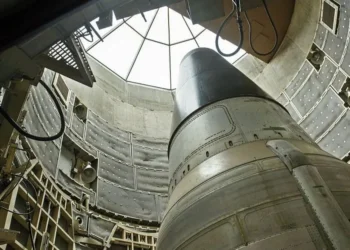 Fears of New Arms Race as US-Russia Nuclear Weapons Treaty Expires
 US Military Says Two Killed in Strike on Alleged Drug Boat in Eastern Pacific
 Venezuela’s Opposition Says Party Leader Kidnapped Hours After Being Freed
 Christchurch Shooter Seeks to Overturn Guilty Plea in Appeals Court
 Universities and Politicians Briefed on China and Russia Spy Threat