
Published: 12 February 2026. The English Chronicle Desk. The English Chronicle Online
England captain Harry Brook delivered a candid assessment of his side’s performance after their 30-run defeat to West Indies in the T20 World Cup, admitting the batting unit’s overly cautious approach proved costly in a match that exposed familiar vulnerabilities against spin and left their campaign facing renewed scrutiny. On a surface at Mumbai’s Wankhede Stadium that offered more turn than any other used in the tournament so far, England appeared well placed early in their pursuit of 197, yet the innings unravelled dramatically as hesitation replaced intent and momentum slipped irretrievably away.
For a brief period, England looked comfortably in control. Reaching 74 for one in the chase, they had negotiated the new ball and laid a platform that suggested the target, while imposing, was far from unreachable. The required rate was manageable, the pitch seemed playable, and the West Indies bowlers were under pressure to find breakthroughs. Instead, what followed was a collapse that transformed promise into disappointment. Six wickets fell in quick succession during the middle overs, most of them claimed by spin, and England were ultimately dismissed for 166 with an over still unused.

Brook, who was himself caught and bowled for 17 by left-arm spinner Gudakesh Motie, did not attempt to shield himself from criticism. His dismissal symbolised the very caution he later acknowledged, as he tried to nudge the ball into the leg side rather than committing fully to an attacking stroke. Reflecting on the moment, he conceded he would rather have been caught on the boundary attempting a big shot than depart in such tentative fashion, a remark that underscored his belief that England’s mindset, rather than pure ability, lay at the heart of the defeat.
Motie’s spell proved decisive, claiming three wickets and disrupting England’s rhythm just as they sought to accelerate. The spinner’s control of length and subtle variation in pace created uncertainty among the batters, who seemed unsure whether to attack or consolidate. That indecision played directly into West Indies’ hands, allowing them to dictate the tempo of the contest. Brook acknowledged that Motie was the primary threat at that stage and explained that his own plan had been to rotate strike and allow Sam Curran to take more of the initiative. In hindsight, he suggested, that conservative approach may have contributed to the broader slowdown that left England with too much to do at the end.
The captain’s words echoed comments he has made in previous defeats, revealing a recurring theme in England’s white-ball struggles. After a one-day international loss to South Africa last year, he remarked that the side could have pushed harder with the bat, and following another setback in New Zealand before Christmas he posed the same question publicly: could they have gone harder? The repetition of that sentiment after this latest loss suggests the issue is not isolated but part of a pattern that England must address if they are to reassert themselves among cricket’s most formidable limited-overs teams.
Other dismissals in the innings reinforced Brook’s analysis. Tom Banton chipped a catch to extra cover while attempting to guide a drive, an in-between stroke that lacked conviction. Jacob Bethell was bowled playing from the crease, his footwork static as the ball gripped and turned. Will Jacks fell lbw in similar fashion, pinned by spin while rooted to the spot. Each wicket told the same story of uncertainty, with England’s batters appearing reluctant to commit either to defence or attack. Against high-quality spin on a responsive surface, that indecision proved fatal.
Brook also pointed to conditions as a contributing factor. England had anticipated that the pitch would improve for batting as the evening progressed, expecting the ball to slide onto the bat more easily under lights. Instead, the surface behaved differently, maintaining its grip and offering turn throughout the chase. The absence of dew, which often reduces spin by making the ball harder to control, meant the West Indies bowlers retained a firm hold on proceedings. By the time England recognised that the anticipated change would not materialise, the match situation had already tightened.
The contrast with England’s recent tour of Sri Lanka made the defeat more puzzling. There, they had handled spin impressively, sweeping the T20 series 3–0 and earning praise for their proactive approach. That success had suggested progress in an area long considered a weakness. Yet against West Indies, those old doubts resurfaced. Brook insisted the difference lay not in preparation or ability but in execution on the day, describing the performance as an off-day rather than evidence of a deeper flaw. Even so, he acknowledged that elite teams must find ways to adapt quickly when conditions challenge their initial assumptions.
While the batting collapse dominated discussion, England’s bowling also faced scrutiny, particularly the performance of leading fast bowler Jofra Archer. Having conceded 42 runs in a previous match against Nepal, Archer followed up with figures of 48 from four overs in this contest. Some observers questioned whether the paceman was struggling for rhythm or confidence, but Brook moved swiftly to defend him, emphasising that Archer’s pace remained formidable and expressing confidence that he would rebound in upcoming fixtures. The captain’s public backing highlighted both his faith in a key player and his desire to maintain unity within the squad during a testing phase.
For West Indies, the victory represented more than just two points in the group standings. It demonstrated their ability to execute plans under pressure and showcased the effectiveness of their spin attack on surfaces offering assistance. Their bowlers maintained discipline even when England threatened early in the chase, resisting the temptation to stray from their lines and lengths. That composure allowed them to seize control once wickets began to fall, turning the match decisively in their favour. The result served as a reminder that in T20 cricket, momentum can shift rapidly and that disciplined bowling can neutralise even the strongest batting line-ups.
England now turn their attention to crucial upcoming matches against Scotland and Italy, both scheduled in Kolkata. Those fixtures carry significant importance for their progression hopes, and Brook’s comments suggest the team is already engaged in honest internal reflection. He stressed that setbacks are part of the format and insisted the squad remains confident in its ability to respond. Yet he also acknowledged that chasing large totals demands clarity of intent from the outset, a lesson reinforced by this defeat. In tournaments where margins are fine and qualification often hinges on net run rate as well as results, such lessons must be absorbed quickly.

The broader narrative surrounding England’s white-ball evolution adds another layer of intrigue. Once celebrated for fearless, boundary-laden batting that reshaped limited-overs strategy worldwide, they now find themselves wrestling with questions about tempo and approach. Brook’s admission that the side was too careful hints at an internal awareness that their traditional aggression has, at times, been replaced by caution. Whether that shift reflects tactical adjustment, pressure of expectation, or simply a temporary dip in confidence remains open to interpretation. What is clear is that England’s success in the remainder of the tournament may depend on rediscovering the balance between calculated risk and controlled execution that previously defined their dominance.
As the team prepares for its next challenge, Brook’s frank appraisal may prove valuable. Leaders who acknowledge shortcomings publicly can galvanise a response, and his willingness to include himself in the critique sends a message of shared responsibility. The defeat to West Indies, though disappointing, offers a chance for recalibration rather than despair. In the compressed schedule of a T20 World Cup, there is little time to dwell on losses, and redemption can arrive as quickly as the next match. For England, the task now is simple in principle but demanding in practice: shed the caution, trust their instincts, and play with the assertiveness that once made them the most feared batting unit in the format.
Related News:
 Ben Stokes injury joke after brutal ball strike
 Sarr Double Sinks Young Liverpool in Carabao Cup
 Nwaneri and Saka Secure Arsenal Win Over Brighton
 Salah & Gravenberch Lead Liverpool to Win Against Villa
 Dyche Criticises Corner Decision as Forest Draw with United
 Caicedo Shines as Chelsea Edge Spurs in Chaotic Derby
 Granit Xhaka Rescue Earns Everton Draw at Sunderland
 Burn and Joelinton Head Newcastle to Victory Over Bilbao
 Foden shines as Man City dismantle Dortmund in dominant display
 Tension and Turmoil at Aston Villa v Maccabi Match
 Bellingham has ‘the edge’ among England No 10s
 Man City Masterclass on Guardiola’s Milestone Day Exposes Liverpool Woes
 Lando Norris Dominates Brazil GP to Strengthen F1 Title Bid
 England cannot afford to be in awe of the All Blacks, warns Jamie George
 VAR Must Rein Its Neck In to Save Football’s Spirit
 Trescothick Hints Pope Will Keep Number Three Spot
 Ronaldo Confirms Final World Cup and Plans Retirement
 Mary Earps’s Manchester United Return Faces Mixed Reception
 Sam Kerr Stars in Chelsea Return with Champions League Double
 This kid is something else: Alex Scott’s rise to England call-up
 UK and Ireland Announce Venues for Euro 2028 Tournament
 Saka Solidifies Role as Tuchel’s Key England Lieutenant
 Former Lion Heskey Warns of Shortage of England Strikers
 Australia Mourns Paralympic Champion Paige Greco
 Irish Hero Parrott Says Goal Brought First Tears in Years
 Nigeria Misses World Cup Again After Play-Off Loss
 From heartbreak to glory: Scotland’s dramatic return to the World Cup
 Tiny Curacao Makes History as Smallest Nation to Reach World Cup
 Haiti Qualifies for World Cup Despite Coach Never Visiting Country
 Major League Baseball Scores New Broadcast Deals Through 2028
 Barcelona Returns to Camp Nou vs Athletic Bilbao
 Moyes Defends Gueye After Dramatic Everton Bust-Up
 Kids Football Coach Removed Over Suspected ‘Drugs Menu’
 Mbappe Scores 4 as Real Madrid Edge Olympiakos
 Man City Lose, Champions League Risk
 Jac Morgan to Miss Six Nations Start After Surgery
 Alexander Isak ends drought as Liverpool stop rot with win at West Ham
 Mbappe rescues Real Madrid with a penalty at Girona
 Barcelona, Atletico set for decisive La Liga showdown
 Maxwell withdraws from IPL 2026 after 13 seasons
 Mbappe stars as Real Madrid thrash Athletic, close on Barca
 Australia Face Big Changes as Cummins and Lyon Ruled Out of Ashes
 Van de Ven Tackle Leaves Isak with Fractured Leg
 City Set to Land Semenyo After Chelsea Exit from Transfer Race
 Arrizabalaga Sends Arsenal Through in Dramatic Shootout
 Ashes Shock: Boland Admits Struggle Bowling With Keeper Up
 ECB powerless to halt England’s recurring Ashes failures
 Stokes urges empathy for England players amid Ashes struggles
 Damien Martyn in Induced Coma After Meningitis Diagnosis
 Spin Bowling Struggles as Pace Dominates 2025 Ashes Series
 Anthony Joshua Released After Nigeria Car Crash
 Chelsea Sack Looms: Enzo Maresca Relationship Collapses
 Africa’s Superpowers Shine in Cup of Nations Quarter-Finals
 Amorim’s United Future Uncertain Amid Wilcox Tension
 Raducanu Battles Injury as Britain Exit United Cup
 Australia Dominates England: Smith, Head Crush Bowlers in Sydney
 Australian Open Prize Money Hits Record $111.5m
 Nick Kyrgios Faces Singles Struggles at Brisbane Tennis Return
 Nottingham Forest Deny West Ham in Dramatic Late Win
 Manchester United Fan Group Targets Jim Ratcliffe Over Club Chaos
 Morocco sail into Afcon semis after Díaz inspires win
 Wrexham stun Nottingham Forest with Okonkwo FA Cup heroics
 Salah Shines as Egypt Knock Out Ivory Coast at Afcon
 Israeli fans ban questioned after Dutch police dispute evidence
 Semenyo Shines for City – Winners and Losers of Transfer
 Geopolitical football: Iran, Trump and the World Cup clash
 Regragui condemns Afcon final chaos after dramatic defeat
 Brahim Díaz’s Panenka Fail Highlights Penalty Risks
 Madison Keys’ Australian Open defence tested as Ukrainian debutant dazzles
 ‘A long time coming’: US table tennis finds its moment
 Mbappé’s Late Penalty Lifts Real Past Nine-Man Rayo
 Women’s FA Cup Could Introduce Seeded Teams from Last 32
 Yamal and Rashford Shine as Barcelona Reach Copa Semis
 Newcastle fans face bleak reality under Saudi ambitions
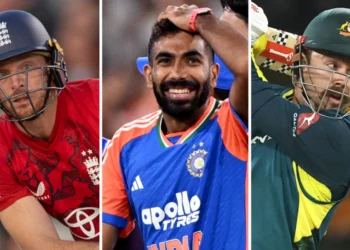 ICC Men’s T20 World Cup – Everything You Need to Know
 ‘Scrutiny and Pressure on Irish Has Reached New Level’ — Rugby Faces Brutal Spotlight After France Defeat
 Hugo Ekitike Becomes Liverpool’s New Cult Hero
 Wrestler at 60: A Powerful New Start in the Ring
 ‘We’re like a family here’: Habib Diarra thrives at Sunderland
 Infantino Faces Russia Threat and Trump Concerns at Uefa Congress