Published: 17 February 2026. The English Chronicle Desk. The English Chronicle Online.
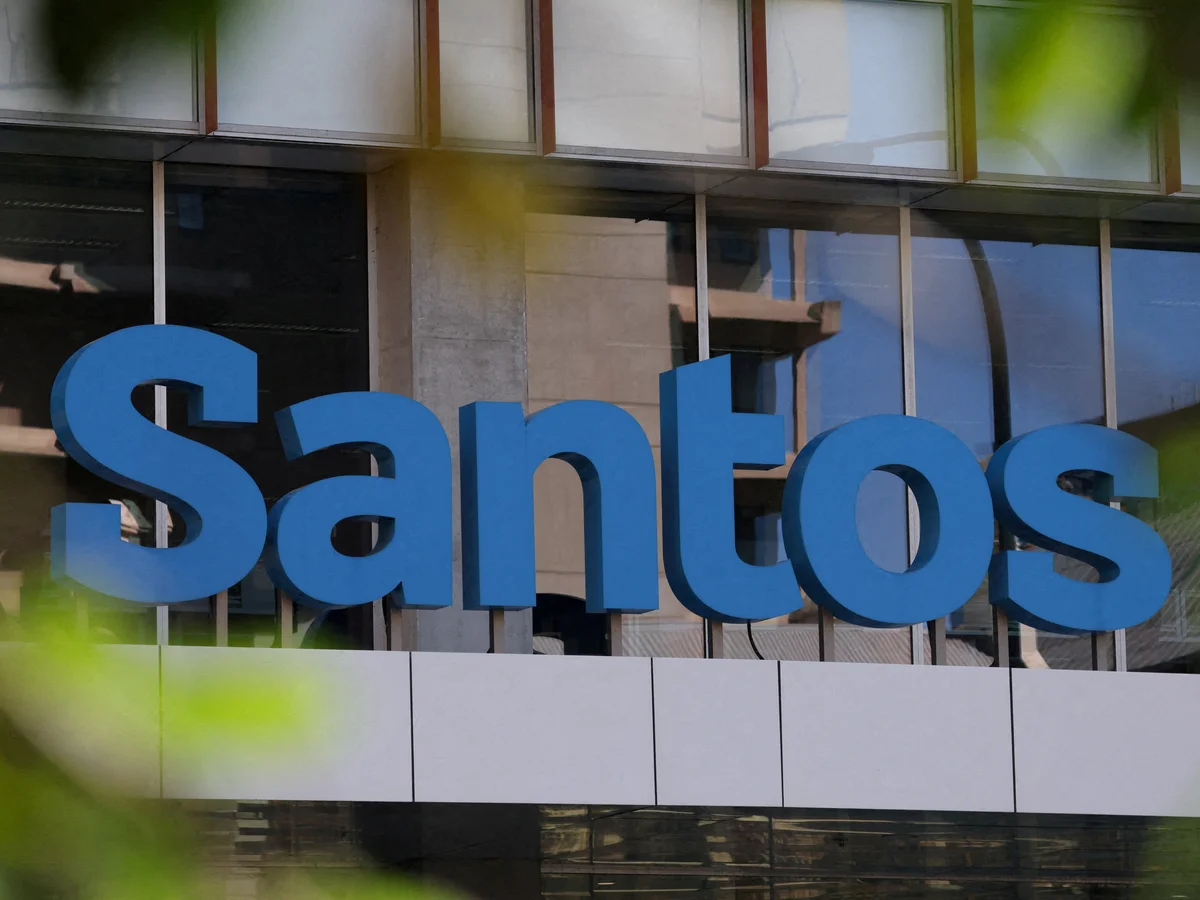
A landmark greenwashing case against Santos Limited has been dismissed by Australia’s federal court, marking a pivotal moment in corporate climate litigation. The greenwashing case had drawn significant international attention, as climate advocates argued that the gas giant misled investors about its environmental commitments and future emissions targets. The decision represents a substantial setback for shareholder activism and environmental campaigners who sought judicial scrutiny of corporate net zero strategies.
The legal challenge was brought by the Australasian Centre for Corporate Responsibility, known as ACCR, with legal representation from the Environmental Defenders Office. ACCR alleged that Santos breached Australia’s Corporations Act by engaging in misleading or deceptive conduct through statements published in its 2020 annual report, an investor briefing, and its 2021 climate change report. Central to the greenwashing case were claims that Santos portrayed natural gas as “clean energy” and promoted hydrogen produced with carbon capture and storage as “zero emissions hydrogen.”
The dispute focused heavily on whether Santos had a credible and clearly defined pathway to achieve net zero emissions by 2040. The advocacy group contended that such assurances were presented as firm commitments rather than forward-looking intentions. According to ACCR, these statements risked giving investors an inflated sense of confidence in the company’s climate transition strategy. They argued that describing gas as a “clean fuel” overstated its environmental credentials, particularly in the context of global decarbonisation goals.

Santos, however, maintained that its climate targets reflected genuine present intentions based on evolving technologies and regulatory frameworks. The company argued that its targets to reduce emissions by 26 to 30 percent by 2030, and to reach net zero by 2040, were not guarantees but strategic objectives. Its legal team emphasised that climate transition planning inherently depends on market conditions, technological advances, and supportive government policy. In defending the greenwashing case, Santos insisted that its disclosures were transparent and compliant with legal standards.
Justice Brigitte Markovic delivered the ruling in a brief hearing, dismissing the claims and ordering ACCR to cover Santos’s legal costs. While the detailed reasoning behind the judgment will be released later this month, the immediate outcome has already reverberated across the corporate and environmental sectors. The case was heard over thirteen days in 2024, making it one of the most closely observed climate-related corporate trials in Australia.
Santos welcomed the ruling, describing it as a validation of its reporting practices and climate roadmap. In a public statement, the company reaffirmed its commitment to accurate and transparent communication with investors. It pointed to its Moomba Carbon Capture and Storage project as tangible evidence of progress. The project, which began operating in September 2024, was cited as proof that earlier statements about carbon capture ambitions were backed by action rather than aspiration.
For ACCR, the outcome represents both disappointment and determination. Co-chief executive Brynn O’Brien described the legal battle as a David versus Goliath struggle, acknowledging that the company prevailed in this round. She emphasised that the litigation was never about discouraging climate ambition. Instead, it aimed to ensure market integrity and provide investors with clear, verifiable information regarding emissions reduction pathways.
The greenwashing case was widely seen as a test of how courts interpret corporate climate statements. Legal experts have observed that the judgment may influence how companies frame future environmental disclosures. While many corporations now publish net zero roadmaps, this ruling suggests that courts may distinguish between aspirational statements and enforceable promises. The distinction between intention and obligation remains central to corporate climate governance.
Environmental advocates argue that robust scrutiny remains essential as energy companies transition toward lower-carbon models. They contend that language such as “clean energy” can create confusion when applied to fossil fuels. Gas, though producing fewer emissions than coal, still contributes significantly to greenhouse gases. Critics maintain that transparent reporting must clearly outline limitations and uncertainties associated with emerging technologies like carbon capture and storage.
From a broader perspective, the greenwashing case highlights the tension between corporate strategy and climate urgency. Investors increasingly demand detailed disclosures on environmental risks and transition planning. Regulatory bodies around the world are also tightening sustainability reporting standards. In this evolving landscape, legal clarity becomes crucial for both companies and shareholders.
Santos has argued that its climate transition plan continues to evolve alongside technology and public policy. The company has stressed collaboration with governments to establish regulatory frameworks supporting carbon capture development. By referencing the operational status of its Moomba project, Santos seeks to demonstrate that its statements were grounded in measurable progress. The court’s dismissal appears to affirm that position, at least under current legal standards.
For climate activists, however, the outcome does not diminish broader concerns about fossil fuel expansion. Many believe that courtrooms will remain an important arena for challenging corporate narratives around decarbonisation. Even though this greenwashing case was dismissed, it has intensified global debate over how companies communicate environmental strategies to investors and the public.
Financial markets are paying close attention to such rulings. Institutional investors increasingly integrate environmental, social, and governance criteria into decision-making. Clear judicial guidance on what constitutes misleading climate disclosure may shape investment risk assessments. The judgment may also encourage companies to refine language in sustainability reports to avoid ambiguity.

Observers note that Australia has become a significant battleground for climate litigation. Shareholder advocacy groups have pursued legal avenues to hold corporations accountable for emissions strategies. While not all cases succeed, they often generate public scrutiny and influence corporate behaviour beyond the courtroom.
In this instance, the dismissal underscores the complexity of proving that forward-looking climate statements breach corporate law. Establishing deception requires demonstrating that representations were objectively false or lacked reasonable grounds. The court’s reasoning, once published in full, will likely clarify how judges interpret such evidence in the context of evolving scientific and economic conditions.
The greenwashing case against Santos may have concluded, but the broader conversation continues. As nations work toward commitments aligned with global climate agreements, corporate accountability remains under intense examination. The intersection of environmental responsibility, shareholder rights, and legal interpretation will shape the next phase of climate governance.
Ultimately, the ruling illustrates that legal battles over climate disclosure are as much about interpretation as intention. Companies must balance ambition with precision, ensuring statements reflect achievable plans supported by evidence. Activists, meanwhile, will continue pressing for greater transparency and measurable progress. The outcome may mark the end of this greenwashing case, yet it signals the beginning of deeper legal and corporate reflection worldwide.
Related News:
 Norway’s Petrol Car Sales Hit Record Low Amid EV Surge
 Reeves Faces Setback as Labour May Miss Homes Target
 Virgin Trains Moves Closer to Challenging Eurostar Monopoly
 Trump’s UK Ambassador Urges North Sea Drilling to Strengthen US Ties
 Ryanair Chief UK Economy ‘Doomed’ Under Labour
 Court Hears Challenge Over Water Bills Funding Sewage Fixes
 ABF May Split Primark from Food Division Amid Tough Market
 UPS Cargo Plane Crash in Kentucky Kills Seven
 M&S Profits More Than Halve After Cyber-Attack
 Tony Blair think tank warns Rachel Reeves must cut taxes if manifesto broken
 Oprah enjoys Meghan’s jam on English muffins
 MPs Press Rachel Reeves to Hike Gambling Taxes
 Earl of Yarmouth Faces £1.3m Legal Bill Over Family Estate
 Warning as Britons prepare to spend £4 billion this Black Friday
 Millionaires group urge Reeves to introduce wealth tax to ‘lift kids out of poverty’
 From Lego to Pokémon: How Adults Are Driving UK Toy Market Growth
 UK toy market enjoys bumper year as ‘kidults’ fuel demand
 New laws to bolster UK’s defences against cyber attacks on NHS, transport and energy
 Skims Eyes Global Expansion After Reaching $5 Billion Value
 Trump Moves to Cut Coffee and Banana Tariffs in Latin America Deals
 Global markets drop amid tech sell-off and China slowdown
 Canada Passes Carney’s First Budget in Tight Parliamentary Vote
 PM Highlights UK Business at G20 in South Africa
 Mossmorran Plant Closure Hits Cowdenbeath Hard
 UK Taskforce Unveils Plan to Streamline Nuclear Reactor Rules
 Steel billionaire Lakshmi Mittal reportedly leaves UK
 India’s Labour Law Overhaul Sparks Fierce Debate
 Starmer Says Labour’s Economic Plan Needs Years to Deliver
 Virgin Media Fined £23.8m Over Telecare Safety Failures
 Rising Water Bills Lift Troubled Thames Back to Profit
 Tesla Warns UK That Weak EV Rules Could Threaten Sales
 ‘Extinct’ Antelope Returns to Sahara, Bringing Hope
 BP agrees £7.4bn Castrol sale to US investment firm
 Sainsbury’s CEO leads business honours in New Year list
 Eden Project Founder Celebrates 25 Years of Nature’s Hope
 FTSE 100 Hits 10,000: UK Market Celebrates Record Year
 UK House Prices Fall Sharply at Year-End, Nationwide Reports
 UK Car Sales Pass 2 Million as Chinese Brands Surge
 Avocado Crisis: The Hidden Violence Behind Exports
 Smaller farms funding prioritised in England nature plans
 Wessex Water chiefs receive £50,000 extra despite government bonus ban
 3,000 Jobs at Risk Without UK Helicopter Order
 German Supermarket Aldi to Open 180 US Stores This Year
 Storm Goretti leaves Cornwall homes without power
 Starmer links foreign trips to tackling cost of living crisis
 China Dependence Threatens UK Energy Supply Chains and Jobs
 Canada-China trade gains momentum in new strategic partnership
 BP’s Influence Sparks Controversy in UK STEM Education
MPs warn AI financial risks threaten UK stability
BP’s Influence Sparks Controversy in UK STEM Education
MPs warn AI financial risks threaten UK stability
 MPs warn AI financial risks threaten UK stability
 No Gas Boiler Ban as UK Warm Homes Plan Backs Heat Pumps
 B&M and The Works Struggle During Christmas Trading
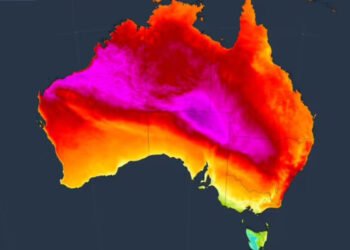 Record-Breaking Heat Looms Over South-East Australia as Catastrophic Fire Risk Escalates
 UK joins North Sea wind grid pact with nine European nations
 UK Disposable Income Growth Transforms Eleven Towns and Cities
 Devon hosts first high-density hydro power system
 US-Style Pickup Trucks Surge on UK Roads
 US Dollar Hits Four-Year Low Amid Market Turmoil
 Amazon mistakenly signals new global layoffs to employees
 Labour Must Revive High Streets to Avoid Election Collapse
 Households in England Face Rising Water Bills in April
 UK needs new factory to reach 1.3m car target, says industry chief
 UK food industry urges transition if post-Brexit rules reset
 AstraZeneca China Investment Signals Strategic Shift Abroad
 Reform UK Taps Boris Ally to Shape Party Nature Agenda
 UK New Car Discounts Near £6,000 as Prices Are Slashed
 Study Finds One in Seven England Takeaways Are Dark Kitchens
 James Valentine Retires from ABC After Cancer Battle
 Riverford sales surge as UK organic market booms
 Wigan Dump Crisis Sparks Health and Safety Alarm
 Barclays drops Global Counsel after Mandelson link scrutiny
 Telstra AI jobs cuts as automation drive expands
 BT Names New Openreach Chief Amid Major Fibre Expansion
 AI fears hit UK wealth and comparison sites
 UK Housing Market Shows Early Recovery Signs
 UK economy struggles as growth stalls at 0.1% in late 2025
 Schroders sold to US investor in £9.9bn deal ending family control
 Aberdeen Chosen for GB Energy HQ at Marischal Square
 Bank of England Urged to Cut Rates to Spur Growth
 Lloyds Faces Scrutiny Over Staff Data Use in Pay Talks