Published: 17 February 2026. The English Chronicle Desk. The English Chronicle Online
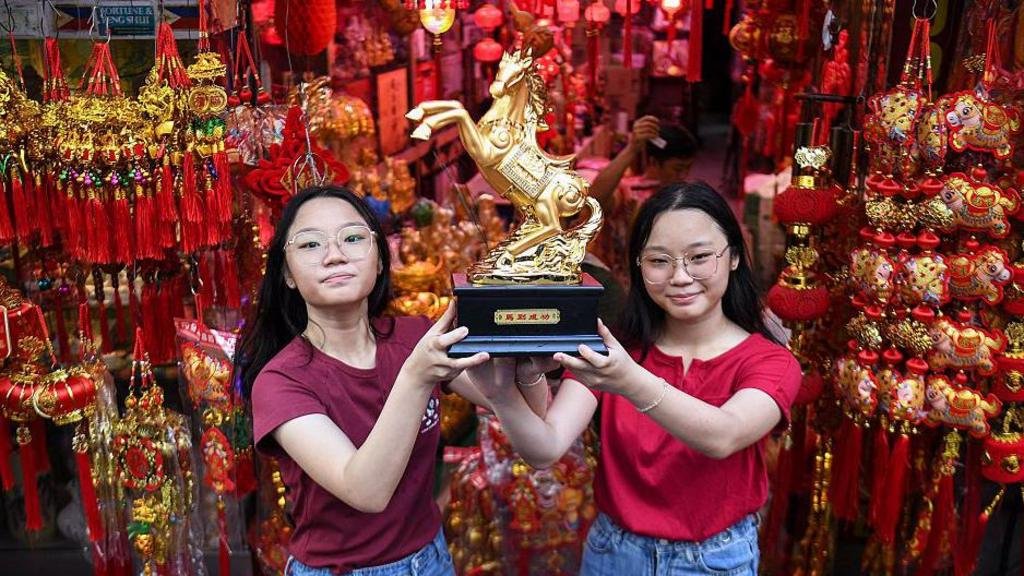
Millions of people across Asia and around the world have welcomed the Year of the Fire Horse, celebrating the start of the Lunar New Year with colourful festivals, traditional rituals, and public gatherings from Beijing to Bangkok. The event, steeped in centuries of cultural heritage, draws participants of all ages who come together to mark a new beginning, honour ancestors, and invoke luck and prosperity for the year ahead.
In Beijing, the streets of the capital were awash with red lanterns, intricate decorations, and vibrant parades featuring lion and dragon dances. Families flocked to temples to make offerings and seek blessings, while fireworks illuminated the skyline, creating a spectacle enjoyed by locals and international visitors alike. Markets were bustling with shoppers purchasing traditional foods, symbolic gifts, and festival items, highlighting the commercial as well as cultural significance of the celebrations.

Meanwhile, in Bangkok, Thailand, celebrations took place in the city’s Chinatown and other major districts. Streets were packed with festival-goers enjoying live performances, colourful processions, and temple ceremonies. Thai-Chinese communities participated in traditional rituals, including incense offerings and prayers for health, wealth, and harmony. Vendors offered festival delicacies such as dumplings, sweet rice cakes, and symbolic foods meant to bring good fortune.
The Fire Horse, according to Chinese astrology, is associated with energy, courage, and determination, traits that are expected to influence the year ahead. Traditionally, it is also considered a year of unpredictability and change, encouraging individuals and communities to approach challenges boldly and embrace new opportunities. Astrologers and cultural commentators have predicted that the year may be marked by ambitious ventures, innovation, and a spirit of resilience.
In Hong Kong, the celebrations drew crowds to Victoria Harbour, where fireworks and lantern displays lit up the night sky. Street parades featured performers in traditional costumes, acrobatics, and martial arts demonstrations. Citizens and tourists alike joined in the festivities, reflecting the enduring appeal of Lunar New Year traditions in urban centres and their ability to unite diverse communities.
Across East and Southeast Asia, similar celebrations were held, including in Singapore, Malaysia, Vietnam, and South Korea. Despite differences in local customs, the core themes of family, renewal, and prosperity remained central. Governments and cultural organisations emphasised both safety and accessibility, with measures in place to manage large crowds and ensure that public events could be enjoyed by everyone.
Beyond Asia, diaspora communities in Europe, North America, and Australia also marked the Year of the Fire Horse with public festivals, temple visits, and cultural events. Cities with significant Chinese populations, including London, New York, Sydney, and Toronto, hosted parades, performances, and exhibitions that showcased traditional arts, crafts, and cuisine. Social media has amplified these celebrations, allowing millions worldwide to participate virtually and share their experiences.

Cultural experts note that the Lunar New Year continues to serve as both a symbolic and social anchor, connecting modern society with ancestral traditions. The Fire Horse, in particular, carries a potent symbolic message, inspiring people to embrace change and demonstrate courage in the face of uncertainty. Families and communities use the festival not only to celebrate the past year but also to set intentions for personal growth, economic success, and communal well-being.
Merchants and businesses also benefit from the surge in activity during the festival, with increased sales in food, clothing, gifts, and decorations. Tourism boards highlight the economic impact of Lunar New Year celebrations, as international visitors flock to cities to witness authentic cultural events. The festival’s blend of tradition, performance, and commerce underscores its significance as a major annual event in Asia’s cultural and economic calendar.
As celebrations continue throughout the week, millions are expected to visit temples, participate in communal meals, and enjoy cultural performances. While the festival remains rooted in tradition, organisers are increasingly integrating modern elements, including light shows, interactive exhibits, and online participation, ensuring that the Lunar New Year remains relevant to younger generations while preserving its rich heritage.
Related News:
 ‘Fabled Knights of Old’: The True Story of Japan’s Mysterious Samurai
 A Very Chinese Time? Soft Power on the Rise
 After the Landslide: Can India Reset Ties with BNP Bangladesh?
 Taliban Penal Code Legalises Domestic Violence in Afghanistan
 China Strikes at Japan’s Core — Will PM Takaichi Back Down?
 Battle to Save the Crumbling Palace of General Gordon’s Last Stand
 Japan’s Lost “Tigers” Were Actually Lions, Study Reveals
 Bangladesh’s New Prime Minister to Be Sworn In After Historic Election Win
 Long Queues and Confusion Mar First Day of India’s Landmark AI Summit