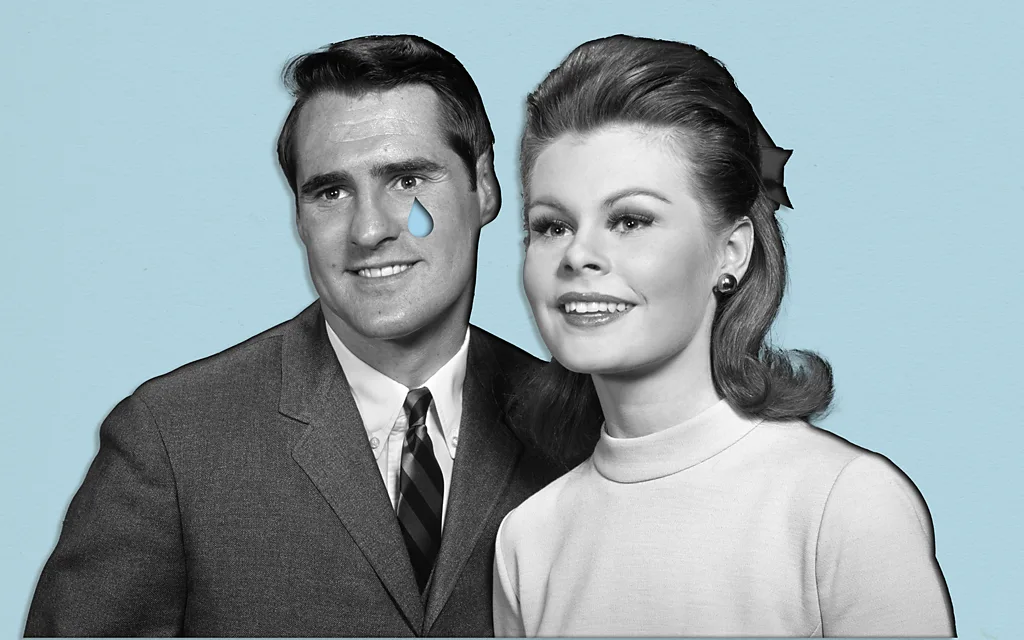
Published: 17 February 2026. The English Chronicle Desk. The English Chronicle Online
For decades, a widespread belief has persisted that women are inherently more empathetic than men—a notion often cited in education, workplace dynamics, and even media portrayals. However, recent research challenges this assumption, suggesting that the idea of a natural gender divide in empathy is far more nuanced than commonly thought.
Studies in psychology and neuroscience indicate that empathy is not strictly determined by biological sex, but by a combination of socialization, cultural expectations, and individual experiences. While some surveys have historically shown women scoring higher on empathy tests, researchers argue that these differences may reflect learned behaviors rather than innate abilities. Social norms often encourage women to express emotions openly, while men may be conditioned to suppress or mask them, giving the appearance of lower empathetic capacity.

Dr. Elena Martinez, a cognitive neuroscientist, explains: “Empathy is a complex skill that involves cognitive understanding, emotional recognition, and prosocial behavior. There’s little evidence that women are biologically predisposed to be more empathetic. Instead, environmental factors, upbringing, and societal expectations play a major role.”
This myth has real-world implications. In professional settings, women are frequently expected to take on emotional labor—listening, mediating conflicts, and providing support—because of assumptions about their natural empathy. Men, by contrast, may be discouraged from displaying these traits, reinforcing gender stereotypes and limiting both men’s and women’s ability to engage fully in collaborative and caring roles.
Cultural messaging also amplifies the misconception. Movies, literature, and advertising often depict women as nurturing and emotionally intuitive, while men are portrayed as stoic or detached. These repeated narratives can subtly influence perceptions and expectations from an early age, shaping how empathy is expressed rather than who is capable of feeling it.
Recent research also highlights that men and women may express empathy differently. While women might show empathy through verbal affirmation and nurturing gestures, men often display it through action-oriented or problem-solving behaviors. Traditional measures of empathy, which prioritize verbal and emotional responses, may therefore underestimate men’s empathetic abilities.
Experts argue that acknowledging this complexity is critical for fostering more inclusive environments. Educators, employers, and policymakers are encouraged to challenge gendered assumptions about emotional capacity, provide training that cultivates empathy across all genders, and recognize diverse expressions of care and understanding.

Ultimately, the idea that women are naturally more empathetic is more myth than reality. Empathy is a learned and cultivated skill, influenced by social, cultural, and individual factors. Recognizing this helps break down restrictive gender norms and encourages both men and women to embrace empathy in its many forms.
As conversations about gender equality and emotional intelligence continue to evolve, dismantling myths like this one is a key step toward building societies where empathy is valued universally, rather than being assigned based on outdated assumptions about gender.
Related News:
 South Africa’s Garden Route Gem Faces Looming Water Crisis
 EXCLUSIVE: Shamed Andrew’s New Humiliation as King Lays Down New Rule After Royal Lodge Boot
 Labour Utterly Humiliated by Straight-Talking Mum Who Cut Through Keir Starmer’s Insanity
 Royal Family LIVE: ‘Pariah’ Andrew Mountbatten-Windsor Sparks Fresh Revolt Among Staff
 GMB Issues Bombshell Andrew Update Minutes Into Show as Furious Viewers ‘Switch Off’
 Possessions Stuck in Unsafe Flats Two Years On
 Stay Away from Collapsed Road, Council Urges
 Tributes to Hospital’s First Black Ward Sister
 I Stayed in Britain’s ‘Best’ and ‘Worst’ Hotels – Here’s What I Learnt
 I Shop at Sainsbury’s Every Day but the Price of One Item Made Me Go to Aldi
 Hindu Man’s Stand Sparks Hope in India
 How Where You Grow Up Affects Your Personality
 Why I Decided to Start ‘Gentle Parenting’
 Kenyans Drop Flowers for Valentine’s Bouquets of Cash — Not Everyone Is Impressed
 Renters Furious as Decent Homes Standard Delayed Until 2035
 Palmerston, Former Foreign Office Chief Mouser, Dies
 Church Must Learn from Abuse Victims, Says New Archbishop
 The Victorian aristocrat who became Britain’s first Muslim lord
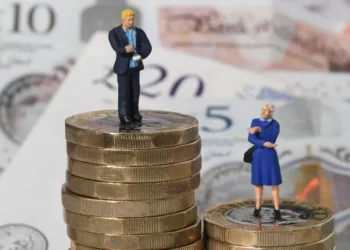 Gender Pay Gap Won’t Close for Another 30 Years, Warns Union
 FLOOD TRAGEDY: Man Dies After Entering Floodwater During Police Chase
 UP IN FLAMES: Huge Blaze Rips Through Odeon Cinema, Students Evacuated
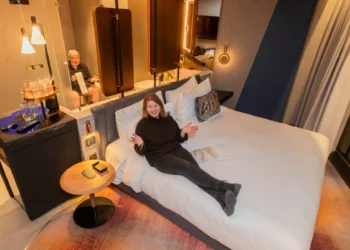 What Happened to Bathroom Doors in Hotels?
 Stop Releasing Phone Thieves Who Reoffend, Met Police Chief Urges Courts
 Motorists Could Face ‘Mandatory’ Driving Ban for Road Offences Under Tougher Laws
 Royal Mail Blames Poor Weather and Sickness for Delayed Deliveries
 Five Young People Die in Spain Apartment Block Fire
 US Civil Rights Leader Jesse Jackson Dies Aged 84