Published: 19 February 2026. The English Chronicle Desk. The English Chronicle Online
As the United States under President Donald Trump pulls back from longstanding climate commitments, including dismantling foundational climate regulations, China is surging ahead to position itself as a dominant force in the clean energy era, reshaping global energy markets and geopolitical influence.
In recent months Trump’s administration has repealed the EPA’s 2009 “endangerment finding” — a core legal basis for regulating greenhouse gases under the Clean Air Act — and has signalled a broader retreat from aggressive climate action at the federal level. Critics say the move undermines decades of environmental protection policy and weakens American leadership on climate issues as the U.S. faces lawsuits and widespread political opposition.

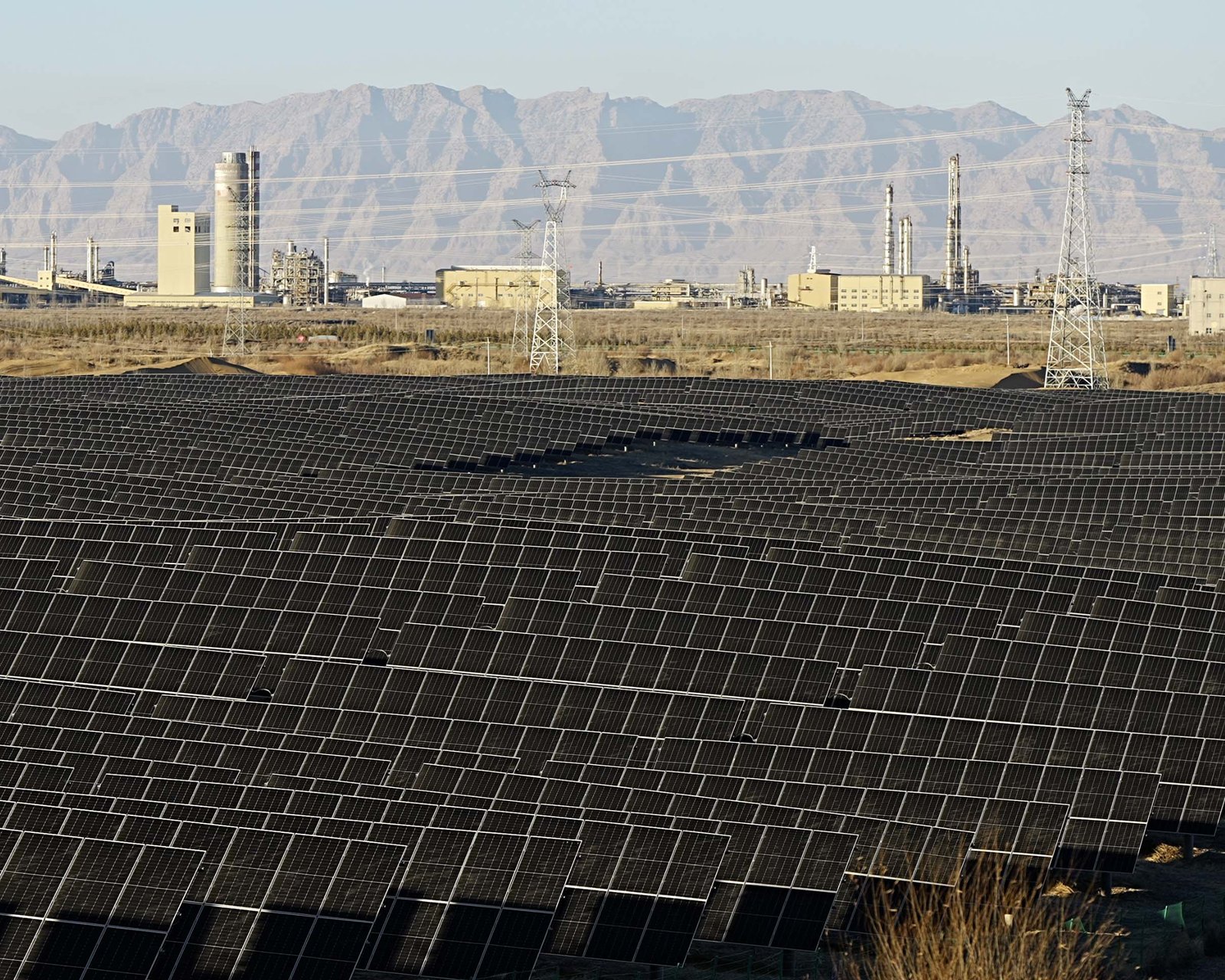
At the same time, China — the world’s largest emitter — has taken steps to decarbonise its energy system and expand renewable power capacity at a massive scale, even as it continues to grapple with emissions from coal and industrial sources. Renewable energy deployment in China has outpaced that of much of the rest of the world combined, with vast new solar, wind and battery projects across regions such as Inner Mongolia, Gansu and Xinjiang transforming deserts into clean energy hubs.
Experts say China’s strategy is not just about domestic energy policy but about becoming a clean energy manufacturing and export giant, supplying technologies like solar panels, electric vehicles and energy storage to markets around the world. The country dominates global supply chains for many clean technologies and heavily invests in renewables growth, creating economic momentum linked to its green transition.
Analysts contend this contrast in approaches has widened the gap between Washington and Beijing: while U.S. climate action recedes and regulatory authority on emissions weakens, China’s clean energy transition continues to gain traction and economic weight. In 2025, China’s installed wind and solar capacity rose sharply, and for the first time in decades, both China and India saw coal power generation fall — prompting some observers to label China a de facto “green superpower” at the centre of the global energy transformation.

The shift carries implications far beyond national borders. With nations balancing energy security, economic growth and emissions targets, China’s leadership in renewables could shape global climate policy and partnerships in years ahead — especially as U.S. federal policy takes a back seat. Observers note that despite the U.S. retreat, climate action remains a priority for many subnational governments, private companies and international partners, keeping broader global progress alive even amid shifting political winds.
Related News:
 Trump Says US Will Act on Greenland ‘Whether They Like It or Not’
 Trump Receives Machado’s Nobel Medal in White House Meeting
 Thousands Protest ICE Operations in Nationwide US Day of Action
 Epstein Files Reveal Trump Officials’ Emails with Financier
 Thousands Protest ICE in New York Against Trump Deportation Campaign
 US Must Be Prudent When Supplying Arms to Taiwan, Xi Tells Trump
 Fears of New Arms Race as US-Russia Nuclear Weapons Treaty Expires
 US Military Says Two Killed in Strike on Alleged Drug Boat in Eastern Pacific
 Trump Endorses Japan’s Takaichi Ahead of Snap Election
 Venezuela’s Opposition Says Party Leader Kidnapped Hours After Being Freed
 Trump Bizarrely Claims China Will ‘Terminate All Ice Hockey in Canada’ in Threat to Block New Border Bridge
 US Says It “Supports” UK Chagos Islands Deal
 Fast-moving Wildfires Rage Across Southwestern US
 Iran Says ‘Guiding Principles’ Agreed With US at Nuclear Talks
 Moment Officers Rescue Injured Bald Eagle From Icy Hudson River
 Brace for Trump’s Brave New World of 1.7°C Global Warming
 Two National Guard Soldiers Critically Injured Near White House
 Trump to Recheck Green Cards from 19 Nations After DC Attack
 US Defence Chief on Drug Boat Strike: “Did Not See Survivors”
 ‘Extinct’ Antelope Returns to Sahara, Bringing Hope
 American Mother Extradited From UK to U.S. on Murder Charges
 Russia losses Ukraine war peace talks intensify amid rising deaths
 Trump Taiwan China drills: US President Downplays Tensions
 US Venezuela protests sweep cities after intervention
 US Cities Erupt in Protests Against Trump’s Venezuela Military Action
 Shock US Raid: Maduro Pleads Not Guilty in Manhattan Court
 UK and France Agree Troop Deployment Plan for Ukraine
 Trump Escalates Minnesota Immigration Surge Amid Rising Tensions
 Capitol Attack Anniversary Sparks Deep Political Divide
 EU Weakens as Trump Targets Venezuela and Greenland
 Israel Dossier Sparks Australian Political Interference Concern
 Venezuela Oil Deal Opens Tensions with US Control
 Trump Labels Renee Good a ‘Paid Agitator’ After Minneapolis ICE Killing
 Trump Says US Must ‘Own’ Greenland to Block Russia, China
 US Citizens Warned to Venezuela Flee Amid Paramilitary Threats
 Trump Weighs Response to Iran Crackdown as Tehran Says Communication Open With US
 Australia’s US Ambassador Rudd to Step Down Early
 Trump Administration Probe of Fed’s Powell Draws Pushback
 Trump targets Iran trade with 25% tariff warning
 US Clears Nvidia AI Chip Sales to China in Policy Shift
 Trump Threatens Strong Action If Iran Executes Protesters
 Gulf states warn Trump Iran strikes risk wider Middle East war
 Machado Trump medal gesture reshapes Venezuela power struggle
 Greenland defence seen as shared Nato duty amid troop arrivals
 Iran unrest slows under brutal crackdown and global tensions
 Greenland Crisis Forces Europe to Draw a Line With Trump
 Guterres Warns Global Cooperation Under Threat at UN’s 80th Year
 Iran Cannot Be Bombed Into Democracy, Only Helped There
 Syria President Declares Victory as Ceasefire Reached with SDF
 US Considers Asylum for British Jews Amid Rising Antisemitism
 Trump Aide Sparks Fury as Greenland Dispute Intensifies
 Half the World’s Largest Cities Face Rising Water Stress
 Historic Abu Dhabi Talks Bring US, Ukraine and Russia Together
 EU Says US Ties Have Suffered ‘Big Blow’ After Greenland Crisis
 Russia Strikes Kyiv and Kharkiv as Peace Talks Enter Day Two
 Arizona border shooting leaves suspect hospitalised after agent pursuit
 Videos reveal earlier clash before Alex Pretti shooting
 Emails Show Epstein Funded Mandelson’s Husband After Jail
 ‘Painful Times’ as Melinda Gates Responds to Epstein Files
 Trump Praises ‘Terrific’ Petro After White House Talks
 What is Groundwater Flooding and Why Dorset is Seeing ‘Historical Highs’
 US and Iran Hold Nuclear Talks as Trump Ramps Up Military Threats
 Dozens of Flood Warnings in England After Days of Non-Stop Rain
 Christchurch Shooter Seeks to Overturn Guilty Plea in Appeals Court
 Trump Says Iran Regime Change Is “Best Thing That Could Happen”
 Obama Slams Trump’s Racist ‘Ape’ Video Amid Backlash
 Actor Robert Duvall, Who Starred in The Godfather, Dies Aged 95
 New Nuclear Talks Between US and Iran Begin in Geneva
 Temperatures Dip Below Freezing as Arctic Air Sweeps Across the UK
 ‘He Did It for Us’: US Soldier Recalls Jesse Jackson’s Efforts to Free Him and Two Other POWs
 Stephen Colbert Says CBS Spiked Interview With Democrat Over FCC Fears
 Suspect in Rhode Island Ice Hockey Shooting Killed Ex‑Wife and Son
 US Pushes to Recruit Organised Crime Gangs into Gaza Police Force
 Shutting North Sea ‘Will Drive Up Carbon Emissions’
 Ukraine Peace Talks End in Acrimony After Two Hours
 Leave Chagos Now, Britain Tells Returning Islanders
 Indian University Kicked Out of AI Summit for Claiming Chinese Robot Dog as Its Own Invention
 India Sentences Three Men to Death for Attack on Israeli Tourist and Hosts
 US Urges Iran to Make Deal as Military Presence Rises
 Desperate Hunt for Breakthrough in Nancy Guthrie Case Turns to Mexico