Published: 19 February 2026. The English Chronicle Desk. The English Chronicle Online.
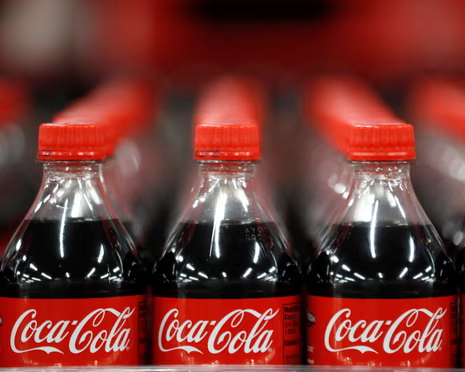
In a landmark civil rights case capturing nationwide attention, the U.S. Equal Employment Opportunity Commission has filed a Coca‑Cola lawsuit against Coca‑Cola Beverages Northeast for allegedly violating federal anti‑discrimination laws by hosting a corporate event that excluded male employees. This legal action, centred on claims of sex discrimination, has sparked debate about workplace diversity, equity, and inclusion, as well as the legal limits of programmes designed to support underrepresented groups.
The Coca‑Cola lawsuit, filed in the United States District Court for the District of New Hampshire, focuses on a two‑day networking retreat held in September 2024 at the Mohegan Sun Casino in Connecticut. According to the complaint, Coca‑Cola Beverages Northeast invited around 250 female employees to attend this event, but excluded men, allegedly breaching Title VII of the Civil Rights Act of 1964, which prohibits employment discrimination based on sex.
Federal authorities assert that the retreat was not merely social but a company‑sponsored event that included team‑building exercises, a social reception, recreational activities, professional speakers, and networking with senior executives. The EEOC contends that excluding male staff from a fully paid and sanctioned work event denied them equal access to opportunities, violating federal law.

Legal experts watching this Coca‑Cola lawsuit say it could become a defining moment for workplace diversity initiatives. It represents the first time the EEOC has filed a case claiming a diversity programme itself is unlawful, signalling a shift in enforcement priorities and raising questions about the future of gender‑exclusive corporate events across the country.
The complaint notes that female employees were excused from regular work duties, paid their usual wages without using paid time off, and had hotel accommodations and meals covered. Male employees, however, were denied access to these benefits, forming the EEOC’s argument that they were deprived of equal employment terms and conditions.
The case has quickly become a flashpoint in the national discussion of diversity, equity, and inclusion, often referred to as DEI. Advocates argue that DEI programmes help address historical inequities, creating inclusive workplaces, while critics assert that any policy excluding individuals based on protected characteristics constitutes unlawful discrimination.
President Donald Trump’s administration has pursued dismantling DEI programmes in government, private industry, and higher education, arguing some initiatives create “reverse discrimination” and undermine merit-based systems. Observers note that this Coca‑Cola lawsuit fits within this broader regulatory and ideological context, potentially setting precedents for other corporate practices.
Acting EEOC general counsel Catherine L. Eschbach emphasised that excluding a protected class from employer-sponsored events is illegal under Title VII. She reaffirmed the agency’s dedication to ensuring equal treatment for all workers, regardless of sex, highlighting the legal stakes of the case.
Legal scholars warn that the outcome of the Coca‑Cola lawsuit may have significant implications for other gender-specific programmes, networking retreats, or affinity groups in corporate diversity strategies. If the court sides with the EEOC, companies may need to restructure events to ensure compliance with anti-discrimination laws.
Coca‑Cola Beverages Northeast and its parent companies have not publicly responded to the litigation. The Coca‑Cola Company itself is not named as a defendant, and it is unclear whether broader reputational impact will affect the larger organisation. The bottling company is owned by Kirin Holdings, a Japanese conglomerate, but its handling of this legal challenge is attracting attention from investors, employees, and industry watchers.
The case follows other recent EEOC scrutiny of corporate diversity practices, including investigations into sportswear and financial services companies for alleged discrimination. The EEOC also requested information from 20 major law firms last year regarding their DEI policies, reflecting an expanded enforcement approach.

Supporters of DEI insist that equity and inclusion remain essential in addressing systemic bias and promoting opportunity, but they also acknowledge programmes must comply with legal standards to avoid excluding employees on the basis of sex, race, or national origin.
Critics argue that events like the one in question create inequities and highlight the need for inclusive policies that provide professional development opportunities without discrimination. This perspective underscores the importance of balancing diversity initiatives with legal obligations.
As the federal court in New Hampshire prepares to hear arguments, businesses across the U.S. are watching closely. Many companies are adjusting their training, networking, and team-building activities to prevent legal challenges, while others question the long-term viability of gender-focused DEI programmes. The Coca‑Cola lawsuit could influence corporate practices and human resources policies for years.
For now, the legal battle over this event has illuminated the delicate balance between fostering inclusive workplaces and upholding anti-discrimination laws protecting all employees. Its outcome may extend far beyond the beverage industry, shaping how American companies implement diversity, equity, and inclusion in the 21st century.
Related News:
 Two National Guard Soldiers Critically Injured Near White House
 Putin Intensifies Territorial Demands Before US Talks
 US National Guard Member Killed in DC Shooting
 Trump to Recheck Green Cards from 19 Nations After DC Attack
 Trump to pause migration from ‘third-world countries’
 US Defence Chief on Drug Boat Strike: “Did Not See Survivors”
 Republicans Hold Tennessee Seat Despite Democratic Surge
 Franklin Turtle, Sabrina Carpenter Slam US Social Media Use
 American Mother Extradited From UK to U.S. on Murder Charges
 Russia losses Ukraine war peace talks intensify amid rising deaths
 US Cities Erupt in Protests Against Trump’s Venezuela Military Action
 Trump Escalates Minnesota Immigration Surge Amid Rising Tensions
 Capitol Attack Anniversary Sparks Deep Political Divide
 Portland Shooting: Federal Agents Open Fire Near Hospital
 Trump Labels Renee Good a ‘Paid Agitator’ After Minneapolis ICE Killing
 Federal Immigration Shift: Officers Leave Louisiana for Minneapolis
 Trump Says US Must ‘Own’ Greenland to Block Russia, China
 Homeland security agents deployed amid Minneapolis protests
 Minneapolis mayor demands state access to Renee Good probe
 Democrats Push Affordability to Challenge Trump Ahead of Votes
 German Supermarket Aldi to Open 180 US Stores This Year
 US judge allows Ørsted to resume Rhode Island offshore wind project
 Minnesota Sues Trump Administration Over ICE Surge
 Trump targets Iran trade with 25% tariff warning
 Greenland Faces Pivotal Summit Over Arctic Power Struggle
 US Clears Nvidia AI Chip Sales to China in Policy Shift
 Trump Threatens Strong Action If Iran Executes Protesters
 Government Unveils Northern Powerhouse Rail Plans
 Portland man pleads not guilty after Border Patrol shooting
 Trump press secretary attacks reporter over ICE question
 Kyrsten Sinema Faces High-Profile Lawsuit Over Marriage Interference
 ICE detainee death may be investigated as homicide in Texas camp
 Trump Receives Machado’s Nobel Medal in White House Meeting
 ‘He Believed Help Was Coming’: Why Iran’s Protesters Feel Betrayed
 Trump Aide Sparks Fury as Greenland Dispute Intensifies
 Trump Fed bid heads to Supreme Court
 EU Says US Ties Have Suffered ‘Big Blow’ After Greenland Crisis
 ‘A long time coming’: US table tennis finds its moment
 ‘Unfathomable’: Australian veterans rebuke Trump claims
 Trump officials continue false claims after Alex Pretti shooting
 Minneapolis pushes back against ICE’s federal crackdown
 Border Patrol Commander Leaves Minneapolis After Fatal Shooting
 Arizona border shooting leaves suspect hospitalised after agent pursuit
 ‘Evil is resilient’: Pressure Mounts on Stephen Miller
 Fulton election raid hits Georgia election office
 Videos reveal earlier clash before Alex Pretti shooting
 Partial US Government Shutdown Hits Homeland Security Funding
 Thousands Protest ICE Operations in Nationwide US Day of Action
 Epstein Files Reveal Trump Officials’ Emails with Financier
 Thousands Protest ICE in New York Against Trump Deportation Campaign
 Sinema payment row deepens after $9,000 transfer claim
 US-Cuba Negotiations Shift as Oil Blockade Looms
 Portland Mayor Demands ICE Leave After Protest Violence
 ‘Painful Times’ as Melinda Gates Responds to Epstein Files
 Trump Praises ‘Terrific’ Petro After White House Talks
 Headline: Measles Alert: Dr Oz Urges Americans to Vaccinate
 Nurses’ families fear breakup under UK immigration crackdown
 Trans Youth Care Crisis: NY Hospital Ends Gender‑Affirming Treatment
 Zelenskyy Signs Fighter Jet Deal Amid Russian Drone Attacks
 Sundar Pichai Cautions on AI Hype and Market Risks
 Shadow Fleet at Sea: Europe’s Battle Against Illicit Oil Shipping
 Snow and Ice Cause Travel Chaos in North Yorkshire
 Director Michael Caton-Jones Reflects on Career and Beginnings
 Inside the Helpline Protecting Missing Children in the UK
 PlayStation PS5 Deals Hit Lowest Prices Ahead of Black Friday
 US Suspends Afghan Immigration After White House Shooting
 Five-Year-Old Dies After Rare Tonsil Surgery Complication
 Starmer Says Labour’s Economic Plan Needs Years to Deliver
 ‘Extinct’ Antelope Returns to Sahara, Bringing Hope
 IndiGo Cancels Hundreds of Flights Amid Pilot Shortages
 Young Britons Face Heaviest Burden from Ageing Population, Lords Warn
 U‑Turn on Farmers’ Inheritance Tax Sparks Political Firestorm
 Khaleda Zia Death in Bangladesh: First Female PM Dies at 80
 Children to Receive Home Vaccines as England Acts
 GMB Union Faces Turmoil Amid Female Leaders’ Claims
 MoJ Prison Leasing Scandal Triggers £100m Public Cost
 Cambridge College Faces Backlash Over Private School Recruitment
 Bereaved Fathers Gain New Paternity Leave Rights in UK
 US Senate rejects resolution limiting Trump military powers
 Woman Jailed for Life After Killing E-Bike Rider in Tragic Mistaken Identity Case