Published: 19 February 2026. The English Chronicle Desk. The English Chronicle Online.
A Sydney businessman allegedly supplied security and defence advice to Chinese agents, falsely claiming it came from Kevin Rudd. The focus on former prime ministers and diplomatic contacts in foreign interference cases has intensified in recent years, highlighting the risk of fabricated intelligence reaching international actors. Alexander Csergo, 59, owner of IT consulting firm Conversys, faces a trial in the Federal Court after authorities accused him of reckless foreign interference. Prosecutors allege he knowingly passed information to two people he believed were connected to China’s Ministry of State Security.
Csergo, living in Shanghai during the period in question, was engaged in data-sensitive telecoms projects linked to Chinese government strategy. The jury heard he was approached on LinkedIn in November 2021 by two individuals identified as “Ken” and “Evelyn,” who allegedly groomed him to become a source for Chinese intelligence. These communications continued until March 2023, shortly after Csergo returned to Australia. Crown prosecutor Jennifer Single SC told the court that Csergo supplied reports on lithium, iron ore, the German government’s changes, and key diplomatic and defence arrangements such as the Aukus security pact and the Quad partnership.
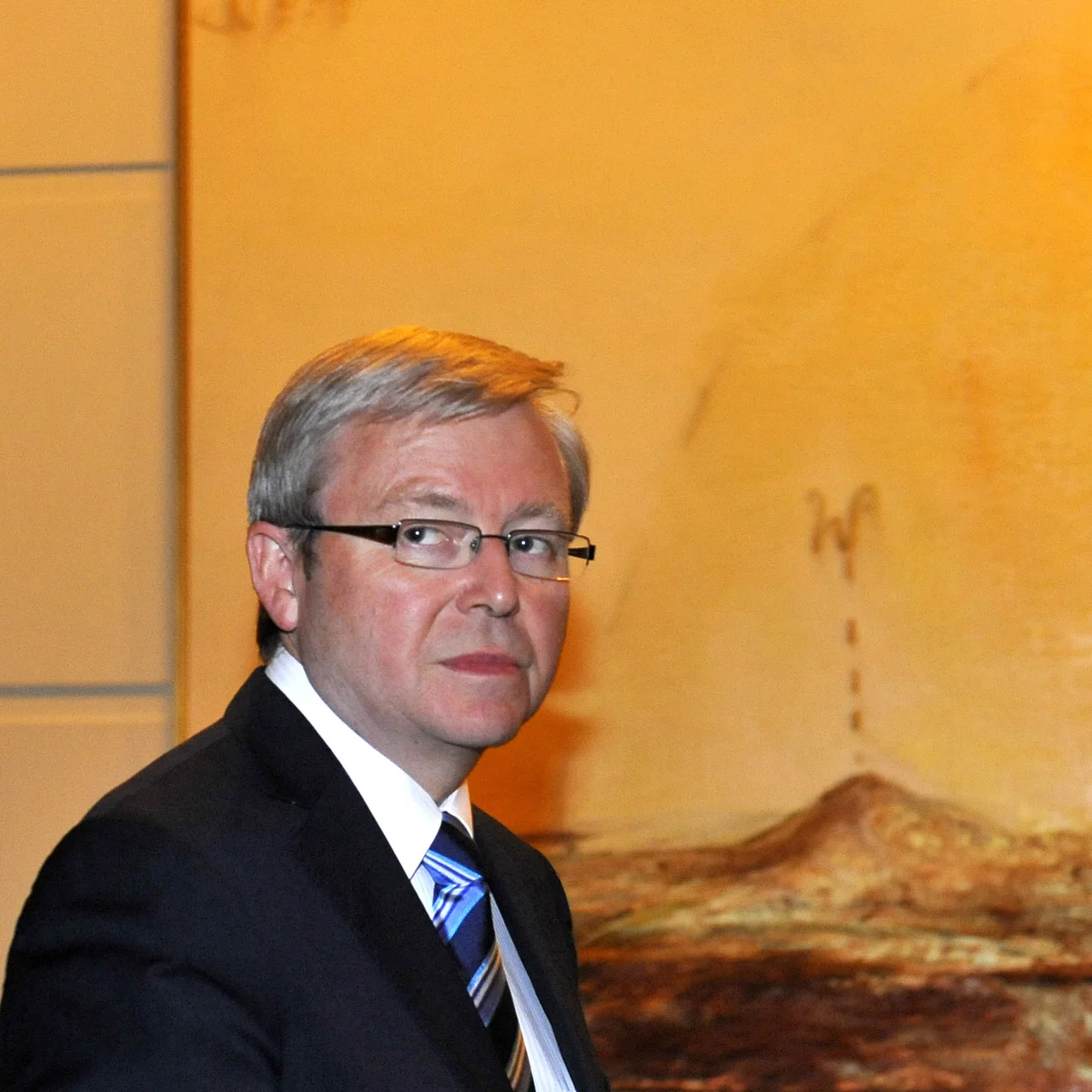
In the trial, it emerged that Csergo fabricated interviews with prominent figures, including former prime minister Kevin Rudd, to lend credibility to his reports. Prosecutors emphasised that Rudd had no contact with Csergo after the businessman reached out regarding Australia’s defence and international security policy. “He fabricated source material to lend feasibility to his reports and make him a more valuable asset,” Single said, outlining the deliberate deception in the communications. Csergo’s method involved compiling open-source information, then attributing it to fictitious interviews or confidential sources.

The delivery of these materials was handled cautiously, according to the prosecution. Csergo allegedly avoided email, opting instead to provide printed reports or digital files on USB sticks during in-person meetings in largely empty restaurants and cafes. This approach was described as designed to limit electronic traces while facilitating physical transfer of his fabricated intelligence. “Often those restaurants and cafes were completely empty apart from the accused, Ken and Evelyn,” Single told the court.
By early 2023, the instructions from the alleged handlers became more specific. Ken reportedly issued a “shopping list” of topics for Csergo to research upon returning to Australia. The list included detailed requests on China-related matters within Australian and US intelligence agencies, defence and national security strategies, and China’s foreign policy direction. It even asked him to identify contacts in the prime minister’s office, the Australian Security Intelligence Organisation, and the Australian Securities and Investments Commission. Csergo acknowledged receipt of these instructions in messages sent via WeChat days before his flight back to Australia.
During a March 2023 search of Csergo’s Bondi premises, the Australian Federal Police seized documents and electronic devices. More than 3,200 WeChat messages between Csergo and the two alleged handlers were recovered, alongside his smartphone, laptop, and other digital storage devices. The evidence formed the backbone of the prosecution’s case, showing extensive communication and a pattern of reporting on strategic topics that appeared tailored to the alleged handlers’ interests.
Csergo told police that he believed he was under Chinese surveillance and could not leave the country due to Covid-19 restrictions, suggesting a sense of compulsion in his participation. However, his barrister, Iain Todd, argued that the information was shared for commercial purposes rather than national security breaches. “There are no secrets disclosed, no blueprints of military weapons or Australia’s military capabilities in any of those reports,” Todd told the jury, stressing that Csergo’s only misrepresentation was claiming authorship of material he had compiled.
Todd also maintained that the IT consultant had not acted on the “shopping list” supplied by Ken. According to his defence, the decision to supply information for payment was purely a business calculation, rather than an attempt to aid foreign powers. This distinction remains central to the trial, with prosecutors seeking to establish intent to interfere in Australia’s national security, while the defence frames the conduct as opportunistic yet legally permissible.
Legal experts following the case note that foreign interference laws in Australia are designed to capture both covert operations and reckless engagement with foreign intelligence services. Csergo’s alleged actions, if proven, underscore how non-state actors and private individuals can become entangled in geopolitical strategies without formal government roles. The use of fabricated intelligence attributed to high-profile figures adds complexity, raising questions about the reliability of information circulated in global security networks.
The trial also brings attention to the intersection of technology, social media, and international intelligence. Csergo’s initial contact via LinkedIn illustrates the modern channels through which foreign actors attempt recruitment or information gathering. The volume of digital correspondence, coupled with physical transfer methods, highlights the blend of traditional espionage tactics with contemporary communication tools. Analysts say this duality complicates detection and underscores the need for robust cybersecurity measures within corporate and diplomatic environments.
Kevin Rudd, whose name was misused in the reports, is expected to testify during the proceedings. His testimony may clarify whether any interaction occurred and the extent to which his public statements were misrepresented. This element of the trial is significant, as it will shed light on how fabricated intelligence can mislead recipients and create the appearance of legitimacy. Legal observers also point to the reputational consequences for public figures whose names are falsely invoked in sensitive reports.
The outcome of the trial could have broader implications for Australian foreign interference legislation. Courts may need to address the threshold for “reckless” engagement with foreign intelligence entities and how intent is proven when the individual claims commercial motivation. Observers note that Australia’s foreign interference laws are among the strictest in the world, reflecting the country’s strategic vulnerabilities and its alliances within the Indo-Pacific region. The Csergo case serves as a reminder that private citizens can inadvertently become instruments in international intelligence operations, even without direct government employment or access to classified information.

As the trial progresses, questions surrounding the adequacy of monitoring, reporting mechanisms, and public awareness of foreign interference will remain central. Authorities are likely to review the lessons learned from Csergo’s communications and methods to prevent similar incidents. In particular, corporate employees working on projects with international strategic implications may face heightened scrutiny, and professional guidance on handling unsolicited intelligence requests may be expanded.
For now, the focus remains on the jury’s deliberation over whether Csergo’s actions constitute reckless foreign interference. The combination of digital communications, physical document transfers, and fabricated attributions presents a complex narrative for the court. Analysts expect that the proceedings will test the boundaries of current legislation while offering insight into the evolving nature of espionage in a globally connected era. The case has attracted attention both domestically and internationally due to the involvement of a former prime minister’s name in purported intelligence reports.
In summary, the trial of Alexander Csergo illustrates the challenges posed by modern foreign interference, where private actors, technology, and fabricated intelligence converge. Prosecutors assert that the businessman knowingly provided information to individuals he believed were Chinese intelligence operatives, while the defence maintains his engagement was commercially motivated and did not involve state secrets. The case highlights both legal and ethical considerations in protecting national security against unconventional intelligence threats, underlining the importance of vigilance in an interconnected world where misinformation can easily cross borders.
Related News:
 Silence and Unity Mark Bondi Terror Attack Memorial
 Christchurch Shooter Seeks to Overturn Guilty Plea in Appeals Court
 George Clooney and Amal Clooney Receive French Citizenship
 Shock US Raid: Maduro Pleads Not Guilty in Manhattan Court
 UK and France Agree Troop Deployment Plan for Ukraine
 Capitol Attack Anniversary Sparks Deep Political Divide
 EU Weakens as Trump Targets Venezuela and Greenland
 Saudi Officials Report Zubaidi Flee Before Yemen Peace Talks
 Venezuela Oil Deal Opens Tensions with US Control
 UK Targets in New York Bomb Threat Hoax: Man Jailed
 Trump Plans Venezuela Meeting, Warns of Cartel Land Strikes
 Gambia Supreme Court Hears Case to Overturn FGM Ban
 Trump Labels Renee Good a ‘Paid Agitator’ After Minneapolis ICE Killing
 Indonesia blocks Grok chatbot over sexual content risk
 Adelaide Festival Sparks Widespread Controversy Among Writers
 US Citizens Warned to Venezuela Flee Amid Paramilitary Threats
 Racist Attack on Imam Sparks Melbourne Police Action
 PM pushes urgent hate speech and gun laws after Bondi terror attack
 Mandelson apologises over Epstein ties after public scrutiny
 Trump targets Iran trade with 25% tariff warning
 Hanson and Joyce Use Rinehart Jet to Tour Flooded Queensland
 Rudd successor: Defence chief and former ministers considered
 Craig Silvey faces charges over child exploitation material in Australia
 US Senate rejects resolution limiting Trump military powers
 Venezuela regime claims release of political prisoners signals new era
 Labor’s Hate Speech and Gun Laws Face Federal Roadblocks
 Friedman Uninvited From 2024 Adelaide Writers’ Week
 Gulf states warn Trump Iran strikes risk wider Middle East war
 Machado Trump medal gesture reshapes Venezuela power struggle
 Greenland defence seen as shared Nato duty amid troop arrivals
 Geopolitical football: Iran, Trump and the World Cup clash
 Canada-China trade gains momentum in new strategic partnership
 Trump Receives Machado’s Nobel Medal in White House Meeting
 Bondi memorial flowers preserved in lasting tribute artwork
 Syria President Declares Victory as Ceasefire Reached with SDF
 US Considers Asylum for British Jews Amid Rising Antisemitism
 Sydney shark attack leaves boy critically injured in harbour waters
 Starmer Challenges US Over Controversial Greenland Deal
 Sydney Shark Attack Surge Shocks Australia Beaches
 Melbourne Antisemitic Attack Targets Young Boys
 Chinese tourists drop sharply over Taiwan tensions
 Spoof “Make America Go Away” Caps Rally Denmark Over Greenland
 NSW Shark Attacks Surge, Authorities Urge Swimmers to Stay Out
 Trump slams UK ‘stupidity’ over Chagos Islands, eyes Greenland takeover
 More Than 100 Islamic State Inmates Escape Amid Syrian Clashes
 Trump Tightens Grip on EU and UK Energy Supply
 Shinzo Abe’s killer receives life sentence in Japan
 Starmer Resists Matching Trump Amid Greenland Tensions
 Sussan Ley leadership milestone shakes Liberal future
 Deadly NSW Shooting Leaves Three Dead, Gunman Escapes
 Andrew Hastie Emerges as Leadership Rival to Ley
 Record-Breaking Heat Looms Over South-East Australia as Catastrophic Fire Risk Escalates
 Russia Strikes Kyiv and Kharkiv as Peace Talks Enter Day Two
 China General Under Investigation Amid Leadership Purge
 Philippines ferry disaster leaves 15 dead, dozens missing
 Israel Conditions Gaza Rafah Reopening on Hostage Search Completion
 Turnbull urges Albanese to confront Trump’s global ‘bully’ politics
 India-EU Free Trade Deal Marks Historic Economic Shift
 David Speers to host ABC panel on Jewish Australian experiences
 Morrison Faces Backlash Over Call to Regulate Islam in Australia
 Crisis Looms as Liberals Debate Sussan Ley Future
 Cambridge Faces Scrutiny Over Arms Investment Transparency
 Files Link Andrew to Epstein Dinner After Prison Release
 David Littleproud and Sussan Ley to Discuss Coalition Future
 Jess Wilson Event Exit After Joyce Controversy
 Townsville Hospital Probes Privacy Breach After Activist Posts Foetus Image
 Epstein UAE Emails Shake British Royal Andrew’s Legacy
 Europeans oppose US after Greenland threat, poll shows
 Gus Lamont Case: Grandmothers ‘Devastated’ by Major Crime Status
 Australia’s Opposition Coalition Reunites After Rift
 Minnesota Nurse Saves Refugees, Witnesses Tragedy Decades Later
 Christchurch gunman seeks to vacate guilty plea
 UK Experts Raise Alarm Over Machinery Export to Armenian Firm
 Australia Police Defend Actions After Violence at Protest Over Israeli President Visit
 Liberal Fallout: Taylor Challenge Casts Shadow Over Sussan Ley’s Leadership
 Lenore Taylor steps down as Guardian Australia editor
 Infantino Faces Russia Threat and Trump Concerns at Uefa Congress
 Concerns rise for Canberra boy amid Iran detention fears
 Ukraine, Russia Meet in Geneva Ahead of War Anniversary
 Angus Taylor Faces Immense Test with New Frontbench