Published: 17 December 2025. The English Chronicle Desk. The English Chronicle Online.
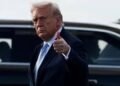
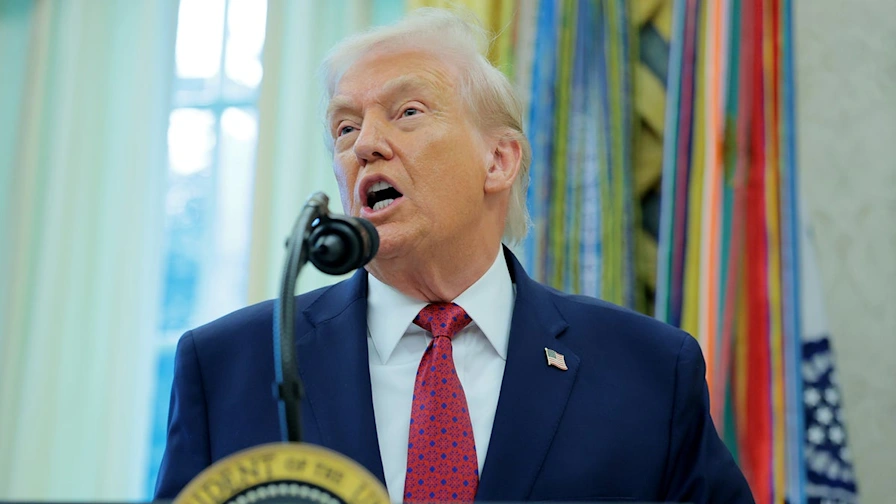
The BBC is preparing a robust legal defence as it seeks to have Donald Trump’s $10bn lawsuit dismissed, arguing that the case lacks legal merit and should not proceed further. The unprecedented claim, filed in a Florida court, accuses the UK public broadcaster of defaming the US president through a Panorama documentary that examined his political legacy and conduct around the events of January 6. The corporation’s response signals a determination to defend its editorial independence at a time of significant institutional and political pressure.
The legal action centres on an episode titled Trump: A Second Chance?, broadcast in the UK ahead of the 2024 US presidential election. Trump’s complaint alleges the programme offered a false and malicious portrayal, claiming it caused severe reputational and financial harm. His lawyers argue the documentary deliberately misled viewers by editing together separate segments of a speech he delivered before supporters gathered in Washington on January 6, 2021. According to the filing, this editing suggested he directly encouraged violence, an accusation the BBC disputes.

In its response, the BBC is expected to argue that the Florida court does not have proper jurisdiction over the case. The broadcaster maintains that it did not have rights to distribute the programme within the United States, and that American audiences could not legally access the documentary through its own platforms. BBC iPlayer, the corporation’s streaming service, is geographically restricted, preventing users in the US from viewing content without circumvention tools. On this basis, lawyers believe the lawsuit should be dismissed before escalating litigation costs are incurred.
Supporters of the BBC have greeted the decision to fight the case with relief, viewing it as a necessary stand against what they perceive as an attempt to intimidate a public service broadcaster. Many within the media industry argue that settling such a claim would risk undermining journalistic independence and could set a troubling precedent for international reporting. The BBC has long maintained that its obligation is to report without fear or favour, particularly when covering powerful political figures.
Trump’s lawsuit also claims violations of Florida’s Deceptive and Unfair Trade Practices Act, asserting that the programme damaged his brand value and future earning potential. However, BBC lawyers are expected to counter that argument by noting Trump’s subsequent electoral success. He won the presidential election and increased his vote share in Florida compared with previous campaigns. From the corporation’s perspective, this outcome weakens claims of serious reputational harm resulting from the broadcast.
The complaint suggests that some Florida residents may have accessed the programme using virtual private networks or through BritBox, an international streaming service partly associated with British broadcasters. The BBC has not directly addressed these assertions, but sources close to the case say the corporation will argue that any such access does not amount to intentional distribution within the US. Legal experts note that indirect or unauthorised viewing is unlikely to establish liability under American defamation law.
The issue has engaged senior figures within the BBC, with the board and legal department working closely together. BBC chair Samir Shah is understood to be personally involved in overseeing the response, reflecting the seriousness of the challenge. The case arrives during a turbulent period for the organisation, which is already navigating leadership uncertainty following the resignation of director general Tim Davie and BBC News head Deborah Turness. Their departures followed controversy surrounding the Panorama edit at the heart of the lawsuit.
The programme’s editing has been a focal point of criticism. The Panorama episode spliced together two parts of Trump’s January 6 speech, delivered nearly an hour apart, to create the impression of a direct call to action. The BBC has acknowledged that this edit gave a mistaken impression and Shah has issued a personal apology to Trump. Nevertheless, the corporation insists that the documentary did not amount to defamation, arguing that it did not falsely attribute intentions or actions beyond what was supported by the broader context of events.
The controversy resurfaced earlier this year after a memo written by Michael Prescott, a former external adviser to the BBC, was leaked to the press. The memo highlighted concerns about the editing decision and prompted renewed scrutiny of the programme. Despite this, there were no formal complaints at the time of broadcast, a point the BBC believes strengthens its defence.
Adding complexity to the case are claims regarding international distribution. Trump’s lawsuit alleges the documentary was made available in the US through Blue Ant Media Corporation. The company, however, has denied airing the Panorama episode in the United States. A spokesperson said that none of its buyers broadcast the programme domestically, and that the version it distributed internationally did not include the controversial edit, having been shortened for scheduling purposes.
The legal battle unfolds against a politically sensitive backdrop. The UK government has begun the process of renewing the BBC’s charter, prompting debates over its future funding model and governance. Some critics argue that the lawsuit could influence perceptions of the corporation’s impartiality at a critical moment. Others believe the case underscores the importance of protecting public broadcasters from external legal pressure.
Political reactions have been mixed but largely supportive of the BBC’s stance. Senior figures, including health minister Stephen Kinnock, have said it is right for the corporation to stand firm against the allegations. Opposition voices across party lines have urged Prime Minister Keir Starmer to use diplomatic channels to encourage Trump to reconsider pursuing the case. Their appeals reflect concerns about the broader implications for UK media organisations operating under the threat of foreign litigation.
Trump’s complaint also cites comments from former prime minister Liz Truss, alleging institutional bias within the BBC. The filing references her criticism as evidence of what it calls a pattern of malice against the president. The BBC rejects this characterisation, pointing to its extensive coverage of diverse political perspectives and its established editorial standards.
Legal experts remain sceptical about the lawsuit’s prospects. International media lawyer Mark Stephens has described the claim as meritless, suggesting it is driven more by political objectives than by a realistic expectation of financial compensation. He predicts the BBC will argue substantial truth, lack of reputational damage, and multiple procedural defects in the complaint. According to Stephens, these factors make dismissal at an early stage likely.

Despite this confidence, some observers have warned of the financial and reputational risks associated with prolonged litigation in the United States. Trump ally Chris Ruddy has argued that settlement might be cheaper than a drawn-out court battle. However, figures close to the BBC insist that compromise would inflict lasting damage on the organisation’s credibility. Former BBC Radio controller Mark Damazer has said offering a settlement would be extremely harmful to the broadcaster’s standing and mission.
As the case moves forward, it represents more than a legal dispute between a former US president and a British broadcaster. It raises fundamental questions about press freedom, cross-border defamation law, and the responsibilities of public service media in an increasingly polarised political climate. The BBC’s decision to seek dismissal signals its intent to defend not only its reporting but also the principles underpinning its role in democratic society.
Related News:
 Tasers Introduced in UK Prisons to Combat Rising Violence and Protect Staff
 Supreme Court Ruling on Car Finance Scandal Poised to Impact Millions of Motorists and Banks
 Targeted Attack in Bury Sparks Murder Investigation as Community Awaits Justice
 Man Remanded After Children Fall Ill at Leicestershire Summer Camp in Shocking Child Cruelty Case
 Prison System Faced Collapse Under Sunak’s Leadership, Reveals Damning Review
 Hunt Intensifies for Southport Riot Suspects as Police Release Full List of 40 Still at Large
 AI Revolutionises Grooming Gang Investigations as Police Target Cold Cases Across England and Wales
 Diane lost her husband to a reckless driver — and the long wait for justice was nearly just as agonizing.
 UK Begins Migrant Returns Under Landmark Deal with France Amid Rising Channel Crossings
 David Lammy Faces Possible Legal Challenge Over Foreign Office Secondment Scheme
 Ministers Accused of Defamation Over Palestine Action Ban and Mass Arrests
 Police Advised to Disclose Ethnicity of Suspects in High-Profile Cases
 Inquest Finds Agency Worker Failings Led to Unlawful Death of Vulnerable 14-Year-Old
 Sally Rooney Pledges BBC Royalties to Support Palestine Action Despite UK Terror Ban
 Major Brand Has Advert Banned for Suggesting Black Skin Is ‘Problematic’
Government Signs Deal with Iraq to Return Illegal Migrants in Latest Bid to Deter Small Boats
Major Brand Has Advert Banned for Suggesting Black Skin Is ‘Problematic’
Government Signs Deal with Iraq to Return Illegal Migrants in Latest Bid to Deter Small Boats
 Migrant Hotel Chaos as Councils Consider Legal Action to Ban Asylum Seekers
 Merseyside Police Helicopter Crew Cleared After Low-Altitude Pursuit of Suspect
 High Court Rules Against Noel Clarke in Libel Case Against Guardian Publisher
 Angela Rayner Admits Underpaying Stamp Duty on £800,000 Seaside Flat
 Angela Rayner Faces Scrutiny as Stamp Duty Row Deepens
 Tanni Grey-Thompson Faces Abuse Over Opposition to Assisted Dying Bill
 Court Staff Cover Banksy Artwork of Judge Striking Protester on London’s Royal Courts of Justice
 UK Launches Major Crackdown on Networks Profiting from Online Child Sexual Abuse
 First “One In, One Out” Deportation Flight Departs Without Migrants Amid Legal Challenges
 Hillsborough Law to Hold Public Officials Accountable, Promising Jail for Serious Misconduct
 Corbyn and Sultana Clash Over Membership Portal as Divisions Surface in New Leftwing Party
 Commons Speaker Warns UK Parliament Vulnerable to Foreign Espionage After China-Linked Case Dropped
 Mahmood Pledges Reform of Modern Slavery Laws After Court Blocks Deportation Appeal
 Migrants in UK May Need to Contribute or Face Removal, Home Secretary Signals
 Jailed Georgian Opposition Leaders Warn UK of Iranian Links to Ruling Party
 No Evidence Found to Substantiate Alleged Rape in Oxfordshire Churchyard, Police Confirm
 MPs’ pay watchdog seeks to give public greater voice in how politicians are funded
 Digital ID Plans Ignite Debate Over £600m Treasury Tax Boost and Privacy Concerns
 Madeleine McCann Detectives to Testify Against Woman Accused of Stalking the Family
 Boris Johnson Breached Rules on Post-Office Business Contacts
 Judge Slams Lawyer for Using AI in Asylum Case
 Lucy Powell urged ministers to reconsider costly legal case for Labour donor’s firm
 Starmer Accused of Creating ‘Toxic Downing Street’
 UK Gamer Recruited by Wagner Group Found Guilty of Arson
 Migrant Sex Offender Deported After Erroneous Prison Release
Johnson Approved China’s London ‘Super-Embassy’ in 2018
Migrant Sex Offender Deported After Erroneous Prison Release
Johnson Approved China’s London ‘Super-Embassy’ in 2018
 Five More Prisoners Freed by Mistake in Essex Week
 Nearly 48,000 Zombie Knives Removed from UK Streets in a Year
 Afghan man charged with murder after west London knife attack
 Man Charged Over Cambridgeshire Train Stabbing
 Phillipson urges careful review of gender recognition guidance
 French Taxi Driver Cleared in David Lammy Theft Case After Fare Dispute
 Just Stop Oil Protesters Convicted Amid Climate Defence Row
 Met Police Culture Makes Racial Harm ‘Inevitable’
 Newcastle United Lifts Ban on Fan Over Gender-Critical Views
 British Grandmother to Return Home After Death Sentence in Bali
 Remaining rebel Labour MPs have whip restored
 King Charles to Lead Nation in Remembrance Sunday Service
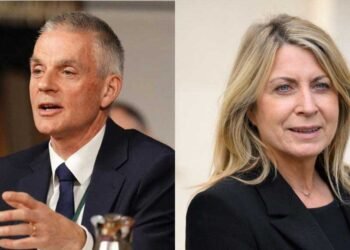 Tim Davie resigns as BBC director general amid bias claims
 Government urges schools to ban phones to curb classroom disruption
 Palace to reinstate hyphen in Andrew’s surname
 Pop Stars Call on UK Government to Cap Resale Prices for Fans
 Victims’ commissioner Baroness Newlove dies aged 63
 Reeves Rejects £1bn NHS Payout Plea from Streeting
 Major Rent Reform Ends No-Fault Evictions in England
 Peers Flood Assisted Dying Bill with 942 Amendments
 ‘Fake Admiral’ Sparks Outrage at Remembrance Event
 Nandy says BBC review to probe political board influence
 UK Unveils Fast-Track Deportation and Asylum Overhaul
 UK Asylum Overhaul Sparks Debate Over Human Rights and Deportations
 UK Asylum Reforms: Temporary Refugee Status and Faster Deportations
 Mahmood Defends Tough Overhaul of UK Asylum System
 Paralegal Fired After Exposé on Illegal Worker Scam
 Dan Wootton Rejects Catfishing Allegation in Court
 Scottish Ministers Express Alarm Over UK Asylum Reforms
 Westminster Advances Legacy Bill Amid Criticism
 Minister Defends Tough New Asylum Reform Plan
 Serial Rapist and Former Cop Found Guilty Again
 Peers Get Extra Time to Debate Assisted Dying Bill
 Second homes curbs quashed in Gwynedd legal ruling
 Virgin Media Fined £23.8m Over Telecare Safety Failures
 UK Police Forces Face Criticism Over Biased Facial Recognition Use
 Met Police Under Scrutiny for Vetting Failures Among Hundreds of Recruits
 Starmer’s communications chief to outline media strategy overhaul