Published: 12 January 2026. The English Chronicle Desk. The English Chronicle Online.
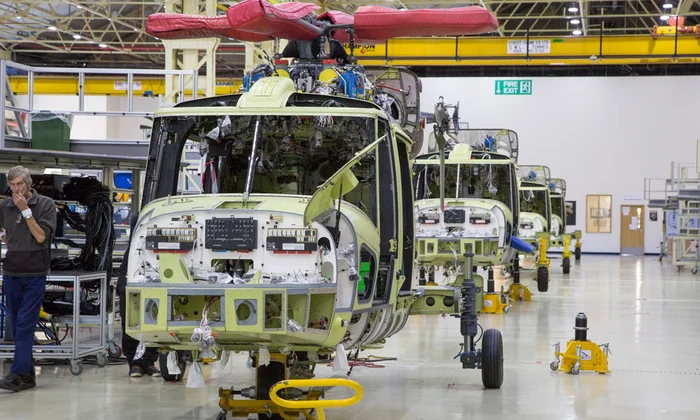
The focus on UK helicopter contracts has intensified as industry sources warn about 3,000 jobs at risk if the Ministry of Defence does not finalise a new order soon. Leonardo Helicopters, owner of the historic Westland factory in Yeovil, Somerset, is facing a potential closure by the end of March if the UK military fails to commit to the “new medium helicopter” deal. Workers fear that the future of this last military helicopter plant in the country hangs on swift government action.
The £1bn contract, first announced in February 2024, remains unconfirmed despite Leonardo being the only bidder. Sources close to the negotiations say the company must receive confirmation by January to meet its production timelines and supply chain requirements. Any delay beyond March could force Leonardo to restart the process entirely, which may jeopardise the factory’s operations and associated employment.

Leonardo’s chief executive, Roberto Cingolani, has repeatedly emphasised the importance of this contract to the company’s UK strategy. Last November, he told investors he was negotiating with the MoD to enhance collaboration, while in December he sent a letter to Defence Secretary John Healey warning that further delays could force the company to reconsider all UK investments. Cingolani highlighted that any postponement might affect not only helicopter manufacturing but also the company’s electronics and cyber security divisions.
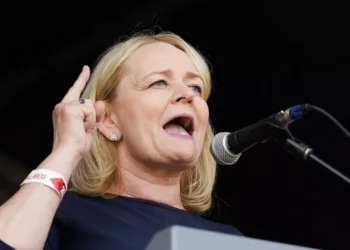
The situation has drawn concern from the wider defence industry, especially as ministers have pledged increased spending to counter Russian aggression and strengthen operational readiness. Sharon Graham, general secretary of Unite, expressed the urgency of confirming the order, saying: “Leonardo workers in Yeovil are looking over their shoulders wondering where the next order will come from while the government dithers and delays. This uncertainty must end by confirming the order for medium-lift helicopters.”
Industry experts point out that the contract is critical for maintaining Britain’s domestic aerospace capabilities. Losing the order could undermine decades of skills development and threaten specialised roles that cannot easily be relocated elsewhere. Leonardo has invested heavily in Yeovil over recent years, creating a skilled workforce capable of supporting both national defence needs and international contracts.
An MoD spokesperson confirmed that the defence budget is rising to record levels, with £270bn committed during this parliamentary term. They emphasised that the government is working on a comprehensive defence investment plan intended to modernise and expand the UK’s military capabilities. Rising threats, particularly from Russia, have underscored the need for operational readiness, including a strengthened helicopter fleet.
The new medium helicopter programme is seen as essential not only for defence readiness but also for sustaining employment in the aerospace sector. The factory’s potential closure has sparked concern among unions, industry leaders, and local communities who rely on the facility as a major source of skilled employment. While the MoD stresses that the investment plan is underway, the absence of a formal order by the end of March would force Leonardo to reconsider the viability of its UK operations.
The contract’s importance extends beyond immediate jobs. Experts warn that delays could also impact supply chains for critical components and reduce the UK’s domestic manufacturing capabilities, making the country more dependent on overseas suppliers. Leonardo has historically supported defence projects with advanced technology, and the new order would secure the continuation of this expertise.

If the MoD approves the order quickly, it would not only safeguard 3,000 jobs but also reinforce Britain’s aerospace and defence manufacturing infrastructure. Conversely, postponement risks a loss of high-value employment and a reduction in the country’s technological independence in key military sectors. Local leaders have echoed the urgency, noting that the Yeovil factory has long been a hub for engineering innovation and specialised helicopter production.
As January progresses, attention is focused on government action and its implications for the workforce. The coming weeks are crucial, as the confirmation of the medium-lift helicopter order could determine whether Yeovil continues as a centre of aerospace excellence or faces the economic and social consequences of closure. Both workers and industry analysts stress that the decision must be made promptly to preserve critical skills and national defence capability.
With national security and economic stability intertwined in this decision, the outcome of the helicopter order will resonate far beyond Somerset. Government clarity is expected to bring certainty to workers and investors, while continued delay risks weakening Britain’s defence manufacturing base and eroding confidence in future defence contracts. The MoD’s action will likely set a precedent for how the UK balances domestic industrial interests with military procurement priorities in a rapidly evolving global threat environment.
Related News:
 Tories Push to Dilute Labour’s Workers’ Rights Bill
 CMA Flags Concerns Over Greencore-Bakkavor Merger
 Derby Bounce Centre to Close Amid Car Park Dispute
 P.Louise Christmas Event Cancelled in Manchester
 Reeves Faces Setback as Labour May Miss Homes Target
 UK Small Business Owner to Challenge L’Oréal in Tribunal
 Trump’s UK Ambassador Urges North Sea Drilling to Strengthen US Ties
 150-Year-Old Arctic Beer to Be Reborn in Scotland
 Court Hears Challenge Over Water Bills Funding Sewage Fixes
 London bagel shop tops Deliveroo’s global orders list
 ABF May Split Primark from Food Division Amid Tough Market
 Rachel Reeves Set to Break Labour Pledge and Raise Income Tax
 UPS Cargo Plane Crash in Kentucky Kills Seven
 Thinktanks Urge Rachel Reeves to Reform UK Tax System
 Gopichand Hinduja, UK’s Wealthiest Business Leader, Dies
 M&S Profits More Than Halve After Cyber-Attack
 Company linked to Michelle Mone owes £39m in tax
 Tony Blair think tank warns Rachel Reeves must cut taxes if manifesto broken
 Oprah enjoys Meghan’s jam on English muffins
MPs Press Rachel Reeves to Hike Gambling Taxes
Oprah enjoys Meghan’s jam on English muffins
MPs Press Rachel Reeves to Hike Gambling Taxes
 NHS Takes Over Nuffield Hospital in ‘Windfall’ for London Care
 North Sea oil workers must lose weight or face job loss
 Cuts to home insulation funding threaten UK climate goals
 Warning as Britons prepare to spend £4 billion this Black Friday
 Troubled drinks giant Diageo names former Tesco boss to lead turnaround push
 Millionaires group urge Reeves to introduce wealth tax to ‘lift kids out of poverty’
 Taylor Wimpey Sales Drop Amid Budget Uncertainty
 Borough Market Clash Sparks Influencer Backlash
 UK toy market enjoys bumper year as ‘kidults’ fuel demand
 Reeves’s Tax U-Turn Triggers Fresh Jitters in UK Markets
 Global markets drop amid tech sell-off and China slowdown
 PM Highlights UK Business at G20 in South Africa
 Eurotunnel Investment Halted as UK Rates Soar
 Mossmorran Plant Closure Hits Cowdenbeath Hard
 UK Energy Bills to Rise Slightly in January
 UK Government Borrowing Higher Than Expected
 UK Taskforce Unveils Plan to Streamline Nuclear Reactor Rules
 Steel billionaire Lakshmi Mittal reportedly leaves UK
 Minister Denies Budget Leaks Have Harmed UK Economy
Budget 2025: Reeves Drops Economic Growth Reference
Minister Denies Budget Leaks Have Harmed UK Economy
Budget 2025: Reeves Drops Economic Growth Reference
 Expanded Version – Black Friday Shoppers Warned Over ‘Dud Deals’
 English Mayors Set to Introduce Tourist Taxes
 Black Friday Footfall Falls as UK Shoppers Hold Back Amid Economic Concerns
 Starmer Says Labour’s Economic Plan Needs Years to Deliver
 Virgin Media Fined £23.8m Over Telecare Safety Failures
 Rising Water Bills Lift Troubled Thames Back to Profit
BBC bosses ‘right to stick by their guns’ against Trump, says minister
Rising Water Bills Lift Troubled Thames Back to Profit
BBC bosses ‘right to stick by their guns’ against Trump, says minister
 Bet365 Boss Nets £280m Despite Profit Drop
 Sainsbury’s CEO leads business honours in New Year list
 UK Car Sales Pass 2 Million as Chinese Brands Surge
 Starmer Faces Parliamentary Battles Over UK-EU ‘Reset’ Plan
 Phoenixism Costs UK Taxpayers Millions in Recruitment Sector
 Chancellor Rachel Reeves Pushes for Sweeping Changes to Environmental Protections to Accelerate Development
 Great Britain’s Energy Operator Commits to Strengthening Grid to Prevent Blackouts
UK House Price Growth Slows as Buyers Exercise Caution Ahead of Autumn Budget
Great Britain’s Energy Operator Commits to Strengthening Grid to Prevent Blackouts
UK House Price Growth Slows as Buyers Exercise Caution Ahead of Autumn Budget
 Kemi Badenoch Unveils ‘Golden Rule’ to Halve Spending Cuts for Deficit Reduction at Tory Conference
 New V-Level qualification to transform post-16 education
 Real living wage set to rise nearly 7% for UK workers in 2026
 Kate Winslet to Narrate Film Highlighting King’s Environmental Mission
 Ryanair Chief UK Economy ‘Doomed’ Under Labour
 UK Bans Fake Numbers: Scammers Lose Their Trick
 Patients to Test Health at Home to Ease NHS Winter Pressure
 From Lego to Pokémon: How Adults Are Driving UK Toy Market Growth
 Reeves rejects £1bn plea for NHS redundancy payouts
 Northern Lights may illuminate UK skies this week
 PM Condemns Leaks, Vows Loyalty to Ministers and Stability
 Major Rent Reform Ends No-Fault Evictions in England
 Stroke Patient Mistaken for Drunk, Care Delayed
 Inside the Helpline Protecting Missing Children in the UK
 Boots Showstopper Beauty Bundle Outshines Many Advent Calendars This Holiday Season
 PlayStation PS5 Deals Hit Lowest Prices Ahead of Black Friday
 Five-Year-Old Dies After Rare Tonsil Surgery Complication
 UK unemployment rises to four-year high of 5.1% before budget
 Wiltshire Police Use Lasso to Catch Rampaging Village Goat
 Historic £100-Weekly Pension Boost Brings Relief for UK Mineworkers
 Children to Receive Home Vaccines as England Acts
 FTSE 100 Hits 10,000: UK Market Celebrates Record Year
 Cambridge College Faces Backlash Over Private School Recruitment
 NHS Violence Crisis: Staff Face Daily Assaults
 Celebrity Campaign Highlights SMA Screening Failures