
Published: 13 January 2026. The English Chronicle Desk. The English Chronicle Online.
Australia’s intelligence chief will be empowered to recommend organisations be proscribed as hate groups, under new legislation introduced by the Labor government. The focus of this reform is on extending protections against religious vilification, granting the Australian Security Intelligence Organisation (Asio) director general the authority to advise the home affairs minister on listing specific organisations as prohibited. This move is part of Labor’s broader plan to address hate speech, strengthen anti-vilification laws, and implement the largest gun buy-back program since 1996’s Port Arthur tragedy. The proposed framework allows for swift action against groups that pose threats to social cohesion.
The draft bill released on Tuesday outlines powers to formally designate hate groups, enforce criminal penalties for membership, recruitment, and support, and ensure intelligence-based safeguards guide these decisions. Prime Minister Anthony Albanese emphasised that the legislation introduces a lower threshold than existing terrorist organisation laws, targeting groups that promote hate without necessarily planning terrorist acts. Under the bill, anyone “intentionally” directing the activities of a listed hate group could face imprisonment for up to fifteen years, reflecting the government’s intent to deter organised hate campaigns.

According to the legislation, the director general of security will provide formal advice to the home affairs minister, who must then submit recommendations to the governor general. Legal oversight requires the attorney general’s written agreement and a briefing to the opposition leader, ensuring a multi-layered review process. The bill specifies that organisations can be listed if they have engaged in, prepared for, or advocated conduct that constitutes hate crimes based on race, national, or ethnic origin, and if designation is necessary to prevent social, economic, psychological, or physical harm. This approach is more expansive than the current terrorism framework, which requires evidence of planning or committing terrorist acts.
Under these provisions, membership in a proscribed hate group, recruitment, training, or providing financial or material support constitutes a criminal offence. Even indirect support or connection to such organisations can trigger legal consequences. Individuals found intentionally directing group activities face up to fifteen years in prison, while those acting recklessly regarding the organisation’s listed status could receive ten-year sentences. Membership alone, if intentional, carries a maximum seven-year jail term. The legislation also provides a defence for those who demonstrate they took all reasonable steps to leave the group promptly upon learning of its listing.
The bill introduces measures for recruiting others into prohibited groups, criminalising such actions with up to fifteen years’ imprisonment for intentional recruitment. Ministers will retain powers to delist organisations in consultation with the attorney general, ensuring that listings remain justified to prevent harm while avoiding unnecessary restrictions. The legislation will not apply retroactively, meaning past actions cannot trigger new penalties.
The neo-Nazi group National Socialist Network (NSN) publicly announced on Telegram that it intends to fully disband by 18 January, alongside affiliated projects like the White Australia Party. Home Affairs Minister Tony Burke explicitly named NSN and the Islamist group Hizb ut-Tahrir as early targets of the legislation. The Executive Council of Australian Jewry welcomed the draft bill, recognising it as a significant step forward, while cautioning that gaps remain. Co-CEO Peter Wertheim called for the inclusion of protections for LGBTQ+ and disability communities, and urged the criminalisation of reckless promotion of racial hatred. He also criticised religious exemptions, arguing they should not be used to justify dehumanisation or discrimination.
This legislation represents a major shift in Australia’s approach to regulating hate speech and protecting vulnerable communities. By equipping Asio with the ability to recommend proscribed listings, the government seeks to strike a balance between intelligence-led interventions and legal oversight, ensuring that threats to public safety are addressed without compromising civil liberties. Legal experts note that careful application will be critical to prevent misuse and guarantee the measures target genuine threats rather than dissenting political or social groups.
While supporters argue the bill will provide necessary tools to prevent the growth of extremist movements, opponents express concern over potential overreach and the risk of stifling legitimate activism. Parliament is expected to debate the draft extensively in the coming weeks, with the government emphasising that community consultation and transparency will guide final decisions. The bill’s implementation could reshape the landscape of Australian civil security and social governance, establishing a precedent for proactive interventions against hate groups.

The inclusion of penalties for recruitment, leadership, and support signals the government’s commitment to a comprehensive approach, combining prevention, accountability, and deterrence. By lowering the threshold for listing groups compared to terror organisations, the legislation allows authorities to act earlier against emerging threats. Observers note that this may significantly impact online platforms, where extremist hate groups often operate, requiring stronger monitoring and enforcement protocols. The National Socialist Network’s announced disbandment illustrates the immediate effect such laws may have on extremist groups, signalling the potential deterrent effect of intelligence-guided policy.
Public response to the proposed legislation has been largely supportive, particularly among communities directly affected by hate crimes. Religious, ethnic, and minority advocacy groups have emphasised the importance of timely enforcement and clear guidelines to protect rights while addressing threats from hate groups. Meanwhile, political debate continues around ensuring proportionality, safeguarding free expression, and defining the boundaries of criminal liability. Labor officials maintain that the legislation has been carefully designed to uphold accountability while mitigating risks to civil liberties, balancing the need for security with democratic principles.
Australia’s legislative reforms mark a significant evolution in addressing hate speech and extremist activity, underpinned by intelligence-led interventions. As the government prepares to introduce the bill formally, attention will focus on the practical enforcement of listings, judicial oversight, and community engagement to maintain public confidence in the system. The combination of criminal penalties, intelligence recommendations, and ministerial accountability seeks to ensure a robust framework capable of responding swiftly to hate-driven threats.
Related News:
 Phillipson urges careful review of gender recognition guidance
 French Taxi Driver Cleared in David Lammy Theft Case After Fare Dispute
 China-critical UK academics face ‘extremely heavy’ pressure from Beijing
 Met Police Culture Makes Racial Harm ‘Inevitable’
 Remaining rebel Labour MPs have whip restored
 Tim Davie resigns as BBC director general amid bias claims
 Palace to reinstate hyphen in Andrew’s surname
 Major Rent Reform Ends No-Fault Evictions in England
 Peers Flood Assisted Dying Bill with 942 Amendments
 US Justice Department Files Lawsuit Against California Over Partisan Voting Maps
 UK Unveils Fast-Track Deportation and Asylum Overhaul
 Trump Deploys DHS to Charlotte in Major Arrest Operation
 UK Asylum Overhaul Sparks Debate Over Human Rights and Deportations
 UK Asylum Reforms: Temporary Refugee Status and Faster Deportations
 Mahmood Defends Tough Overhaul of UK Asylum System
 Scottish Ministers Express Alarm Over UK Asylum Reforms
 South African Detained After Neo-Nazi Rally in Australia
 Westminster Advances Legacy Bill Amid Criticism
 Minister Defends Tough New Asylum Reform Plan
 UK Net Migration Falls Sharply After ONS Revisions
 Federal Court Blocks Texas Republican Maps Over Racial Bias
 Only One Republican Opposes Mass Release of Epstein Files
 Congress Approves Release of Epstein Files, Trump Expected to Sign
 Senedd Suspends Politician Over Offensive Racial Slur
 Trump Signs Bill Releasing Justice Department Files on Epstein
 Texas Governor Faces Lawsuit From CAIR
 Peers Get Extra Time to Debate Assisted Dying Bill
 US National Guard Member Killed in DC Shooting
 ICC to Rule on Duterte’s Provisional Release
 Chinese & Japanese Boats Clash Near Disputed Islands
 Putin Meets US Envoy Amid Key Ukraine Peace Talks
 Plans to Limit Jury Trials Face Retreat After Mounting Opposition
 Criticism of Netanyahu Risks Offence Under Australia Law
 Tim Walz urges Trump to withdraw federal agents immediately
 Trump officials continue false claims after Alex Pretti shooting
 NSW Inquiry Targets “Globalise the Intifada” in Public Spaces
 UK and EU Signal Fresh Push for Defence Cooperation Talks
 Files Link Andrew to Epstein Dinner After Prison Release
 Thousands Protest ICE Operations in Nationwide US Day of Action
 Australia’s Opposition Coalition Reunites After Rift
 Sydney Protest Clash Triggers Police Probe
 Civil Service Pay: Union Urges Ministers to End ‘Barking Mad’ Limits
 Labour Lawyers Blocked From Briefing MPs on Jury Trials
 Queensland Protest Laws Spark Free Speech Backlash
 Report Says Pezzullo Acted ‘Recklessly’ in Dealings
 Starmer Defends Workers’ Rights Amid Rising Green Threat
 Hungary election: Orbán faces biggest test amid scandal
 Suspected Plot Targets Pipeline Before Hungary Vote
 Mass Arrests at London Palestine Protest Spark Debate
 Harmeet Dhillon Faces Scrutiny in DOJ Role Debate
 Starmer Faces Pressure Over Mandelson Vetting Scandal
 Crackdown Backfires on UK Climate Protesters
 Trump at Press Dinner Sparks Tension
 US Court Weighs Fate of TPS for Migrants
 Florida Redistricting Map Sparks Major US Political Battle
 US Voting Rights Ruling Sparks Celebration and Outcry
 US Court Ruling Reshapes Voting Rights Landscape
 Cartel crackdown raises fears of fresh violence
 US states redraw maps after voting rights ruling
 Judge halts deportation of Yemeni refugees in US
 Asylum deal sparks fears over Syria deportations
 UK may ban protests amid rising antisemitism fears
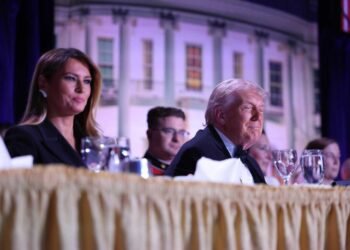 White House Security Case Sparks Political Firestorm
 Trump warns Iran as Middle East tensions surge again
 US Supreme Court fast-tracks Voting Rights ruling
 Immigration Judges Fear Pressure in Trump Era
 FDA Chaos Deepens as Trump Eyes Makary Exit
 US green card applicants must apply from abroad, DHS says
 Tulsi Gabbard exits after turbulent intelligence tenure
 Former ICC prosecutor condemns US sanctions
 Gunman Killed After White House Security Shootout
 Irish Gangland Figure Fails in Dublin Election Bid
 Prosecutor Proposes Law to Combat Election Deceit
 Trump Weighs Retreat from Controversial $1.8bn Slush Fund
 NSW Legal Scandal: Top Prosecutor Faces Inquiry Findings
 Le Pen’s Popularity Holds Despite Conviction
 Mystery Grows Over Mitch McConnell’s Health
 Trump Refuses to Sign Housing Bill, But Law Takes Effect
 Trump Orders Signs Criticising Smithsonian Museum
 Pradhan Resigns Amid Protests