Published: 02 February 2026. The English Chronicle Desk. The English Chronicle Online.
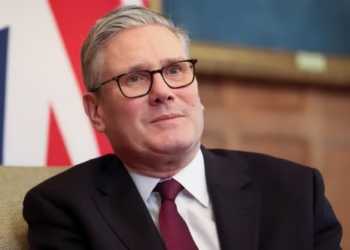
The UK government is weighing a renewed push toward an EU defence pact after the prime minister signalled openness to fresh negotiations. Speaking during an overseas visit, Keir Starmer said European security demands stronger cooperation and higher shared responsibility from allies. His remarks have reignited debate in Westminster and Brussels about how closely Britain should align with European defence frameworks. The discussion around an EU defence pact comes at a time of rising geopolitical tension and shifting transatlantic priorities.
Starmer stressed that Europe must increase its defence capacity and coordination in response to global uncertainty and emerging threats. He argued that cooperation structures should remain flexible, practical, and focused on shared outcomes rather than political symbolism. While he stopped short of committing to immediate negotiations, he confirmed that future participation options should stay open. His language marked a noticeable shift in tone compared with earlier caution from British officials.]\

The background to this debate lies in the stalled negotiations over Europe’s large joint security financing mechanism. That programme was designed to accelerate defence procurement and strengthen industrial capacity across participating states. Talks on British participation broke down late last year after disagreements over financial contributions and access terms. Several diplomatic sources blamed pricing expectations and governance rules for the collapse of that earlier round.
Since then, strategic conditions have changed and political appetite appears to be growing again on multiple sides. European officials have privately indicated that new formats or revised entry terms could be explored this year. British ministers have also increased references to structured cooperation with European partners beyond existing bilateral agreements. This shift reflects pressure from defence planners who want faster capability development and joint procurement channels.
Starmer emphasised that the security landscape has altered due to renewed great power rivalry and regional instability. He noted that European countries cannot assume indefinite security guarantees without demonstrating stronger domestic commitment. He pointed to growing calls from American leaders for Europe to carry a larger share of defence burdens. Those calls have added urgency to conversations about pooled funding and coordinated defence production.
The proposed funding structure behind the European programme relies on long term borrowing raised collectively on capital markets. That money is then offered to participating states to support purchases of equipment and advanced systems. Eligible items include air defence tools, missile technology, drones, and ammunition stockpiles. The goal is to shorten procurement timelines while reducing cost pressures on national defence budgets.
Although the UK currently sits outside that framework, participation through third country arrangements remains legally possible in principle. Such participation would allow British defence firms to compete for selected contracts tied to the programme. Industry groups have warned that exclusion could gradually reduce competitiveness and collaboration opportunities for domestic manufacturers. They argue that modern defence production increasingly depends on cross border supply chains and shared standards.
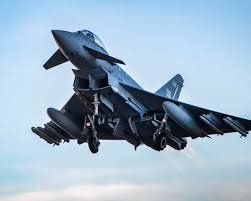
Recent months have already seen Britain pursue several large bilateral defence agreements with European and NATO partners. A major naval cooperation project with Norway includes advanced anti submarine vessels to be built in British shipyards. Another agreement involves the planned export of modern fighter aircraft to a regional ally under a multibillion pound package. These deals show that London is actively expanding defence ties even outside EU level structures.
Even so, bilateral arrangements cannot fully replace large scale pooled financing mechanisms covering many participating countries at once. Defence economists note that collective funds can stabilise demand and support longer production runs across industries. That stability often reduces unit costs and encourages sustained research and development investment. For that reason, structured multinational funding remains attractive despite political sensitivities around sovereignty and control.
Within domestic politics, the renewed openness toward an EU defence pact has triggered mixed reactions across party lines. Some lawmakers view closer security alignment as pragmatic and necessary given shared continental risks. Others warn that participation could gradually pull Britain toward wider regulatory or institutional convergence with European bodies. Government spokespeople insist that defence cooperation does not automatically imply broader economic or legal integration.
Starmer has continued to reject rejoining core economic frameworks such as the customs union or single market. He argues that those steps would restrict independent trade policy and complicate existing global agreements. Instead, he promotes targeted cooperation in defence, energy security, and technology resilience where mutual benefits are clear. This selective engagement model aims to balance sovereignty concerns with practical security needs.
European officials have also signalled that defence cooperation discussions could proceed alongside separate trade and energy dialogues. Upcoming diplomatic meetings between British and European representatives are expected to cover several technical cooperation areas. While defence is not formally listed on every agenda, side discussions remain possible and sometimes influential. Diplomatic progress often begins through informal channels before moving into structured negotiation tracks.
Security analysts say the timing of this renewed conversation is not accidental or purely symbolic. Ongoing conflicts near Europe’s borders and uncertainty about long term alliance commitments are shaping policy choices. Governments are reassessing stockpiles, logistics networks, and readiness levels after years of constrained defence spending. Joint funding vehicles offer one route to accelerate rebuilding without overwhelming national budgets immediately.
Business leaders in the defence sector have responded cautiously but positively to signals of possible renewed engagement. They highlight export opportunities, research partnerships, and shared innovation platforms as major potential advantages. However, they also stress the importance of clear rules on intellectual property and procurement fairness. Without transparent frameworks, cross border defence collaboration can generate friction rather than efficiency.
Public opinion in Britain remains divided on how far security ties with European institutions should extend after Brexit. Polling trends show stronger support for practical cooperation than for institutional reintegration across most voter groups. Framing therefore matters, and ministers increasingly present defence collaboration as operational rather than political in character. That distinction is designed to maintain domestic support while enabling strategic flexibility.

The coming months will likely determine whether exploratory signals evolve into formal negotiation proposals and draft terms. Much depends on financial conditions, governance arrangements, and the balance of benefits offered to participating non member states. Diplomatic sources suggest that compromise models are being quietly studied by policy teams on both sides. Any eventual agreement would likely include safeguards addressing contribution levels and industrial access.
For now, the prime minister’s comments have reopened a door that many observers thought was firmly closed last year. The renewed discussion of an EU defence pact reflects broader shifts in security thinking across the continent. Governments are moving toward deeper cooperation driven by risk, cost, and capability gaps rather than ideology alone. Whether that momentum produces a concrete agreement will depend on negotiation skill and political will.
Related News:
 British Woman in Iran ‘Losing Hope’ Amid Ongoing Detention
 BBC Journalist Held and Interrogated in Vietnam
 Green Party Surges Past Labour in Latest UK Poll
 Celebrities and Charities Demand UK Government Act on Child Poverty
 Trump’s UK Ambassador Urges North Sea Drilling to Strengthen US Ties
 FBI Director Kash Patel Defends Girlfriend Amid Government Jet Claims
 French Taxi Driver Cleared in David Lammy Theft Case After Fare Dispute
 Rachel Reeves Set to Break Labour Pledge and Raise Income Tax
 MPs Press Rachel Reeves to Hike Gambling Taxes
 Boris Johnson accused of undermining BBC leadership
 Remaining rebel Labour MPs have whip restored
 ‘Reckless’ cuts to victims’ services will cost more than they save
 Millionaires group urge Reeves to introduce wealth tax to ‘lift kids out of poverty’
 Starmer Faces Growing Dissent as Labour MPs Weigh Leadership Challenge
 BBC Faces Backlash as Reform UK Withdraws from Film
 Reeves rejects £1bn plea for NHS redundancy payouts
 Farage appointee to lead Reform youth accused of anti-British views
 Palace to reinstate hyphen in Andrew’s surname
 Politics latest: Starmer ‘will fight any leadership coup’ as Streeting denies attempt to oust Labour PM
 PM Condemns Leaks, Vows Loyalty to Ministers and Stability
 Major Rent Reform Ends No-Fault Evictions in England
 Peers Flood Assisted Dying Bill with 942 Amendments
 England’s Special Needs Support Faces Breaking Point
 MoD warned over Excel risks before Afghan data breach
 UK Unveils Fast-Track Deportation and Asylum Overhaul
 UK Asylum Overhaul Sparks Debate Over Human Rights and Deportations
 UK Asylum Reforms: Temporary Refugee Status and Faster Deportations
 UK Candidate Moved to Safe House After Election Threats
 Mahmood Defends Tough Overhaul of UK Asylum System
 UK Warns China After MI5 Issues Espionage Alert
 Westminster Advances Legacy Bill Amid Criticism
 UK Vulnerable to Attack, Defence Committee Finds
 Labour Faces Historic Decline in Wales
 Rama Rebukes Mahmood for Targeting Albanian Families
 Russian Vessel Used Lasers on RAF Pilots, UK Claims
 PM Shares Emotional Letter to Son on Men’s Struggles
 PM Highlights UK Business at G20 in South Africa
 Kate Forbes: Motherhood Harder Than Politics
 Welsh Government Christmas 2020 Lockdown Criticised
Reeves to Crack Down on Benefit Fraud While Lifting Two-Child Limit
Welsh Government Christmas 2020 Lockdown Criticised
Reeves to Crack Down on Benefit Fraud While Lifting Two-Child Limit
 Most Tories Expect to Support a Farage-Led Government
 Labour MP claims devolution bill is ‘blatant discrimination’ against Cornwall
 English Mayors Set to Introduce Tourist Taxes
 Millions Face Higher Taxes Under Reeves New Budget
 Peers Get Extra Time to Debate Assisted Dying Bill
 Planned Palestinian Flag Raising at Belfast City Hall Faces Delay Amid Legal Concerns
 Government righting decades-old injustice for miners
 Starmer Says Labour’s Economic Plan Needs Years to Deliver
 UK delays ruling on China embassy plan until January
 Culture secretary to review Telegraph takeover by Daily Mail owner
 Andy Burnham Apologises for Past LGBTQ+ Police Discrimination
 Reeves Slams Farage Over Two-Child Benefit Cap Opposition
 Mandelson Refuses Apology Over Epstein Ties
 Plans to Limit Jury Trials Face Retreat After Mounting Opposition
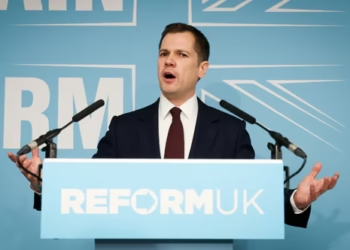 Jenrick Reform defection deepens Tory civil war
 China Dependence Threatens UK Energy Supply Chains and Jobs
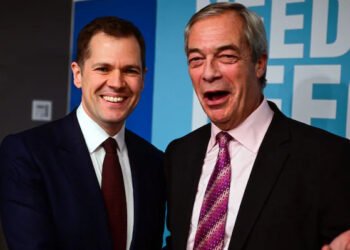 Right Must Unite After Jenrick Defection, Urges Rees-Mogg
 Romford MP Andrew Rosindell defects to Reform UK
 UK Ministers Drop Foreign Student Targets for Global Education Push
 MPs warn AI financial risks threaten UK stability
 MPs warn AI financial risks threaten UK stability
 No Gas Boiler Ban as UK Warm Homes Plan Backs Heat Pumps
 Hugh Grant Joins Call for Under-16 Social Media Ban in UK
 Shinzo Abe’s killer receives life sentence in Japan
 US Africa aid remarks spark anger after leaked State email
 Lords Vote Piles Pressure on Starmer Over Social Media Ban
 Judge-only trials plan fails to ease court backlog
 Planned Troubles Board Game Sparks Outrage in Northern Ireland
 Reform UK Health Plan ‘Would Cost £1.7bn’, Streeting Says
 Labour Blocks Burnham as Party Rift Deepens Ahead of Polls
 Police response times face strict new national limits
 Labour policing overhaul sparks fears over growing central control
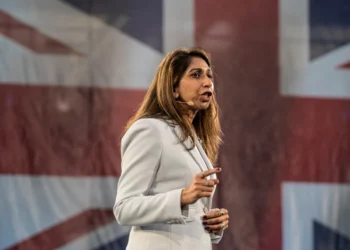 Tories criticised after Braverman defection sparks mental health row
 Burnham Westminster return hopes fade amid Labour rift
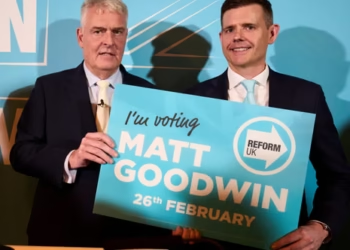 Starmer warns of toxic division politics in Reform challenge
 Starmer China visit raises human rights pressure on Beijing
 Labour Must Revive High Streets to Avoid Election Collapse
 Conservative Party Rejects Centrism Under Badenoch’s Leadership
 Calls Grow for King Charles to Apologise for Crown’s Role in Slavery
 Labour Attacks Reform Candidate Over Tommy Robinson Backing