Published: 03 February 2026. The English Chronicle Desk. The English Chronicle Online.
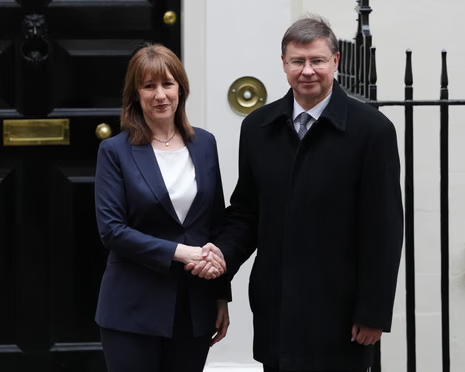
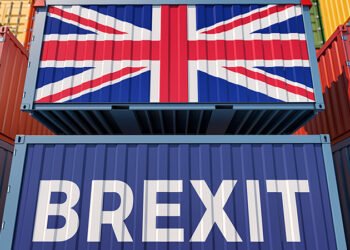
The European Union has shown an open mind on UK customs union discussions, signalling potential for closer trade ties. In comments to the BBC, EU economy commissioner Valdis Dombrovskis confirmed the bloc was ready to engage constructively with the UK, highlighting the possibility of a customs union as part of broader economic discussions. The focus on a customs union has resurfaced amid increasing pressure within the Labour party, with leader Keir Starmer advocating for stronger links with the EU single market to boost the UK’s economic growth.
Starmer has indicated that the current UK-EU trade arrangements do not fully serve the nation’s interests, prompting calls for revisiting customs alignment. A customs union, however, could complicate trade deals with countries like India, Australia, and Japan, which remain symbolic of Brexit’s global trade ambitions. Within a customs union, the UK would fall under the EU’s extensive network of agreements with more than 70 countries, potentially limiting the country’s independent trade policies.

During a London meeting with ministers, including Rachel Reeves, Dombrovskis emphasised that partial single market alignment would be difficult, reinforcing that full single market membership requires adherence to the four freedoms: goods, services, capital, and movement of people. The EU has consistently maintained since the 2016 Brexit referendum that these freedoms are indivisible, presenting a challenge to selective agreements with the UK.
Despite these longstanding conditions, EU officials have adopted a warmer tone publicly. European Parliament president Roberta Metsola is expected to outline a vision for renewed UK-EU cooperation encompassing trade, customs, research, mobility, and security. In advance remarks, she highlighted the need for practical solutions to strengthen bilateral ties without undermining single market integrity.
Commission spokesperson Paula Pinho echoed this sentiment, praising the single market as “the jewel of the crown” and welcoming recognition of its benefits by Prime Minister Starmer. Pinho added that a future EU-UK summit would provide an opportunity to clarify what the UK envisions in terms of trade and customs arrangements, reinforcing the EU’s readiness for constructive dialogue.
Negotiations are currently advancing on several fronts, including a veterinary agreement, youth exchange programmes, and the linking of emissions trading systems. The Cabinet Office minister, Nick Thomas-Symonds, stressed the need for a “ruthlessly pragmatic approach” to reset relations, while reaffirming Labour’s manifesto commitments to neither rejoin the single market nor the customs union, and to maintain current restrictions on freedom of movement.
Economic stakes remain high, with Thomas-Symonds noting that agreements under discussion in food, drink, and carbon trading could be valued at £9 billion annually for the UK by 2040. The discussions coincide with broader EU initiatives to revitalize the single market after a 2024 report by former Italian Prime Minister Mario Draghi warned of Europe’s slowing growth and called for structural reforms from confederation to federation.
Speaking on Monday, Draghi highlighted the risk of Europe becoming “subordinated, divided, and deindustrialised simultaneously” without decisive reforms, framing the single market as a critical mechanism for sustainable growth. The European Council president, António Costa, has described strengthening the single market as a “strategic imperative,” ahead of a special summit scheduled in Belgium next week.
Analysts suggest that while the EU’s willingness to discuss a customs union reflects political pragmatism, tangible outcomes remain uncertain due to the intricate balance between UK autonomy and EU treaty obligations. Observers note that any agreement will need to respect the integrity of EU rules while addressing UK demands for deeper economic integration.
Labour leaders continue to advocate for selective single market cooperation in sectors where mutual benefits are evident, including technology, research, and environmental initiatives. Starmer has called for careful evaluation of areas where the UK could achieve closer alignment without compromising sovereign trade policy. EU officials have consistently warned that such selective membership could undermine single market principles, yet they remain open to dialogue on practical mechanisms to enhance cooperation.

Meanwhile, public and business sentiment in the UK reflects cautious optimism, with key industries closely monitoring potential developments. The UK’s service sector, which accounts for a significant share of trade with the EU, has expressed particular interest in any arrangements that could reduce friction and facilitate smoother cross-border operations. Financial institutions and manufacturing firms also stand to benefit from clarifying trade and customs frameworks.
The unfolding dialogue underscores the evolving nature of post-Brexit relations, illustrating how political pragmatism intersects with long-standing structural rules. While a full customs union remains unlikely in the immediate term, the EU’s expressed openness signals a willingness to explore creative solutions, balancing economic necessity with treaty obligations. Both sides appear committed to advancing discussions through summits, technical negotiations, and ongoing engagement in priority sectors.
In conclusion, the EU’s open-minded approach to a UK customs union highlights a strategic effort to strengthen economic ties while maintaining the integrity of the single market. With negotiations ongoing across multiple areas, the next phase of UK-EU engagement will be critical in shaping the future of trade, cooperation, and regional economic stability. The customs union debate remains central to this evolving partnership, balancing political realities with economic imperatives.
Related News:
 Trump’s UK Ambassador Urges North Sea Drilling to Strengthen US Ties
 Rachel Reeves Set to Break Labour Pledge and Raise Income Tax
 Thinktanks Urge Rachel Reeves to Reform UK Tax System
 Company linked to Michelle Mone owes £39m in tax
MPs Press Rachel Reeves to Hike Gambling Taxes
Company linked to Michelle Mone owes £39m in tax
MPs Press Rachel Reeves to Hike Gambling Taxes
 Cuts to home insulation funding threaten UK climate goals
 Millionaires group urge Reeves to introduce wealth tax to ‘lift kids out of poverty’
 Canada Passes Carney’s First Budget in Tight Parliamentary Vote
 PM Highlights UK Business at G20 in South Africa
 English Mayors Set to Introduce Tourist Taxes
 India’s Labour Law Overhaul Sparks Fierce Debate
 Carney’s Alberta Pipeline Deal Sparks Immediate Pushback
 Starmer Says Labour’s Economic Plan Needs Years to Deliver
 Mark Carney Walks Diplomatic Tightrope on China Visit
 Government Unveils Northern Powerhouse Rail Plans
 MPs warn AI financial risks threaten UK stability
 MPs warn AI financial risks threaten UK stability
 Trump Fed bid heads to Supreme Court
 Starmer Plans UK-China Visit Amid Business and Diplomatic Goals
 UK Government Borrowing Drops to £11.6bn in December
 Labour Must Revive High Streets to Avoid Election Collapse
 Keir Starmer meets Xi to strengthen UK-China economic relations
 UK food industry urges transition if post-Brexit rules reset
 Barclays drops Global Counsel after Mandelson link scrutiny
 UK shelves £110m border project amid trade strain
 Sanders Condemns Billionaire ‘Greed’ in California Tax Debate
 Tim Wilson Backs RBA Dual Mandate Amid Inflation Debate
 UK Sees Record £30.4bn Budget Surplus, Boosting Reeves’ Position
 Tax Reform Tensions Deepen Amid Bill Kelty’s Capital Gains Tax Challenge
 Ministers Urged to Ban Crypto Political Donations
 Reeves Must Back Defence Plan or Face Dismissal, Says Unite Chief
 OBR Reform Row Deepens Before Spring Forecast
 Nissan Sunderland Plant Faces Uncertain Future Under EU Rules
 UK Doubles Steel Tariffs to 50% to Protect Domestic Plants
 Starmer Adviser Urges New Profit Cap on Energy Firms
 Verdant report: Doge of the Left could save £30bn
 UK CO2 Plant Reopens to Counter War-Induced Shortages
 Trump to Deploy “God Squad” Over Gulf Wildlife Protections
 Can Congress Stop US Sports Teams From Moving Cities?
 Fuel Duty Relief Plea Amid Middle East Oil Crisis
 Tax Shift Hits UK Farms: New Inheritance Rules Begin
 OpenAI Halts Stargate UK Project Amid Energy Crisis
 Trump Slams UK Ties and Threatens To Rewrite Trade Deal
 Iron Worker Challenges Trump Loyalist in Ohio
 Harry and Meghan’s Australia Visit Sparks Debate
 Athens Mayor Moves to Tackle Overtourism Crisis
 Reform UK funding: mystery billionaire revealed
 US Labor Department in turmoil after secretary resigns
 Southeast Asia Turns to Russia Amid Energy Crisis
 US Calls Australia Media Law “Foreign Extortion”
 Capitalism ‘Suicidal’, Warns Petro at Climate Summit
 BBC News Faces Deep Cuts in 2,000 Job Plan
 Trump approval plunges amid Iran war fears
 Trump Threatens UN Budget Cuts as US Pushes ‘Trade Over Aid’ Agenda
 Tough Fiscal Realities Await Next Scottish Government
 Government Subsidy Keeps Jaguar Land Rover Production Firmly Within British Borders
 Norway Doubles Down on Oil and Gas for Europe Energy Security
 US Awaits Iran Reply on New Ceasefire Proposal
 New ‘Double Lock’ Rent Cap Proposed to Ease Living Costs
 Labour Faces Internal Pressure for Bold Economic Shift
 Labour Factions Propose Bold Tax Cuts Amid Leadership Storm
 Beijing Becomes Centerstage for Global Diplomatic Ballet
 Thames Water Rescue Package Hit by Downing Street Chaos
 Hybrid village stores fight rural decline
 Hormuz Talks Near Critical Stage
 UK Pushes for New EU Goods Trade Deal
 Reeves Fights to Keep Treasury Role Amid Labour Turmoil
 Albanese Defends Tax Reforms Amid Emotional Speech
 Victoria Labor Launches Apprenticeship Expansion Plan
 UK Urged to Build EU Rejoin Consensus, Says Miliband
 Nationwide Faces Governance Scrutiny Ahead of AGM
 Hungary Targets Oligarchs with Proposed Landmark Wealth Tax
 Hospitality Traders to Exploit Summer VAT Cut Loophole
 Andy Burnham Enlists Economic Heavyweights for Leadership Bid
 Great Britain Faces £90bn Electricity Grid Rewire Bill
 Trump’s Housing Dismissal Strains His Base
 Burnham Promises Relief on Cost of Living Crisis
 Europe Weighs Hormuz Navigation Fee Plan
 Ukraine Creates Long-Range Strike Command
 Trump Refuses to Sign Housing Bill, But Law Takes Effect