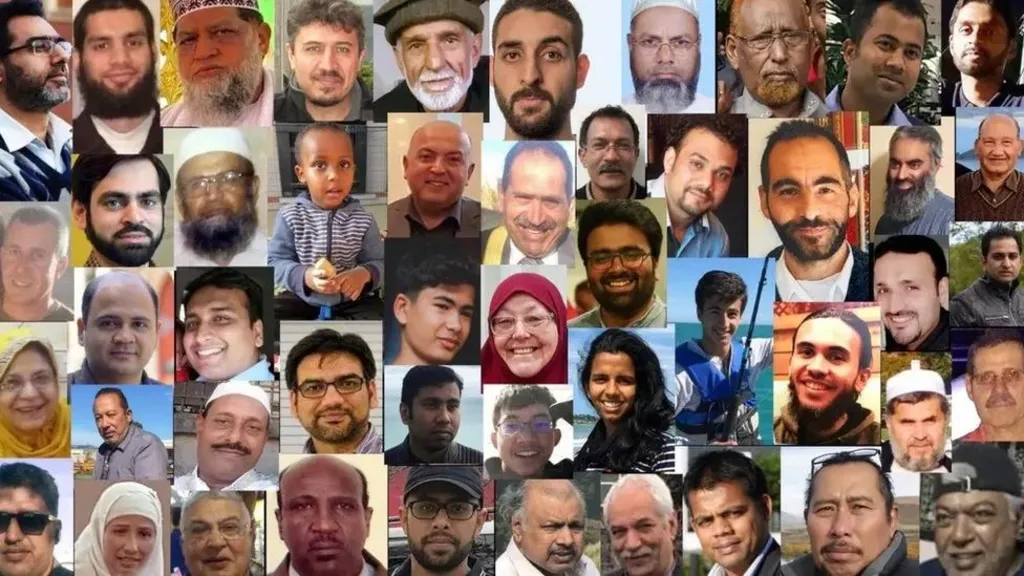
In a development that has jolted legal and community circles in New Zealand, the Christchurch shooter is seeking to overturn his guilty plea and challenge the unprecedented life sentence he received for the deadliest mass shooting in the country’s history. Brenton Tarrant — the Australian white supremacist who killed 51 Muslim worshippers and wounded dozens more at two Christchurch mosques in 2019 — has appeared via video link before the Court of Appeal in Wellington, arguing that he was not mentally fit when he admitted guilt and was compelled to enter guilty pleas due to harsh prison conditions.
Tarrant, now 35, is asking the court to vacate the guilty pleas he entered in 2020 to 51 counts of murder, 40 counts of attempted murder and one charge of terrorism, which spared him a trial and led to the first-ever life sentence without the possibility of parole in New Zealand. His legal team argues that “irrationality” brought on by solitary confinement and other austere conditions weakened his mental capacity and influenced his decision to plead guilty, amounts that he now describes as made under duress.

The Appeal Hearing and Claims of Irrationality
During the hearing, Tarrant told judges that he was suffering from what he called “nervous exhaustion” and deteriorated mental health due to his treatment while in custody before his 2020 plea. Defence counsel claims that his psychological state at the time left him unable to make rational decisions, asserting that his plea was not voluntary nor informed. The appeal was filed out of the usual timeframe, and the court will also have to decide whether to accept the late application. If successful, Tarrant’s convictions could be quashed and the case returned to the High Court for a full trial.
However, Crown prosecutors countered that Tarrant had legal advice and options — including seeking a trial delay — and that there is no credible evidence of severe mental illness at the time of his plea. They argue that his guilty admissions were a strategic choice, not one made out of confusion or confusion brought on by imprisonment.
Sentence Appeal and Potential Outcomes
The hearing, expected to last about five days, is also set to consider appeal arguments against Tarrant’s life sentence without parole if judges refuse to vacate the guilty pleas. This sentence, handed down in 2020, was the first time a New Zealand court imposed life imprisonment with no possibility of release, reflecting the gravity of the crimes and their impact on the nation.
Legal experts say the hurdles for Tarrant’s appeal are high — not least because of the delay in filing and the sustained scrutiny of his conduct and mental state at the time of his plea. Judges will have to weigh legal standards for appeals against the backdrop of a case that has left deep scars on the affected communities.
Victims’ Families and Public Reaction
Families of the victims, some of whom attended the court proceeding, have expressed frustration and anguish over the reopening of Tarrant’s case. Rashid Omar, whose son was killed in the shootings, described the appeal as “a waste of time and resources,” calling it a painful reopening of wounds that survivors and families have been trying to heal.
Advocates for victims stress that the legal process must balance procedural fairness with sensitivity to the legacy of the March 2019 attacks, which devastated Muslim communities in Christchurch and worldwide. New Zealand’s government responded to the massacre with swift changes to gun laws and a national conversation about extremism and social cohesion, even as the legal saga continues years later.

Broader Significance and Legal Precedent
The appeal raises important questions about how legal systems handle guilty pleas in cases involving mass atrocities, especially when defendants later challenge the voluntariness of those pleas. If Tarrant’s arguments succeed, it could prompt legal scrutiny of how prisoners’ mental fitness and prison conditions are evaluated before critical court decisions are made.
For now, the Court of Appeal will deliberate on whether to grant Tarrant’s request to set aside his earlier admissions — a decision likely to take weeks or months — before potentially opening the door to a new trial or sentencing review. Regardless of the outcome, the hearing signals that the legal aftermath of one of New Zealand’s darkest days continues to unfold in ways that extend far beyond the original courtroom.
Related News:
 Shock US Raid: Maduro Pleads Not Guilty in Manhattan Court
 UK and France Agree Troop Deployment Plan for Ukraine
 EU Weakens as Trump Targets Venezuela and Greenland
 Venezuela Oil Deal Opens Tensions with US Control
 US Citizens Warned to Venezuela Flee Amid Paramilitary Threats
 Gulf states warn Trump Iran strikes risk wider Middle East war
 Machado Trump medal gesture reshapes Venezuela power struggle
 Greenland defence seen as shared Nato duty amid troop arrivals
 Gulf states warn Trump Iran strikes risk wider Middle East war
 Trump Receives Machado’s Nobel Medal in White House Meeting
 Iran unrest slows under brutal crackdown and global tensions
 Syria President Declares Victory as Ceasefire Reached with SDF
 US Considers Asylum for British Jews Amid Rising Antisemitism
 Sydney Shark Attack Surge Shocks Australia Beaches
 Silence and Unity Mark Bondi Terror Attack Memorial
 Andrew Hastie Emerges as Leadership Rival to Ley
 Russia Strikes Kyiv and Kharkiv as Peace Talks Enter Day Two
 Thousands Protest ICE Operations in Nationwide US Day of Action
 Epstein Files Reveal Trump Officials’ Emails with Financier
 Thousands Protest ICE in New York Against Trump Deportation Campaign
 Just Stop Oil Protesters Convicted Amid Climate Defence Row
 BBC to Apologise Over Edited Trump Speech Amid Backlash
 Britain deploys RAF specialists to assist Belgium with drone threats
 Palace May Restore Hyphen to Andrew Mountbatten-Windsor’s Name
 Greene Pushes Epstein Files Amid Trump Fallout
 Trump Deploys DHS to Charlotte in Major Arrest Operation
 December Run-Off in Chile as Election Produces No Winner
 Zelenskyy Signs Fighter Jet Deal Amid Russian Drone Attacks
 Orban Says Ukraine Has ‘No Chance’ as EU Support Continues
 Canada Passes Carney’s First Budget in Tight Parliamentary Vote
 Shadow Fleet at Sea: Europe’s Battle Against Illicit Oil Shipping
 Tiny Curacao Makes History as Smallest Nation to Reach World Cup
 Haiti Qualifies for World Cup Despite Coach Never Visiting Country
 Deadly Russian Strikes Hit Western Ukraine, 20 Killed in Ternopil
 Pentagon Officials in Ukraine to Discuss War End
 Ukraine Peace Plan: Zelensky Ready for Dialogue
 Venezuela Threatens Nobel Winner Machado with Fugitive Status
 Royal Navy Shadows Russian Warships Entering the Channel
 US Suspends Afghan Immigration After White House Shooting
 Two National Guard Soldiers Critically Injured Near White House
 Georgians Defy Government Crackdown After Year of Protests
 Southern Lebanon reels as Israeli strikes shatter communities
 Tokyo court rules Japan’s same-sex marriage ban constitutional
 ‘Extinct’ Antelope Returns to Sahara, Bringing Hope
 EU plans $105bn Ukraine aid using frozen Russian assets
 American Mother Extradited From UK to U.S. on Murder Charges
 Russia losses Ukraine war peace talks intensify amid rising deaths
 Facebook Slow to Remove Bondi Attack Praise, Anti-Hate Group Claims
 Australian Cruise Ship Freed After Reef Grounding in Papua New Guinea
 US Cities Erupt in Protests Against Trump’s Venezuela Military Action
 Albanese Opens Door to Bondi Royal Commission Amid Rising Pressure
 Trump Escalates Minnesota Immigration Surge Amid Rising Tensions
 Saudi Officials Report Zubaidi Flee Before Yemen Peace Talks
 UK Targets in New York Bomb Threat Hoax: Man Jailed
 Gambia Supreme Court Hears Case to Overturn FGM Ban
 Iran Protesters Defy Crackdown as Violent Clashes Intensify
 Adelaide Festival Sparks Widespread Controversy Among Writers
 Trump targets Iran trade with 25% tariff warning
 US Clears Nvidia AI Chip Sales to China in Policy Shift
 Trump Threatens Strong Action If Iran Executes Protesters
 US Senate rejects resolution limiting Trump military powers
 Geopolitical football: Iran, Trump and the World Cup clash
 Canada-China trade gains momentum in new strategic partnership
 EU weighs response amid Greenland tariff crisis with Trump
 NSW Shark Attacks Surge, Authorities Urge Swimmers to Stay Out
 Shinzo Abe’s killer receives life sentence in Japan
 Thousands Flee Cambodia Scam Centres Amid Global Pressure
 Sussan Ley leadership milestone shakes Liberal future
 Deadly NSW Shooting Leaves Three Dead, Gunman Escapes
 EU Says US Ties Have Suffered ‘Big Blow’ After Greenland Crisis
 China General Under Investigation Amid Leadership Purge
 Philippines ferry disaster leaves 15 dead, dozens missing
 Starmer China visit raises human rights pressure on Beijing
 Videos reveal earlier clash before Alex Pretti shooting
 UK New Car Discounts Near £6,000 as Prices Are Slashed
 Cambridge Faces Scrutiny Over Arms Investment Transparency
 Israel Moves to Bar MSF From Gaza Operations
 Tragic Ski Lift Accident Claims Australian Snowboarder
 Gus Lamont Case: Grandmothers ‘Devastated’ by Major Crime Status
 Australia’s Opposition Coalition Reunites After Rift