Published: 10 February 2026. The English Chronicle Desk. The English Chronicle Online.
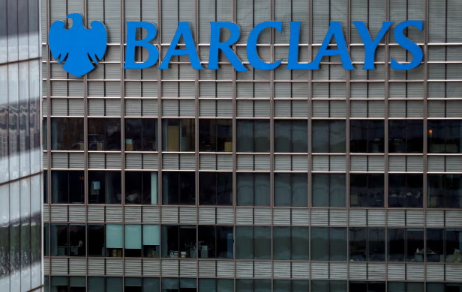
Barclays CEO CS Venkatakrishnan expressed deep shock and dismay over the latest revelations from the Barclays Epstein files, highlighting serious concerns about corruption. The news comes as Barclays faces ongoing scrutiny regarding former chief Jes Staley’s links to Jeffrey Epstein, the convicted child sex offender. Venkatakrishnan said his thoughts are with Epstein’s victims, stressing the bank’s commitment to ethical oversight and corporate responsibility. The Barclays chief also emphasized that internal measures are under review to ensure proper compliance, while the bank continues managing the complex legal landscape triggered by these disclosures.
The Barclays Epstein scandal has caused major reputational damage for the bank, as details of Staley’s alleged interactions with Epstein emerged. Although Staley denies any wrongdoing, US prosecutors reportedly reviewed allegations of sexual assault and misconduct in 2019. Reports suggested that Staley forced a woman to touch him during a massage and left physical marks on another woman, referred to as “Tinkerbell” in the files. No charges were brought, and Staley has not publicly responded to the allegations.

Venkatakrishnan avoided directly commenting on Staley’s personal conduct during his first public statements on the matter, focusing instead on broader ethical concerns. He described the situation as “morally depraved and shocking,” highlighting the need for financial institutions to maintain rigorous standards of governance. Barclays has continued to report strong financial performance despite the ongoing Barclays Epstein controversies, illustrating the tension between profitability and reputational risk management.
The legal ramifications remain extensive. Barclays, alongside its chair Nigel Higgins, is facing a US class action lawsuit initiated by pension funds in New York and Missouri. The plaintiffs allege that the bank misled investors about Staley’s association with Epstein, causing economic losses. They claim that accurate information only became publicly available after the UK Financial Conduct Authority’s (FCA) 2023 findings, which banned Staley from returning to the UK financial sector. The lawsuit underscores the high stakes for both Barclays’ reputation and its financial accountability to stakeholders amid the Barclays Epstein fallout.
Staley resigned from Barclays in 2021 following preliminary FCA investigations, which prevented his reinstatement in 2025 and led to the forfeiture of £18 million in pay and bonuses. Meanwhile, Barclays’ reported profits rose nearly 13% in 2025, reaching £9.1 billion, with plans to return over £15 billion to shareholders between 2026 and 2028. The bank’s ability to maintain strong earnings amid these controversies reflects the resilience of its core business, though reputational challenges persist.
Further complicating the situation, HSBC and Barclays face a $12 billion lawsuit from US heiress Tanya Dick-Stock related to a Jersey trust allegedly tied to Epstein. Both banks declined comment on this matter. Legal experts note that these cases could influence broader perceptions of UK banking institutions’ handling of misconduct and ethical lapses, particularly when international regulatory scrutiny intersects with investor protection concerns.
Analysts suggest that Barclays’ current leadership must balance robust financial results with comprehensive ethical reforms. Venkatakrishnan indicated that internal governance frameworks are under continuous review, aiming to prevent similar controversies in the future. The bank’s leadership has also committed to strengthening transparency measures, investor communications, and compliance protocols, acknowledging that public trust is vital to sustaining long-term operations.

Despite the intensity of scrutiny, Barclays continues to pursue growth initiatives. Venkatakrishnan highlighted that the bank is investing in digital transformation, sustainable finance, and green investment projects, signaling a strategic focus beyond reputational repair. These measures reflect an understanding that ethical conduct and financial innovation must coexist to ensure competitiveness in a global banking landscape increasingly influenced by social responsibility concerns.
The ongoing fallout from the Barclays Epstein revelations has intensified public debate about executive accountability, regulatory oversight, and corporate culture in major financial institutions. Barclays’ situation serves as a cautionary example of how historical associations with controversial figures can impact leadership credibility and operational stability. Venkatakrishnan’s public statements underscore the importance of transparent engagement with stakeholders while navigating complex legal and ethical challenges.
As Barclays moves forward, investors and regulators are watching closely. The bank’s ability to restore confidence will depend not only on financial performance but also on demonstrating consistent ethical decision-making and accountability. With lawsuits, FCA scrutiny, and reputational pressures converging, the CEO’s focus on ethical reform, compliance, and victim support is likely to remain central to Barclays’ corporate strategy in the coming years.
Overall, the Barclays Epstein controversies illustrate the broader implications for financial institutions worldwide, emphasizing that historical missteps can have long-lasting consequences. By publicly addressing moral concerns and reinforcing governance structures, Barclays aims to signal both accountability and resilience. Venkatakrishnan’s emphasis on supporting victims while pursuing operational stability reflects a leadership approach sensitive to social, legal, and financial responsibilities.
Related News:
 Tories Push to Dilute Labour’s Workers’ Rights Bill
 CMA Flags Concerns Over Greencore-Bakkavor Merger
 Derby Bounce Centre to Close Amid Car Park Dispute
 P.Louise Christmas Event Cancelled in Manchester
 Reeves Faces Setback as Labour May Miss Homes Target
 UK Small Business Owner to Challenge L’Oréal in Tribunal
 Trump’s UK Ambassador Urges North Sea Drilling to Strengthen US Ties
 150-Year-Old Arctic Beer to Be Reborn in Scotland
 Court Hears Challenge Over Water Bills Funding Sewage Fixes
 London bagel shop tops Deliveroo’s global orders list
 ABF May Split Primark from Food Division Amid Tough Market
 Rachel Reeves Set to Break Labour Pledge and Raise Income Tax
 UPS Cargo Plane Crash in Kentucky Kills Seven
 Thinktanks Urge Rachel Reeves to Reform UK Tax System
 Gopichand Hinduja, UK’s Wealthiest Business Leader, Dies
 M&S Profits More Than Halve After Cyber-Attack
 Company linked to Michelle Mone owes £39m in tax
 Tony Blair think tank warns Rachel Reeves must cut taxes if manifesto broken
 Oprah enjoys Meghan’s jam on English muffins
MPs Press Rachel Reeves to Hike Gambling Taxes
Oprah enjoys Meghan’s jam on English muffins
MPs Press Rachel Reeves to Hike Gambling Taxes
 NHS Takes Over Nuffield Hospital in ‘Windfall’ for London Care
 North Sea oil workers must lose weight or face job loss
 Cuts to home insulation funding threaten UK climate goals
 Warning as Britons prepare to spend £4 billion this Black Friday
 Troubled drinks giant Diageo names former Tesco boss to lead turnaround push
 Millionaires group urge Reeves to introduce wealth tax to ‘lift kids out of poverty’
 Taylor Wimpey Sales Drop Amid Budget Uncertainty
 Borough Market Clash Sparks Influencer Backlash
 UK toy market enjoys bumper year as ‘kidults’ fuel demand
 Reeves’s Tax U-Turn Triggers Fresh Jitters in UK Markets
 Global markets drop amid tech sell-off and China slowdown
 PM Highlights UK Business at G20 in South Africa
 Eurotunnel Investment Halted as UK Rates Soar
 Mossmorran Plant Closure Hits Cowdenbeath Hard
 UK Energy Bills to Rise Slightly in January
 UK Government Borrowing Higher Than Expected
 UK Taskforce Unveils Plan to Streamline Nuclear Reactor Rules
 Steel billionaire Lakshmi Mittal reportedly leaves UK
 Minister Denies Budget Leaks Have Harmed UK Economy
Budget 2025: Reeves Drops Economic Growth Reference
Minister Denies Budget Leaks Have Harmed UK Economy
Budget 2025: Reeves Drops Economic Growth Reference
 Expanded Version – Black Friday Shoppers Warned Over ‘Dud Deals’
 English Mayors Set to Introduce Tourist Taxes
 Black Friday Footfall Falls as UK Shoppers Hold Back Amid Economic Concerns
 Starmer Says Labour’s Economic Plan Needs Years to Deliver
 Virgin Media Fined £23.8m Over Telecare Safety Failures
 Rising Water Bills Lift Troubled Thames Back to Profit
BBC bosses ‘right to stick by their guns’ against Trump, says minister
Rising Water Bills Lift Troubled Thames Back to Profit
BBC bosses ‘right to stick by their guns’ against Trump, says minister
 Bet365 Boss Nets £280m Despite Profit Drop
 Sainsbury’s CEO leads business honours in New Year list
 UK Car Sales Pass 2 Million as Chinese Brands Surge
 Starmer Faces Parliamentary Battles Over UK-EU ‘Reset’ Plan
 Phoenixism Costs UK Taxpayers Millions in Recruitment Sector
 3,000 Jobs at Risk Without UK Helicopter Order
 China Dependence Threatens UK Energy Supply Chains and Jobs
 South East Water chief faces £400,000 bonus amid outages
 ScottishPower Tops List of Worst UK Energy Suppliers
MPs warn AI financial risks threaten UK stability
ScottishPower Tops List of Worst UK Energy Suppliers
MPs warn AI financial risks threaten UK stability
 MPs warn AI financial risks threaten UK stability
 City & Guilds pay surge sparks backlash amid £22m cuts
 UK Government Borrowing Drops to £11.6bn in December
 UK Disposable Income Growth Transforms Eleven Towns and Cities
 AI job losses UK: Britain faces sharper employment shock
 Most young adults in UK fear uncertain jobs and economic future
 Royal Mail delivery delays affect 16 million during Christmas
 Labour Must Revive High Streets to Avoid Election Collapse
 Households in England Face Rising Water Bills in April
 UK New Car Discounts Near £6,000 as Prices Are Slashed
 Study Finds One in Seven England Takeaways Are Dark Kitchens
 Riverford sales surge as UK organic market booms
 Barclays drops Global Counsel after Mandelson link scrutiny
 UK average home price exceeds £300,000 milestone, Halifax reports
 UK Experts Raise Alarm Over Machinery Export to Armenian Firm
UK House Price Growth Slows as Buyers Exercise Caution Ahead of Autumn Budget
UK Experts Raise Alarm Over Machinery Export to Armenian Firm
UK House Price Growth Slows as Buyers Exercise Caution Ahead of Autumn Budget
 Kate Winslet to Narrate Film Highlighting King’s Environmental Mission
 UK Bans Fake Numbers: Scammers Lose Their Trick
 Reeves rejects £1bn plea for NHS redundancy payouts
 PM Condemns Leaks, Vows Loyalty to Ministers and Stability
 Inside the Helpline Protecting Missing Children in the UK
 PlayStation PS5 Deals Hit Lowest Prices Ahead of Black Friday
 Five-Year-Old Dies After Rare Tonsil Surgery Complication