Published: 10 February 2026. The English Chronicle Desk. The English Chronicle Online.
BP has suspended BP share buy-backs as annual profits fell sharply, intensifying scrutiny on its recovery plan. The energy giant reported underlying earnings of just below $7.5 billion for 2025, down from nearly $9 billion in 2024, reflecting the steepest global oil price drop since the Covid-19 pandemic. The focus on halting BP share buy-backs is seen as an effort to strengthen BP’s balance sheet while preparing for strategic shifts under its incoming chief executive.
The suspension marks the first time BP has stopped quarterly BP share buy-backs since the pandemic forced the company to record historic losses. Investors now watch closely as BP attempts to regain confidence after previous green energy strategies failed to deliver expected returns. The incoming CEO, Meg O’Neill, formerly of Woodside Energy, will assume leadership in April and is expected to enforce rigorous measures for the turnaround plan.

Interim chief executive Carol Howle highlighted progress across BP’s four main objectives: increasing cash flows, returning value to shareholders, cutting costs, and strengthening the balance sheet via asset sales. “There is more work to be done, and we are clear on the urgency to deliver,” Howle said. “We are in action and can and will do better for our shareholders.”
BP’s fourth-quarter earnings fell 30% compared with the previous quarter, totalling $1.54 billion, though this represented a 32% increase year-on-year and met City expectations. Analysts note the company faces growing pressure from activist shareholders calling for transparency on its long-term strategy amid declining fossil fuel demand.
Mark van Baal, founder of Follow This, criticised BP’s current approach, saying the company lacks a consistent strategic direction. “After a half-hearted energy transition, BP is now doubling down on fossil fuels in a shrinking market,” he said. The shareholder activist group has submitted a resolution requesting BP disclose plans for value creation under declining fossil fuel demand scenarios ahead of the annual investor meeting in April.
Despite these pressures, BP commissioned seven new oil and gas projects in 2025, aiming to prioritise fossil fuel operations after attempting a broader renewable energy push. Remarkably, five of these projects were completed ahead of schedule, highlighting operational efficiency but signalling a pivot away from green initiatives.
Meanwhile, rival Shell reported a 22% drop in adjusted earnings to $18.5 billion for the same year but continued robust share buy-backs worth $3.5 billion, marking its 17th consecutive quarter with buy-backs exceeding $3 billion. BP shares fell nearly 5% in early trading, reflecting investor concerns over dividend prospects and future profitability.
Industry experts note that BP’s strategy could influence wider market trends. By prioritising fossil fuel projects over green renewables, BP signals a cautious approach toward the energy transition, potentially affecting investor sentiment in the sector. Analysts warn that with global energy markets in flux, companies like BP must balance immediate shareholder returns with long-term sustainability objectives.

O’Neill’s leadership will be critical to navigating these challenges. Stakeholders expect her to bring a disciplined operational focus, realign strategic priorities, and rebuild investor trust. Success will depend on managing declining oil markets, executing high-value projects efficiently, and reassuring shareholders that BP’s renewed focus on fossil fuels will deliver sustainable profits in a shifting energy landscape.
As BP enters a pivotal year, the company faces the dual pressures of market volatility and activist scrutiny. Its suspension of BP share buy-backs underscores the urgency to stabilise finances, while investors await clear signals of how the company plans to thrive amid declining fossil fuel demand. With a new CEO at the helm, BP must demonstrate the capacity to adapt strategy, safeguard shareholder value, and possibly redefine its role in the evolving energy sector.
The halt of BP share buy-backs reflects BP’s cautious stance while it navigates operational, financial, and strategic uncertainties. Industry watchers suggest that how BP balances fossil fuel reliance with green investment ambitions will shape both its market reputation and long-term investor confidence. With global oil prices remaining unpredictable, BP’s performance this year will provide a critical indicator of resilience and adaptability.
Related News:
 Reeves Faces Setback as Labour May Miss Homes Target
 Virgin Trains Moves Closer to Challenging Eurostar Monopoly
 Trump’s UK Ambassador Urges North Sea Drilling to Strengthen US Ties
 Ryanair Chief UK Economy ‘Doomed’ Under Labour
 M&S Profits More Than Halve After Cyber-Attack
 Millionaires group urge Reeves to introduce wealth tax to ‘lift kids out of poverty’
 From Lego to Pokémon: How Adults Are Driving UK Toy Market Growth
 Canada Passes Carney’s First Budget in Tight Parliamentary Vote
 Starmer Says Labour’s Economic Plan Needs Years to Deliver
 Virgin Media Fined £23.8m Over Telecare Safety Failures
 Starmer Faces Parliamentary Battles Over UK-EU ‘Reset’ Plan
 Reeves Pub Business Rates U-Turn Calms Labour Revolt
 ScottishPower Tops List of Worst UK Energy Suppliers
 Markets Slide As Gold Rally Signals Risk From Trump Greenland Tariff Plan
 UK Eyes Global Investment with Visa Fee Refunds
 City & Guilds pay surge sparks backlash amid £22m cuts
 UK Inflation Hits 3.4% in December, Ending Five-Month Decline
 Trump Fed bid heads to Supreme Court
 ‘Black Tax’: Burden, Pride and Survival for African Workers
 AI job losses UK: Britain faces sharper employment shock
 India-EU Free Trade Deal Marks Historic Economic Shift
 EU Signals Open Mind on UK Customs Union Talks
 Telstra AI jobs cuts as automation drive expands
 UK economy struggles as growth stalls at 0.1% in late 2025
 UK shelves £110m border project amid trade strain
 UK Inflation Surprise Sparks Early Rate Cut Hopes
 Aston Martin Cuts 20% Jobs Amid £363m Loss
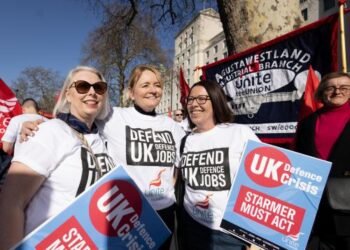 Reeves Must Back Defence Plan or Face Dismissal, Says Unite Chief
 Switching Energy Deal Can Save £200 as Price Cap Falls
 Grocery Inflation Rises Amid War Fears
 Peak Greggs fears as profits tumble sharply
 BrewDog sold Highland estate for knockdown price after abandoning reforestation plans
 Yorkshire Water Funding Sparks Debate Amid Fines and Pay Row
 Abramovich Chelsea Sale Cash Faces Jersey Probe
 Tesla Enters British Energy Market Following Ofgem Approval
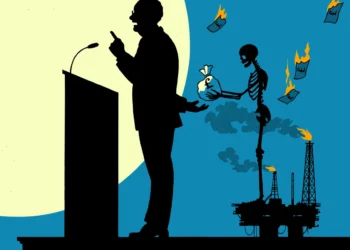 The Truth Behind Rising Energy Costs and Fossil Fuel Myths
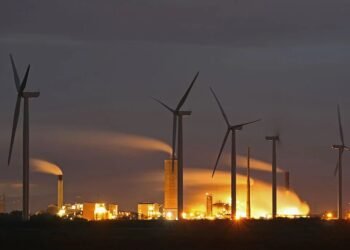 UK Energy Reform Could Cut Bills by £200
 Oil Slides, Stocks Jump on Trump Peace Signals
 Trump to Deploy “God Squad” Over Gulf Wildlife Protections
 Iran Drone Strike Hits Kuwaiti Oil Tanker in Dubai Port
 Trump Slams Europe as Transatlantic Tensions Boil Over
 Hospitality Sector Teeters on Brink as Costs Surge
 UK Small Firms Face Crisis as Energy Bills Double Amid War
 Oil Prices Surge as Trump Issues New Deadline to Iran
 City Firms See Sharpest Fortune Reversal in Thirty Years
 Markets Surge as Trump Agrees to Iran Ceasefire Terms
 Stefano Gabbana Resigns as Chair of Italian Luxury Giant
 Rolls-Royce SMR Secures £600m Boost for Nuclear Future
 IMF Warns Iran War Could Spark Deep Global Recession
 Trump Rate Cuts Risk ‘Banana Republic’ Status, Says Yellen
 Primark Set for Independence from ABF Food Giant
 $13bn World Cup Set to Break All Revenue Records
 Trump approval plunges amid Iran war fears
 Tough Fiscal Realities Await Next Scottish Government
 US Awaits Iran Reply on New Ceasefire Proposal
 Aramco Surges as East-West Pipeline Counters Gulf Tensions
 Big Tobacco Under Fire Over Controversial New Ad Campaign
 High Street Crisis: Fears Grow Over Post Office Closures
 UK Firms Freeze Spending as Iran Conflict Bites
 Summer Shock: British Energy Bills Set for Grim July Hike
 Reeves to Fast-Track Clean Energy Amid Iran Crisis
 Oil Markets Face ‘Red Zone’ Threat Amid Iran Crisis
 Belfast Approves Pilot Extension of Sunday Trading Hours
 Albanese Defends Tax Reforms Amid Emotional Speech
 Tube Strike Brings Capital to a Standstill Over Shift Disputes
 BP Stands Firm on Amanda Blanc Amid Boardroom Storm
 UK House Prices Drop For Third Month Due To War Fears
 Top Chefs Back Andy Burnham to Save UK Hospitality Sector
 GSK Secures Landmark $10.6bn Deal for Nuvalent
 UK Economy Suffers a Sharp Downturn as Iran Conflict Bites
 AI Scams Push UK Investment Fraud Past £220m
 Rethinking the Blueprint for Youth Employment in Britain
 Sainsbury’s Boss Optimistic As Grocery Inflation Eases
 UK Households Suffer Squeeze As Disposable Incomes Drop
 Creditors Eye Thames Water Even Under Nationalisation
 Record £28m Fine for Virgin Media Over Cancellation Woes
 Jet2 Sees Summer Surge Despite Global Tensions
 Ukraine Creates Long-Range Strike Command
 BBC Faces Real Jeopardy as Licence Fee Income Declines
 Thames Water Future Remains Uncertain Amid Funding Crunch