Published: 11 February 2026. The English Chronicle Desk. The English Chronicle Online.
Families of nurses and carers have voiced urgent concerns over the UK immigration crackdown, warning it threatens to tear loved ones apart. The so-called Doyle whip of changes has heightened anxiety among migrant families who moved to Britain for work or study, with many expressing fears over being separated from relatives. A survey of over 1,000 respondents revealed that nearly three in five are worried about family separation under the proposals. Concerns have grown, especially among health and social care workers, as the government prepares to extend residency requirements.
Two-thirds of respondents said they feel less welcome in Britain as a result of these immigration reforms, which are linked to the Doyle whip. More than half admitted they were considering leaving the UK due to the new policies. Labour MPs have challenged the home secretary’s proposals, arguing that the measures could devastate critical sectors. Ministers intend to increase the time migrant workers must wait to gain permanent residency from five to ten years, with lower-skilled roles potentially facing a fifteen-year timeline.

The Praxis charity, which conducted the survey, found that nearly half of those affected were on work visas, with around a third employed in healthcare or social care, 10% in education, and 15% in IT. Family visa holders accounted for one in seven participants, and around 12% were Hongkongers who arrived after Beijing imposed national security laws in 2020. Praxis CEO Minnie Rahman called the reforms “economic vandalism,” highlighting the vital contributions migrants make to essential UK sectors.
“Our findings emphasise that penalising migrants undermines both the workforce and society,” Rahman said. “Nearly half of our survey respondents work in crucial sectors like the NHS, social care, and IT. These reforms disregard their contributions and jeopardise our economy.”
Research from the Institute for Public Policy Research indicates that over 300,000 children in the UK may now face a decade-long wait for settled status under these reforms. Nursing leaders warn that up to 50,000 nurses could leave the UK, potentially triggering the NHS’s most severe workforce crisis in history.
Zayne, an 18-year-old aspiring doctor, shared how the Doyle whip has disrupted his family’s stability. His mother reportedly “cries every day because our future feels stolen overnight.” His father, an NHS doctor, relocated to the UK in good faith, leaving better-paid overseas work, only to find residency rules altered months before qualification.
The IPPR estimates 1.7 million people on settlement routes may now endure an extended wait for indefinite leave to remain. Praxis notes that a 10-year pathway to settlement costs nearly £20,000 per adult, creating financial burdens for already contributing families.

Healthcare worker Fisayo, who arrived in 2009, said the reforms have worsened economic insecurity despite years of taxes and contributions. “We’re trapped in low-paid jobs, constantly renewing visas, and relying on food banks just to cover Home Office fees,” she said. “These policies hurt parents and children alike, perpetuating child poverty and insecurity.”
Approximately 40 Labour MPs have criticised the retrospective nature of these proposals, describing them as “un-British” and as “moving the goalposts.” They warn that the reforms could destabilise migrant communities and discourage essential workforce participation.
A Home Office spokesperson defended the proposals, framing them as the largest legal migration reforms in fifty years. “Settlement is a privilege, not a right, and must be earned. We are restoring order in a system under severe pressure and prioritising contribution and integration,” the spokesperson said.
The Doyle whip has reignited debate across Britain, highlighting the delicate balance between immigration control and retaining vital skills in the economy. Families of nurses, carers, and other professionals remain deeply concerned, fearful that these reforms could permanently disrupt lives, livelihoods, and the very social fabric that sustains the UK workforce.
Related News:
 US National Guard Member Killed in DC Shooting
 Trump to Recheck Green Cards from 19 Nations After DC Attack
 Trump Escalates Minnesota Immigration Surge Amid Rising Tensions
 Homeland security agents deployed amid Minneapolis protests
 Democrats Push Affordability to Challenge Trump Ahead of Votes
 Greenland Faces Pivotal Summit Over Arctic Power Struggle
 Government Unveils Northern Powerhouse Rail Plans
 Trump press secretary attacks reporter over ICE question
 Kyrsten Sinema Faces High-Profile Lawsuit Over Marriage Interference
 ‘He Believed Help Was Coming’: Why Iran’s Protesters Feel Betrayed
 Trump Fed bid heads to Supreme Court
 EU Says US Ties Have Suffered ‘Big Blow’ After Greenland Crisis
 Trump officials continue false claims after Alex Pretti shooting
 Fulton election raid hits Georgia election office
 Partial US Government Shutdown Hits Homeland Security Funding
 Thousands Protest ICE Operations in Nationwide US Day of Action
 Epstein Files Reveal Trump Officials’ Emails with Financier
 Thousands Protest ICE in New York Against Trump Deportation Campaign
 Sinema payment row deepens after $9,000 transfer claim
 Sanders Condemns Billionaire ‘Greed’ in California Tax Debate
 California Democrats Vow Trump Reckoning
 Trump’s Surgeon General Pick Evades Vaccine Questions
 Clinton Testimony Erupts in Fiery Exchange
 Scaramucci on Trump: ‘Epstein files won’t end him’
 Texas Senate seat fight heads to runoff as votes split
 Cooper and Whatley Win Primaries for North Carolina Senate
 Thousands Protest Iran Strikes Outside US Embassy London
 US Bombers Arrive at RAF Base Amid Rising Iran Tensions
 UK Prepares Aircraft Carrier for Middle East Crisis
 Pete Hegseth Iran War Remarks Spark Alarm
 Can Congress Stop US Sports Teams From Moving Cities?
 Can King Charles Calm Trump on Key US Visit?
 Melania Trump Epstein remarks spark survivor backlash
 US Catholics Caught Between President and the Pope
 Iron Worker Challenges Trump Loyalist in Ohio
 Trump Faces Crisis as Iran Reopens Hormuz Tensions
 GOP Senator Criticizes Trump’s Feud With Pope Leo XIV
 Charles Faces Trump Test in High-Stakes US Visit
 Trump at Press Dinner Sparks Tension
 Trump Defiant After Washington Hotel Shooting
 Identity Revealed: Suspected Washington Gunman Named
 US Court Weighs Fate of TPS for Migrants
 Florida Redistricting Map Sparks Major US Political Battle
 USS Gerald R Ford Ends Record Naval Deployment
 US Voting Rights Ruling Sparks Celebration and Outcry
 US Court Ruling Reshapes Voting Rights Landscape
 US states redraw maps after voting rights ruling
 Judge halts deportation of Yemeni refugees in US
 White House Security Case Sparks Political Firestorm
 Trump approval plunges amid Iran war fears
 Ohio’s Battle for Trust: Democrats Vying to Flip the Buckeye State
 Trump Threatens UN Budget Cuts as US Pushes ‘Trade Over Aid’ Agenda
 Trump warns Iran as Middle East tensions surge again
 US Supreme Court fast-tracks Voting Rights ruling
 US ‘Narco Boat’ Strikes Draw Global Outcry
 Ohio Primaries Set Stage for Crucial Midterms
 Afghan Families Left in Limbo Face Risk of Deportation
 Tensions Emerge in Netanyahu-Trump Alliance
 US Awaits Iran Reply on New Ceasefire Proposal
 Immigration Judges Fear Pressure in Trump Era
 FDA Chaos Deepens as Trump Eyes Makary Exit
 US green card applicants must apply from abroad, DHS says
 Tulsi Gabbard exits after turbulent intelligence tenure
 Hormuz Talks Near Critical Stage
 Former ICC prosecutor condemns US sanctions
 Gunman Killed After White House Security Shootout
 Trump Claims Iran Peace Deal Near Completion
 DeSantis’s ‘Alligator Alcatraz’ Faces Final Shutdown
 Prosecutor Proposes Law to Combat Election Deceit
 US Midterm Primaries: Democrats Target Key Republican Seats
 House Curbs Trump’s War Powers in Rare Rebellion
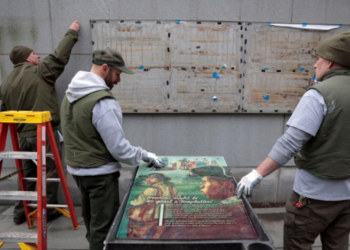 US Courts Back Trump on Park Signage Removals
 Trump’s Mount Rushmore Speech: A Divisive Anniversary
 Court Rejects Florida Campus Speech Restrictions
 Graham Platner’s Exit Leaves Democrats in Chaos
 Trump Refuses to Sign Housing Bill, But Law Takes Effect
 Senate Halts Defense Bill Over Iran Clashes
 Houthis Strike Saudi Arabia as Middle East Tensions Rise
 Trump Orders Signs Criticising Smithsonian Museum
 Is America Ready for an AOC Presidential Run?