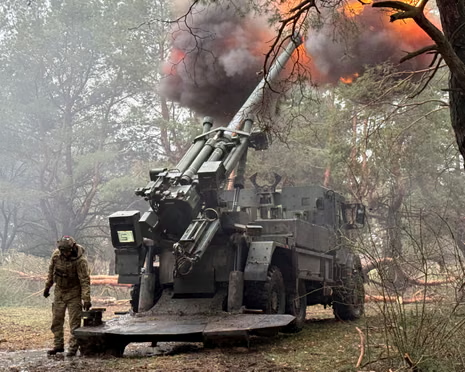
Published: 17 February 2026. The English Chronicle Desk. The English Chronicle Online.
Ukraine and Russia will meet this week in Geneva for a critical round of talks, marking a significant moment in ongoing diplomacy. The focus keyword “Ukraine Russia talks” highlights the high stakes of these discussions, which come just days before the fourth anniversary of Moscow’s full-scale invasion. Ukrainian and Russian delegations, alongside US representatives, will attempt to explore avenues for easing the conflict despite persistent tensions. These Geneva discussions follow earlier negotiations in Abu Dhabi, with expectations for a breakthrough remaining cautious at best, given Moscow’s firm territorial demands.
The two-day Geneva meeting, beginning Tuesday, will involve senior officials aiming to expand dialogue beyond military issues. Earlier Abu Dhabi talks concentrated on ceasefire proposals, yet Russian officials have indicated that Geneva will cover a “broader range of issues,” including territorial disputes and other contentious points. Vladimir Medinsky, a key Putin adviser with conservative views on Ukrainian sovereignty, is slated to lead Russia’s delegation. Accompanying him are Igor Kostyukov, chief of Russian military intelligence, and Deputy Foreign Minister Mikhail Galuzin, along with nearly two dozen other officials. Ukraine will send the same delegation as in previous rounds, led by Rustem Umerov, the secretary of Ukraine’s national security and defence council.

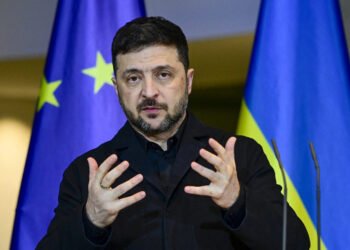
President Volodymyr Zelenskyy emphasised that diplomacy must be backed by both justice and strength. On social media, he stressed the importance of sustained sanctions and rapid support for Ukraine’s military, asserting that pressure on Russia remains vital. Switzerland, hosting the talks for the first time on European soil, was reportedly a choice pushed by Washington. The Trump administration envoys Steve Witkoff and Jared Kushner, who will lead US engagement, are also scheduled for meetings with Iranian officials in Geneva later this week.
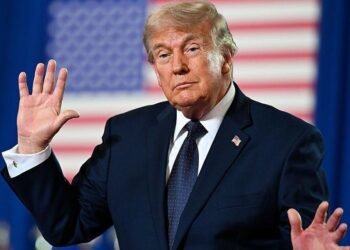
Former President Trump, who has frequently alternated between criticising Moscow and Kyiv, recently placed blame on Zelenskyy for delaying negotiations. “Zelenskyy needs to act. Russia wants to make a deal. He needs to act, otherwise he will miss a great opportunity,” Trump said. Yet Secretary of State Marco Rubio, speaking at the Munich Security Conference, cautioned that the United States remains uncertain about Russia’s sincerity regarding ending the war.
Zelenskyy has made it clear that Ukraine will not surrender territory in the Donbas region, a primary Kremlin objective. He cited past Russian aggression in Chechnya, Georgia, and Crimea, warning that conceding land would be a historic error. “Allowing the aggressor to take something is a big mistake,” he said, adding that Ukraine will not repeat past leadership mistakes. Zelenskyy highlighted the staggering costs to Russia, which reportedly suffers losses of 30,000-35,000 personnel monthly as it continues its territorial push.
In Kyiv, expectations for a significant breakthrough remain low. Zelenskyy reiterated that the heavily defended northern Donetsk oblast, including Sloviansk and Kramatorsk, would remain under Ukrainian control to protect roughly 200,000 civilians. Ukraine has pledged to maintain a constructive role in Geneva, despite differences with the US over security guarantees. While the Trump administration proposes a fifteen-year commitment, Kyiv seeks a 30-50 year guarantee. Zelenskyy has expressed hope for war resolution within the year.

Kyrylo Budanov, head of the presidential office, documented the delegation’s journey to Geneva, emphasising lessons from history and the protection of Ukraine’s interests. Observers note that Medinsky’s presence, linked to a controversial 2021 essay attributing shared origins to Ukraine and Russia, signals Moscow’s potentially unserious approach to the negotiations. Olexiy Haran, political analyst at the Kyiv-Mohyla Academy, observed that Ukrainians largely reject US-Russian calls for presidential elections during the ongoing conflict, citing unsafe conditions.
Haran also stressed that Kremlin pressure aims to destabilise Ukraine while questioning the government’s legitimacy, a narrative partially echoed by Trump. Conducting elections amid martial law and war conditions would present enormous legal and logistical challenges. Haran concluded that meaningful political renewal can only occur once the war ends and security conditions are assured, underscoring Ukraine’s steadfast approach to Geneva talks.
The Geneva negotiations thus represent a careful balance between diplomatic engagement and unwavering defense, with Ukraine navigating complex international pressures. While the international community watches closely, the outcome remains uncertain, reflecting the ongoing challenges of securing a lasting resolution to a war that has profoundly reshaped Eastern Europe. As Geneva becomes the focus of global attention, the stakes for Ukraine, Russia, and international mediators could not be higher, with history, territory, and lives hanging in the balance.
Related News:
 Trump Plans Venezuela Meeting, Warns of Cartel Land Strikes
 Mandelson apologises over Epstein ties after public scrutiny
 US Senate rejects resolution limiting Trump military powers
 Trump Calls Greenland Critical for US Security After Denmark Talks
 Trump: Iran Killing Has Stopped, Strike Threats Pulled Back
 Machado Trump medal gesture reshapes Venezuela power struggle
 Trump Receives Machado’s Nobel Medal in White House Meeting
 Iran unrest slows under brutal crackdown and global tensions
 Trump Allies Pursue $200m European Gas Pipeline Deal
 US Considers Asylum for British Jews Amid Rising Antisemitism
 Starmer Challenges US Over Controversial Greenland Deal
 Spoof “Make America Go Away” Caps Rally Denmark Over Greenland
 Trump slams UK ‘stupidity’ over Chagos Islands, eyes Greenland takeover
 UK Presses On With Chagos Handover Despite Trump Criticism
 Kim Jong-un Fires Vice-Premier Over Factory Failures
 Shinzo Abe’s killer receives life sentence in Japan
 Starmer Resists Matching Trump Amid Greenland Tensions
 Netanyahu Accepts Trump’s ‘Board of Peace’ Invitation
 South Korean Ex-PM Jailed 23 Years Over Martial Law Role
 Canada Rules Out Free Trade Deal With China Amid US Tensions
 Snow Threatens Japan Election Turnout Amid Extreme Cold
 Keir Starmer meets Xi to strengthen UK-China economic relations
 Crisis Looms as Liberals Debate Sussan Ley Future
 Cambridge Faces Scrutiny Over Arms Investment Transparency
 Files Link Andrew to Epstein Dinner After Prison Release
 Thousands Protest ICE Operations in Nationwide US Day of Action
 Epstein Files Reveal Trump Officials’ Emails with Financier
 Thousands Protest ICE in New York Against Trump Deportation Campaign
 Trump-Petro Meeting Sparks Hopes of Diplomatic Detente
 Epstein UAE Emails Shake British Royal Andrew’s Legacy
 Liberal Fallout: Taylor Challenge Casts Shadow Over Sussan Ley’s Leadership
 Brazilian Politician Brothers Sentenced for Marielle Murder
 Tommy Robinson Meets Trump Officials at US State Department
 HMS Dragon to Head to Cyprus Amid Rising Tensions
 Starmer Praised for Stance on Trump and Iran Conflict
 Yvette Cooper: UK Must Follow Principles, Not US Pressure
 UK Ministers Signal Strategic Independence From Trump Demands
 Florida Governor renames Palm Beach Airport for Donald Trump
 Farage Shuns Truss as US Right-Wing Roadshow Hits London
 European Leaders Slam Hungary Over Alleged Russian Ties
 Starmer Urges Ambitious EU Ties Amid Middle East Conflict
 A Global Voice For Justice: Stephen Lewis Dies At Age 88
 Trump Mocks Starmer and UK Carriers in White House Speech
 Final Countdown as Trump Deadline Looms Over Tehran
 Starmer visits Gulf as US and Iran agree ceasefire
 GOP Senator Criticizes Trump’s Feud With Pope Leo XIV
 Global Oil Prices Surge Amid Renewed Gulf Tensions
 Faith and Power: Catholics React to Trump-Pope Feud
 Timor-Leste Faces Tough Questions Over Resort Proposal
 Security Scrutiny After Washington Shooting Incident
 Aukus Submarine Plan Faces Critical Failures
 UK Envoy Sparks Controversy Over Special Relationship Claims
 US Calls Australia Media Law “Foreign Extortion”
 USS Gerald R Ford Ends Record Naval Deployment
 Activists allege abuse after Gaza flotilla seizure
 Global order shifts amid Trump-era turmoil
 Australia pushes Pacific security pact amid China tension
 Indiana Republicans Defy Trump in Key Vote Test
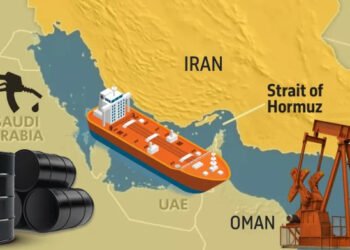 Middle East Crisis Escalates as Oil Routes Shake Markets
 One Nation Candidate’s Surprising Ties to Independents
 Anika Wells Repays Over £5,000 in Travel Claims
 Tensions Emerge in Netanyahu-Trump Alliance
 California Mayor Resigns Over Foreign Agent Charges
 Liberal Senator Criticises Immigration Rhetoric
 Hanson Stunner: Norway Model Sparking Energy Row
 Tony Abbott Returns as New Liberal Party President
 Tulsi Gabbard exits after turbulent intelligence tenure
 UK Urged to Build EU Rejoin Consensus, Says Miliband
 Zelenskyy warns over Oreshnik threat as Kyiv hit
 Discontent grows around Putin amid war strain
 Former ICC prosecutor condemns US sanctions
 Trump Weighs Retreat from Controversial $1.8bn Slush Fund
 Iran Prepares for Massive Six-Day Funeral for Khamenei
 Trump’s Mount Rushmore Speech: A Divisive Anniversary
 Iran Mourns: Millions at Khamenei’s Final Procession
 Starmer Braces for Nato Spending Clash in Ankara
 Trump Swaps Planes Amid Iran Tensions
 House Democrats Divided Over Israel Military Funding Bid
 Houthis Strike Saudi Arabia as Middle East Tensions Rise
 Taliban global ties grow as rights fears mount