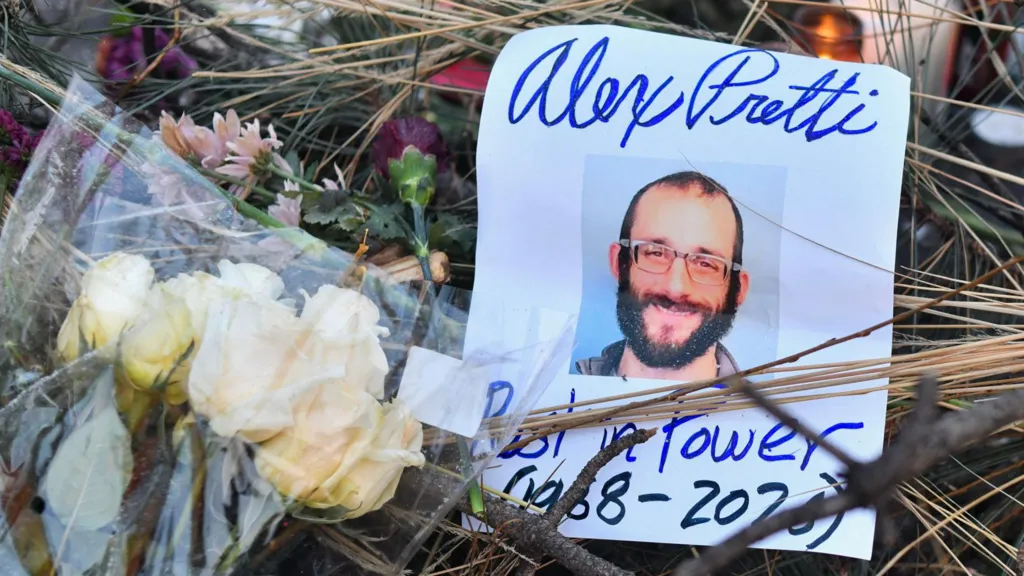
Published: 17 February 2026. The English Chronicle Desk. The English Chronicle Online
State officials have confirmed that the FBI will not be cooperating with local authorities in the ongoing investigation into Alex Pretti, the controversial figure whose alleged activities have drawn national attention. The decision has sparked concern among local law enforcement and prompted questions about the jurisdictional limits of federal agencies in high-profile investigations.
According to state officials, repeated requests for assistance from the FBI have been declined, citing procedural and policy constraints. Local authorities say the lack of federal support complicates efforts to gather evidence, interview witnesses, and coordinate prosecutions. “We are committed to pursuing justice and conducting a thorough investigation,” said a state spokesperson, “but the absence of federal cooperation creates significant challenges in accessing resources and expertise typically available in cases of this nature.”

The investigation into Alex Pretti has been ongoing for several months, with allegations ranging from financial misconduct to breaches of state law. Authorities have been gathering evidence through subpoenas, interviews, and forensic analysis, but officials say certain aspects of the case—particularly those involving digital records and cross-state communications—would normally benefit from FBI involvement.
Critics argue that the FBI’s decision not to cooperate undermines public confidence in law enforcement coordination, particularly in high-profile cases with national implications. Legal analysts note that while federal agencies are not obligated to assist state investigations, collaboration is often crucial for efficiently resolving complex cases.
State officials have indicated that they will continue the investigation independently, leveraging available state resources, local police departments, and investigative units. They also emphasised that legal avenues remain open to request information or compel cooperation under certain circumstances, though these measures can be time-consuming and uncertain.
The situation has prompted debate over the boundaries between federal and state authority, highlighting challenges in cases where crimes or allegations span multiple jurisdictions. Observers note that tension between local prosecutors and federal agencies is not uncommon, particularly when cases involve high-profile individuals or politically sensitive issues.
Meanwhile, the public and media have closely followed developments in the Pretti case, with pressure mounting for transparency and progress. Advocacy groups have called for clarity regarding the FBI’s rationale for non-cooperation, urging federal authorities to explain how their decision aligns with broader law enforcement priorities.

State officials maintain that despite the lack of federal involvement, they are committed to a thorough investigation and ensuring that all legal procedures are properly followed. “We remain resolute in pursuing justice for all parties affected and will exhaust all available means to hold those responsible accountable,” a spokesperson said.
As the investigation continues, legal experts anticipate that questions about federal cooperation and jurisdictional authority may become central to public discourse. The case underscores the challenges faced by local law enforcement when federal resources are unavailable and highlights the delicate balance between state sovereignty and federal oversight in the American legal system.
Related News:
 EPSTEIN MYSTERY: Five Unanswered Questions Surround Jeffrey Epstein’s Death
 “It’s Never Too Late”: Savannah Guthrie’s New Plea for Mother’s Release as FBI Analyses Glove
 Tasers Introduced in UK Prisons to Combat Rising Violence and Protect Staff
 Northern Ireland Family of Three Shot Dead in Maguiresbridge Home Incident
 Tragedy in the Skies: Inquest Reveals Devastating Cause of Death in Southend Plane Crash
 Targeted Attack in Bury Sparks Murder Investigation as Community Awaits Justice
 Man Remanded After Children Fall Ill at Leicestershire Summer Camp in Shocking Child Cruelty Case
 Hunt Intensifies for Southport Riot Suspects as Police Release Full List of 40 Still at Large
 AI Revolutionises Grooming Gang Investigations as Police Target Cold Cases Across England and Wales
 A Fugitive’s Double Life Uncovered: My Interview with Nicholas Rossi, Scotland’s Notorious Escapee Facing Utah Rape Trial
 Police Advised to Disclose Ethnicity of Suspects in High-Profile Cases
 Failed New Mexico Candidate Sentenced to 80 Years for Drive-By Shootings at Lawmakers’ Homes
 Merseyside Police Helicopter Crew Cleared After Low-Altitude Pursuit of Suspect
 US Podcaster Helps Land “Queen of the Con” Behind Bars in Northern Ireland
 UK Launches Major Crackdown on Networks Profiting from Online Child Sexual Abuse
 Jailed Georgian Opposition Leaders Warn UK of Iranian Links to Ruling Party
 No Evidence Found to Substantiate Alleged Rape in Oxfordshire Churchyard, Police Confirm
 Madeleine McCann Detectives to Testify Against Woman Accused of Stalking the Family
 Boris Johnson Breached Rules on Post-Office Business Contacts
 UK Gamer Recruited by Wagner Group Found Guilty of Arson
 Badenoch Warns Farage’s Grooming Gangs Plan Could Backfire
 Migrant Sex Offender Deported After Erroneous Prison Release
 Five More Prisoners Freed by Mistake in Essex Week
 Nearly 48,000 Zombie Knives Removed from UK Streets in a Year
 Afghan man charged with murder after west London knife attack
 Police Probe Four Knife Incidents Linked to Cambridgeshire Train Attack
 French Taxi Driver Cleared in David Lammy Theft Case After Fare Dispute
 Just Stop Oil Protesters Convicted Amid Climate Defence Row
 Prison sentencing reforms expected to raise crime by up to 6%, police warn
 Met Police Culture Makes Racial Harm ‘Inevitable’
 British Grandmother to Return Home After Death Sentence in Bali
 Remaining rebel Labour MPs have whip restored
 South Korea’s Jeju Island Faces Rising Tide of Illicit Drugs
 Victims’ commissioner Baroness Newlove dies aged 63
 Oklahoma Governor Grants Last-Minute Clemency to Death Row Inmate
 Rio Raid’s Death Toll Raises Questions About Gang Impact
 Delhi Car Bomb Arrest: Suspect Linked to Deadly Attack
 Paralegal Fired After Exposé on Illegal Worker Scam
 Charlotte Raids: 130 Arrested in Major Immigration Sweep
 South African Detained After Neo-Nazi Rally in Australia
 Convicted Killer Challenges Vegemite Ban Behind Bars
 Newport Man Left Injured After Electric Bike Collision
 Serial Rapist and Former Cop Found Guilty Again
 Man Charged Over Attempted Murder of Senior Officer
 Two Officers Injured After Van Deliberately Rams Patrol Car
 Man Denies Stealing Bronze Age Gold from Museum
 Trump Signs Bill Releasing Justice Department Files on Epstein
 Runaway Driver Caught by DNA Evidence
 Two National Guard Soldiers Critically Injured Near White House
 US National Guard Member Killed in DC Shooting
 Man Swallows $19K Fabergé Egg Pendant in Theft
 US Defence Chief on Drug Boat Strike: “Did Not See Survivors”
 Met Police Under Scrutiny for Vetting Failures Among Hundreds of Recruits
 American Mother Extradited From UK to U.S. on Murder Charges
 Migrant father guilty of honour killing in Holland
 Portland Shooting: Federal Agents Open Fire Near Hospital
 Portland man pleads not guilty after Border Patrol shooting
 Woman Jailed for Life After Killing E-Bike Rider in Tragic Mistaken Identity Case
 Betfair Faces Pressure Over Funds Lost to Gambling Fraud
 Border Patrol Commander Leaves Minneapolis After Fatal Shooting
 Files Link Andrew to Epstein Dinner After Prison Release
 Emails Show Epstein Funded Mandelson’s Husband After Jail
 Partial US Government Shutdown Hits Homeland Security Funding
 Police Doubt Fugitive Dezi Freeman Survived Bushland
 Police Probe Mandelson Over Alleged Epstein Leak
 Starmer to Release Mandelson Files
 ‘We Are Ready to Talk’: US News Anchor Savannah Guthrie Pleads for Return of Her Abducted Mother
 Man Charged with Raping Teenage Boy: Court Case Opens Amid Outrage
 Royal Marine Admits Killing Man with Fatal Punch
 Appeal to B&B Owners Over Cash Point Ram-Raid
 US Military Says Two Killed in Strike on Alleged Drug Boat in Eastern Pacific
 What We Know About the Abduction of Savannah Guthrie’s Mother
 Nancy Guthrie Abduction: Bitcoin Ransom Sparks US Attention
 No Arrests Made After Police Search Near Nancy Guthrie Home
 Man in Court Charged with Belfast Murder
 Rapist Caught by DNA 20 Years After Teen Attack
 ALL OUT: Pam Bondi Announces Epstein Files Released With 300+ High-Profile Names
 Wayne Couzens Still Eligible for £7k Pension
 Man Shoots Dead Wife and Child at School Hockey Game in Rhode Island
 How Dark Web Agent Spotted Bedroom Wall Clue to Rescue Girl from Years of Harm