
Published: 20 February 2026. The English Chronicle Desk. The English Chronicle Online.
Deer shooting England plans are set to transform woodland management across the country. The government has announced sweeping proposals designed to curb rising deer populations and protect fragile habitats. Ministers believe urgent action is needed as damage to trees continues to escalate. The new approach aims to balance conservation, farming needs, and rural livelihoods. Officials say the measures will also support the nation’s legally binding environmental commitments.
Under the proposals, landowners and tenants will gain clearer legal rights to control deer on their property. The Environment Secretary, Emma Reynolds, intends to introduce legislation that simplifies the process. The changes would make it easier to shoot deer where crops, young trees, and property face harm. Supporters argue that current rules are too restrictive and slow to respond. They believe a more flexible system will prevent long-term ecological damage.
England currently has six deer species roaming its countryside. Only red and roe deer are native to these shores. Four others were introduced over previous centuries and have thrived. These non-native species include muntjac, Chinese water deer, fallow deer, and sika deer. Without natural predators, their numbers have grown steadily year after year. Experts warn that unchecked growth is placing immense strain on woodlands.
Deer feed on leaves, buds, and young saplings, preventing forests from regenerating naturally. They also strip bark from mature trees, weakening trunks and inviting disease. Sika deer are known for rubbing their antlers against young trees. This behaviour can kill fragile growth before it has matured. Over time, entire woodland ecosystems can shift or decline.

Government data shows that 33 per cent of English woodlands are now in unfavourable condition. In the early 2000s, that figure stood at 24 per cent. Ministers argue that deer are a major factor behind this deterioration. They say protective fencing and tree guards have helped, but they are not enough. A new strategy is therefore considered essential.
The deer shooting England policy shift marks a departure from previous reliance on barriers alone. Instead of only shielding trees, the government plans to manage deer numbers directly. All publicly owned or managed land will be required to adopt deer management plans within ten years. Officials say this structured approach will create consistency nationwide. National priority areas will also be identified for targeted culls.
These priority zones are places where deer populations are especially high. In such areas, woodland damage has reached critical levels. By focusing resources there, authorities hope to achieve measurable recovery. The strategy will also reform grants paid to landowners for deer control. Payments will extend beyond wooded areas when deer move into open land.
Emma Dear of Natural England explained the reasoning behind the changes. She said deer roam widely and are not confined to single woodland patches. The previous grant scheme applied mainly within forest boundaries. The updated system will allow timely interventions wherever damage risk peaks. Officials believe this flexibility will improve effectiveness.
A lack of apex predators has contributed significantly to deer expansion. Wolves, bears, and lynx once roamed Britain but were hunted to extinction centuries ago. Without these natural controls, deer populations have few checks. Climate change has further altered conditions in their favour. Warmer winters allow more animals to survive and breed successfully.
Dear noted that milder weather leads to higher fawn survival rates. When winters are less severe, deer find food more easily. This results in greater reproductive success each season. As numbers climb, pressure on woodland intensifies. Conservationists fear that without intervention, recovery targets will be impossible to meet.
The government has committed to regenerating woodland equivalent to a net increase of 43,000 hectares. Achieving that ambition depends heavily on protecting young trees. Officials acknowledge that regeneration cannot succeed if saplings are repeatedly eaten. Deer control is therefore framed as a necessary conservation tool. Ministers stress that the objective is ecological balance rather than eradication.
The Department for Environment, Food and Rural Affairs will prioritise certain species. Muntjac deer are already classified as invasive and cause widespread harm. Authorities are assessing whether sika and Chinese water deer should join that list. These three species are viewed as causing the most severe impacts. Targeted reduction efforts will focus primarily on them.
The Nature Minister, Mary Creagh, described woodland health as under immense strain. She emphasised that native wildlife also suffers from excessive browsing. According to Creagh, restoring balance will help trees flourish again. She added that healthier forests benefit biodiversity and the timber industry. The deer shooting England framework is presented as part of wider nature recovery plans.
Public reaction has been mixed but largely measured. Farming groups have welcomed clearer legal rights to manage herds. Many argue that crops and fencing suffer costly damage each year. Conservation charities broadly support science-led population control. However, animal welfare advocates urge careful oversight and humane standards.
Officials insist that all culling will follow strict welfare guidelines. Licensed professionals and trained land managers will carry out operations. Monitoring will ensure that actions remain proportionate and evidence based. The aim is to reduce suffering while achieving ecological objectives. Transparency will be crucial to maintaining public trust.
An additional element of the strategy concerns venison marketing. Rather than waste culled animals, ministers hope to strengthen supply chains. Defra is exploring ways to bring more wild venison to consumers safely. Industry support could lower management costs for landowners. A stronger market may also reduce reliance on imported meat.
Dear highlighted the potential for economic opportunity within responsible wildlife management. She suggested that supporting the venison sector benefits rural communities. By linking conservation and commerce, policymakers hope to create sustainable incentives. This integrated approach reflects broader environmental policy trends. Economic viability often determines long-term success.

Critics caution that culling alone will not solve every woodland challenge. They note that disease, invasive plants, and habitat fragmentation also matter. Ministers respond that deer control complements other measures. Tree planting, habitat restoration, and landscape planning will continue simultaneously. Together, these actions aim to meet ambitious environmental targets.
As Parliament prepares to debate legislation, attention will focus on safeguards. Lawmakers are expected to examine oversight mechanisms closely. Questions may arise about monitoring outcomes and measuring success. Clear data will be essential in evaluating progress. Officials promise regular reporting and adaptive management.
For now, the government remains firm in its resolve. Leaders argue that delaying intervention would worsen ecological decline. The deer shooting England strategy represents a decisive turn in woodland policy. Supporters view it as pragmatic and overdue. Opponents will watch implementation carefully in the months ahead.
Woodlands hold deep cultural and environmental significance across England. They provide habitats, store carbon, and offer recreation. Ensuring their resilience is considered a national priority. Ministers believe that balanced deer populations are central to that goal. The coming years will reveal whether this policy shift delivers lasting improvement.
Related News:
 Norfolk Coastal Graves at Risk as Erosion Deepens Family Anguish
 Winter plant bloom signals climate breakdown in UK
 Dog Food Emissions: 1% of UK Greenhouse Gas Revealed
 Storm Goretti leaves Cornwall homes without power
 Kent Residents Continue Facing Water Supply Disruptions
 Water firms may avoid fines under UK water reform plan
 No Gas Boiler Ban as UK Warm Homes Plan Backs Heat Pumps
 Judi Dench Champions Fight to Save London’s Green Spaces
 UK joins North Sea wind grid pact with nine European nations
 Devon hosts first high-density hydro power system
 Storm Chandra floods Somerset, triggers major incident declaration
 Storm Chandra flooding leaves England on high alert
 UK Pfas Action Plan Faces Criticism From Environmentalists
 Wigan Dump Crisis Sparks Health and Safety Alarm
 Fish disco plan could save 90% of fish at Hinkley C
 Flood risk homes surge across England builds
 Illegal Waste Dumping: New Drone Unit Launched
 Group Expands Legal Claim Over South West Water Pollution
 Scotland’s Climate Plans Face Scrutiny Over ‘Science Fiction’ Targets
 Wood burner legal threats spark council row
 South East Water Fined £22.5m for Repeated Supply Failures
 Yorkshire Water Funding Sparks Debate Amid Fines and Pay Row
 Net Zero Cheaper Than One Fossil Fuel Crisis, UK Told
 Welsh Water Faces £44.7m Enforcement Over Sewage Breaches
 London Considers New SUV Charges to Improve Road Safety
 New £10bn rescue plan offered for Thames Water
 MPs Slam Agency Over Failing Fight Against Waste Dumping
 RNLI Beach Rescues Surge as Coastal Popularity Hits New High
 UK Records Earliest Spring as Nature Awakens Fast
 RSPB Urges Summer Bird Feeder Removal to Curb Disease
 Britain Facing Sharp Decline in Rare Butterfly Species
 Toxic ‘Forever Chemicals’ Threaten Southern English Coast
 Toxic Flea Treatments Devastating UK Rivers and Wildlife
 UK Faces Mass Water Shortages by 2055, Lords Warn
 Saving Our Lost Rainforests: The Battle for Dartmoor
 Outrage in Surrey as Vital Nesting Colony of Endangered Swifts is Entirely Demolished
 The Hidden Cost of Our Oceans
 Whitehall Steps In: The Battle Over Thames Water Deepens
 UK Seas Face Extreme Heatwave as Global Temperatures Surge
 UK Pets Face Heatstroke Risks Even While Resting Indoors
 New Debt Limits Proposed for England’s Water Sector
 South East Water Faces £30.5m Penalty for Supply Failures
 Three-Quarters of England’s Riverbanks Still Off Limits
 Reeves Faces Setback as Labour May Miss Homes Target
 ‘Extinct’ Antelope Returns to Sahara, Bringing Hope
 Starmer Faces Parliamentary Battles Over UK-EU ‘Reset’ Plan
 Met Police Vetting Failures Let Serial Rapists Remain
 Fatal Bolton Taxi Crash Claims Three Teens and Driver
 ScottishPower Tops List of Worst UK Energy Suppliers
 Crowborough Camp Welcomes First Asylum Seekers
 BBC Funding Crisis: Tim Davie Warns of Jeopardy Ahead
 Artificial intelligence will cost jobs, admits Liz Kendall
 Older Women Vanish from BBC Screens, Review Confirms Bias
 Streeting moves on doctor pay to end strike dispute
 Send spending gap leaves deprived areas behind
 Hidden Crisis: Domestic Abuse Suicide Toll in UK
 UK Unemployment Rate Climbs to 5.2% Peak
 California Democrats Vow Trump Reckoning
 Facial Recognition Error Leads to Wrongful Arrest in Milton Keynes
 Green Party Stuns Labour in Gorton and Denton Byelection
 Labour Together scandal sparks clean break vow
 Grocery Inflation Rises Amid War Fears
 BrewDog sold Highland estate for knockdown price after abandoning reforestation plans
 NHS Plans to Cut Overseas Workers Labeled Overambitious
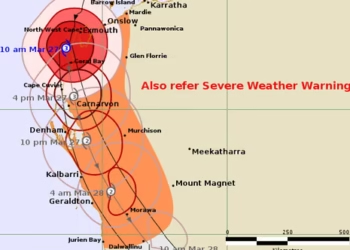 Tropical Cyclone Narelle Batters the Western Australian Coast
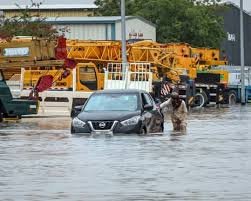 Middle East Deluge: Freak Storms Bangle Desert Nations
 National Energy Grant Proposed to Slash UK Household Bills
 Medellín’s Green Revolution: A Global Climate Blueprint
 Secret Role of UK Security Services in Troubles Amnesty Law
 Tube Strike Brings Capital to a Standstill Over Shift Disputes
 Teaching Machines Right From Wrong in the Digital Age
 The Hidden Crisis Eroding Trust in British Communities
 Stolen Mobiles Could Soon Become Useless Bricks
 Clean Air Initiatives Spark Major Fall in London Hospital Admissions
 UK Care Crisis: Row Explodes Over New Visa Settlement Rules
 Sainsbury’s Boss Optimistic As Grocery Inflation Eases
 US Airman Avoids British Court in Indecent Exposure Case
 Britain’s Mini Fan Craze Sparks Major Waste Crisis
 Ann Widdecombe, Formidable Political Figure, Dies at 78
 UK Schools Struggle as Classrooms Top 40C