Published: 19 September ‘2025. The English Chronicle Desk
During a highly orchestrated two-day state visit to the United Kingdom, former US President Donald Trump urged the British government to consider deploying military forces to control its borders, drawing attention to rising public concern over illegal migration and highlighting divisions in political approaches to security and immigration. Speaking at a carefully managed press conference at Chequers, the official country residence of the Prime Minister, Trump suggested that Britain should emulate the United States in taking a hard line against unlawful crossings, stating, “It destroys countries from within, and we’re actually now removing a lot of the people that came into our country.”
The state visit, officially hosted by King Charles, marked a delicate moment for Prime Minister Keir Starmer, who has faced a turbulent period in office, including the resignation of his deputy Angela Rayner and criticism over the handling of the Peter Mandelson affair. Despite potential pitfalls, Starmer managed to avoid major flashpoints during interactions with the former US president, maintaining a diplomatic tone while safeguarding sensitive domestic political issues. Sources from Downing Street indicated that the visit helped consolidate £150 billion in promised investment from US companies, highlighting the economic significance of maintaining strong UK-US relations.

Trump’s comments on border control came as the UK prepared to implement its “one in, one out” immigration policy, which allows for the deportation of unauthorized migrants while simultaneously establishing a safe and legal route for asylum seekers. The first deportation flight to France under this policy occurred on Thursday, with further operations expected in the coming days. Trump’s call to “call out the military” resonated with some Labour MPs advocating for a more visible presence in the Channel, a measure that had previously been attempted under Boris Johnson but failed to prevent small boat crossings.
While border security dominated Trump’s commentary, the US president and Starmer also addressed sensitive foreign policy issues, including the UK’s impending recognition of Palestine. Trump acknowledged the move as “one of our few disagreements” during the visit, underscoring the delicate balancing act for the British government. Starmer insisted that the decision to recognise Palestine was independent of Trump’s visit and emphasized the humanitarian crisis in Gaza, which has been exacerbated by ongoing military operations. Both leaders avoided direct condemnation of Israel’s actions, although Starmer highlighted the urgent need for humanitarian aid and protection of civilians in the conflict zone.
Trump’s visit also revealed a significant shift in tone regarding global geopolitical issues. On the Ukraine conflict, he openly criticised Russian President Vladimir Putin, stating, “He’s killing many people, and he’s losing more people than he’s killing. The Russian soldiers are being killed at a higher rate than the Ukrainian soldiers.” This marked a departure from previous US positions, and British officials welcomed the comments, interpreting them as a diplomatic win for Starmer in isolating Russia on the world stage. While Trump did not specify strategies for pressuring Moscow, he urged NATO countries to refrain from purchasing Russian oil, signalling an emphasis on economic measures as a form of geopolitical leverage.
In another notable revelation, Trump disclosed the United States’ intention to reclaim Bagram Airbase in Afghanistan, which had been surrendered during the chaotic withdrawal in 2021. He described the base as strategically important, particularly in relation to monitoring China’s growing nuclear capabilities, stating, “One of the reasons we want the base is, as you know, it’s an hour away from where China makes its nuclear weapons.” This announcement reflects the US administration’s ongoing focus on countering perceived strategic threats in Asia while reinforcing its global military posture.
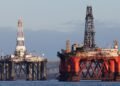
Energy policy also became a point of divergence, with Trump praising North Sea oil as a “phenomenal asset” and criticising renewable energy sources, calling wind power “a very expensive joke.” Starmer, in contrast, defended the importance of a diversified energy strategy, including renewables, to meet climate targets and ensure long-term energy security. The exchange underscored differing approaches between the two nations on environmental and energy policy while maintaining cordial diplomatic relations.
Throughout the visit, Trump remained outspoken, providing candid assessments of UK domestic politics. On board Air Force One, he criticised London Mayor Sadiq Khan, claiming, “I think the mayor of London, Khan, is among the worst mayors in the world, and we have some bad ones.” The former president indicated that he had blocked Khan from attending state visit events, citing prior disagreements. Starmer, meanwhile, emphasised the broader benefits of the visit, particularly the technology and investment components, noting that the UK-US technology pact signed during the visit would be transformative for AI and tech sectors. Nvidia CEO Jensen Huang announced £2 billion in investment in UK technology companies during the visit, highlighting tangible economic outcomes from the diplomatic engagement.
Trump also addressed sensitive questions regarding former UK officials. When questioned about Peter Mandelson and his links to the late Jeffrey Epstein, Trump dismissed the topic, stating, “I don’t know him,” despite previous meetings between the two in the context of trade negotiations and whisky tariffs. The avoidance of contentious issues during press interactions suggested a deliberate effort to maintain a cooperative tone, particularly given the high stakes of investment and bilateral relations.

The state visit thus represented a multifaceted exercise in diplomacy, balancing domestic political sensitivities with international relations and security priorities. Trump’s focus on immigration, military involvement, and border control served as a reminder of the challenges facing the UK in managing migration flows, while the ongoing recognition of Palestine and energy policy discussions underscored the complexities of aligning domestic and foreign policy agendas.
Observers noted that the visit demonstrated both the opportunities and risks inherent in hosting a figure with polarising international influence. While the economic and technological benefits were clear, the comments on border security and the use of military force highlighted the need for careful management of public perception and intergovernmental messaging. The UK government, while avoiding overt confrontation, faced scrutiny from domestic political actors, including opposition parties and internal critics, over its approach to both immigration policy and foreign affairs.
In conclusion, Donald Trump’s state visit to the United Kingdom was marked by a combination of diplomatic pageantry, strategic economic engagement, and controversial commentary on border control and international policy. His call for Britain to “call out the military” to manage illegal migration, alongside his commentary on Palestine, Ukraine, and Afghanistan, highlighted the complexities of contemporary UK-US relations. For Prime Minister Keir Starmer, the visit provided both opportunities and challenges: securing significant investment while navigating contentious issues with a former US president known for his direct and unpredictable approach. As the UK continues to implement new immigration policies and engage in global strategic discussions, the visit will likely be remembered as a defining moment in Starmer’s leadership and the broader UK-US partnership.
Related News:
 UK Must Act with Courage and Clarity on Israel-Palestine Conflict, Says Foreign Affairs Committee Report
 Starmer and Trump to Meet in Scotland Amid Growing Gaza Ceasefire Pressure
 Minister Dismisses Legal Concerns Over UK’s Pledge to Recognise Palestinian State
 MPs Call on UK Government to Delay Biometric Visa Checks for Gaza Students Amid Humanitarian Crisis
 Radioactive Leak at UK’s Nuclear Warhead Base Sparks Outcry Over Safety and Secrecy
 ‘I’m collateral damage’: ex-minister Tulip Siddiq on her Bangladesh corruption trial
 Mutual Inconvenience: Why Alaska Was Chosen for the Trump-Putin Summit on Ukraine
 “I Don’t Expect to Live a Normal Life”: How a Leeds Teenager Became the Target of a Chinese Bounty
 Ministers Accused of Defamation Over Palestine Action Ban and Mass Arrests
 UK Defence Secretary Says Allied Troops ‘Ready to Act from Day One’ if Ukraine Ceasefire Agreed
 Is the UK Ready to Put Boots on the Ground in Ukraine? Assessing Military Capacity and Challenges
 Protests Expected as Israeli Arms Firms Join Global Defence Trade Fair in London
 UK Home Office to Launch French Beach Signage to Warn Asylum Seekers of Risks
 Charlie Kirk Killing Used to Mobilise UK’s Largest Far-Right Rally in Decades
 UK Immigration Figures: Separating Facts from Perceptions
 Far-Right Rally in London Draws Record Crowds Amid Clashes with Police
 Thousands Gather in London to Protest Donald Trump’s Second UK State Visit
 UK and Ireland Set to Unveil New Proposals to Address Northern Ireland’s Troubles Legacy
Tulip Siddiq Raises Concerns Over Alleged ‘Fake’ Documents in Bangladesh Corruption Trial
UK and Ireland Set to Unveil New Proposals to Address Northern Ireland’s Troubles Legacy
Tulip Siddiq Raises Concerns Over Alleged ‘Fake’ Documents in Bangladesh Corruption Trial
 UK Recognises State of Palestine in Push to Preserve Hope for Peace
 UK’s Recognition of Palestine: Symbolic Step or Real Change?
 Trump’s UN Speech Criticises London and UK Policies, Draws Far-Right Attention
 UK Fighter Jet Purchase Could Breach Nuclear Treaty, Warns CND
 A Third of EU Citizens in UK Report Discrimination by Public Bodies Post-Brexit
 Jailed Georgian Opposition Leaders Warn UK of Iranian Links to Ruling Party
 Russia repeatedly targets UK military satellites, warns Space Command chief
 Pro-Palestine March to Proceed in London Despite Calls to Cancel After Manchester Attack
 UK Universities Warn Students Ahead of 7 October Pro-Palestine Protests
Starmer Considers Stricter Measures on Pro-Palestinian Protest Chants
UK Universities Warn Students Ahead of 7 October Pro-Palestine Protests
Starmer Considers Stricter Measures on Pro-Palestinian Protest Chants
 Public Trust in SNP Hits Historic Low Amid NHS Concerns
 Tony Blair Met Jeffrey Epstein at Downing Street in 2002
 China’s Mega Embassy in London Faces Further Delay
 Johnson Suggests Mandelson Linked to China Spy Controversy
 Minister Blames Deputy for Collapse of China Spy Case
 Shabana Mahmood Warns Border Failings Are Eroding Trust in States
 Witness statements reveal the CPS China spy row collapse in the UK
 Large scale Chinese spying in UK sparks political storm
 Nigel Farage Calls Vladimir Putin ‘A Very Bad Dude’
 Rachel Reeves signals welfare reform ahead of key budget
 Prince Andrew met alleged Chinese spies during Pitch@Palace China trips
 Kosovo agrees to host Britain’s refused asylum seekers
 Plaid Cymru Triumphs in Caerphilly, Ending Labour Century-Long Hold
 Rachel Reeves to lead UK trade push in Saudi Arabia amid rights debate
 British Woman in Iran ‘Losing Hope’ Amid Ongoing Detention
 Johnson Approved China’s London ‘Super-Embassy’ in 2018
 BBC Journalist Held and Interrogated in Vietnam
 Zohran Mamdani becomes New York City’s first Muslim mayor
Zohran Mamdani names all-female transition team for NYC mayoralty
Zohran Mamdani becomes New York City’s first Muslim mayor
Zohran Mamdani names all-female transition team for NYC mayoralty
 Second world war veterans honoured as King leads Remembrance Sunday
 BBC director-general and news chief resign amid bias row
 New review urges UK to repatriate Shamima Begum, others from Syria
 Rama Rebukes Mahmood for Targeting Albanian Families
 Russian Vessel Used Lasers on RAF Pilots, UK Claims
 Ireland Boosts Ukraine Aid as Zelensky Visits Dublin
 Terence Stamp, ’60s British Film Legend and Star of Superman, Dies at 87
 Hong Kong Summons UK and Australian Envoys Following Asylum Grants to Democracy Activists
 Police Scotland Spends £500,000 Compensating Officers Over Trump Visit
 Urgent Action Needed on Windrush Compensation as Survivors Speak of “Waiting to Die”
 Tanni Grey-Thompson Faces Abuse Over Opposition to Assisted Dying Bill
 TfL Invites RMT to Resume Talks as London Tube Strikes End
 Zarah Sultana Seeks Legal Action After Bitter Clash with Jeremy Corbyn Over Party Membership Funds
 Top Andy Burnham Ally Launches Fierce Critique of Starmer Ahead of Labour Conference
 Mahmood Pledges Reform of Modern Slavery Laws After Court Blocks Deportation Appeal
 Ed Miliband Urges Labour to Confront Billionaire-Backed Opposition to Net Zero Goals
 Digital ID Plans Ignite Debate Over £600m Treasury Tax Boost and Privacy Concerns
 Yvette Cooper Backs Digital ID Plan for UK Teens
 Ministry of Justice fails to file £11bn in spending receipts
 Reform UK candidate fined £19,000 after using AI-generated cases to challenge election
 William Steps Up Over Prince Andrew Palace Response
 Ireland Votes as Two Women Compete for Presidency
 Experts Warn Russia’s Burevestnik Missile Could Destabilise Arms Control
 Green Party Surges Past Labour in Latest UK Poll
 Zarah Sultana Launches Party to Change Politics
 Just Stop Oil Protesters Convicted Amid Climate Defence Row
 Starmer Faces Growing Dissent as Labour MPs Weigh Leadership Challenge
 Peers Flood Assisted Dying Bill with 942 Amendments
 Trump Deploys DHS to Charlotte in Major Arrest Operation
 Pentagon Officials in Ukraine to Discuss War End
 Venezuela Threatens Nobel Winner Machado with Fugitive Status
 Most Tories Expect to Support a Farage-Led Government