Published: 20 September — The English Chronicle Desk | The English Chronicle Online
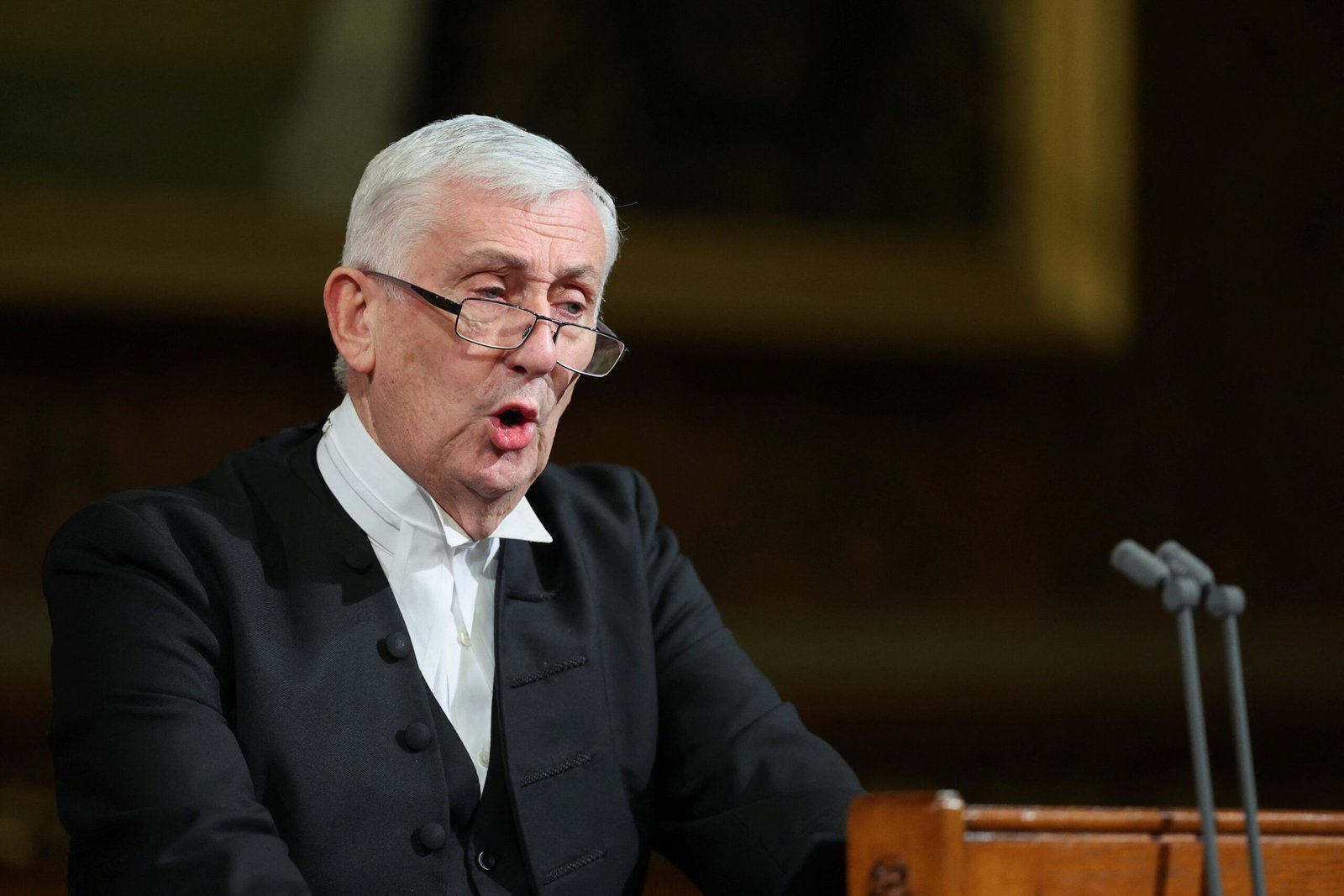
The UK Parliament has been left exposed to potential interference by “foreign actors” following the decision to drop espionage charges against two men accused of spying for China, the Speaker of the House of Commons has warned.
Lindsay Hoyle expressed deep concern over the case, saying that the withdrawal of charges effectively granted Beijing a “licence to operate” within parliamentary circles. Speaking to the Times, Hoyle emphasised the critical importance of safeguarding the integrity and security of the House of Commons, noting that the decision to halt proceedings left significant vulnerabilities.

The two men, Christopher Cash, 30, and Christopher Berry, 33, had faced allegations of unlawfully providing information prejudicial to the interests of the state between December 2021 and February 2023 under the Official Secrets Act. Both men had denied the accusations and were due to stand trial next month. However, on Monday, prosecutors announced that the evidential basis for the case was no longer sufficient, prompting the charges to be dropped.
Cash had served as a parliamentary researcher and director of the China Research Group, with ties to prominent Conservative figures, including former security minister Tom Tugendhat and MP Alicia Kearns. The case’s collapse has sparked criticism from multiple parties, highlighting concerns about potential gaps in parliamentary security.
Hoyle warned that the door had been left open to foreign interference and stressed that urgent measures were needed to protect MPs, staff, and the wider parliamentary environment. “This door must be closed hard. We must pursue all avenues to ensure the protection of members and people that work within the House of Commons. It will not be tolerated,” he said.
Stephen Parkinson, Chief Prosecutor for England and Wales, acknowledged the disappointment and frustration shared by many MPs and members of the public. He explained that the Crown Prosecution Service (CPS) had been compelled to halt the case due to an “evidential failure,” meaning that the evidence no longer met the required threshold for a realistic prospect of conviction.
Parkinson clarified that while the initial charging decision was sound, proving that China constituted an “enemy” under the Official Secrets Act 1911 presented a significant legal challenge. He noted that recent reforms under the National Security Act 2023 now provide broader powers to address espionage and activities conducted on behalf of foreign powers.

The case has reignited debate about parliamentary security and the adequacy of existing legal frameworks to protect sensitive government operations from international interference. Hoyle announced he had requested officials to review operational, strategic, and legal measures to ensure that everyone working in Parliament can conduct their duties securely and without fear of foreign influence.
The withdrawal of charges against Cash and Berry underscores the complexities of prosecuting espionage cases and raises pressing questions about the vulnerability of UK institutions to external manipulation, particularly in an era of evolving global security threats.
Related News:
 UK Police to Gain New Powers to Manage Repeated Protests, Home Office Announces
 UK Asylum Reforms: Temporary Refugee Status and Faster Deportations
 Minister Defends Tough New Asylum Reform Plan
 UK Net Migration Falls Sharply After ONS Revisions
 Peers Get Extra Time to Debate Assisted Dying Bill
 Trump Administration Dismisses 17 Immigration Judges, Sparking Debate Over Judicial Independence
 Tasers Introduced in UK Prisons to Combat Rising Violence and Protect Staff
 David Lammy Faces Possible Legal Challenge Over Foreign Office Secondment Scheme
 Ministers Accused of Defamation Over Palestine Action Ban and Mass Arrests
 Police Advised to Disclose Ethnicity of Suspects in High-Profile Cases
 Rayner Warns Farage’s Reform UK Could ‘Fail a Generation of Young Women’ in Online Safety Row
 Sally Rooney Pledges BBC Royalties to Support Palestine Action Despite UK Terror Ban
 UK’s First Transgender Judge Seeks Rehearing of Supreme Court Ruling on Biological Sex
 Government Signs Deal with Iraq to Return Illegal Migrants in Latest Bid to Deter Small Boats
 Migrant Hotel Chaos as Councils Consider Legal Action to Ban Asylum Seekers
 DWP Launches Independent Review of Post Office Staff Prosecutions
 British Council in Kyiv ‘Severely Damaged’ by Russian Missile Strike
 Angela Rayner Admits Underpaying Stamp Duty on £800,000 Seaside Flat
 Angela Rayner Faces Scrutiny as Stamp Duty Row Deepens
 Tanni Grey-Thompson Faces Abuse Over Opposition to Assisted Dying Bill
 First “One In, One Out” Deportation Flight Departs Without Migrants Amid Legal Challenges
 Hillsborough Law to Hold Public Officials Accountable, Promising Jail for Serious Misconduct
 Corbyn and Sultana Clash Over Membership Portal as Divisions Surface in New Leftwing Party
 “Social Housing Crisis in England: Tenant Complaints Soar Amid Dangerous Living Conditions”
 Mahmood Pledges Reform of Modern Slavery Laws After Court Blocks Deportation Appeal
 Migrants in UK May Need to Contribute or Face Removal, Home Secretary Signals
 Jailed Georgian Opposition Leaders Warn UK of Iranian Links to Ruling Party
 MPs’ pay watchdog seeks to give public greater voice in how politicians are funded
 Digital ID Plans Ignite Debate Over £600m Treasury Tax Boost and Privacy Concerns
 Boris Johnson Breached Rules on Post-Office Business Contacts
 Shabana Mahmood Warns Border Failings Are Eroding Trust in States
 Lucy Powell urged ministers to reconsider costly legal case for Labour donor’s firm
 Starmer Accused of Creating ‘Toxic Downing Street’
 Prince Andrew Hosted Epstein Days Before Arrest
 China Spy Case Hearing Reveals Key Gaps in Prosecution
 It’s time to come clean on the China spy case
Johnson Approved China’s London ‘Super-Embassy’ in 2018
It’s time to come clean on the China spy case
Johnson Approved China’s London ‘Super-Embassy’ in 2018
 Zarah Sultana Launches Party to Change Politics
 Experts Question HMRC Over Possible Child Benefit Privacy Breach
 Phillipson urges careful review of gender recognition guidance
 Who is Rama Duwaji? What Zohran Mamdani’s wife has said about Gaza and ICE as he’s elected NYC mayor
 Met Police Culture Makes Racial Harm ‘Inevitable’
 Remaining rebel Labour MPs have whip restored
 Tim Davie resigns as BBC director general amid bias claims
Palace to reinstate hyphen in Andrew’s surname
Tim Davie resigns as BBC director general amid bias claims
Palace to reinstate hyphen in Andrew’s surname
 Victims’ commissioner Baroness Newlove dies aged 63
 Pressure Mounts on Starmer to Sack Chief of Staff Over Briefing Row
 Peers Flood Assisted Dying Bill with 942 Amendments
 US Justice Department Files Lawsuit Against California Over Partisan Voting Maps
 Nandy says BBC review to probe political board influence
 Your Party Turmoil Deepens Over Withheld Donations
 UK Unveils Fast-Track Deportation and Asylum Overhaul
 UK Asylum Overhaul Sparks Debate Over Human Rights and Deportations
 Mahmood Defends Tough Overhaul of UK Asylum System
 Mahmood Announces Temporary Refugee Status Plan
 Scottish Ministers Express Alarm Over UK Asylum Reforms
 South African Detained After Neo-Nazi Rally in Australia
 Westminster Advances Legacy Bill Amid Criticism
 Only One Republican Opposes Mass Release of Epstein Files
 Congress Approves Release of Epstein Files, Trump Expected to Sign
 UK Vulnerable to Attack, Defence Committee Finds
 Rama Rebukes Mahmood for Targeting Albanian Families
 Russian Vessel Used Lasers on RAF Pilots, UK Claims
 MP Offers Seat to Help Burnham Challenge Starmer
 Court to Hear Challenge to Wimbledon Expansion Plan
 Serial Rapist and Former Cop Found Guilty Again
 Senedd Suspends Politician Over Offensive Racial Slur
 Texas Governor Faces Lawsuit From CAIR
 English Mayors Set to Introduce Tourist Taxes
 Ex-Classmate Accuses Farage of Dishonesty on Racism Claims
 Millions Face Higher Taxes Under Reeves New Budget
 Planned Palestinian Flag Raising at Belfast City Hall Faces Delay Amid Legal Concerns
 Ex-Brexit MEP Rejects Claim of Pro-Russia Payments
 Labour U-turn: Unfair Dismissal Rights Delayed Six Months
 Government righting decades-old injustice for miners
 Second homes curbs quashed in Gwynedd legal ruling
 Chinese & Japanese Boats Clash Near Disputed Islands
 Putin Meets US Envoy Amid Key Ukraine Peace Talks
 Twelve Prisoners Released in Error, Two Still Missing
 Franklin Turtle, Sabrina Carpenter Slam US Social Media Use