Elon Musk, the billionaire entrepreneur behind SpaceX, has once again set his sights on the stars — this time with a bold vision to establish a human settlement on the Moon within the next decade. Speaking at a recent space innovation conference, Musk outlined plans for what he described as a “permanent, self-sustaining lunar city,” igniting both excitement and scepticism among space scientists, industry experts, and the public.
Musk’s ambition is the latest in a series of audacious goals set by the tech magnate, from reusable rockets to Mars colonisation. Yet, the prospect of a Moon city within ten years raises profound technical, logistical, and ethical questions, even as it underscores humanity’s growing interest in extraterrestrial habitation.
Musk envisions a settlement capable of supporting hundreds, and eventually thousands, of inhabitants. The city would feature habitable modules, energy generation systems, and infrastructure to support life in the harsh lunar environment. Advanced robotics, 3D printing, and autonomous construction technologies are expected to play a central role in building the city with minimal human labour initially.

“We’re aiming for a city that can operate independently of Earth, capable of producing its own energy, water, and food,” Musk said. “It’s about making life multiplanetary, starting with the Moon before moving to Mars.”
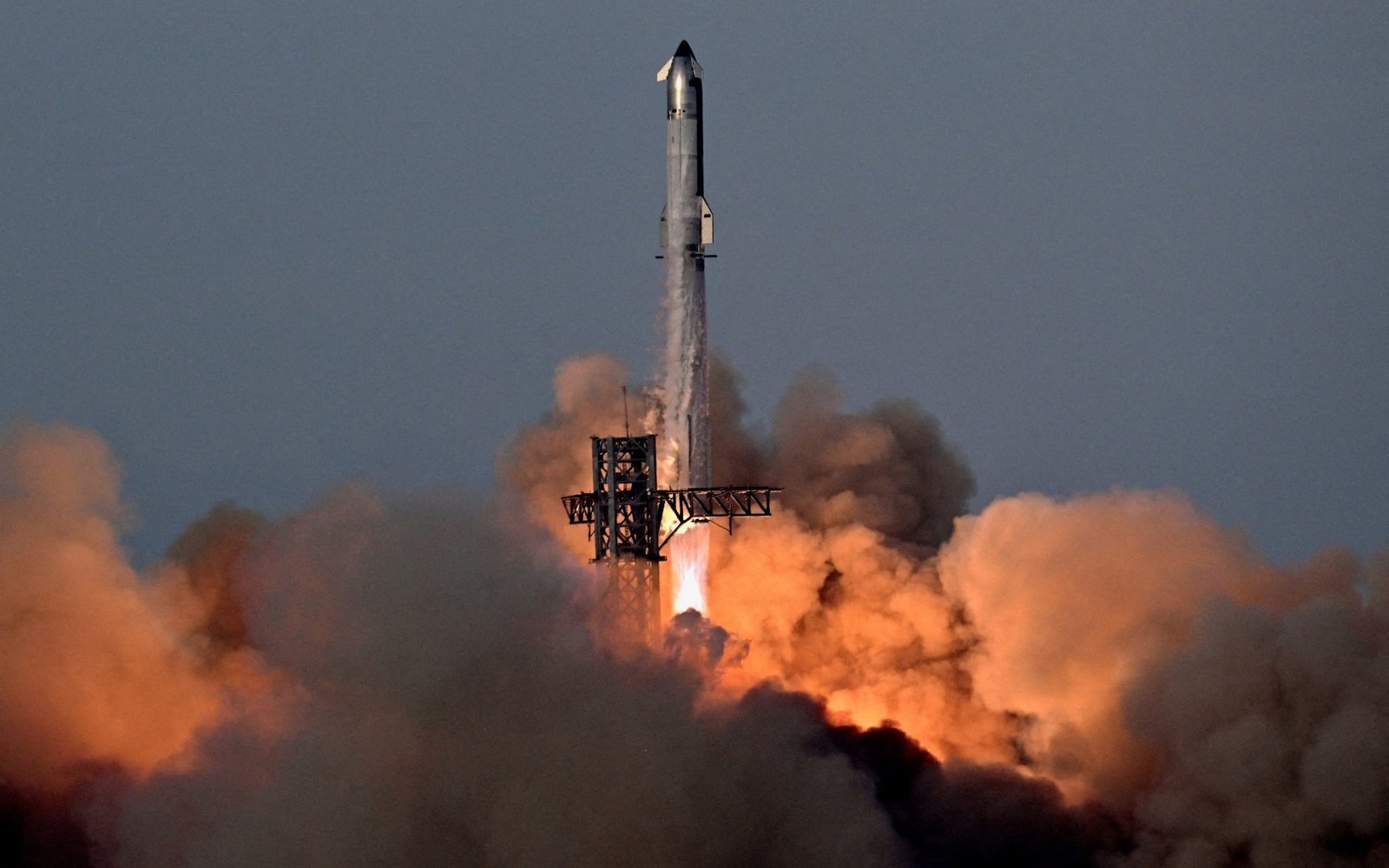
The plan involves launching supplies and modules using SpaceX’s Starship rockets, which are currently in the advanced stages of testing. Musk claims that Starship’s payload capacity and reusability make the ambitious project feasible within the proposed timeline.
Despite Musk’s confidence, experts warn that building a city on the Moon within a decade is an unprecedented challenge. Key obstacles include:
-
Radiation protection: The Moon lacks a protective atmosphere, exposing inhabitants to dangerous cosmic and solar radiation.
-
Life support systems: Maintaining breathable air, potable water, and food production in lunar conditions is complex and untested at scale.
-
Construction and logistics: Transporting materials and assembling habitats in low gravity will require novel engineering solutions.
-
Energy generation: Solar power is viable, but lunar nights last 14 Earth days, necessitating efficient energy storage systems.
Dr Sarah Thompson, a lunar research specialist at the UK Space Research Centre, commented:
“Elon Musk’s vision is inspiring, but the practical realities are immense. Ten years is an extraordinarily short time frame for establishing a sustainable lunar city.”
Musk’s announcement comes at a time of heightened interest in lunar exploration worldwide. NASA’s Artemis program aims to return astronauts to the Moon and establish a long-term presence by the late 2020s, while China and Russia have also outlined ambitious lunar missions.
Analysts suggest that a private lunar city could accelerate space exploration but also raise issues around governance, international law, and resource rights. The Outer Space Treaty, ratified by over 100 nations including the UK, governs territorial claims and the use of celestial bodies, and how a commercial lunar settlement fits into this framework remains unclear.
A Moon city could open unprecedented commercial opportunities, including:
-
Mining of lunar resources: Helium-3 for fusion energy, rare earth elements, and water ice for fuel.
-
Space tourism: Wealthy civilians may pay to visit or even stay in lunar habitats.
-
Scientific research: Experiments in low gravity and extreme conditions could advance technology and medicine.
However, funding such an endeavour remains a major hurdle. While SpaceX has considerable financial resources and revenue from satellite launches and Starlink, building a self-sustaining city on the Moon would likely require billions of pounds in investment, public-private partnerships, and international collaboration.
Human settlement on the Moon raises ethical questions. Some scientists argue that lunar colonisation could disrupt pristine environments and lead to militarisation of space. Others highlight concerns about access and inequality, as such projects may primarily benefit wealthy nations and private corporations.
“We must ask who this lunar city is for,” said Professor James Clark, an expert in space ethics. “Is it a vision for all humanity or just the privileged few?”
Musk’s announcement has captured public imagination, with social media platforms buzzing with speculation, memes, and debate. Some praise the ambition as humanity’s next great leap, comparing it to the Apollo missions of the 1960s. Others are sceptical, questioning whether Musk is overpromising and underestimating the technical and political hurdles.
In the UK, interest in lunar exploration is growing. The UK Space Agency has highlighted lunar missions as a key component of its space strategy, emphasising research, international collaboration, and commercial opportunities. Musk’s plan aligns with this broader trend of private-sector involvement in space.
Musk has outlined a phased approach to the lunar city:
-
Near-term exploration: Robotic missions and unmanned Starship flights to deliver infrastructure components.
-
Initial habitation: Small crews housed in pressurised modules, focusing on research and systems testing.
-
Expansion: Growth to a larger settlement with energy independence, life-support systems, and the capability to produce food locally.
-
Self-sustaining city: Fully operational city capable of long-term habitation without constant Earth support.
While ambitious, Musk stresses that each phase will be iterative, learning from successes and failures to accelerate progress.
For Musk, the lunar city is not an end in itself but a stepping stone toward Mars and beyond. By demonstrating the feasibility of permanent human presence on the Moon, he hopes to establish the technological, financial, and logistical foundation for interplanetary colonisation.
“The Moon is the training ground. Mars is the goal. Our species needs a multiplanetary future to ensure survival and growth,” Musk stated.
Elon Musk’s vision of a lunar city within ten years is audacious, inspiring, and controversial. It highlights the growing role of private enterprise in space exploration, the potential economic and scientific benefits of extraterrestrial habitation, and the complex technical, political, and ethical challenges involved.

Whether Musk can achieve this timeline remains uncertain, but the announcement has reignited public interest in space, demonstrated the possibilities of human ingenuity, and underscored the accelerating pace of lunar exploration.
As humanity looks to the Moon, questions about sustainability, governance, and access will shape not just Musk’s project, but the future of life beyond Earth.
Related News:
 British AI Startup Outshines Human Forecasters in Global Prediction Contest
 History Will Remember Who Showed Up: Pressure Mounts on Keir Starmer to Attend Cop30 Summit
 UK Fighter Jet Purchase Could Breach Nuclear Treaty, Warns CND
 Russia repeatedly targets UK military satellites, warns Space Command chief
 Cooper Unveils £4m Cyber Plan Against Russian Hackers
 UK New Car Discounts Near £6,000 as Prices Are Slashed
 UK Must Act with Courage and Clarity on Israel-Palestine Conflict, Says Foreign Affairs Committee Report
 How to Exit Your Broadband Contract Without Paying Exit Fees
 Michele Dougherty Makes History as the UK’s First Female Astronomer Royal
 Unseen Killers of the Deep Inside the UK Lab Uncovering the Silent Deaths of Sea Creatures
 UK Launches World-First Gonorrhoea Vaccine Amid Record Infection Surge
 Radioactive Leak at UK’s Nuclear Warhead Base Sparks Outcry Over Safety and Secrecy
 Mutual Inconvenience: Why Alaska Was Chosen for the Trump-Putin Summit on Ukraine
 AI Tools Used by English Councils Found to Downplay Women’s Health Issues, Raising Concerns Over Gender Bias in Care
 Terence Stamp, ’60s British Film Legend and Star of Superman, Dies at 87
 Where Is Prince William and Kate Middleton’s New House? Inside the Historic Lodge Set to Become Their ‘Forever Home’
 FIFA Eyes Biennial Club World Cup from 2029, Plans Possible Expansion
 Shocking Rise in Children’s Exposure to Violent Online Pornography Raises Alarm
 EuroMillions Record-Breaking £210m Jackpot Won by Lucky Lottery Ticket Holder
 Is the UK Ready to Put Boots on the Ground in Ukraine? Assessing Military Capacity and Challenges
 Ed Davey Urges Government to Block Elon Musk’s Tesla from Supplying UK Home Energy
 Shein UK Faces Allegations of Shifting Majority of Profits to Singapore to Reduce UK Tax
 British Couple Among 16 Killed in Lisbon Funicular Tragedy
 Protests Expected as Israeli Arms Firms Join Global Defence Trade Fair in London
 Serbia Humiliated 0-5 by England in World Cup Qualifier
 Jaguar Land Rover Extends Production Halt Following Cyber-Attack
 Thousands Gather in London to Protest Donald Trump’s Second UK State Visit
 Persistent Offenders Owe Over £700m in Ulez Fines as TfL Cracks Down on Evasion
 Trump Urges UK to “Call Out the Military” to Secure Borders Amid State Visit
 Liverpool Vs outhampton Set for Carabao Cup Clash at Anfield
 Google at 27: The Untold Story of Ruth Kedar, the Woman Behind the Iconic Logo
 Royal Mail Owner Acquires Stake in Collect+ and Launches High Street Rebrand
 A Third of EU Citizens in UK Report Discrimination by Public Bodies Post-Brexit
 Eligibility Confusion Over COVID Vaccination Leaves Pharmacies Struggling Across the UK
 Millions in the UK at Risk of Cyber-Attacks as Microsoft Ends Windows 10 Updates, Warns Which?
 Public Trust in SNP Hits Historic Low Amid NHS Concerns
 Yvette Cooper Backs Digital ID Plan for UK Teens
 Genetic Tests May Predict Return of Blood Cancer
 Johnson Suggests Mandelson Linked to China Spy Controversy
 Labour MPs Warn Digital ID Scheme Risks Cost and Support
 Witness statements reveal the CPS China spy row collapse in the UK
 China warns UK over delayed London mega embassy decision
 Rachel Reeves signals welfare reform ahead of key budget
 Reform UK candidate fined £19,000 after using AI-generated cases to challenge election
 Harry and Meghan join global AI leaders urging superintelligence ban
 Kosovo agrees to host Britain’s refused asylum seekers
 UK Campaigners Launch Bill to Grant Legal Rights to Nature
 Met Launches Drones to Respond Rapidly to 999 Calls
 Fabio Wardley stuns Joseph Parker to earn Usyk title shot
 Experts Warn Russia’s Burevestnik Missile Could Destabilise Arms Control
 British Woman in Iran ‘Losing Hope’ Amid Ongoing Detention
 Johnson Approved China’s London ‘Super-Embassy’ in 2018
 BBC Journalist Held and Interrogated in Vietnam
 UK Bans Fake Numbers: Scammers Lose Their Trick
 Top Christmas Books Reads: Classics to Cozy Romcoms
 Just Stop Oil Protesters Convicted Amid Climate Defence Row
 Tension and Turmoil at Aston Villa v Maccabi Match
 Patients to Test Health at Home to Ease NHS Winter Pressure
 I’m a Celebrity 2025 line-up revealed: Osbourne joins
 Lando Norris Dominates Brazil GP to Strengthen F1 Title Bid
 Britain deploys RAF specialists to assist Belgium with drone threats
 Palace May Restore Hyphen to Andrew Mountbatten-Windsor’s Name
 Northern Lights may illuminate UK skies this week
 Valve Opens the Door for Android Games on Steam
 Hitler’s DNA Confirms He Truly Had Only One Testicle
 Pokémon to open world’s first theme park in Japan next year
 UK launches major AI drive to fight deadly superbugs
 Royal Navy Shadows Russian Warships Entering the Channel
 Coffins Now Too Large to Cremate Amid Rising Obesity Crisis
 Starmer’s communications chief to outline media strategy overhaul
 Trump Taiwan China drills: US President Downplays Tensions
 AI Grok Sparks Child Safety Alarm in the UK
 US Clears Nvidia AI Chip Sales to China in Policy Shift
 Amazon Milton Keynes closure sparks concern for UK warehouse workforce
 Robo-Vaccination Could Transform Fight Against Bovine TB
 MPs warn AI financial risks threaten UK stability
 MPs warn AI financial risks threaten UK stability
 Pornhub blocks new UK users over age checks dispute
 Starmer China visit raises human rights pressure on Beijing
 Universities and Politicians Briefed on China and Russia Spy Threat