Published: 26 September 2025, The English Chronicle Desk
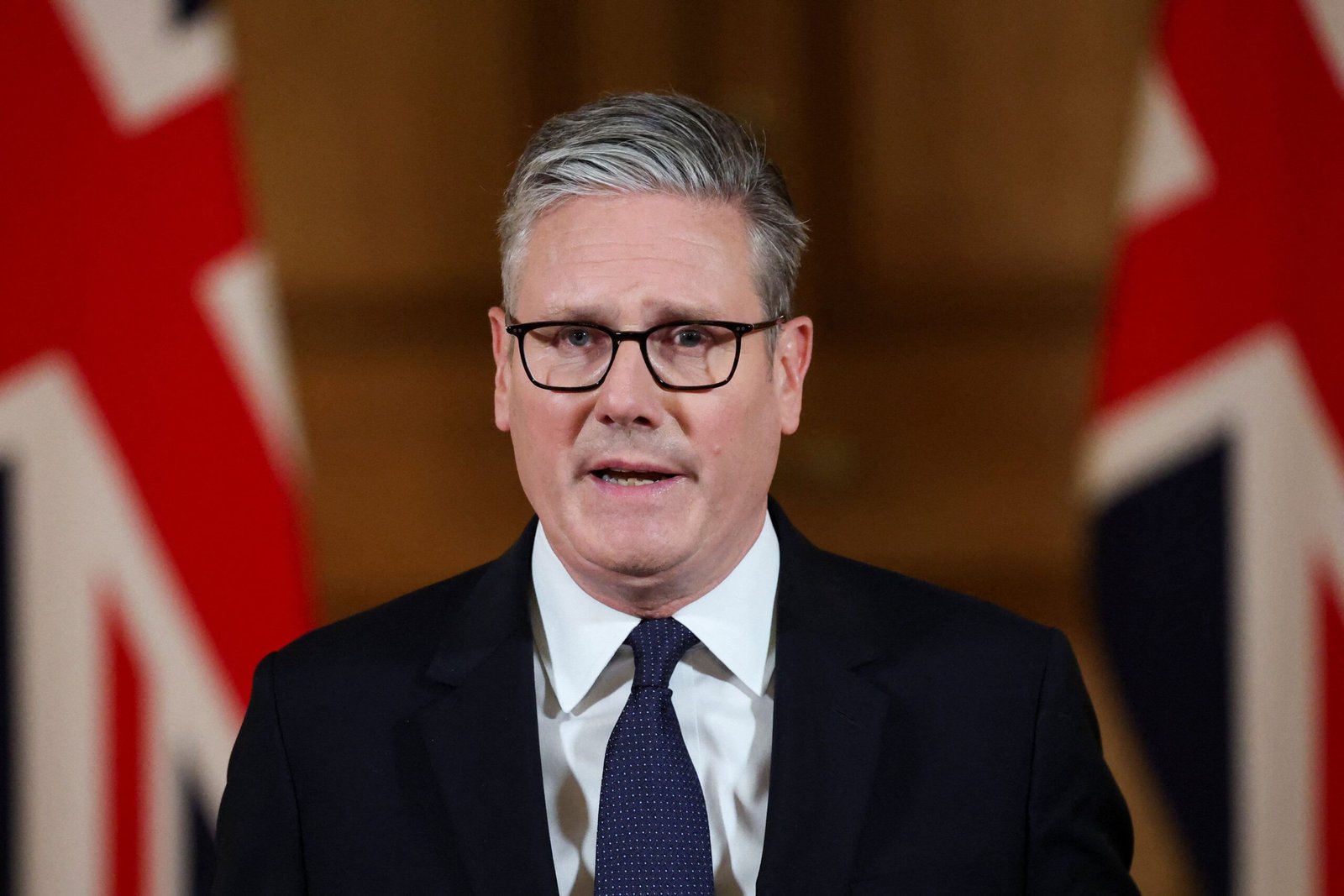
Intense pressure is building on Prime Minister Keir Starmer to confirm his attendance at the Cop30 climate summit in Brazil this November, as global leaders, climate experts and senior Labour figures insist his presence is vital. The meeting in Belém, set at the gateway to the Amazon rainforest, is being billed as one of the most significant gatherings since the Paris Agreement, with countries expected to unveil their updated strategies for cutting greenhouse gas emissions over the next decade.
The calls for Starmer to attend have grown louder after reports suggested some of his aides were urging caution, fearing that his presence at the summit could hand ammunition to the Reform party, which has consistently opposed climate action and rejected the UK’s legally binding net zero commitments. However, climate leaders warn that absence at this moment could severely damage the United Kingdom’s reputation as a global leader on climate change and undermine momentum for stronger international action.

Simon Stiell, the United Nations climate chief, made clear what is at stake, saying: “Cop30 is where leaders are expected to come and roll up their sleeves, make deals to help their nation’s economy transition faster, creating more jobs, and guide the world on what next steps we take together.” His message was echoed by former UN secretary general Ban Ki-moon, who underlined that attendance is “a test of leadership” and not a diplomatic courtesy. “World leaders must be in Belém for Cop30,” he said. “The world is watching – and history will remember who showed up.”
Keir Starmer has previously demonstrated a willingness to prioritise international climate diplomacy. As leader of the opposition he spent longer at Cop28 in Dubai than then prime minister Rishi Sunak, and as prime minister he personally committed the UK to cutting emissions by 81% by 2035 when he attended Cop29 in Azerbaijan last year. Many of his colleagues argue that failing to attend now, when the summit is hosted in one of the most ecologically significant regions on the planet, would be a damaging reversal.
Mary Robinson, former Irish president and UN climate envoy, stressed the symbolic and practical importance of leaders being physically present: “Cop30 in Belém this year promises to be one of the most significant climate summits in recent years. It is vital that heads of state and government attend in person to signify their commitment to climate action. Leadership must come from the top.”
The UK enters the talks with a relatively strong record. Its emissions reduction targets have been rated among the more ambitious in the developed world, and its commitment to reaching net zero remains broadly popular at home. Polls show that nearly two-thirds of the British public support decisive action on climate change, despite a vocal minority of opposition.
Sir David King, the government’s former chief scientific adviser, argued that Starmer’s attendance would be pivotal: “The attendance of world leaders on the first day of Cop30 is vital to set the trend of the meeting. A very good example is the commitment of the UK to reduce emissions by 81% by 2035, made by Starmer at the last Cop. This needs to be reiterated by the prime minister in Brazil, to persuade other countries to make similar major commitments.”
But the politics surrounding Cop30 are not straightforward. Some of Starmer’s aides have privately warned that Reform, which has gained traction in opinion polls, will seize on the optics of his attendance as evidence of misplaced priorities. Reform leaders continue to cast doubt on climate science, framing net zero policies as economically damaging and politically elitist. This calculation appears to have unsettled parts of Downing Street, though no final decision has been made about Starmer’s travel plans.
Adding to the complexity is the question of whether King Charles will be allowed to attend. The monarch has long championed environmental causes but was prevented from attending Cop28 by Rishi Sunak, a decision that drew widespread criticism. Diplomatic protocol would make it difficult for the King to attend Cop30 in the absence of the prime minister, but his presence would carry enormous symbolic weight.
On the international stage, expectations are high. World leaders from the European Union, the G7 and G20, along with representatives from vulnerable nations most affected by climate change, are preparing to travel to Brazil. In contrast, US president Donald Trump has already confirmed he will boycott the event, dismissing climate change as a “con job” in a controversial speech at the UN earlier this week. His stance has further raised the stakes for other leaders, particularly those from countries that see themselves as defenders of multilateralism and international cooperation.
The prospect of an empty seat for the UK prime minister has already unsettled Labour MPs. Polly Billington, who won East Thanet in a contest closely fought with Reform, urged Starmer to demonstrate his leadership in Brazil: “As someone who has been to Cops several times, I know the difference that leaders make when they attend. It focuses the minds of the negotiators on getting the best possible deal – and that is required, when we see the fragility of the consensus on acting on climate change. It is more important than ever that world leaders who understand the disastrous economic impacts of the climate crisis, and the economic opportunities of tackling it, should be there, for the world to come together.”
Labour MP Alex Sobel added that Cop30 offered a chance to highlight Brazil’s shifting trajectory under President Lula da Silva. He noted how Lula’s leadership had driven Amazon deforestation to a nine-year low after a period of rapid environmental destruction under his predecessor: “World leaders should attend Cop30. Brazil had the highest deforestation rate under its last president, and the return of Lula shows that political leadership can make a difference. After two Cops in fossil fuel producing countries, we need to show support for the UN process, and what can be achieved with the right political leadership.”

Outside Labour, critics have also weighed in. Zack Polanski, leader of the Green Party, was scathing about the possibility of Starmer’s absence. “This would be a huge abdication of responsibility,” he said. “If you accept there is a climate emergency, you need to act as such. And the first thing you need to do is build an international consensus on the response. The very least the prime minister could and should do is turn up. Instead, Starmer’s missing in action at this time of crisis and frankly that speaks volumes.”
As the countdown to Cop30 continues, the decision about Starmer’s attendance looms large. Supporters argue it is an opportunity to cement the UK’s credibility as a climate leader and to influence the direction of global negotiations. Critics within his own team worry about domestic political consequences. For many outside the UK, however, the matter is simpler. They believe leadership on climate is judged not just by promises made at home but by whether those promises are carried into the international arena. As Ban Ki-moon warned, history will not forget who chose to stand on the sidelines.
Related News:
 Britain’s Butterfly Numbers Rebound but Remain Average
 India and US Collaborate to Launch Groundbreaking Satellite for Earth Observation
 Ofcom Launches Probe into Pornography Websites Over Compliance with New Age Verification Laws
 Breakthrough Clinical Trial Lets 12-Year-Old Boy with Rare Skin Disorder Play Football
 Expanded Access to Health Diagnostics in England Now Available Beyond Standard Hours
 Shocking Rise in Children’s Exposure to Violent Online Pornography Raises Alarm
 EuroMillions Record-Breaking £210m Jackpot Won by Lucky Lottery Ticket Holder
 UK Wasp Numbers Soar After Unusually Warm and Dry Spring
 British Couple Among Victims in Lisbon Funicular Tragedy
 UK Weather: Rain Expected Above Average This Autumn, but Drought Likely to Persist
 First Group of Children from Gaza Arrive in UK for Life-Saving NHS Treatment
 Persistent Offenders Owe Over £700m in Ulez Fines as TfL Cracks Down on Evasion
 British AI Startup Outshines Human Forecasters in Global Prediction Contest
 Scottish Teenager’s Petition on Single-Use Plastics Gains Parliamentary Support
 UK Fighter Jet Purchase Could Breach Nuclear Treaty, Warns CND
 Hackers Allegedly Steal Data of 8,000 Children from Kido Nursery Chain
 A Third of EU Citizens in UK Report Discrimination by Public Bodies Post-Brexit
 Russia repeatedly targets UK military satellites, warns Space Command chief
 Majority of UK Men Would Opt for Prostate Cancer Screening, Survey Finds
 Cooper Unveils £4m Cyber Plan Against Russian Hackers
 With Most MPs Unaware of Urgency, UK Faces Hurdle to Reach Net Zero
 UK Woman Becomes Longest Survivor of Heart-Lung Transplant
 UK Must Ready Buildings for 2C Global Heating, Advisors Warn
 Runners’ records at risk as Garmin goes to war with Strava
 UK Campaigners Launch Bill to Grant Legal Rights to Nature
 Time to Turn Back the Clock: Celebrating Willett’s Legacy
 Critically Endangered Spider Rediscovered in UK After 40 Years
 Prince William Plants Trees with Brazil’s Nature Heroes
 Experts Urge Legal Right to Timely Cancer Care
 Nicola Sturgeon Urges SNP to Oppose New Oil Fields
 British Grandmother to Return Home After Death Sentence in Bali
 Parents Urge Home Office to Reunite Daughter After Hurricane
 Jailed UK climate protesters face extremist-style restrictions
 North Sea oil workers must lose weight or face job loss
 No link found between paracetamol in pregnancy and autism
 Second world war veterans honoured as King leads Remembrance Sunday
 New weather warning issued with risk of flooding
 Coffins Now Too Large to Cremate Amid Rising Obesity Crisis
 UK Must Act with Courage and Clarity on Israel-Palestine Conflict, Says Foreign Affairs Committee Report
 The Ketamine Crisis in the UK is a Silent Epidemic Leaving Users with Lifelong Pain
 Heartbreak in the New Forest as Shetland Ponies Vanish, Community on Edge
 Radioactive Leak at UK’s Nuclear Warhead Base Sparks Outcry Over Safety and Secrecy
 Terence Stamp, ’60s British Film Legend and Star of Superman, Dies at 87
 Is the UK Ready to Put Boots on the Ground in Ukraine? Assessing Military Capacity and Challenges
 Spectacular ‘Blood Moon’ Illuminates Skies Across the Globe
 Birmingham Bin Strike Enters Sixth Month as Negotiations Stall
 Over 40% of Private Renters Forced to Ration Energy to Afford Bills, Study Reveals
 One in Three GPs in England Do Not Work in NHS, Raising Concerns Over Access to Care
 Northern Ireland Faces Fears of Prolonged Race Riot “Permacrisis”
 Millions in the UK at Risk of Cyber-Attacks as Microsoft Ends Windows 10 Updates, Warns Which?
 Public Trust in SNP Hits Historic Low Amid NHS Concerns
 Yvette Cooper Backs Digital ID Plan for UK Teens
 Johnson Suggests Mandelson Linked to China Spy Controversy
 Rachel Reeves signals welfare reform ahead of key budget
 King urges faster action on climate change initiatives
 Reform UK candidate fined £19,000 after using AI-generated cases to challenge election
 Harry and Meghan join global AI leaders urging superintelligence ban
 WW2 Pilot’s Long-Lost Crash Site Unearthed in Essex
 Experts Warn Russia’s Burevestnik Missile Could Destabilise Arms Control
 Hospice Cuts Raise Alarm Across England Amid Funding Crisis
 UK Woman Loses Child Benefit After Booking Flight She Never Took
 Mass Stabbing on Doncaster to London Train Leaves Ten Injured
 Children to Learn Local History in Major Curriculum Overhaul
 The Lowry Hotel: Manchester’s Iconic Five-Star Retreat
 Just Stop Oil Protesters Convicted Amid Climate Defence Row
 How to get help when a child goes missing – call 999 urgently
 UK Faces Arctic Blast as Polar Vortex Disruption Brings Heavy Snow
 Son Reveals UK Couple in Iran Resort to Hunger Strike for Help
 Valve Opens the Door for Android Games on Steam
 Pokémon to open world’s first theme park in Japan next year
 Mum Calls for New Licence Rules After Teen Road Death
 Mother Watches in Horror as Teen Daughter Dies on Tracks
 ‘Traumatic Wait’: Northern Ireland Women Face Breast Cancer Delays
 Healthy Habits in Your 30s That Boost Life in Your 70s
 Vietnam Battles Deadly Floods as Rains Continue
 Labour MP claims devolution bill is ‘blatant discrimination’ against Cornwall
 Sri Lanka Floods Leave 56 Dead, Dozens Missing
 Fibromyalgia Patients Struggle as NHS Fails to Provide Care
 Search underway for British man overboard off Tenerife
 Virgin Media Fined £23.8m Over Telecare Safety Failures