Published: 09 September 2025. The English Chronicle Desk
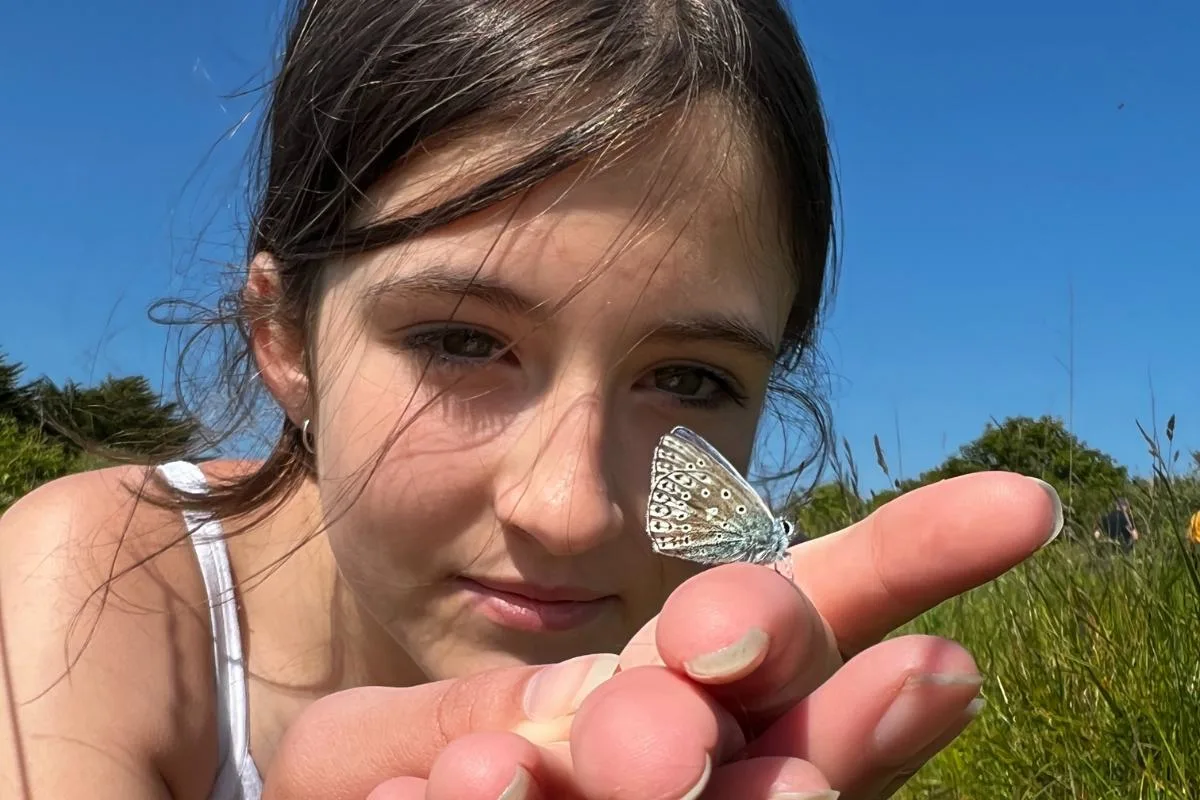
Britain’s butterflies have staged a modest recovery following the dismal summer of 2024, though the annual Big Butterfly Count shows that overall numbers remain at average levels. The survey, the largest citizen science insect monitoring initiative in the world, saw more than 125,000 volunteers record an average of 10.3 butterflies per 15-minute count in parks, gardens, and green spaces across the country.

This represents a significant improvement from 2024, which recorded a record low of just seven butterflies per count. Sightings of the large white butterfly soared by 131%, while the small white rose 128%, and the red admiral increased by 185%. Despite these gains, Butterfly Conservation warned that the apparent recovery only brings numbers back to typical levels, with higher counts recorded in 2023 and each summer from 2016 to 2020.
Dr Richard Fox, head of science at Butterfly Conservation, emphasized that the broader trends remain concerning. “We may feel like we’ve seen lots of butterflies this summer, but that’s only because last year was so poor. Our 15-year Big Butterfly Count trends show that more than twice as many widespread species have declined significantly than have increased. Even in generally favourable weather, one-third of species fared poorly,” he said.
Several species achieved record or near-record counts this year. The large and small white butterflies recorded their best-ever results, and the day-flying Jersey tiger moth was observed more widely and in higher numbers than ever. Conversely, some familiar garden species fared poorly. The holly blue had its second-worst showing, while the meadow brown recorded its fourth-worst result, likely because its flight period concluded earlier than usual.
The small tortoiseshell, recovering from its worst-ever count in 2024, remains in long-term decline, having fallen by 60% since 2011. Among the long-term winners are the large white, red admiral, and small copper, which have seen notable population increases over the past 15 years.

Fox stressed that conservation action remains critical to sustaining butterfly populations. “We urgently need to improve habitats, reduce pesticide use, and enhance the environments in which butterflies live. Without these measures, meaningful recovery is unlikely, regardless of favourable weather,” he said.
The results underline the delicate balance facing Britain’s butterflies: while short-term weather patterns can provide temporary relief, long-term conservation and habitat restoration are essential to secure their future.
Related News:
 History Will Remember Who Showed Up: Pressure Mounts on Keir Starmer to Attend Cop30 Summit
 Ofcom Launches Probe into Pornography Websites Over Compliance with New Age Verification Laws
 Breakthrough Clinical Trial Lets 12-Year-Old Boy with Rare Skin Disorder Play Football
 Expanded Access to Health Diagnostics in England Now Available Beyond Standard Hours
 Shocking Rise in Children’s Exposure to Violent Online Pornography Raises Alarm
 UK Wasp Numbers Soar After Unusually Warm and Dry Spring
 UK Weather: Rain Expected Above Average This Autumn, but Drought Likely to Persist
 Persistent Offenders Owe Over £700m in Ulez Fines as TfL Cracks Down on Evasion
 Scottish Teenager’s Petition on Single-Use Plastics Gains Parliamentary Support
 Hackers Allegedly Steal Data of 8,000 Children from Kido Nursery Chain
 Majority of UK Men Would Opt for Prostate Cancer Screening, Survey Finds
 With Most MPs Unaware of Urgency, UK Faces Hurdle to Reach Net Zero
 UK Woman Becomes Longest Survivor of Heart-Lung Transplant
 UK Must Ready Buildings for 2C Global Heating, Advisors Warn
 Runners’ records at risk as Garmin goes to war with Strava
 UK Campaigners Launch Bill to Grant Legal Rights to Nature
 Time to Turn Back the Clock: Celebrating Willett’s Legacy
 Critically Endangered Spider Rediscovered in UK After 40 Years
 Prince William Plants Trees with Brazil’s Nature Heroes
 Experts Urge Legal Right to Timely Cancer Care
 Nicola Sturgeon Urges SNP to Oppose New Oil Fields
 Jailed UK climate protesters face extremist-style restrictions
 North Sea oil workers must lose weight or face job loss
 No link found between paracetamol in pregnancy and autism
 New weather warning issued with risk of flooding
 Coffins Now Too Large to Cremate Amid Rising Obesity Crisis
 The Ketamine Crisis in the UK is a Silent Epidemic Leaving Users with Lifelong Pain
 How to Exit Your Broadband Contract Without Paying Exit Fees
 Unseen Killers of the Deep Inside the UK Lab Uncovering the Silent Deaths of Sea Creatures
 Heartbreak in the New Forest as Shetland Ponies Vanish, Community on Edge
 Why E-Bikes and E-Scooters Are Making Streets a ‘Nightmare’ for Blind People
 Millions in the UK at Higher Risk of Heart Failure and Stroke Due to Air Pollution, Study Warns
 Spectacular ‘Blood Moon’ Illuminates Skies Across the Globe
 London to Regulate Pedicabs: Music Turned Down, Fares Set by the Minute
 Weatherwatch: From Astrology to Modern Meteorology
 Rivers in English and Welsh National Parks Suffer Sewage Pollution at Twice the National Rate
 UK Doctors Guilty of Sexual Misconduct Continue Practising Amid Weak Sanctions, Research Finds
 Zarah Sultana Seeks Legal Action After Bitter Clash with Jeremy Corbyn Over Party Membership Funds
 British AI Startup Outshines Human Forecasters in Global Prediction Contest
 UK Fighter Jet Purchase Could Breach Nuclear Treaty, Warns CND
 Patricia Crowther, Known as UK’s Oldest Witch, Dies Aged 97
 Starmer Unveils Plan for NHS “Online Hospital” to Tackle Waiting Lists
 A Third of EU Citizens in UK Report Discrimination by Public Bodies Post-Brexit
 Marks & Spencer Staff to Work on Boxing Day for First Time in Five Years Amid Cost-Cutting Measures
 UK households brace for October benefit payments and rising energy costs amid cost-of-living pressures
 Jilly Cooper: The Bonkbuster Queen Who Redefined Romantic Fiction
 Millions in the UK at Risk of Cyber-Attacks as Microsoft Ends Windows 10 Updates, Warns Which?
 Celebrity Traitors First Look: A Star-Studded Highland Adventure That Hooks from the Start
 Cooper Unveils £4m Cyber Plan Against Russian Hackers
 Yvette Cooper Backs Digital ID Plan for UK Teens
 Women Challenge Meta Over Targeted Ads After Miscarriage
£18 Prostate Cancer Test Could Save Thousands of Lives
Women Challenge Meta Over Targeted Ads After Miscarriage
£18 Prostate Cancer Test Could Save Thousands of Lives
 King urges faster action on climate change initiatives
 Reform UK candidate fined £19,000 after using AI-generated cases to challenge election
 Harry and Meghan join global AI leaders urging superintelligence ban
 One in 12 Secondary Pupils Sent to Isolation Weekly
 UK Health Leaders Push for Urgent Tobacco & Vape Bill
 Hospice Cuts Raise Alarm Across England Amid Funding Crisis
 UK Woman Loses Child Benefit After Booking Flight She Never Took
 Mass Stabbing on Doncaster to London Train Leaves Ten Injured
 Children to Learn Local History in Major Curriculum Overhaul
 The Lowry Hotel: Manchester’s Iconic Five-Star Retreat
 Greta Thunberg Backs Student Facing UK Visa Revocation
 How to get help when a child goes missing – call 999 urgently
 ‘Reckless’ cuts to victims’ services will cost more than they save
 UK Faces Arctic Blast as Polar Vortex Disruption Brings Heavy Snow
 Politics latest: Starmer ‘will fight any leadership coup’ as Streeting denies attempt to oust Labour PM
 Son Reveals UK Couple in Iran Resort to Hunger Strike for Help
 Valve Opens the Door for Android Games on Steam
Working-Class Men with Prostate Cancer Left Behind by NHS
Valve Opens the Door for Android Games on Steam
Working-Class Men with Prostate Cancer Left Behind by NHS
 Mum Calls for New Licence Rules After Teen Road Death
 Mother Watches in Horror as Teen Daughter Dies on Tracks
 ‘Traumatic Wait’: Northern Ireland Women Face Breast Cancer Delays
 Commuters warned as yellow snow and ice alert hits Northern Ireland
 Healthy Habits in Your 30s That Boost Life in Your 70s
 Labour MP claims devolution bill is ‘blatant discrimination’ against Cornwall
 Delhi’s Toxic Air Crisis Leaves Children Sick and Vulnerable
 Fibromyalgia Patients Struggle as NHS Fails to Provide Care
 Search underway for British man overboard off Tenerife
 Virgin Media Fined £23.8m Over Telecare Safety Failures