Published: 20 October 2025. The English Chronicle Desk. The English Chronicle Online.
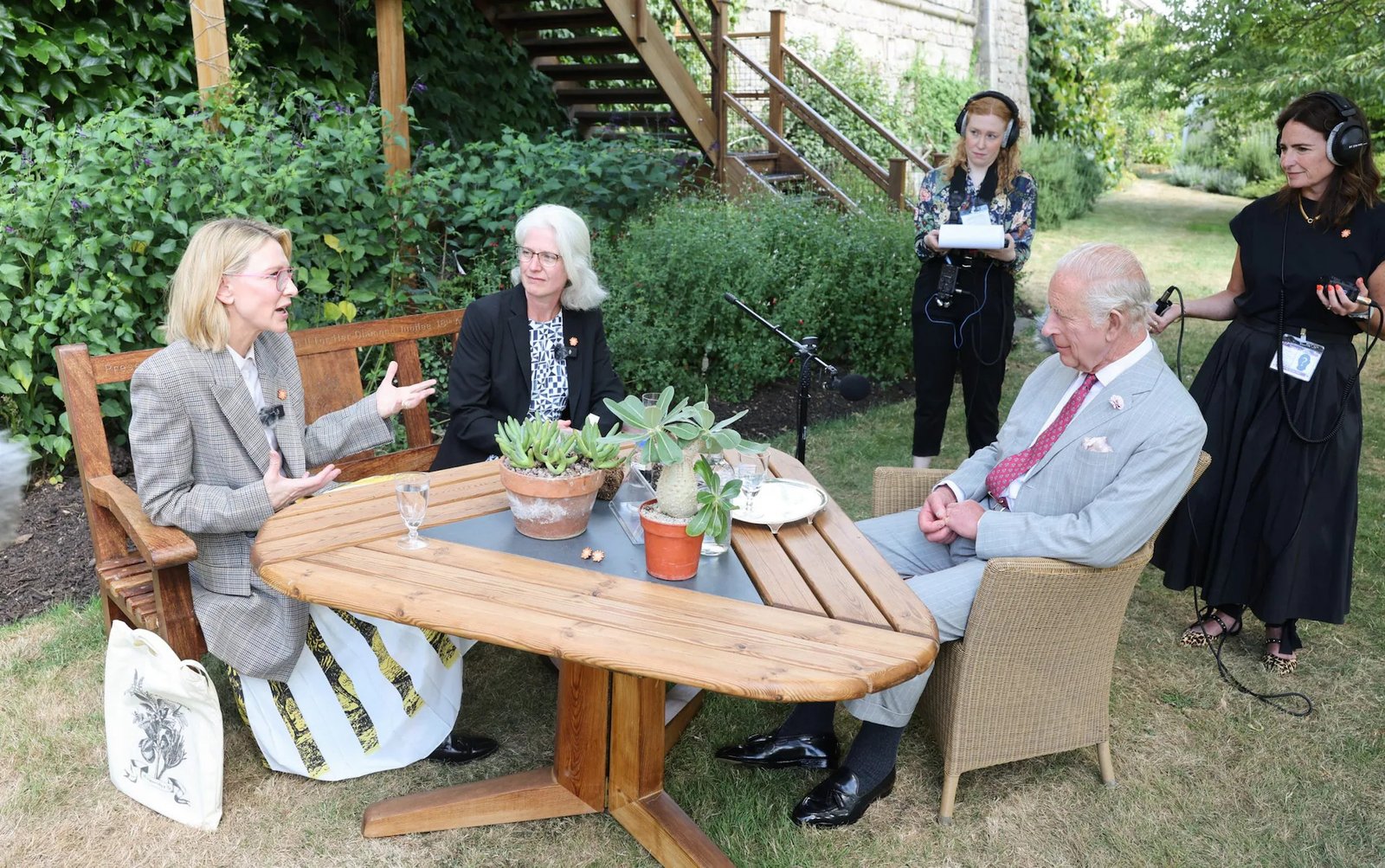
The King has voiced concerns that potential solutions to climate change are not receiving the attention they urgently require. Speaking candidly on a podcast alongside actress Cate Blanchett, he highlighted the need for increased awareness and accelerated action to address global environmental challenges.
The conversation, recorded in the private gardens of Windsor Castle in July, focused on the work of Kew’s Millennium Seed Bank, which has spent the past 25 years safeguarding plant diversity to combat climate change and biodiversity loss. Established at Kew’s Wakehurst site in Sussex, the seed bank has become a global hub for conservation, storing nearly 2.5 billion seeds from over 40,000 species under carefully controlled conditions at minus 20 degrees Celsius.
Charles, who is a long-standing patron of Kew, described the project as “wonderful” but insisted that efforts must be intensified to maximise its impact. “I think it’s wonderful what the seed bank is doing, but we’ve got to speed up the process,” he said, emphasising that while progress has been made, the scale of environmental threats demands faster, broader implementation.
During the discussion, Blanchett, who serves as Kew Gardens’ ambassador for Wakehurst, expressed frustration over the gap between potential climate solutions and the resources allocated to scale them up. “The only frustration for me about inaction on climate change is that there are so many extraordinary initiatives ready to be scaled up,” she said. “There’s a willingness there, but there’s just not the direction of the funds.”

The King agreed, adding that public and institutional awareness of these initiatives is equally important. “And there’s that lack of awareness too, as you were saying, about the actual detail of all these things,” he said, underscoring the need for both financial support and greater understanding of the initiatives that already exist.
The podcast also featured Dr Elinor Breman, a seed scientist at Kew, who demonstrated the scientific work behind the seed bank. The trio discussed the origins of the project, its achievements over the past quarter-century, and ongoing conservation efforts across the globe, including in Australia and South Africa. Dr Breman brought samples of plants, seeds, and conservation test kits to illustrate the scale and sophistication of the work being carried out to safeguard biodiversity.
The Millennium Seed Bank was officially opened in 2000 by Charles and has remained a personal passion of his ever since. He has actively tracked its progress, including a visit in 2019, and continues to advocate for its role in tackling the twin crises of climate change and species extinction. The King’s engagement in environmental issues has been wide-ranging; in addition to the seed bank, he has previously shared his love of music in a one-off Apple Music project, curating a selection of his favourite songs to celebrate Commonwealth Day in March.
Blanchett and the King’s discussion highlighted a broader issue facing environmental conservation: the need to bridge the gap between scientific innovation and public and governmental action. While the Millennium Seed Bank represents a remarkable scientific achievement, the King stressed that similar initiatives worldwide require more attention, funding, and global coordination to realise their full potential.
Since its launch, the seed bank has preserved seeds from thousands of species, creating an invaluable resource for research, restoration projects, and efforts to protect ecosystems under threat from climate change. Charles noted that the project’s future potential is immense, with the knowledge and resources it generates capable of informing conservation strategies in countries facing severe ecological challenges.
The King’s comments come amid growing global concern over the pace of environmental action. While awareness of climate change has increased over the past decades, translating knowledge into meaningful action remains a critical challenge. By advocating for accelerated conservation work, Charles is drawing attention to both the immediate and long-term consequences of inaction.
The podcast episode, which launches Kew’s fourth Unearthed series, will be followed by a three-part exploration of the past, present, and future of the seed bank. This series aims to engage the public in understanding the science behind plant conservation and the vital role of seed banks in maintaining global biodiversity. The King’s involvement in the project brings added visibility to the issue, highlighting the importance of leadership, advocacy, and public engagement in tackling environmental challenges.
Charles’ emphasis on awareness reflects a broader concern that many effective solutions exist but fail to reach the scale necessary to make a significant impact. As the King noted, scientific and community initiatives are often limited by insufficient funding and a lack of public recognition, meaning that even well-designed conservation efforts can struggle to achieve widespread adoption.
The podcast also underscored the personal commitment of both Charles and Blanchett to environmental issues. Their collaboration on the discussion highlighted the intersection of science, policy, and public influence, demonstrating that tackling climate change requires contributions from multiple sectors of society. By combining advocacy, education, and scientific innovation, initiatives like the Millennium Seed Bank can play a crucial role in building a more sustainable future.

Charles’ comments are a call to action for governments, organisations, and individuals to invest in solutions that are already proven to be effective. They underline the importance of connecting scientific expertise with financial support, policy frameworks, and public engagement to ensure that promising initiatives can scale up quickly and deliver meaningful outcomes.
The King concluded by reaffirming his support for Kew and the broader environmental movement, emphasising that progress in combating climate change depends on speed, awareness, and coordination. “We’ve got to accelerate the process,” he said. “There’s so much that can be done, and the potential is there if we focus on it.”
With climate change presenting one of the most urgent global challenges, Charles’ advocacy highlights the role of leadership and visibility in driving action. By engaging with experts, public figures, and scientific institutions, he is helping to bring critical attention to the initiatives that could make a tangible difference in mitigating ecological loss and protecting biodiversity for future generations.
Related News:
 UK Wasp Numbers Soar After Unusually Warm and Dry Spring
 UK Weather: Rain Expected Above Average This Autumn, but Drought Likely to Persist
 Britain’s Butterfly Numbers Rebound but Remain Average
 Scottish Teenager’s Petition on Single-Use Plastics Gains Parliamentary Support
 History Will Remember Who Showed Up: Pressure Mounts on Keir Starmer to Attend Cop30 Summit
 With Most MPs Unaware of Urgency, UK Faces Hurdle to Reach Net Zero
 UK Must Ready Buildings for 2C Global Heating, Advisors Warn
 Prince William Plants Trees with Brazil’s Nature Heroes
 Nicola Sturgeon Urges SNP to Oppose New Oil Fields
 Jailed UK climate protesters face extremist-style restrictions
 UK Faces Arctic Blast as Polar Vortex Disruption Brings Heavy Snow
 New weather warning issued with risk of flooding
 Delhi’s Toxic Air Crisis Leaves Children Sick and Vulnerable
 Southeast Asia floods claim 241 lives, rescue efforts continue
 Delhi’s Toxic Air Drives Spike in Respiratory Illnesses
 Post Office Scandal Compensation Tops £1 Billion as Victims Finally See Justice
 Whether You Win or Lose, Some Fights Are Worth Fighting’: The Unlikely Origins of the Largest-Ever Climate Case
 Ageless Energy: How Life After 40 Is Sparking a New Era of Vitality and Innovation
 The Ketamine Crisis in the UK is a Silent Epidemic Leaving Users with Lifelong Pain
 Wethersfield Controversy Deepens as Asylum Seeker Numbers Set to Surge by 50%
 The Fight for Trans Safety Is a Fight for Everyone’s Safety — MPs Must Debate This Crucial Issue
 My Husband Won’t Stop Playing with Lego and It’s Driving Me Nuts
 Heartbreak in the New Forest as Shetland Ponies Vanish, Community on Edge
 Calls Grow for a Complete Ban on Smacking as Public Opinion Shifts
 Tragedy Strikes Britain’s Richest Divorcee as Boyfriend Dies Just Four Years After £350m Breakup
 Why E-Bikes and E-Scooters Are Making Streets a ‘Nightmare’ for Blind People
 Millions in the UK at Higher Risk of Heart Failure and Stroke Due to Air Pollution, Study Warns
 Spectacular ‘Blood Moon’ Illuminates Skies Across the Globe
 London to Regulate Pedicabs: Music Turned Down, Fares Set by the Minute
 Jeremy Clarkson’s Pub: A Sunday Lunch Like No Other
 Birmingham Bin Strike Enters Sixth Month as Negotiations Stall
 Over 40% of Private Renters Forced to Ration Energy to Afford Bills, Study Reveals
 One in Three GPs in England Do Not Work in NHS, Raising Concerns Over Access to Care
 Persistent Offenders Owe Over £700m in Ulez Fines as TfL Cracks Down on Evasion
 Northern Ireland Faces Fears of Prolonged Race Riot “Permacrisis”
 Zarah Sultana Seeks Legal Action After Bitter Clash with Jeremy Corbyn Over Party Membership Funds
 Canadian Officials Find TikTok Fails to Adequately Protect Children’s Data
 White Low-Income Pupils in England Show Lowest Levels of School Engagement, Study Finds
 Ed Miliband Warns UK Government on X, Citing Elon Musk as a “Dangerous Influence”
 A Third of EU Citizens in UK Report Discrimination by Public Bodies Post-Brexit
 Beloved Actress Dame Patricia Routledge Dies Aged 96
 Jilly Cooper: The Bonkbuster Queen Who Redefined Romantic Fiction
 Massive London Poundland Fire Engulfs High Street
 Sussexes Warn on Children’s Phone Use Echoing Princess of Wales
 One in 12 Secondary Pupils Sent to Isolation Weekly
 WW2 Pilot’s Long-Lost Crash Site Unearthed in Essex
 UK Health Leaders Push for Urgent Tobacco & Vape Bill
 Hospice Cuts Raise Alarm Across England Amid Funding Crisis
 UK Woman Loses Child Benefit After Booking Flight She Never Took
 Mass Stabbing on Doncaster to London Train Leaves Ten Injured
 Children to Learn Local History in Major Curriculum Overhaul
 The Lowry Hotel: Manchester’s Iconic Five-Star Retreat
 Greta Thunberg Backs Student Facing UK Visa Revocation
 Earl of Yarmouth Faces £1.3m Legal Bill Over Family Estate
 How to get help when a child goes missing – call 999 urgently
 ‘Reckless’ cuts to victims’ services will cost more than they save
 WASPI Women May Get Second Chance at Pension Redress
 Politics latest: Starmer ‘will fight any leadership coup’ as Streeting denies attempt to oust Labour PM
 Son Reveals UK Couple in Iran Resort to Hunger Strike for Help
 Working-Class Men with Prostate Cancer Left Behind by NHS
 Mum Calls for New Licence Rules After Teen Road Death
 £1 Breakfast Club Brings Parents Together in Sheffield
 Mother Watches in Horror as Teen Daughter Dies on Tracks
 Agency Workers Vote to Join Picket Lines Amid Dispute
 Seven Countries, One Winner: Europe’s Best Christmas Market
 ‘Traumatic Wait’: Northern Ireland Women Face Breast Cancer Delays
 Commuters warned as yellow snow and ice alert hits Northern Ireland
 Healthy Habits in Your 30s That Boost Life in Your 70s
 Vietnam Battles Deadly Floods as Rains Continue
 Coffins Now Too Large to Cremate Amid Rising Obesity Crisis
 Clifftop Lodges Spark Fears Over Jurassic Coast Stability
 Labour MP claims devolution bill is ‘blatant discrimination’ against Cornwall
 Vicki Fears Losing Motability Car
 Sri Lanka Floods Leave 56 Dead, Dozens Missing
 Fibromyalgia Patients Struggle as NHS Fails to Provide Care
 Scotland Gains 33 New Towns – Life in Growing Communities
 Search underway for British man overboard off Tenerife
 “Enough is Enough”: Local MP Vows to Fight Rainham Quarry Plans
 Virgin Media Fined £23.8m Over Telecare Safety Failures
 Pavarotti statue frozen in Italian ice rink sparks backlash